
Common Voles and European Wood Mice Contacted Fox and Jackal Scat Most Often in Autumn and Winter
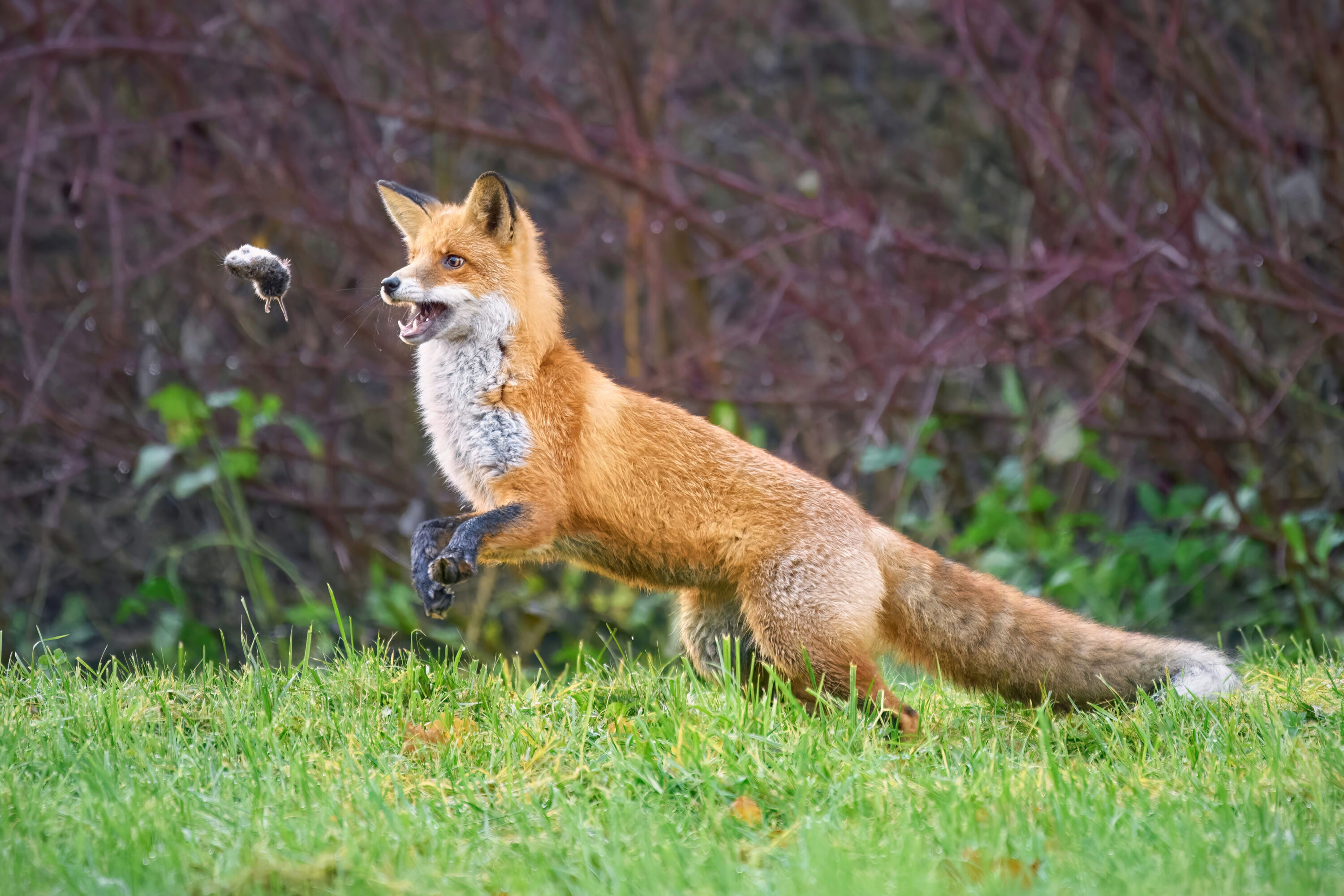
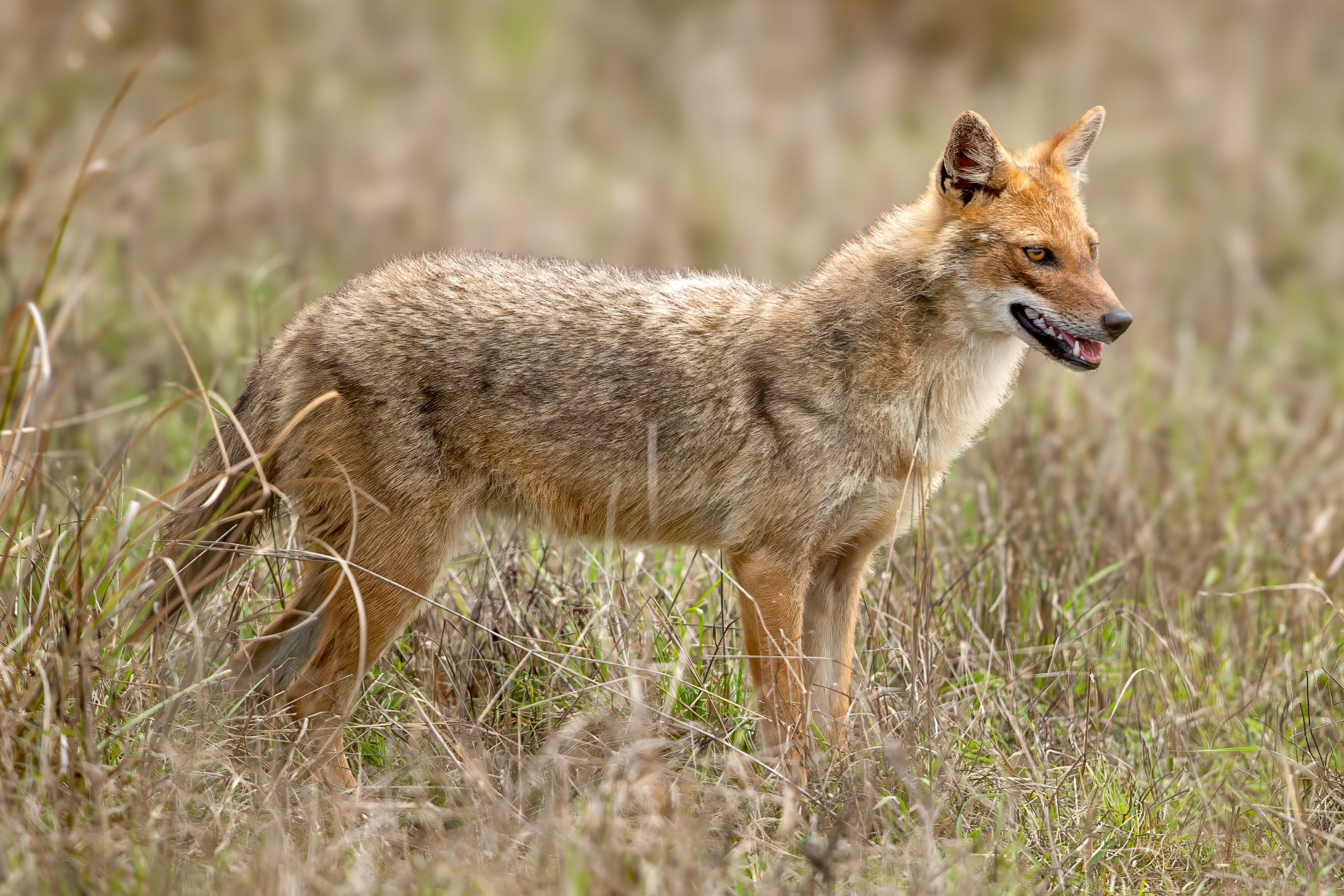
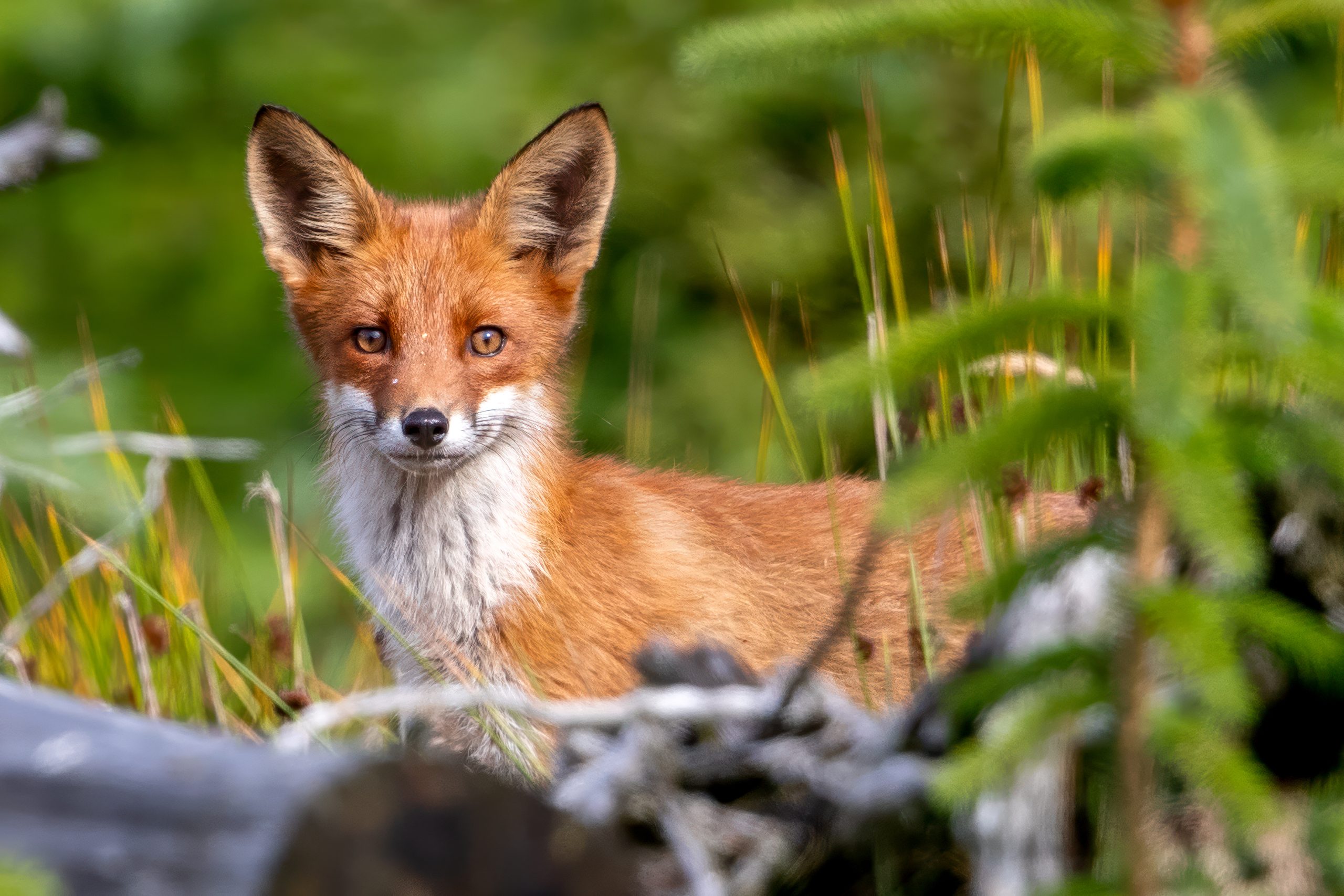
Common voles (Microtus arvalis) and the European wood-mouse group were the rodents that most often approached and contacted red fox (Vulpes vulpes) and golden jackal (Canis aureus) scat, mainly during autumn and winter. The Hungarian field experiment examined how rodent behaviour could create transmission opportunities for the tapeworm Echinococcus multilocularis, and was first published online on 15 July 2026.
The parasite uses canids as definitive hosts and rodents as intermediate hosts. Its eggs leave infected canids in faeces, so the researchers placed fox and jackal scat beneath camera traps to investigate when small mammals approached or directly contacted this potential source of infection.
Six rodent taxa made contact with canid scat
The experiment ran in agricultural habitat in southwestern Hungary. Across 271 trap nights, the cameras recorded 600 events involving six rodent taxa. Common voles (Microtus arvalis) and European wood mice — a camera-trap grouping that included wood mouse (Apodemus sylvaticus) and yellow-necked mouse (Apodemus flavicollis) — approached and contacted the scat most frequently.
Activity around the bait was highest mainly in autumn and winter. This was the opposite of the researchers’ original expectation that rodents might contact canid faeces especially often during hot, dry summer conditions while searching for food or moisture.
Seed-rich scat attracted common voles
The common vole showed a clearly stronger preference for scat with a higher seed content. The authors connect this pattern to autumn food-hoarding behaviour, when rodents collect and store food for winter.
The authors suggest that autumn hoarding may shorten the period during which parasite eggs remain exposed in the environment before reaching a potential intermediate host. In midsummer, however, rodent activity and contact were low, so the camera footage did not support the original hypothesis that food- or moisture-seeking would substantially protect the parasite’s transmission cycle from summer drought.
The authors conclude that autumn hoarding by common voles may help maintain transmission opportunities, while summer remains a comparatively vulnerable environmental phase for the parasite. The experiment measured contact behaviour, not whether the observed rodents actually acquired infection. The work therefore adds animal behaviour to the ecological factors that can shape where and when transmission is most likely to occur.
Disease, parasites & microbiology
Related news
Similar Mammal Diversity, Different Activity Patterns in Grazed and Ungrazed Areas
Camera traps in four northern Israeli reserves found similar numbers of mammal species with and without livestock grazing.…
Read story →
Bartonella Was Detected in 24.9% of Golden Jackals Sampled Across Israel
A survey of 454 golden jackals across Israel detected Bartonella DNA in 113 animals, while four Bartonella species…
Read story →
Wolf Kills Provided Plenty of Food for Red Foxes
Red foxes visited all 26 wolf-killed red deer monitored in Stelvio National Park. The amount of meat left…
Read story →SPECIES IN THIS STORY
Species in this story
Independent research and conservation news archive
Did you find this information useful?
Wildlife Vagabond is independently built and maintained. Voluntary support helps cover source verification, hosting and continued work on research and conservation news.
Support Wildlife VagabondThe news archive will remain freely available.