
Bed bugs in blue tit nests showed conflicting clues about their identity
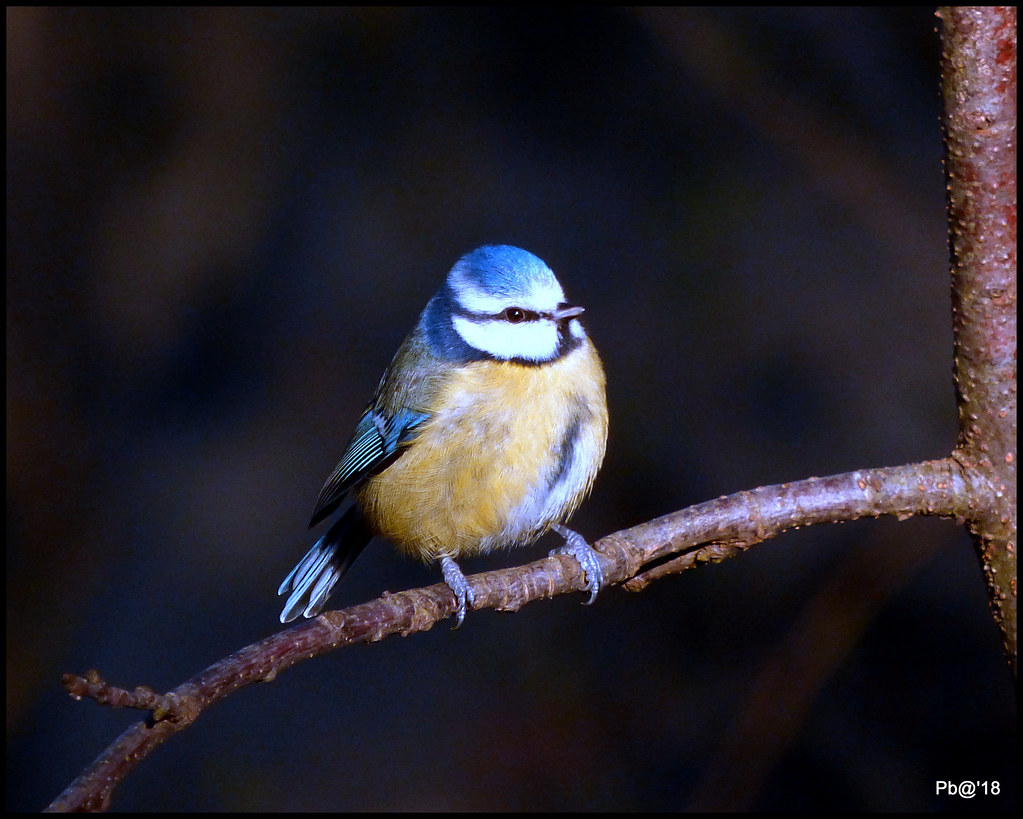
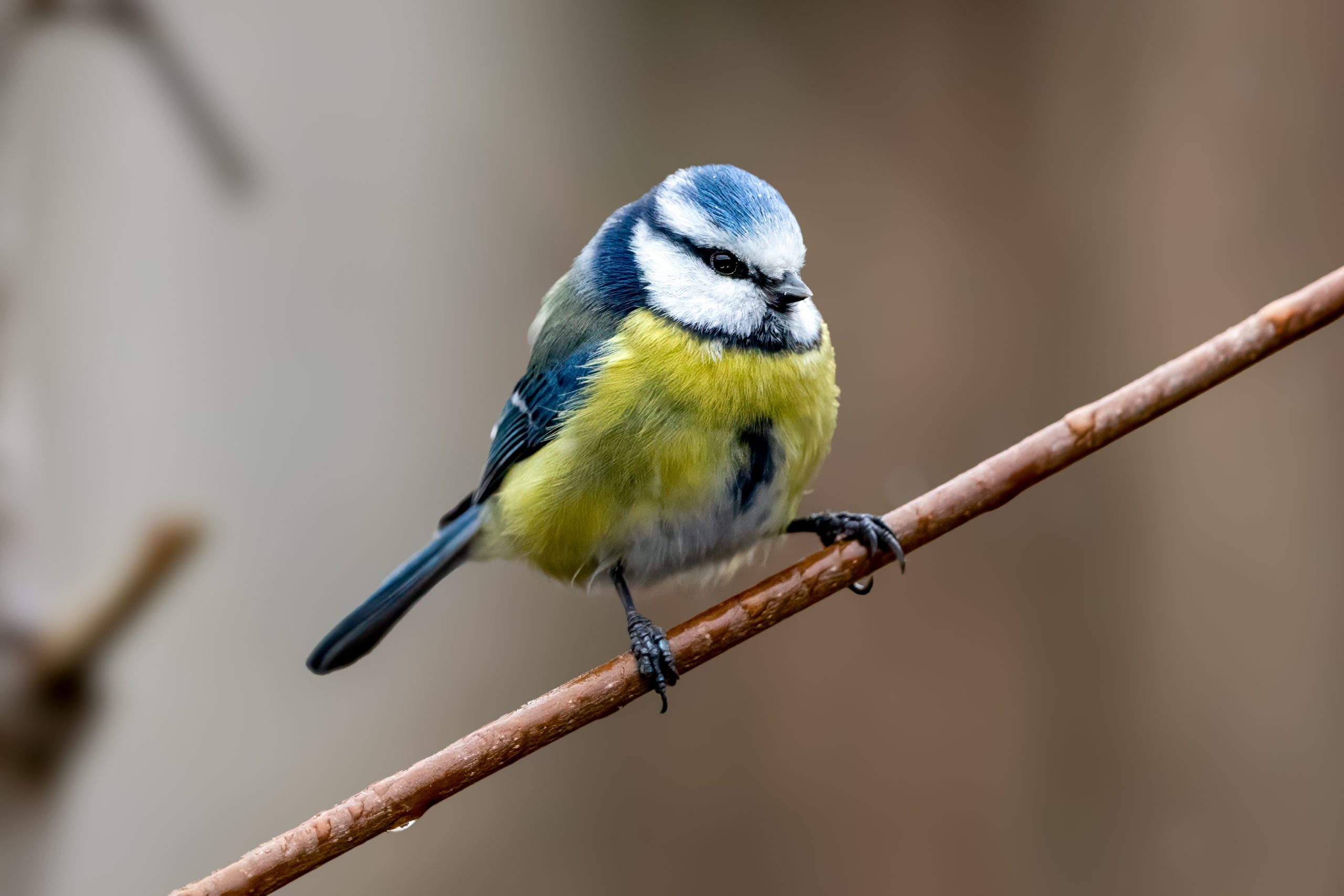
Bed bugs were found in nests of Eurasian Blue Tits (Cyanistes caeruleus) in a Pyrenean oak forest in central Spain. The finding, reported on 27 November 2026, documents a previously unreported association between the birds and these blood-feeding parasites. But the bugs’ appearance and mitochondrial DNA pointed to different names: their morphology was consistent with Cimex columbarius, while their mitochondrial sequences fell within a Cimex lectularius group.
Researchers collected 78 bugs from four nests during the 2022–2024 breeding seasons and found bugs, but did not collect them, in a fifth infested nest. They measured body proportions used to distinguish the two close forms and sequenced two mitochondrial regions, COI and 16S rRNA. They compared these sequences with reference sequences to see which genetic group the bugs clustered with. The key measurement could be made in only nine adult bugs. Sequences from 10 bugs clustered with C. lectularius; notably, the available reference sequence for C. columbarius fell within the same group.
Appearance and DNA tell different parts of the story
The genetic results also contained signs of mitochondrial heteroplasmy: seven of the 10 sequenced bugs had mixed signals at positions that distinguish the sequence variants. This is consistent with more than one mitochondrial variant being present in an individual. The authors suggest that the lack of a clear mitochondrial distinction fits the possibility that C. columbarius is an avian-associated form of C. lectularius. The evidence does not resolve whether the two names represent separate species or forms within one species.
To identify what the bugs had fed on, the researchers tested five reddish specimens that appeared to have fed recently. They recovered a fragment of mitochondrial cytochrome b specific to Cyanistes, supporting the conclusion that those bugs had taken blood from Blue Tits. This test identifies the source of the blood meal in the specimens examined; it does not show that every bug collected had fed on the birds.
No consistent pattern in breeding results
The researchers also compared reproductive measures from the five infested nests with seasonal population values. There was no consistent pattern across nests. Fledging success was below the seasonal mean in two nests, but the comparisons were descriptive, not statistical. With so few infested nests, the study cannot establish whether bed bugs affected the birds’ breeding success.
Records of bed bugs among tits are scarce, and Blue Tits breed alone rather than in the large colonies associated with many bird hosts of these parasites. The study documents the association at one site; how the infestation arose remains unknown.
Ecology
Related news
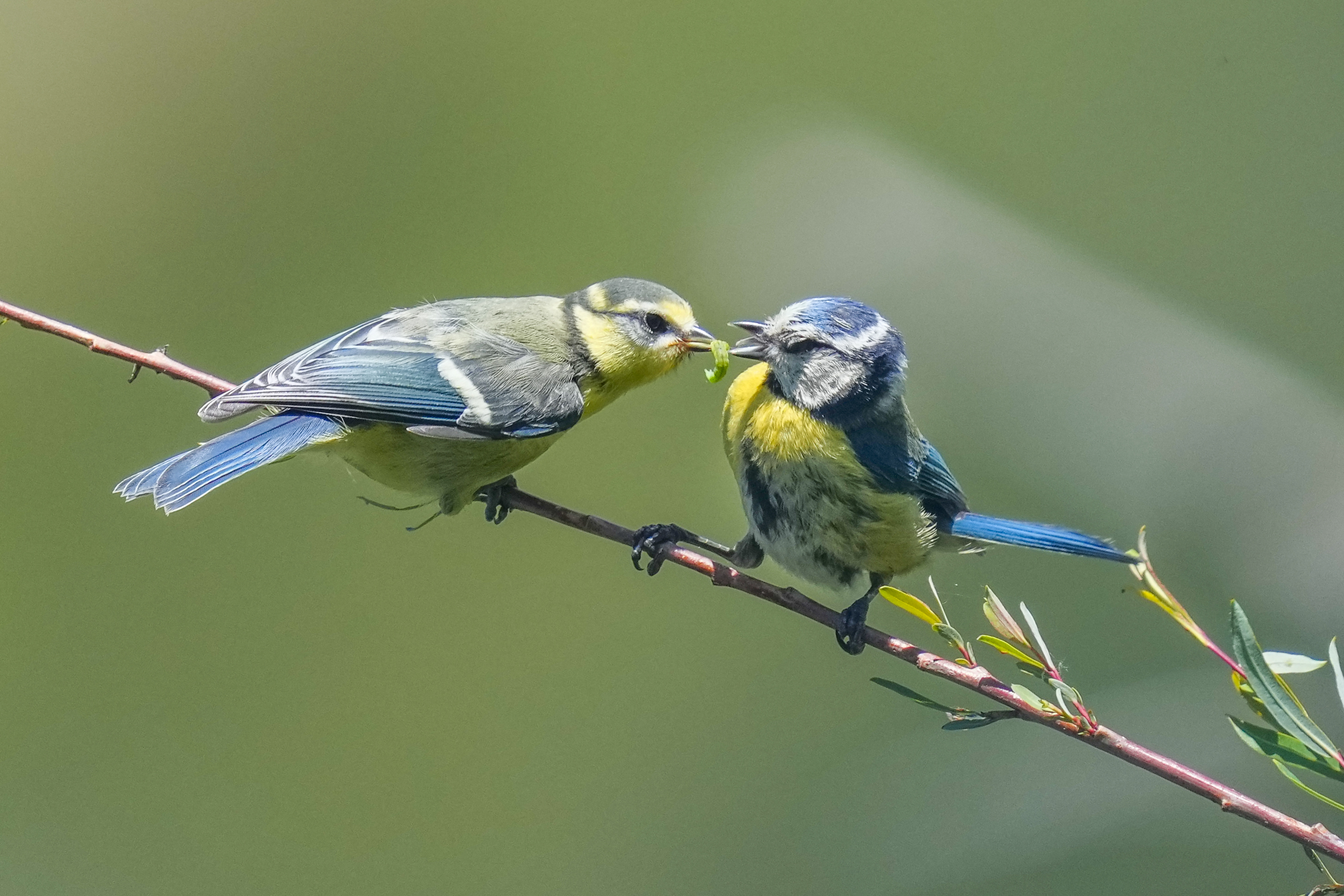
More caterpillars in blue tit diets were linked to heavier nestlings
In a boreal forest near Oulu, researchers compared the nestling diets of five bird species. Blue tits had…
Read story →
Metabolic rate and fitness showed no simple link in Eurasian Blue Tits
In blue tits in southern Sweden, higher spring metabolic rates were marginally associated with a greater chance of…
Read story →
Six microphones helped software detect bird calls in a noisy forest
At Silwood Park in the United Kingdom, a six-microphone array helped BirdNET detect Eurasian Blue Tit calls, especially…
Read story →SPECIES IN THIS STORY
Species in this story
Independent research and conservation news archive
Did you find this information useful?
Wildlife Vagabond is independently built and maintained. Voluntary support helps cover source verification, hosting and continued work on research and conservation news.
Support Wildlife VagabondThe news archive will remain freely available.