
Metabolic rate and fitness showed no simple link in Eurasian Blue Tits
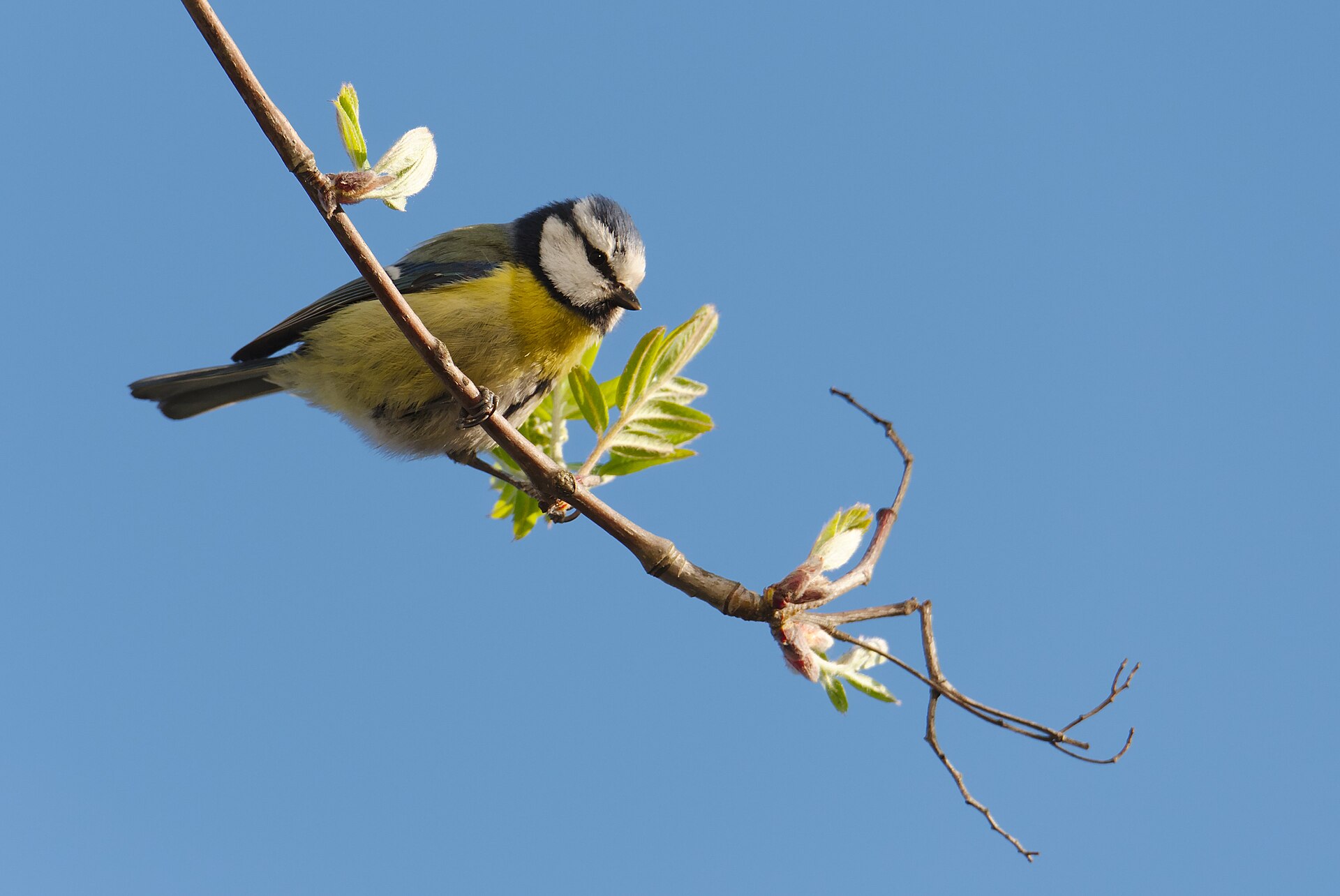
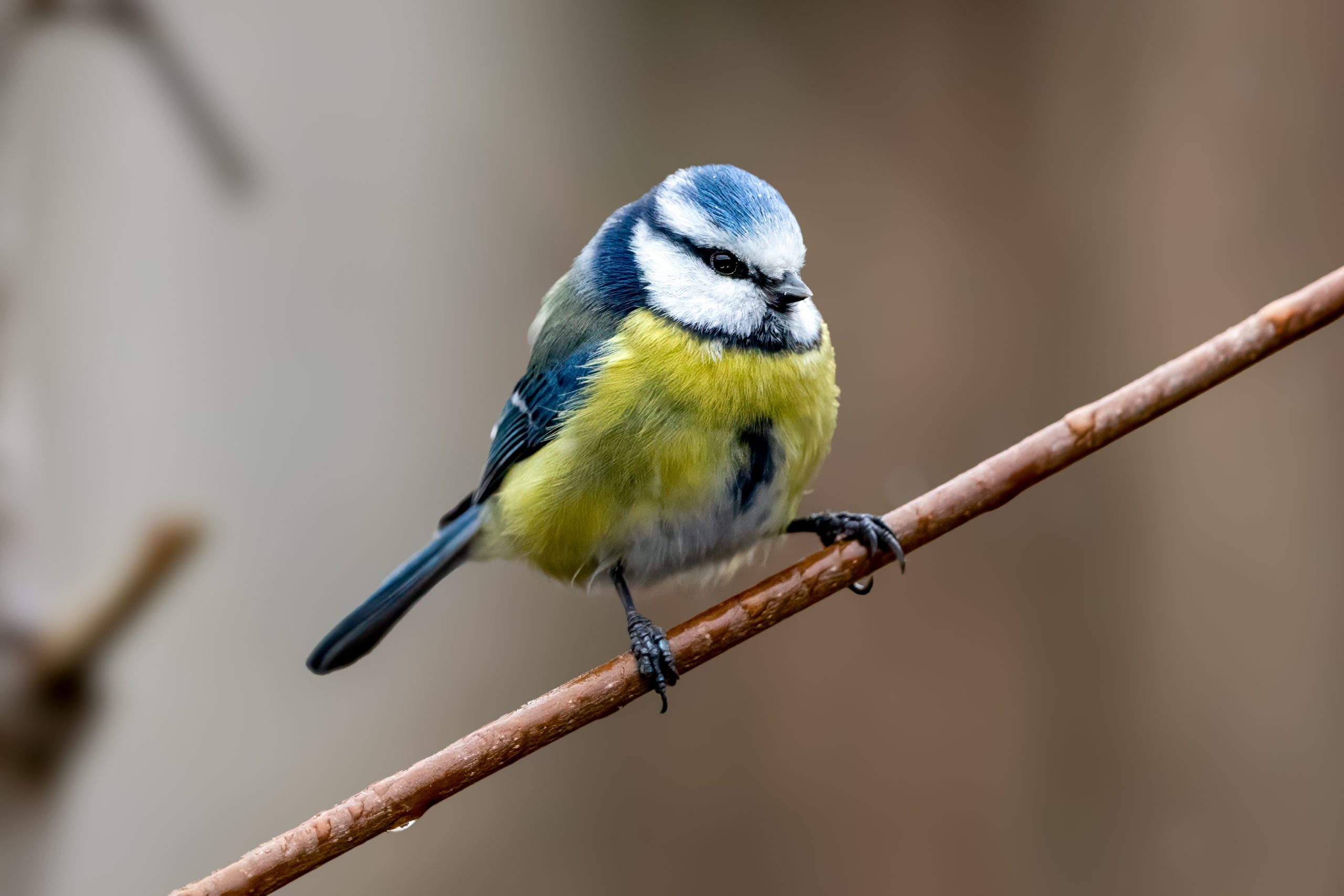
A study of Eurasian Blue Tits (Cyanistes caeruleus) in southern Sweden examined whether metabolic rate was related to apparent survival and breeding outcomes. Researchers measured three aspects of metabolism and monitored whether the birds were seen again to breed and how successful their breeding was.
Basal metabolic rate (BMR) reflects the energy used to maintain basic body functions at rest. The researchers also measured maximum cold-induced metabolic rate (Msum), a bird’s capacity to produce heat during cold exposure, and maximum exercise-induced metabolic rate (MMR), its capacity for intense activity. Together, these measures capture different aspects of how birds use energy.
Three measures were linked, but not identical
All three metabolic rates were positively related: birds with higher values on one measure tended also to have higher values on the others. The relationship between cold-induced and exercise-induced metabolism remained even after body mass was taken into account. MMR also showed repeatable differences between individuals across seasons, meaning that birds tended to retain their relative position on this measure over time.
The links with breeding outcomes were less straightforward. In the breeding data, birds with higher metabolic rates in spring were marginally more likely to return to breed the following year. At the same time, higher metabolic rates were associated with somewhat lower reproductive success. These were modest patterns, not a clear overall relationship between metabolism and fitness.
The contrast matters: metabolic rate did not show a consistent association with every measure of fitness. The differing links with return and reproductive success offer tentative support for context-dependent selection on metabolic traits, rather than a general advantage to having a higher metabolic rate. The study found associations; it did not show that metabolism caused either outcome.
Physiology
Related news
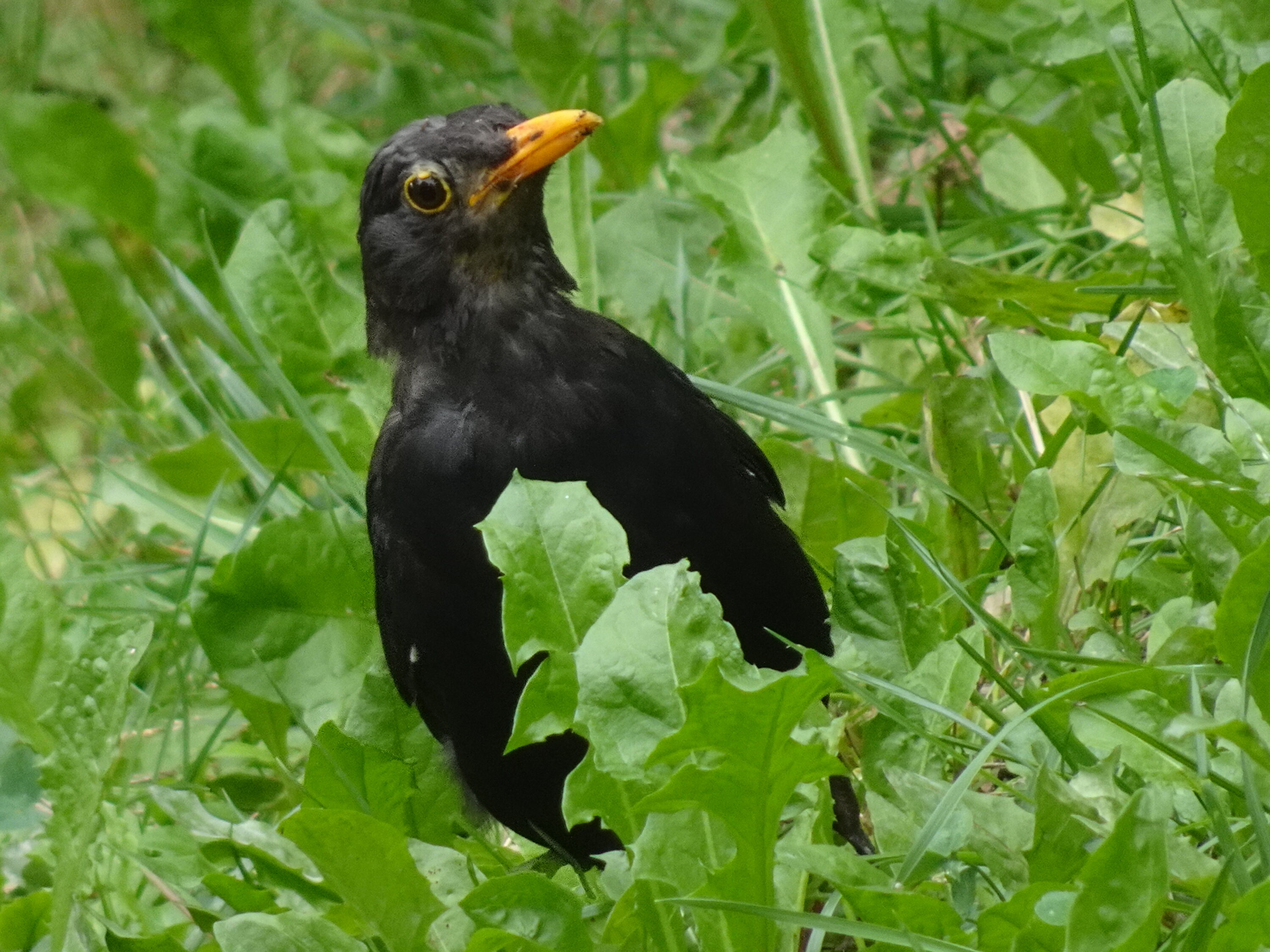
Urban Bird Diversity Was More Strongly Linked to Forest Structure Than the Surrounding City
Across 12 urban forests in three Italian cities, researchers recorded 2,035 birds from 52 species. Local forest structure…
Read story →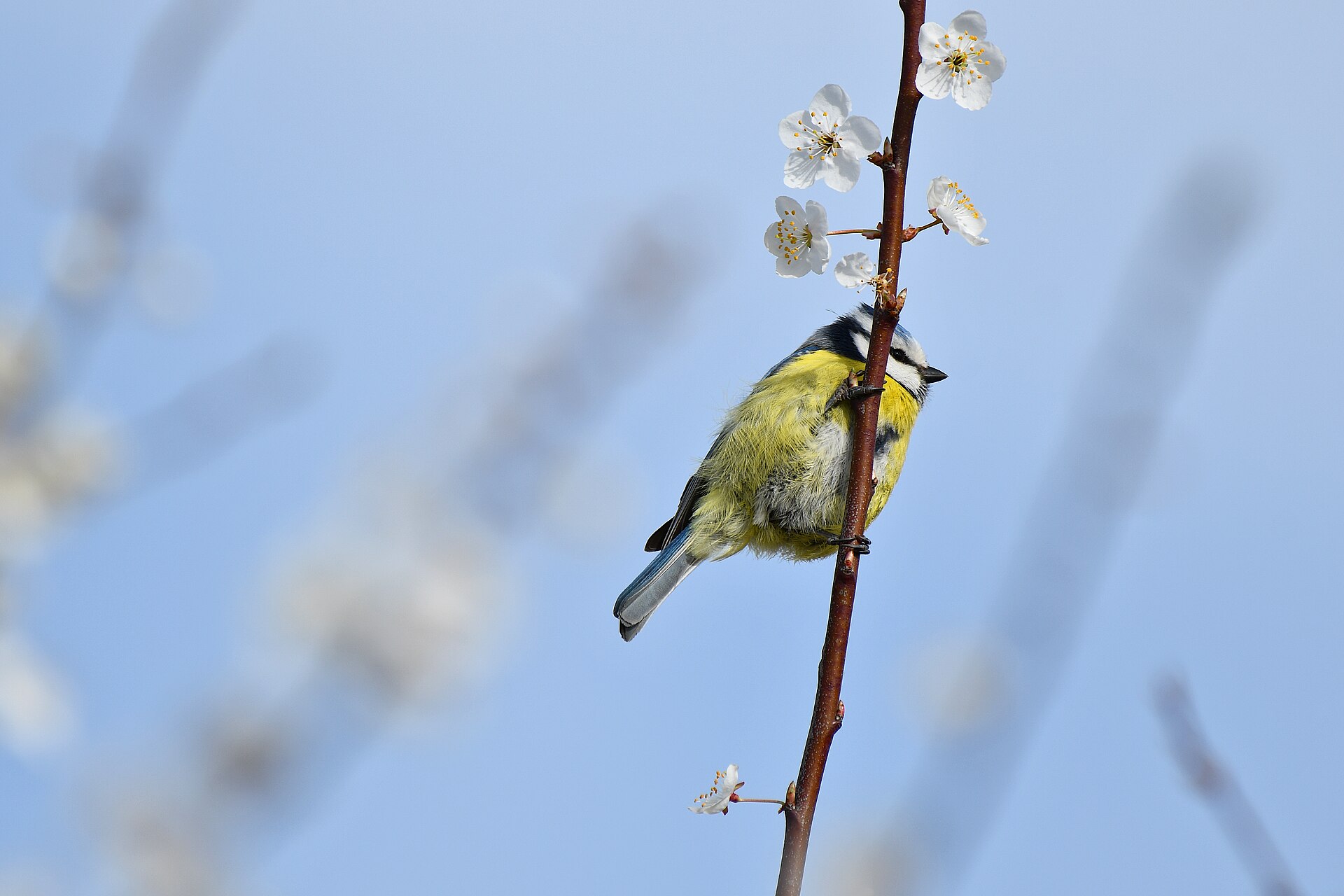
How far young blue tits move from home may be partly inherited—but nest boxes complicate the picture
Across four blue tit populations, estimated heritability of natal dispersal distance was modest and uncertain. Nest-box layout could…
Read story →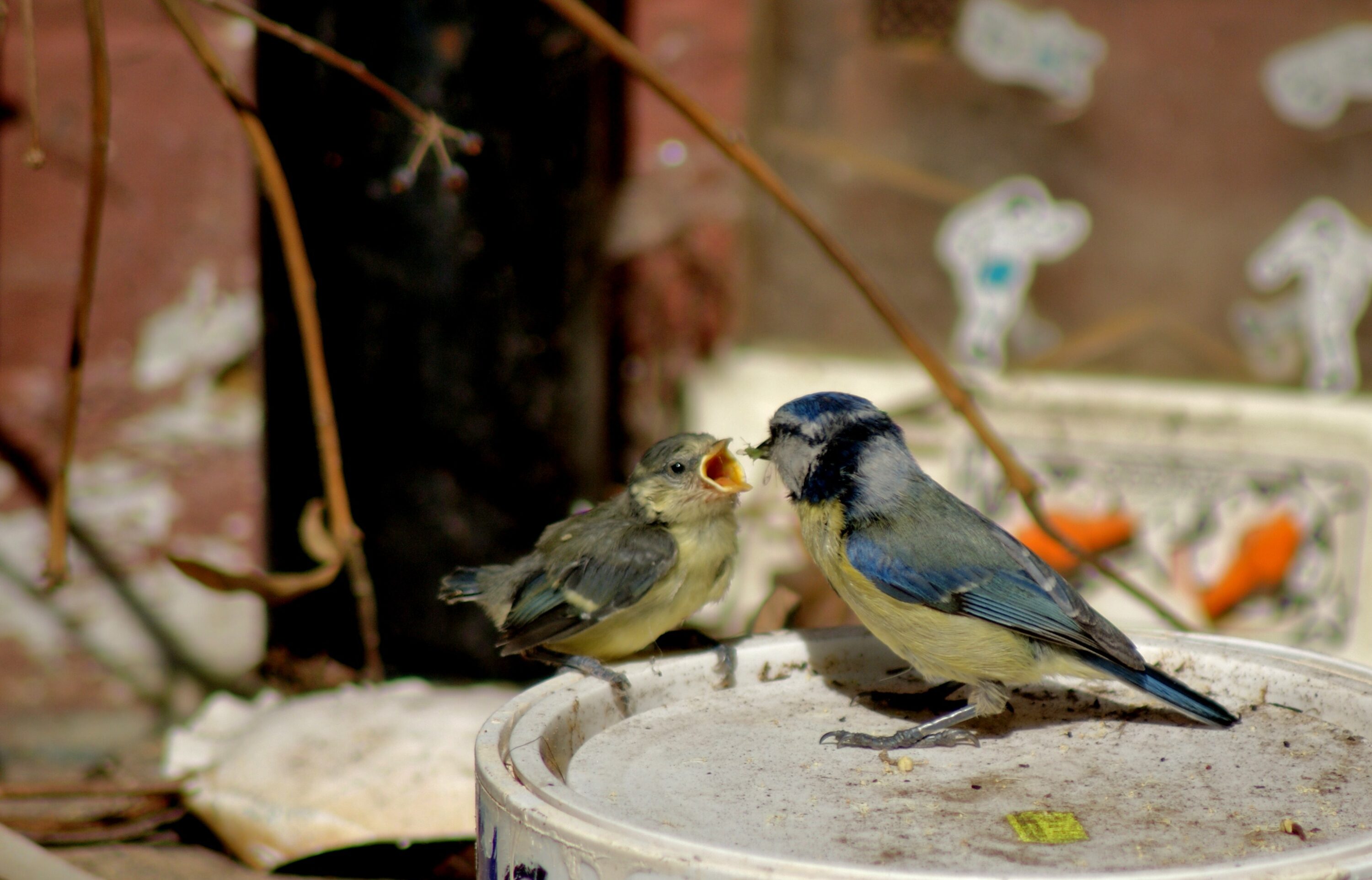
Record May Heatwave Reduced Breeding Success and Nestling Mass in Great Tits and Eurasian Blue Tits
Compared with equivalent parts of the breeding season in 1978–2025, fledgling number declined by 4.5 nestlings in 2026…
Read story →SPECIES IN THIS STORY
Species in this story
Independent research and conservation news archive
Did you find this information useful?
Wildlife Vagabond is independently built and maintained. Voluntary support helps cover source verification, hosting and continued work on research and conservation news.
Support Wildlife VagabondThe news archive will remain freely available.