
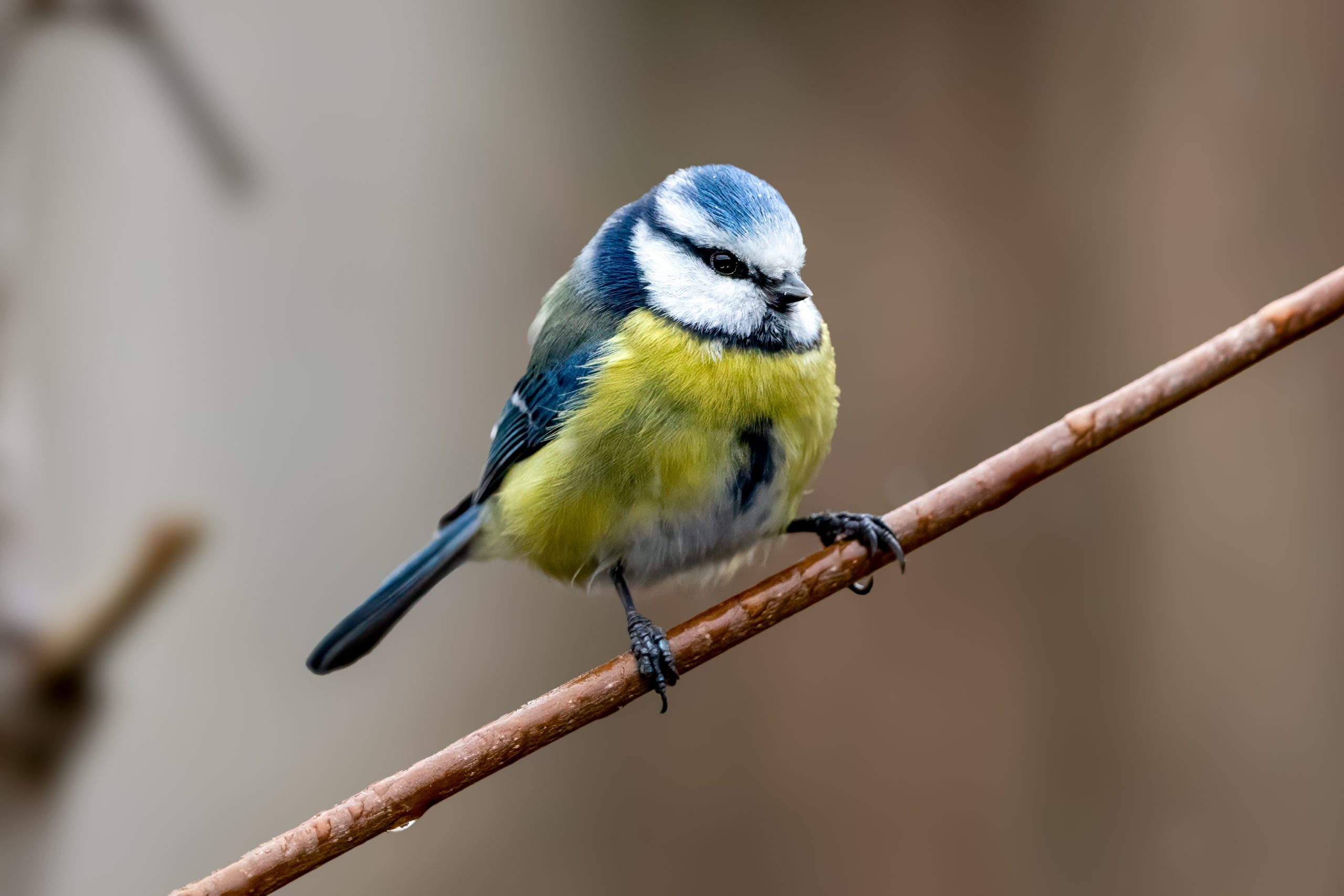
More caterpillars in blue tit diets were linked to heavier nestlings
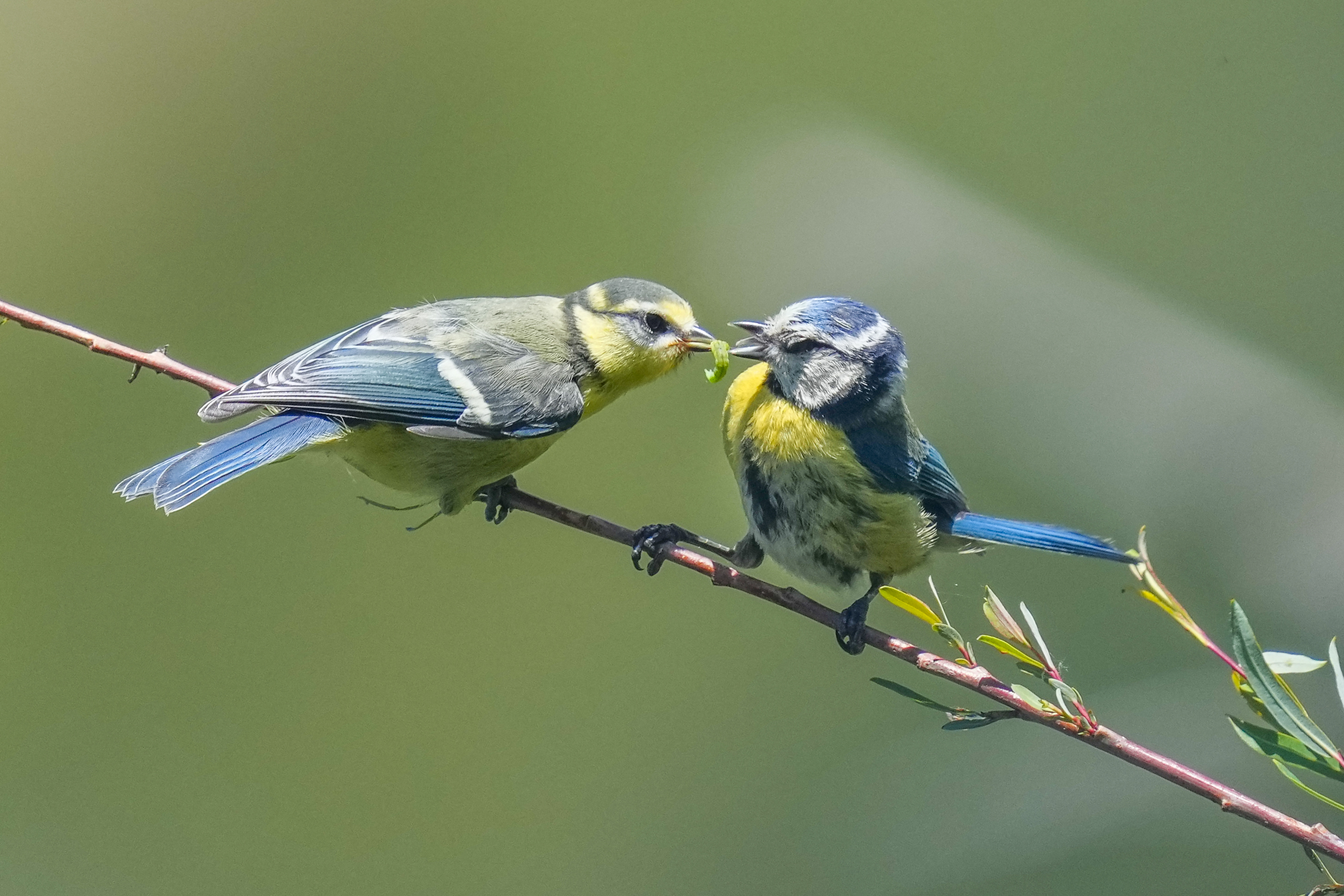
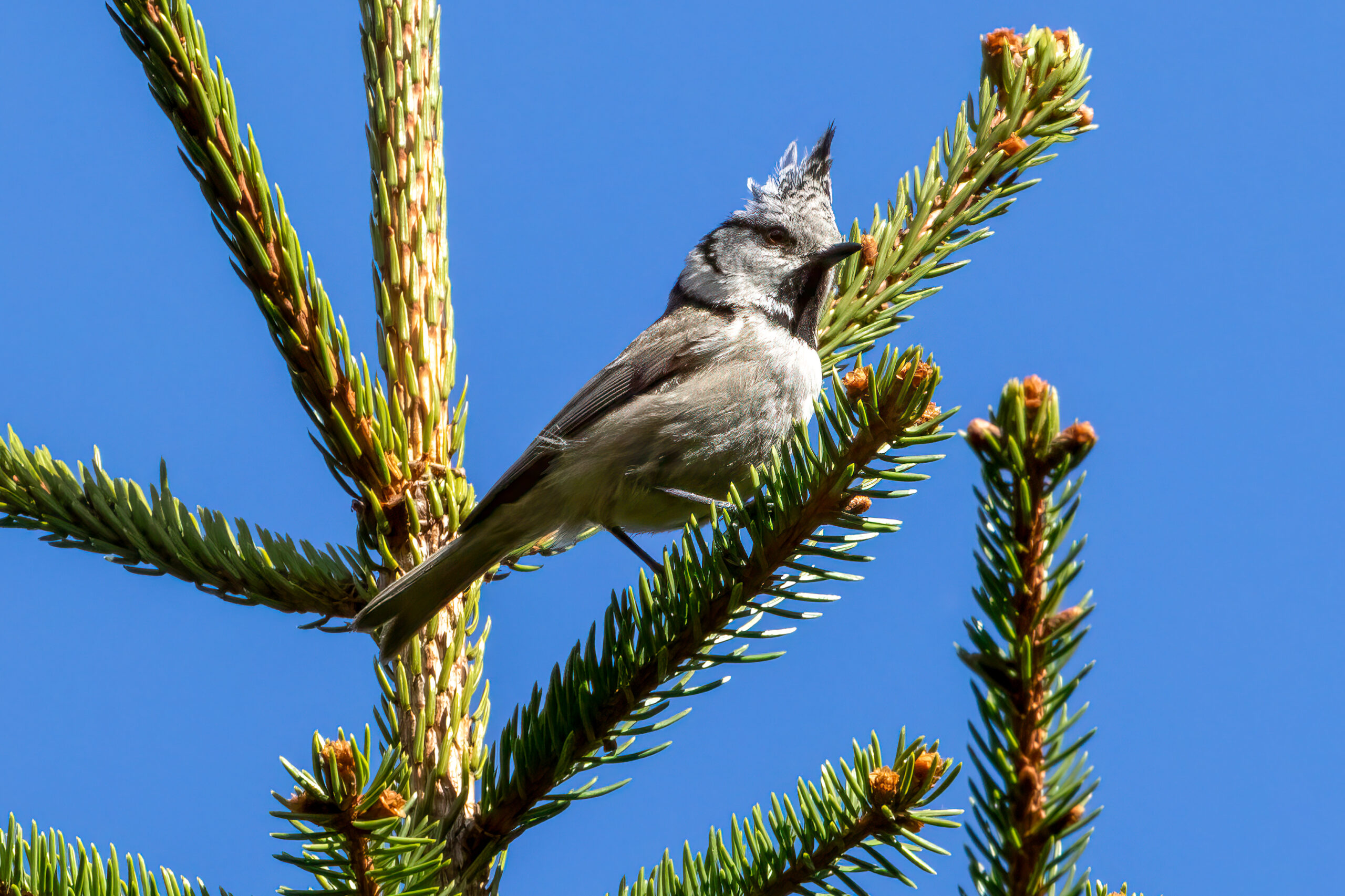
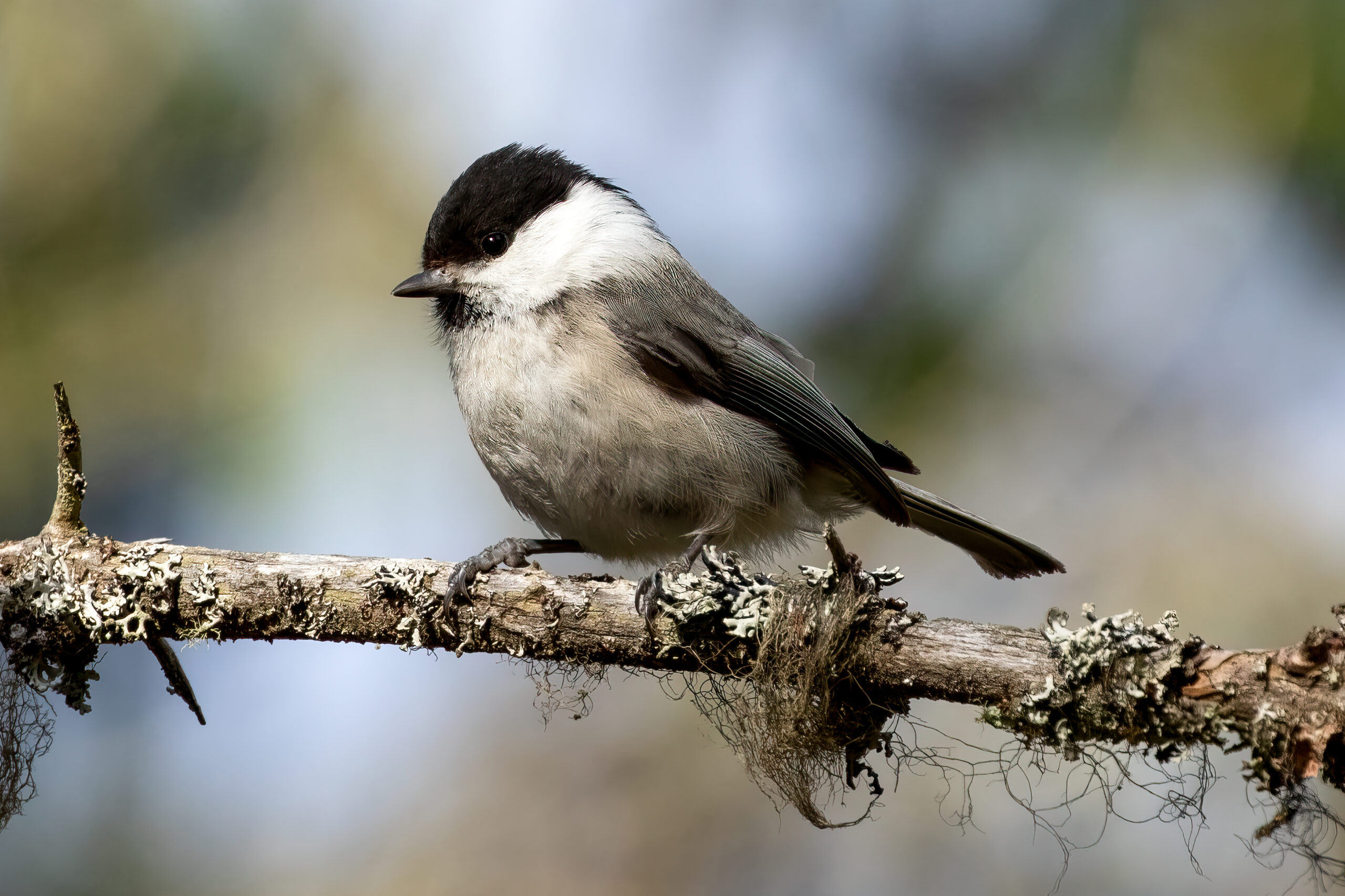
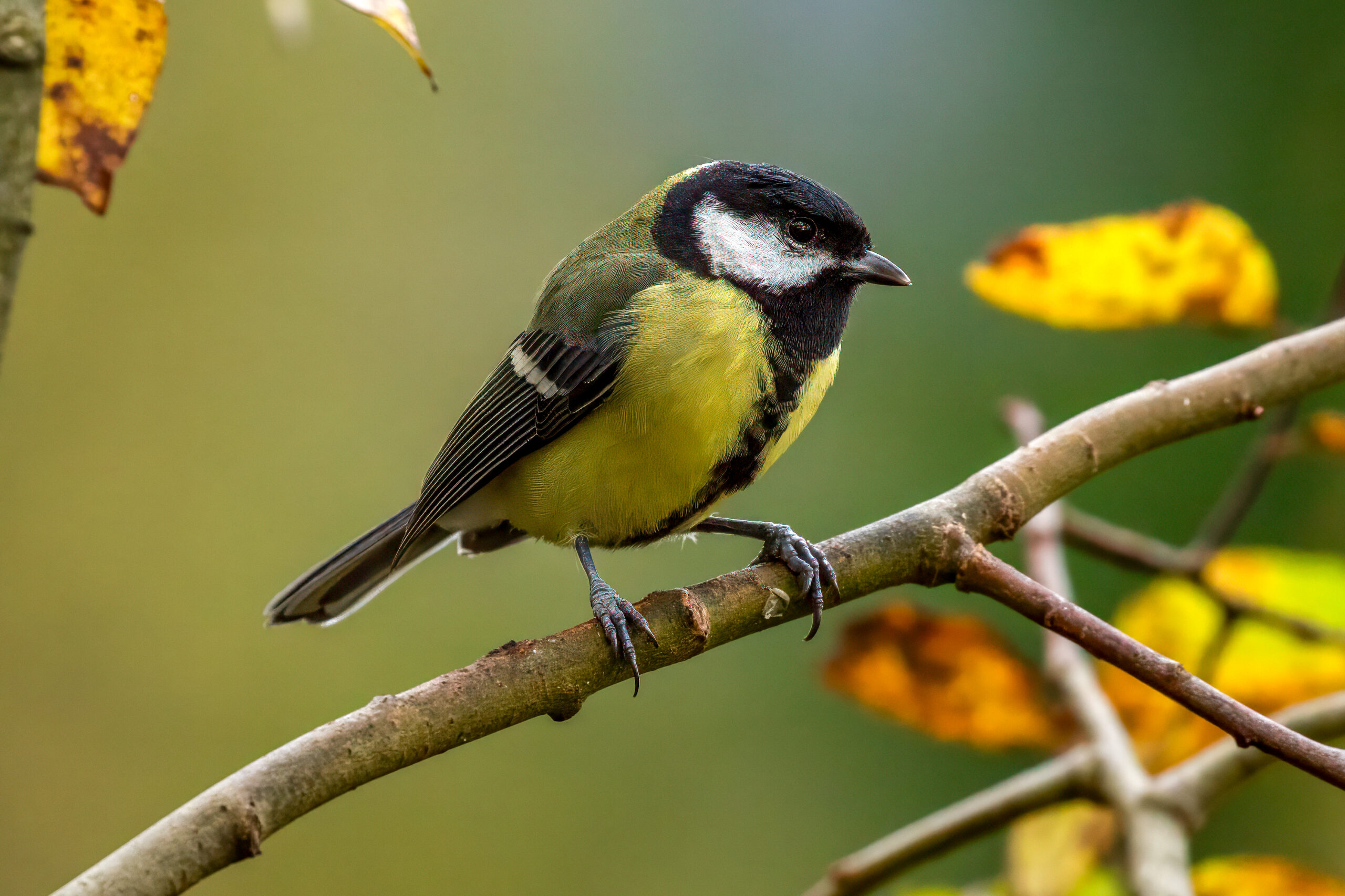
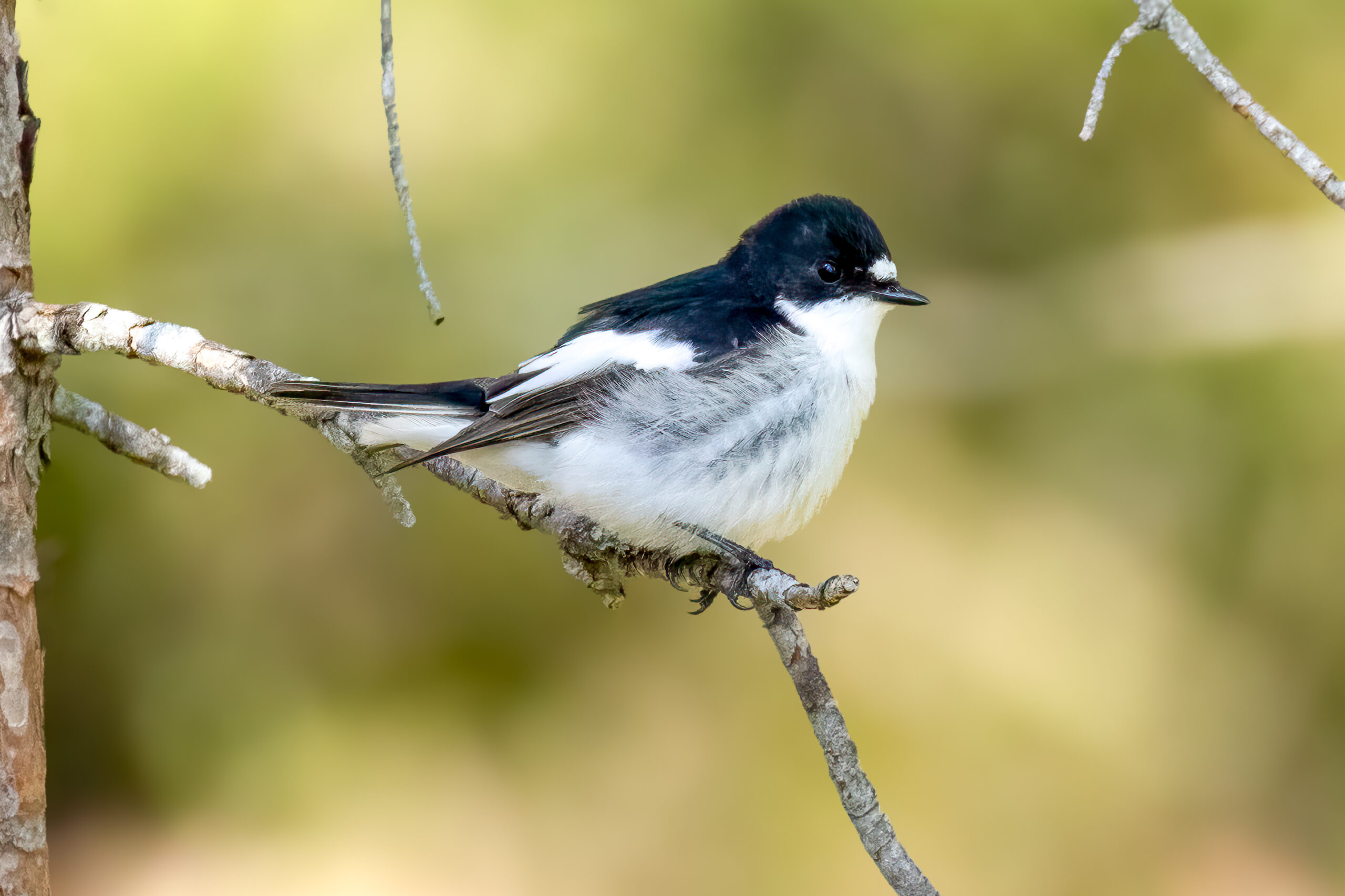
In a boreal forest near Oulu, Finland, five songbird species ate some of the same prey, but their diets—and the links between diet and breeding outcomes—differed. A study published on 5 November 2026 compared the nestling diets of crested tits (Lophophanes cristatus), willow tits (Poecile montanus), blue tits (Cyanistes caeruleus), great tits (Parus major) and pied flycatchers (Ficedula hypoleuca).
Researchers collected pooled faecal samples from broods monitored between 2018 and 2020 and used DNA metabarcoding to identify prey: they matched DNA in the samples to reference sequences from arthropods. The analysis covered 336 brood samples and identified more than 500 distinct prey taxa, most to species level. The researchers compared each brood’s estimated diet with nestling weight and fledging outcomes. Because samples were collected only from broods with living nestlings at the time, nests that had already failed completely were not represented.
Hundreds of prey, but a consistent reliance on caterpillars in blue tits
Moths and butterflies (Lepidoptera) were the largest prey group in all five species’ diets. Their share of relative DNA reads ranged from an average of 56% in pied flycatcher samples to 92% in blue tit samples. These percentages reflect the share of identified prey DNA reads, not the proportion of prey by mass.
Blue tits stood out for the consistency of this pattern: moths and butterflies made up more than 89% of their diet’s DNA reads in each of the three study years. Caterpillars—the larval stage of moths and butterflies—accounted for an average of 79% of prey DNA reads in blue tit diets. The corresponding average was 26% for crested tits. The researchers classified prey as larvae based on whether that species would have been in its larval stage during the relevant period, rather than identifying life stage directly from the DNA.
The other birds ate a broader mix or showed more year-to-year variation. Flies were another notable part of the diet, averaging more than 20% of prey DNA reads in great tit and pied flycatcher samples. Across the five species, diets contained hundreds of prey taxa, and their composition changed between years. Diets overlapped more among birds whose breeding periods coincided more closely, particularly among willow, blue and great tits. Even then, the prey were not interchangeable: the species differed in the particular prey and tree-associated insects found in their diets.
Prey links to breeding outcomes were strongest in blue tits
In blue tits, a greater representation of moths and butterflies, including their larvae, was associated with heavier nestlings and a higher probability that hatched young would fledge. In great tits, it was the share of lepidopteran larvae specifically that was linked to fledging probability, whereas the broader Lepidoptera association was clearest in blue tits. The researchers found no comparable link between particular prey and breeding outcomes in crested tits, willow tits or pied flycatchers. A broader diet, measured by the range of prey types, did not show a clear effect across the breeding measures.
Caterpillars are lipid-rich food for growing nestlings, so their importance may help explain why the blue tit diet tracked nestling weight and fledging outcomes. The study measured associations, however, rather than testing the nutritional effect of particular prey experimentally.
The authors suggest that blue tits and great tits, which expanded their ranges northward more recently, may be less able to make optimal use of the comparatively resource-poor boreal forest than crested tits, willow tits and pied flycatchers. The diet and breeding results are consistent with that interpretation, but do not directly test adaptation. They do show that birds sharing some prey can differ in how their diets relate to breeding outcomes: in this study, the clearest association was between a larva-rich diet and better nestling condition and fledging in blue tits.
Ecology
Related news
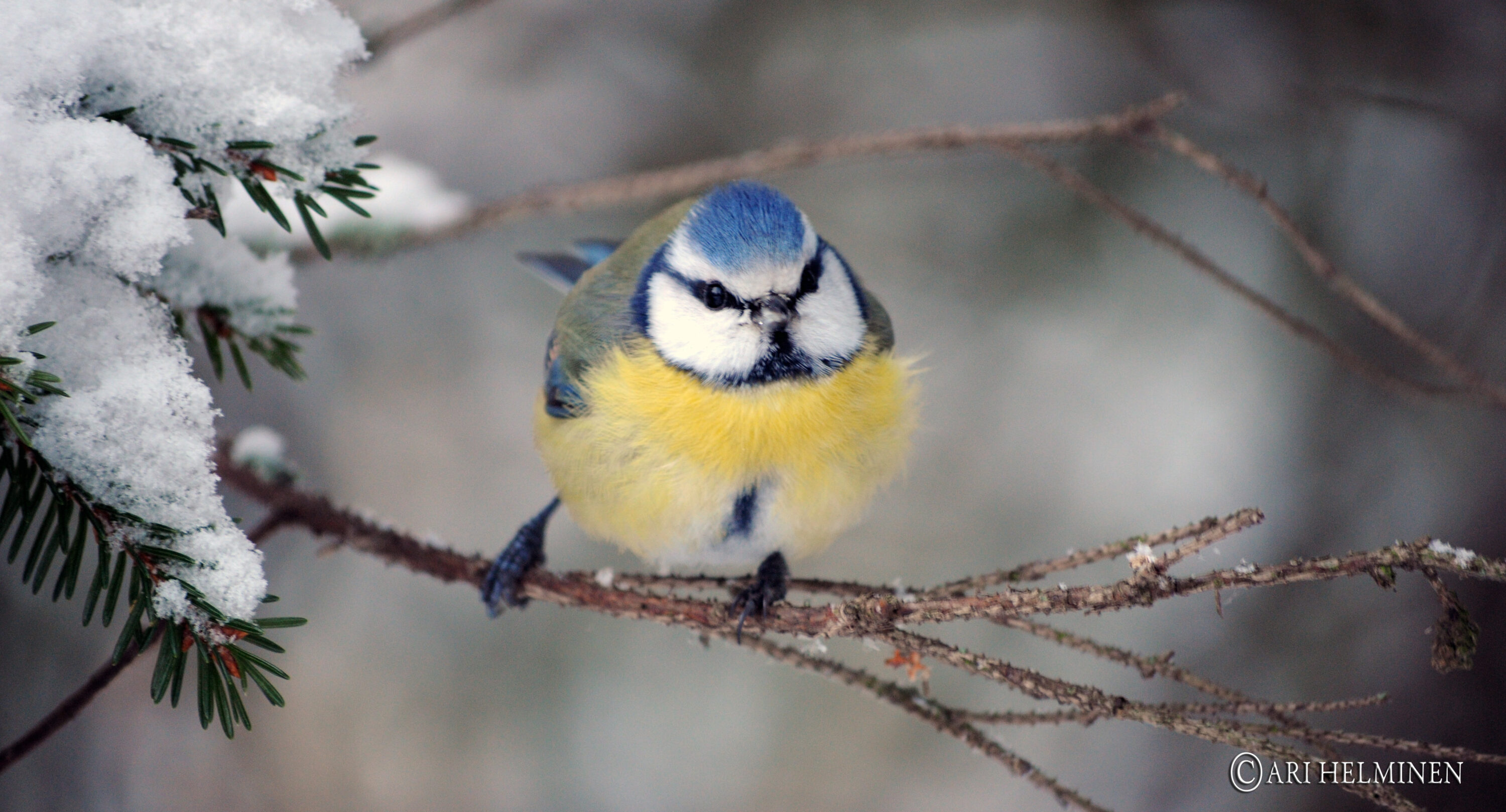
Mean Eurasian Blue Tit Winter Count Rose Fourfold in Finnish Urban Survey Plots
Across 31 Finnish settlements, mean Eurasian blue tit counts rose from 2.8 birds per standardised urban plot in…
Read story →
Urban Bird Diversity Was More Strongly Linked to Forest Structure Than the Surrounding City
Across 12 urban forests in three Italian cities, researchers recorded 2,035 birds from 52 species. Local forest structure…
Read story →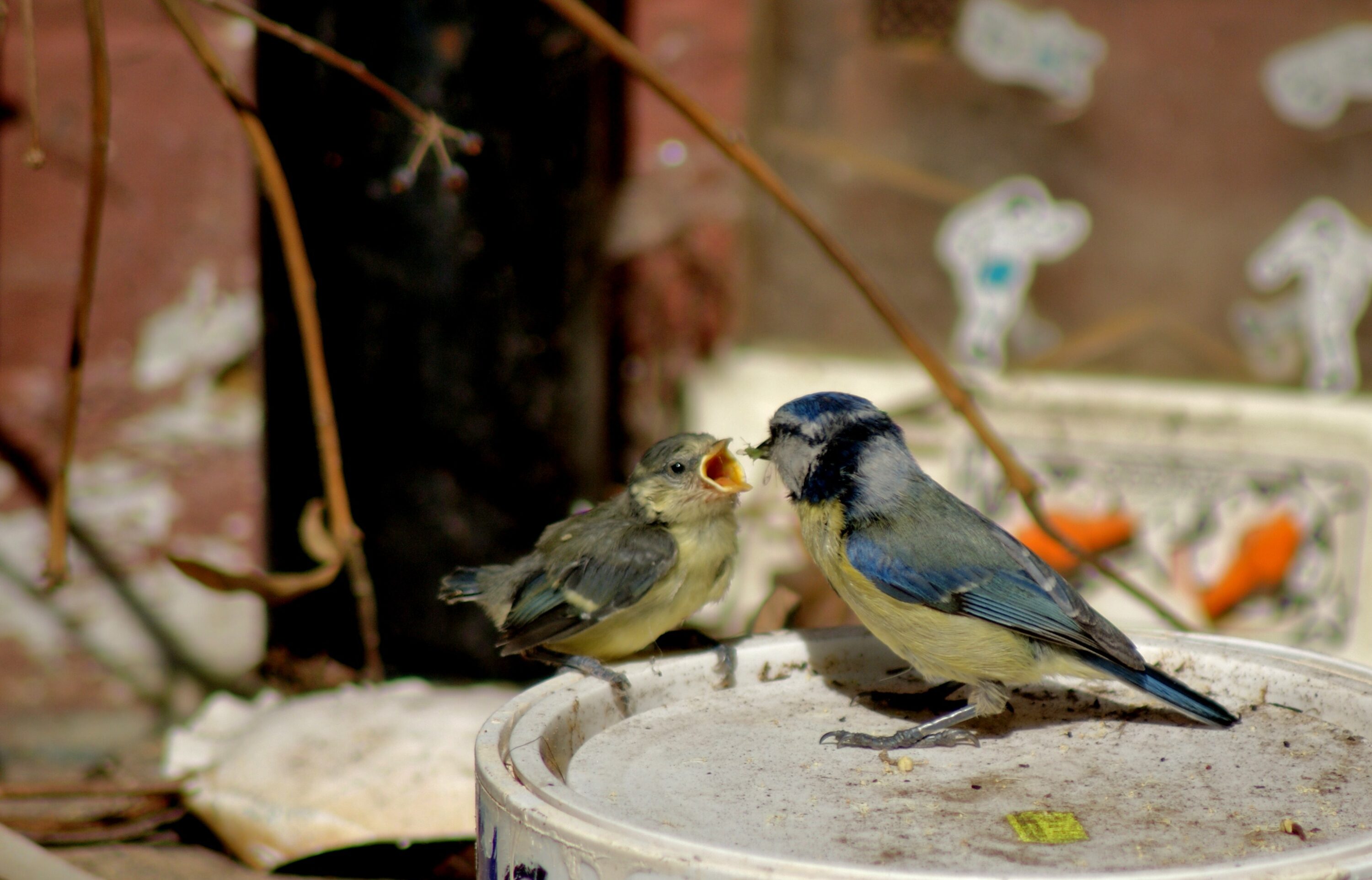
Record May Heatwave Reduced Breeding Success and Nestling Mass in Great Tits and Eurasian Blue Tits
Compared with equivalent parts of the breeding season in 1978–2025, fledgling number declined by 4.5 nestlings in 2026…
Read story →SPECIES IN THIS STORY
Species in this story
Independent research and conservation news archive
Did you find this information useful?
Wildlife Vagabond is independently built and maintained. Voluntary support helps cover source verification, hosting and continued work on research and conservation news.
Support Wildlife VagabondThe news archive will remain freely available.