
Six microphones helped software detect bird calls in a noisy forest
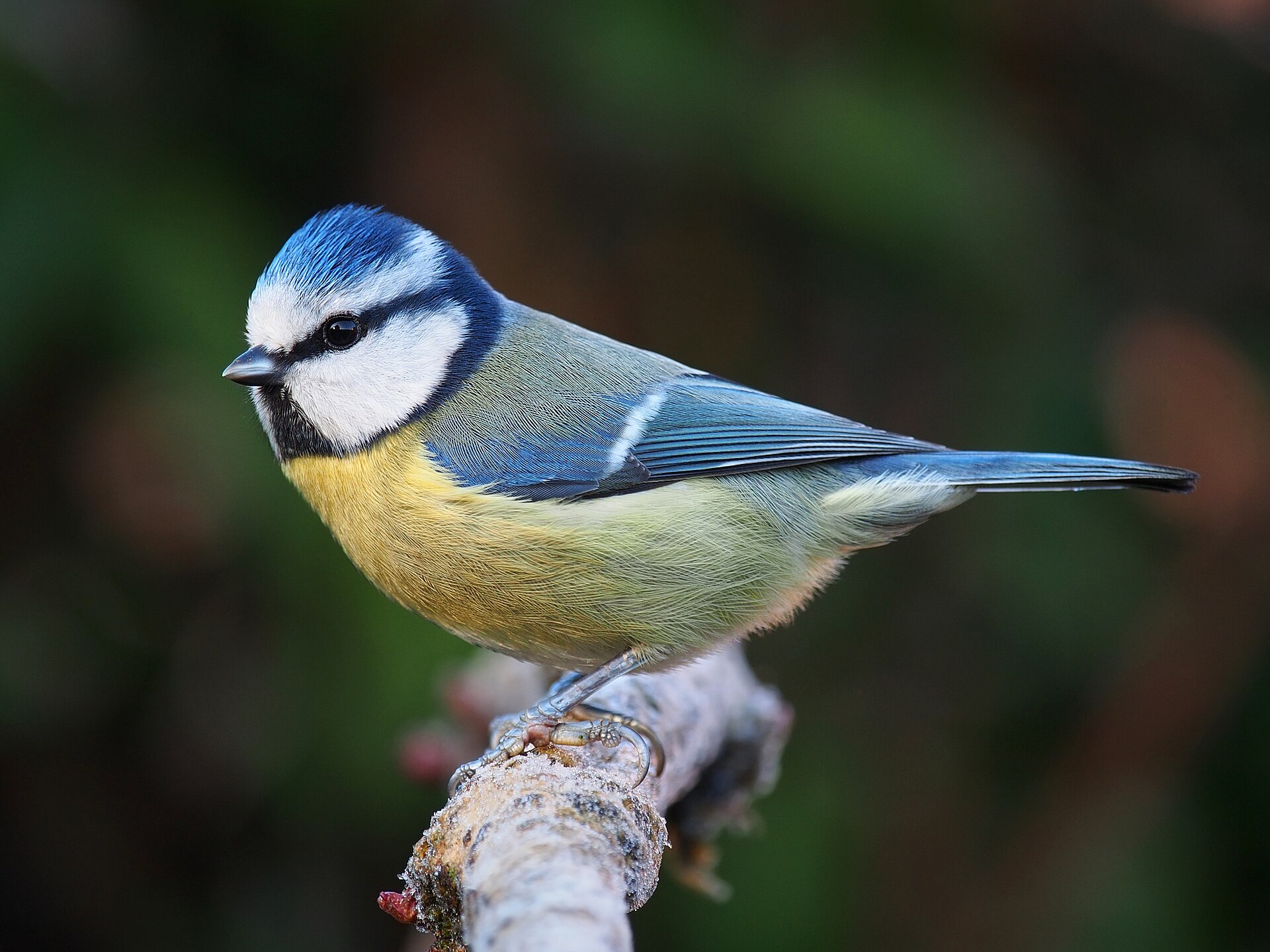
Automated acoustic monitoring can record wildlife without an observer being present, but forest noise can mask bird calls and make them harder for detection software to identify. At Silwood Park in the United Kingdom, researchers tested whether processing recordings from six microphones together could help BirdNET 2.4 detect calls from the Eurasian Blue Tit (Cyanistes caeruleus).
The researchers compared two ways of configuring the microphone array. Both used impulse responses: measurements of how sound from a particular position reaches the microphones. One set was measured in a laboratory; the other in the forest, where reflections and other features of the surroundings alter the sound. The researchers used these measurements in beamforming, a way of combining microphone signals to favor sound arriving from a chosen direction and reduce competing noise. They also compared the results with a single microphone and with a simple average of the microphone channels.
In forest playback tests, the team broadcast 1,680 Blue Tit calls from distances of 1 to 64 metres, with 240 calls at each distance. Both beamforming approaches generally improved detection or BirdNET’s confidence in a detection compared with the single-microphone baseline. The forest-measured setup increased the number of detected calls at 16, 32 and 64 metres; the laboratory-measured setup did so at 16 and 32 metres. At 64 metres, detections were scarce, so confidence differences could not be tested reliably.
The researchers also tested calls against recorded forest noise in a controlled, multi-speaker sound environment, varying the signal-to-noise ratio from +30 to −30 decibels. Across matched challenge levels in these tests and the forest playbacks, mean confidence rose by 0.15 with forest-measured responses and by 0.11 with laboratory-measured responses. The forest-based advantage was statistically supported, but modest. Simply averaging the microphone channels often performed worse than using one microphone: more microphones helped only when their signals were combined in a way that retained useful directional information.
A separate 33-minute recording captured naturally occurring forest sounds rather than loudspeaker playbacks. Only two species met the study’s detection criteria: the Eurasian Wren (Troglodytes troglodytes) and Eurasian Green Woodpecker (Picus viridis). Both beamforming approaches increased BirdNET’s confidence for calls from both species, and the laboratory-measured setup produced the most detections of each. Simple averaging lowered confidence for the wren. This contrast shows that forest-specific measurements did not outperform laboratory measurements in every test. The authors see measured-response beamforming as a way to improve automated call detection in challenging soundscapes, with laboratory measurements offering a practical alternative when measurements at a particular site are unavailable.
Ecology
Related news
Metabolic rate and fitness showed no simple link in Eurasian Blue Tits
In blue tits in southern Sweden, higher spring metabolic rates were marginally associated with a greater chance of…
Read story →
Do bright hindwings protect moths from bird predators?
A touchscreen experiment with wild Eurasian Blue Tits found no survival advantage for digital prey whose bright hindwings…
Read story →
Urban Bird Diversity Was More Strongly Linked to Forest Structure Than the Surrounding City
Across 12 urban forests in three Italian cities, researchers recorded 2,035 birds from 52 species. Local forest structure…
Read story →SPECIES IN THIS STORY
Species in this story


Independent research and conservation news archive
Did you find this information useful?
Wildlife Vagabond is independently built and maintained. Voluntary support helps cover source verification, hosting and continued work on research and conservation news.
Support Wildlife VagabondThe news archive will remain freely available.