
H5N1-infected black-headed gulls showed damage across several organs
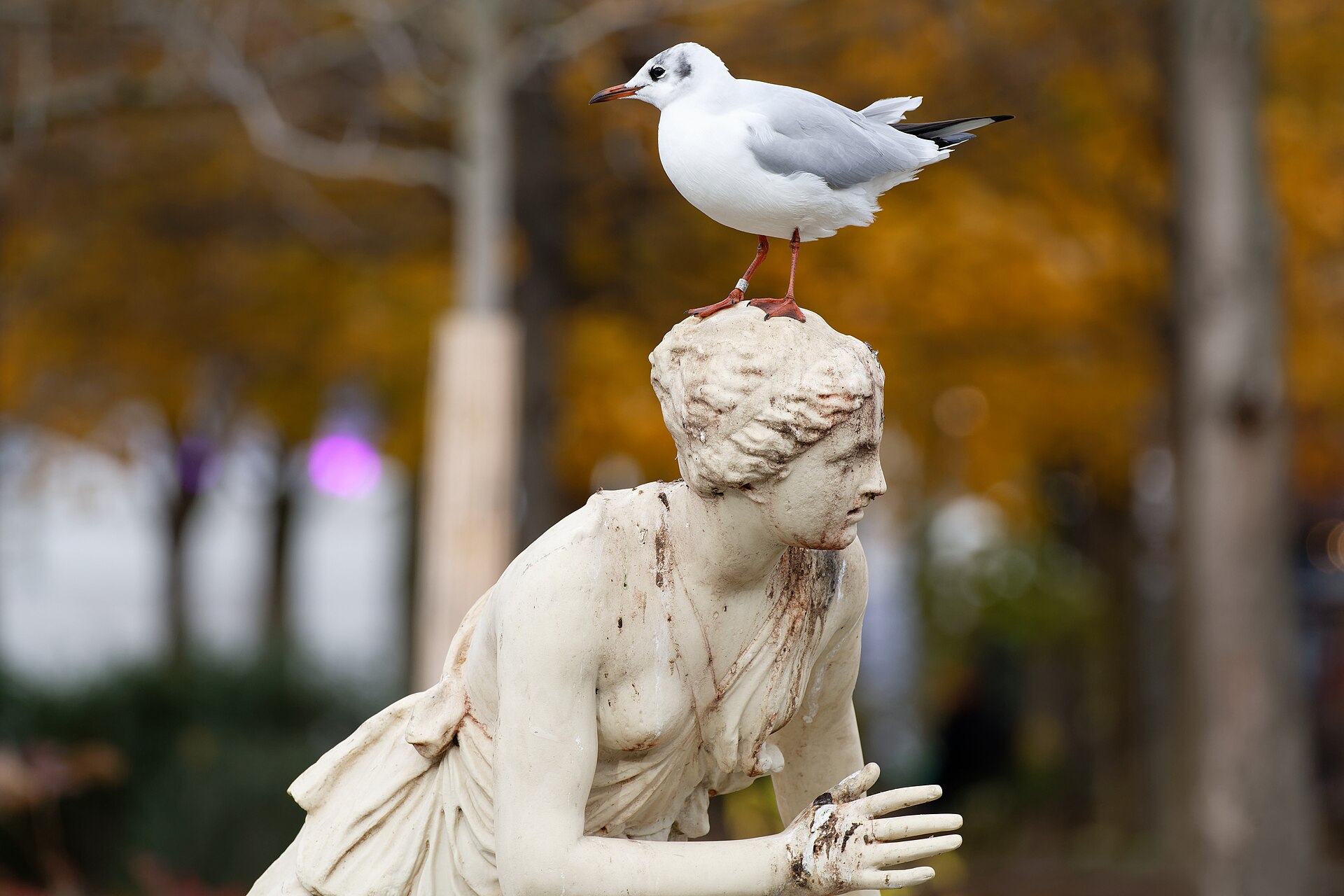
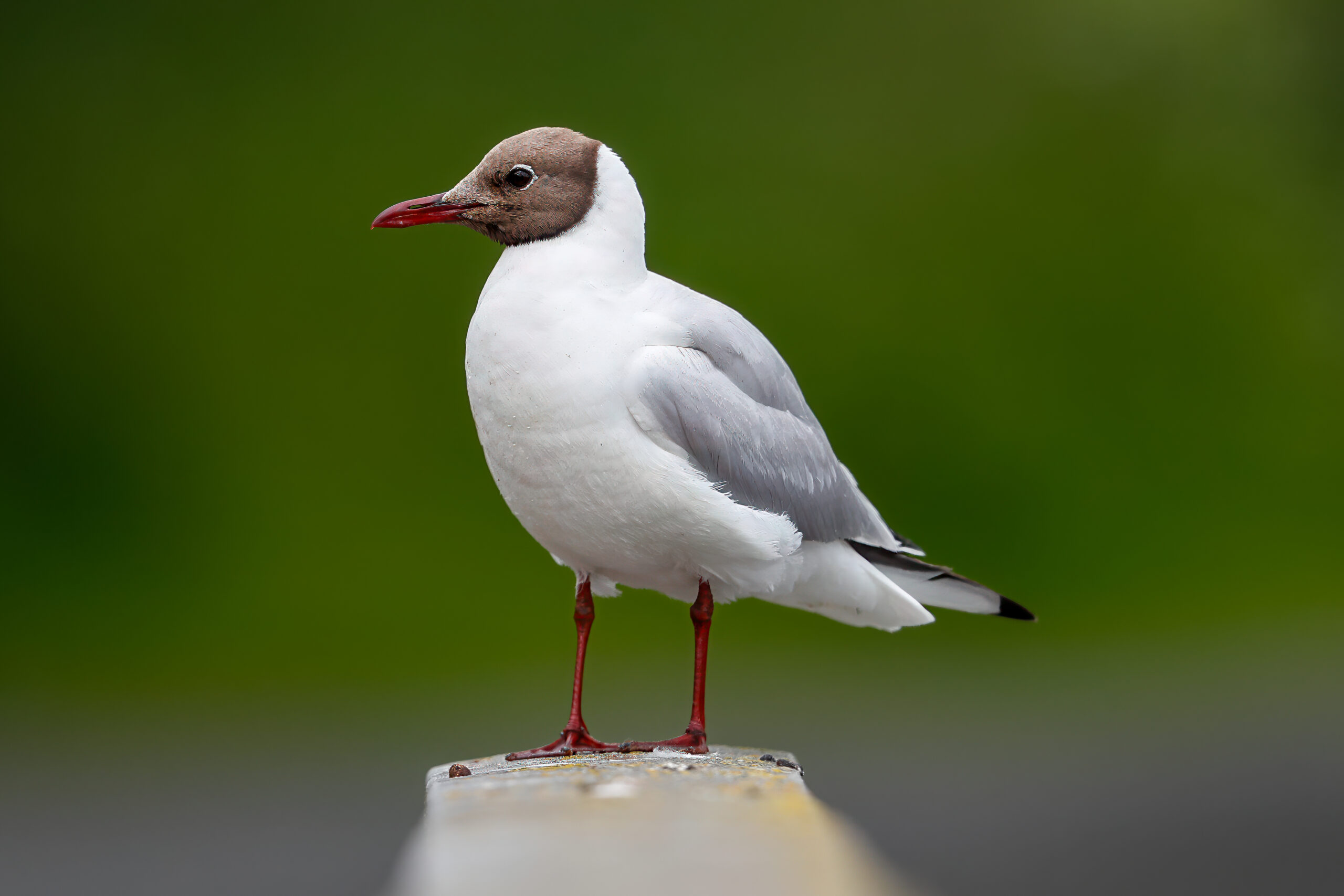
Adult black-headed gulls (Chroicocephalus ridibundus) naturally infected with highly pathogenic H5N1 avian influenza showed signs of illness, and tissue damage was found in several organs. The birds were examined in Poland during the 2023 breeding season. The findings add observations from naturally infected adults to a body of research that the authors say has relied mainly on experimental infections in juvenile birds.
Signs of illness and damage across the body
The study compiled 112 clinical observations and 383 post-mortem examinations of visible changes in the body. Researchers also examined tissues from 40 birds under a microscope, an approach called histopathology. Reported signs included lethargy, poor coordination (ataxia) and localized bluish discoloration of the skin, especially on the legs and abdomen. Respiratory distress was not reported, although tissue examination revealed congestion in all examined lung samples.
Necrosis, or tissue death, was reported in all examined heart samples and in 95% of liver samples. Degeneration—structural deterioration of tissue—was found in the kidneys, ovaries and testes. Kidney degeneration was reported in 78% of samples. Together, these findings show tissue involvement across several organ systems.
Body mass was reported to be 17% lower in males and 9% lower in females than multi-year averages.
Gonadal lesions may affect reproduction
Ovarian degeneration was reported in 83% of examined ovary samples, and accumulations of inflammatory cells in 75%. In the testes, degeneration was reported in 91% of samples and inflammatory-cell infiltrates in 41%. The study also describes damage to seminiferous tubules, where sperm develop.
The authors interpret the gonadal lesions as a possible threat to breeding cycles and longer-term reproductive success. Because the study did not measure whether the infected gulls bred successfully, this remains a potential consequence of the observed tissue damage.
Disease, parasites & microbiology
Related news
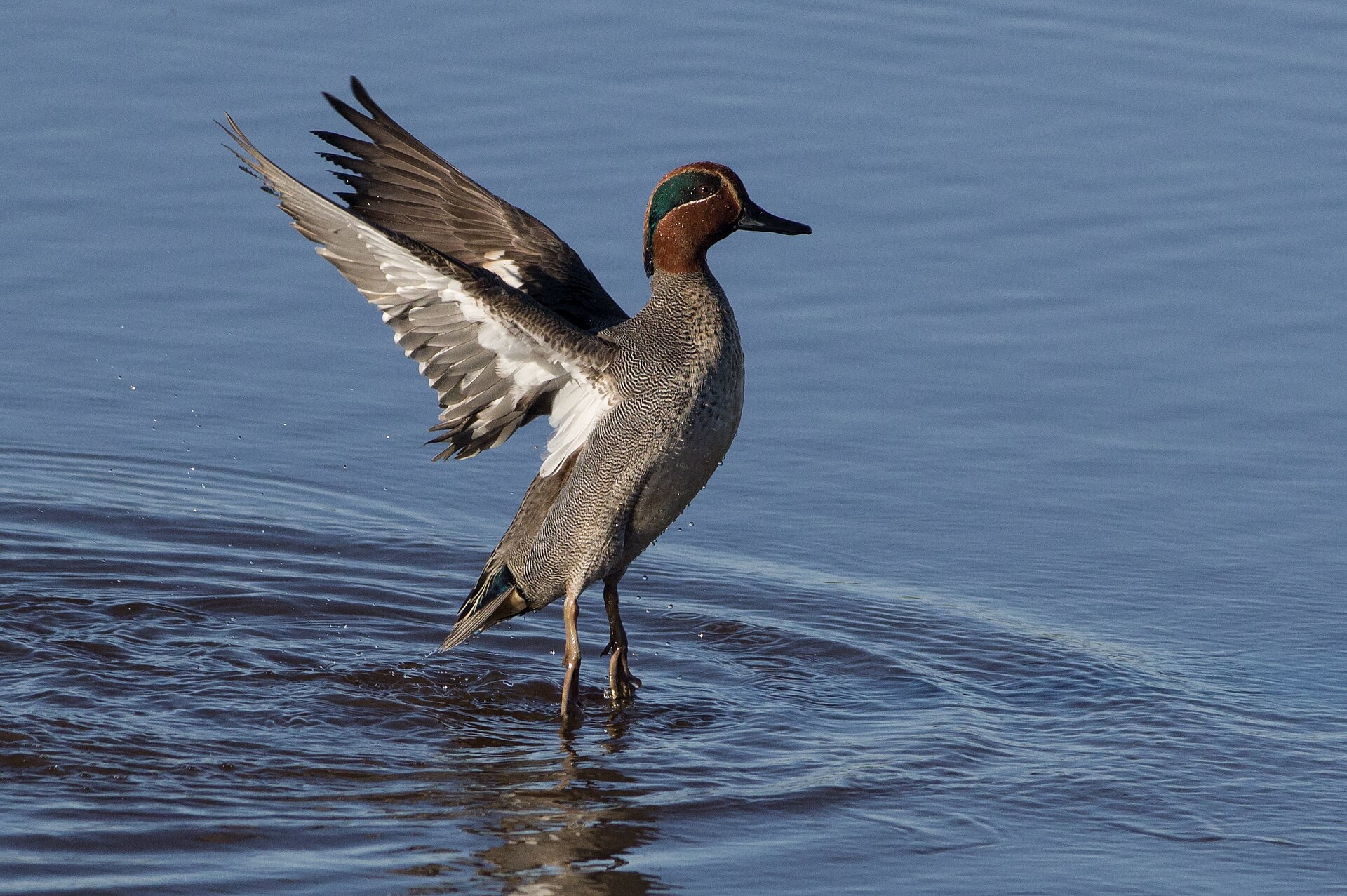
More wintering waterbirds were counted in Caorle Lagoon, but the species mix shifted
Across 29 January surveys in northeastern Italy, researchers recorded nearly 948,000 waterbirds. Counts and diversity rose, but species…
Read story →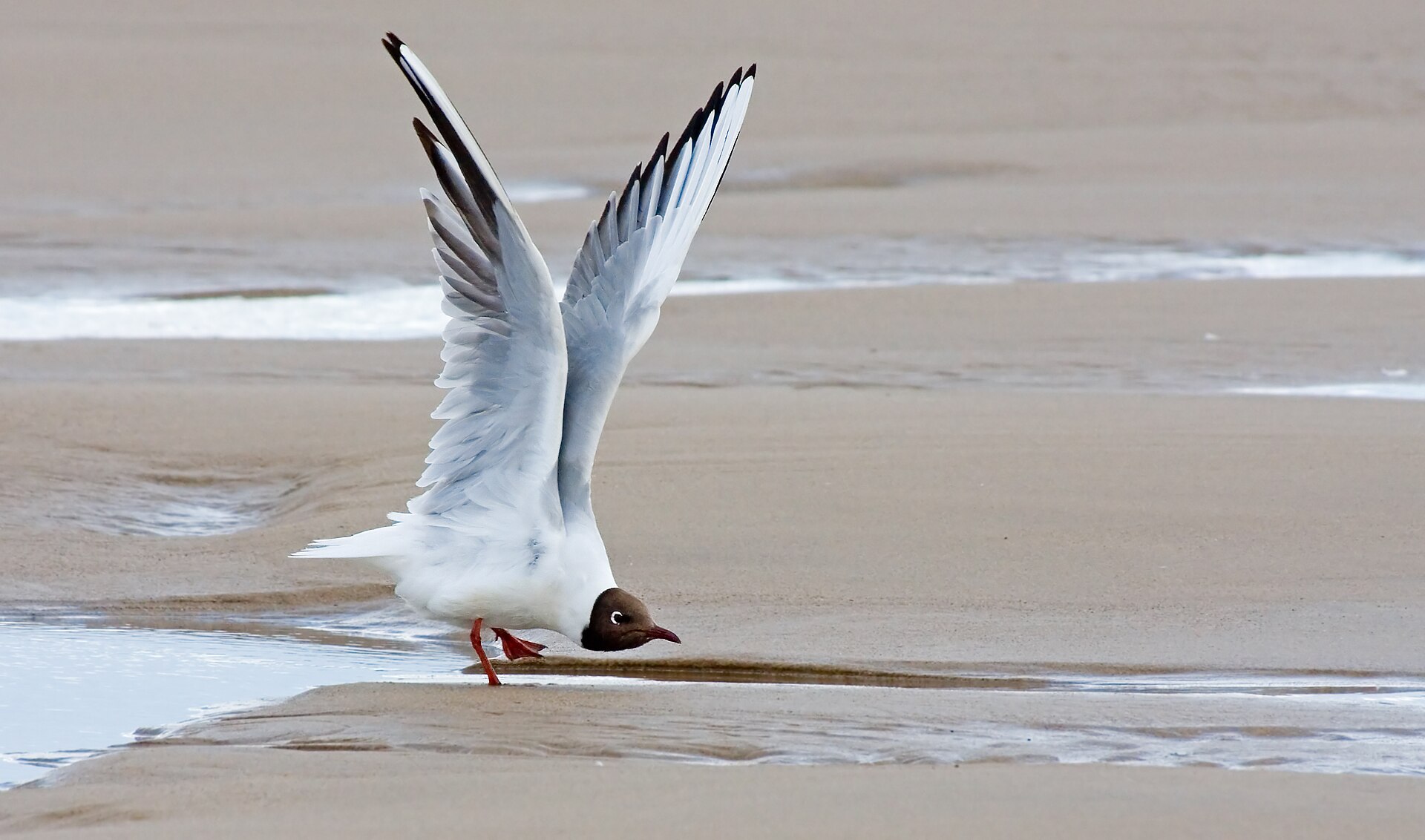
Black-headed Gulls linked protected and unprotected wetlands in Morocco
GPS tracking of post-breeding gulls from Spain connected 26 Moroccan wetlands. Several unprotected sites ranked among the network’s…
Read story →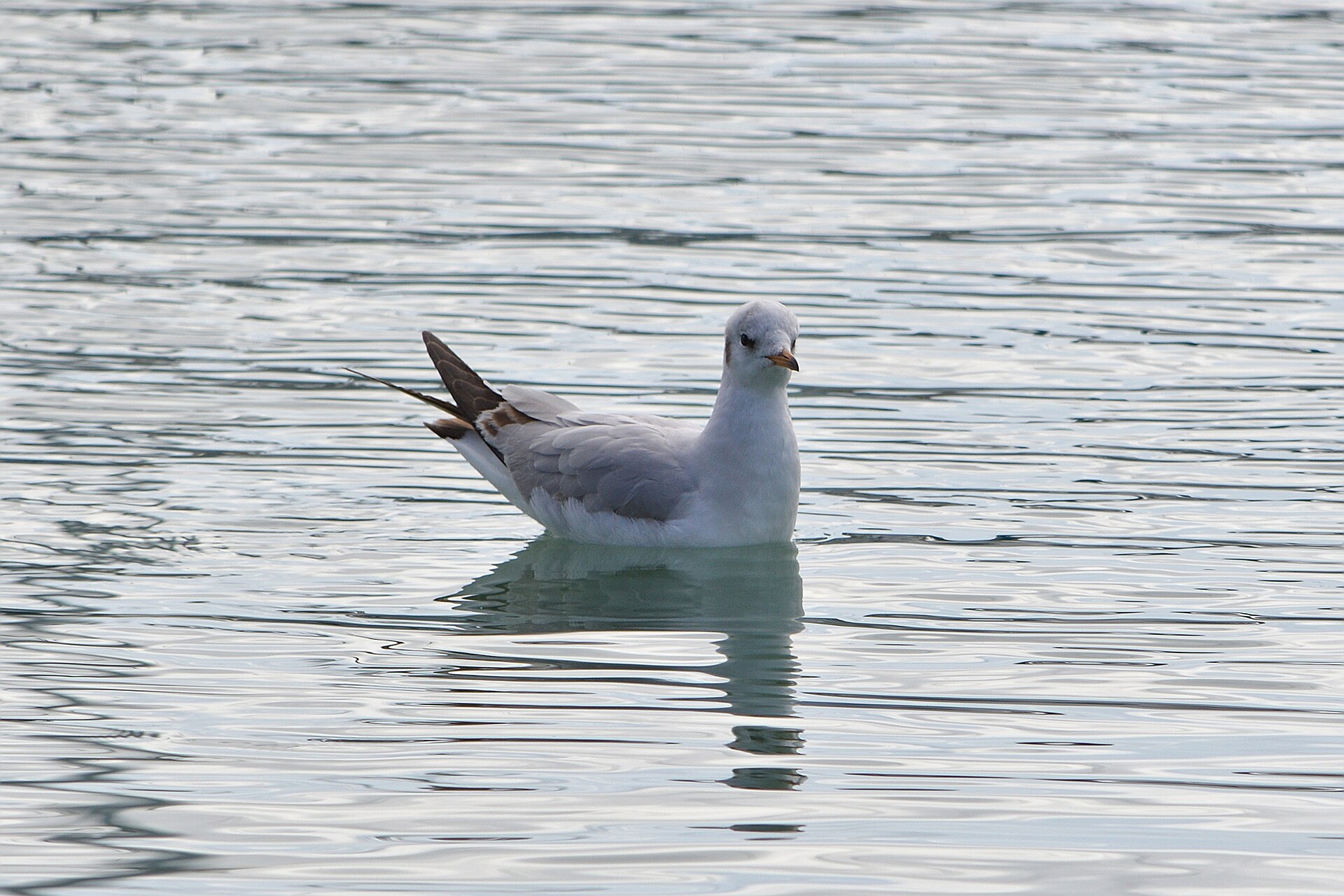
DDT and PCBs remain detectable in Baltic Black-headed Gull eggs
All 60 eggs sampled at two German Baltic colonies contained DDT-related compounds and PCBs. DDE predominated, pointing mainly…
Read story →SPECIES IN THIS STORY
Species in this story
Independent research and conservation news archive
Did you find this information useful?
Wildlife Vagabond is independently built and maintained. Voluntary support helps cover source verification, hosting and continued work on research and conservation news.
Support Wildlife VagabondThe news archive will remain freely available.