
Bee-eaters stopped using a new nesting site after poor breeding seasons
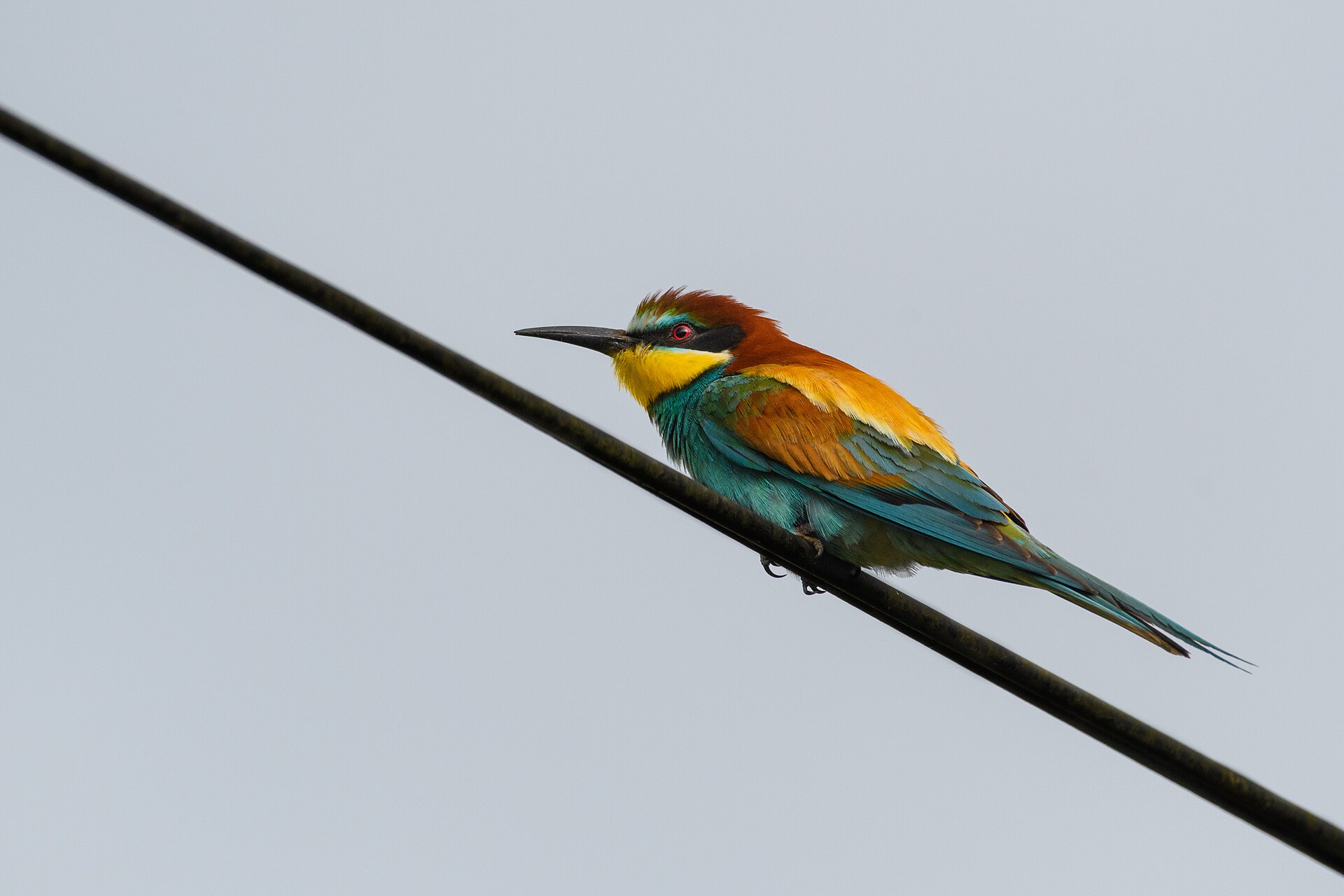
European Bee-eaters (Merops apiaster) began nesting at a new site by the Trebbia River near Bobbio in northern Italy in 2020, digging 37 nest holes. Only two became active nests, and most of the other attempts failed. A five-year follow-up tracked how the site was used as breeding continued. It also raises a question about the birds’ apparent attraction to one another: would that group association persist after poor breeding, or would use of the site become limited to birds tied to that particular nesting place?
From 2020 to 2025, the author recorded monthly maximum counts of birds seen together, along with newly dug holes, active nests and fledglings. These bird counts are minimum numbers of visitors, not a full count of all birds using the site. Because observations were irregular, they could not reveal every bird’s movements.
Fewer birds used the site after breeding faltered
The two active nests remained in use through 2023, but the number of fledglings fell from four in 2020 to one in 2022 and one in 2023. After the widespread nesting failure in 2020, the birds seen at the site in June and July were largely the breeding pairs and their fledglings. No new holes or active nests were recorded after 2023, and the author saw no bee-eaters there in June, July or August in 2024 or 2025.
Active-nest counts at a nearby colony, 10.5 kilometres downstream, showed no comparable change over the same period. This contrast points to declining use of this particular site rather than a matching change at the nearby colony.
The author interprets the pattern as a shift from group fidelity—remaining with or following other bee-eaters—to fidelity to a nesting site. In this account, successful breeders may have encouraged a few birds to keep using the site, while failed attempts discouraged most others from returning. The observations are consistent with this interpretation, but do not establish that breeding outcomes caused the birds to leave. Individual identities and whether the same pairs returned were inferred rather than confirmed.
Behaviour
Related news
Usutu Virus RNA Was Found Nearly Three Times as Often as West Nile Virus RNA in Southern France
Among 2,533 wild birds from 69 species in southern France, Usutu virus RNA was detected in 12.0% and…
Read story →
Microplastics Were Found in 77 of 559 Pellets From Eight Italian Bird Species
An Italian study found 78 microplastic items in 77 of 559 bird pellets. Occurrence was significantly higher at…
Read story →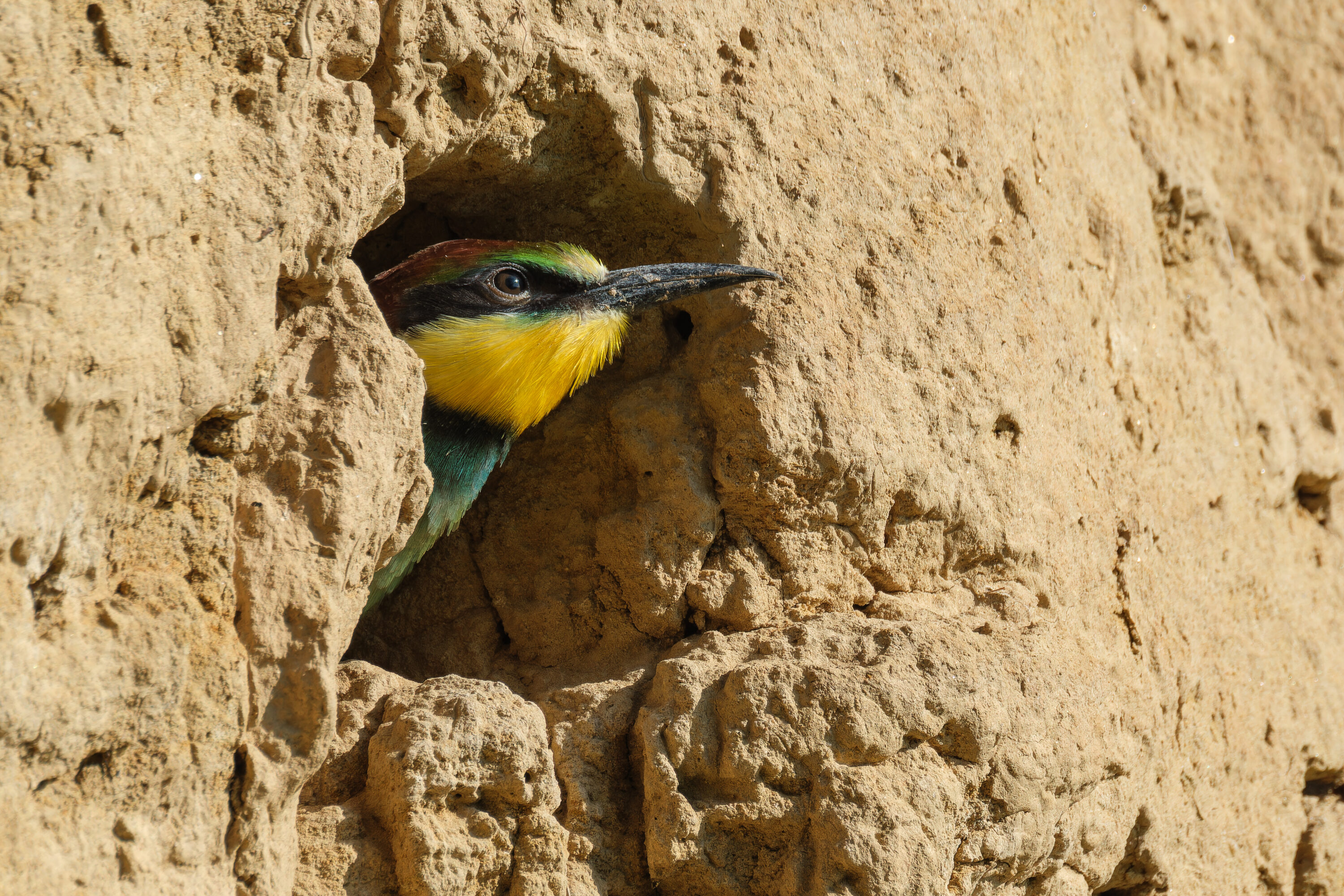
Brown-throated Martins Reused European Bee-eater Burrows and Mobbed a Snake at One Nest
A short communication from Morocco reports three cases of brown-throated martins roosting or nesting in disused European bee-eater…
Read story →SPECIES IN THIS STORY
Species in this story
Independent research and conservation news archive
Did you find this information useful?
Wildlife Vagabond is independently built and maintained. Voluntary support helps cover source verification, hosting and continued work on research and conservation news.
Support Wildlife VagabondThe news archive will remain freely available.