
Berlin’s red squirrels show genetic differences across urban green spaces
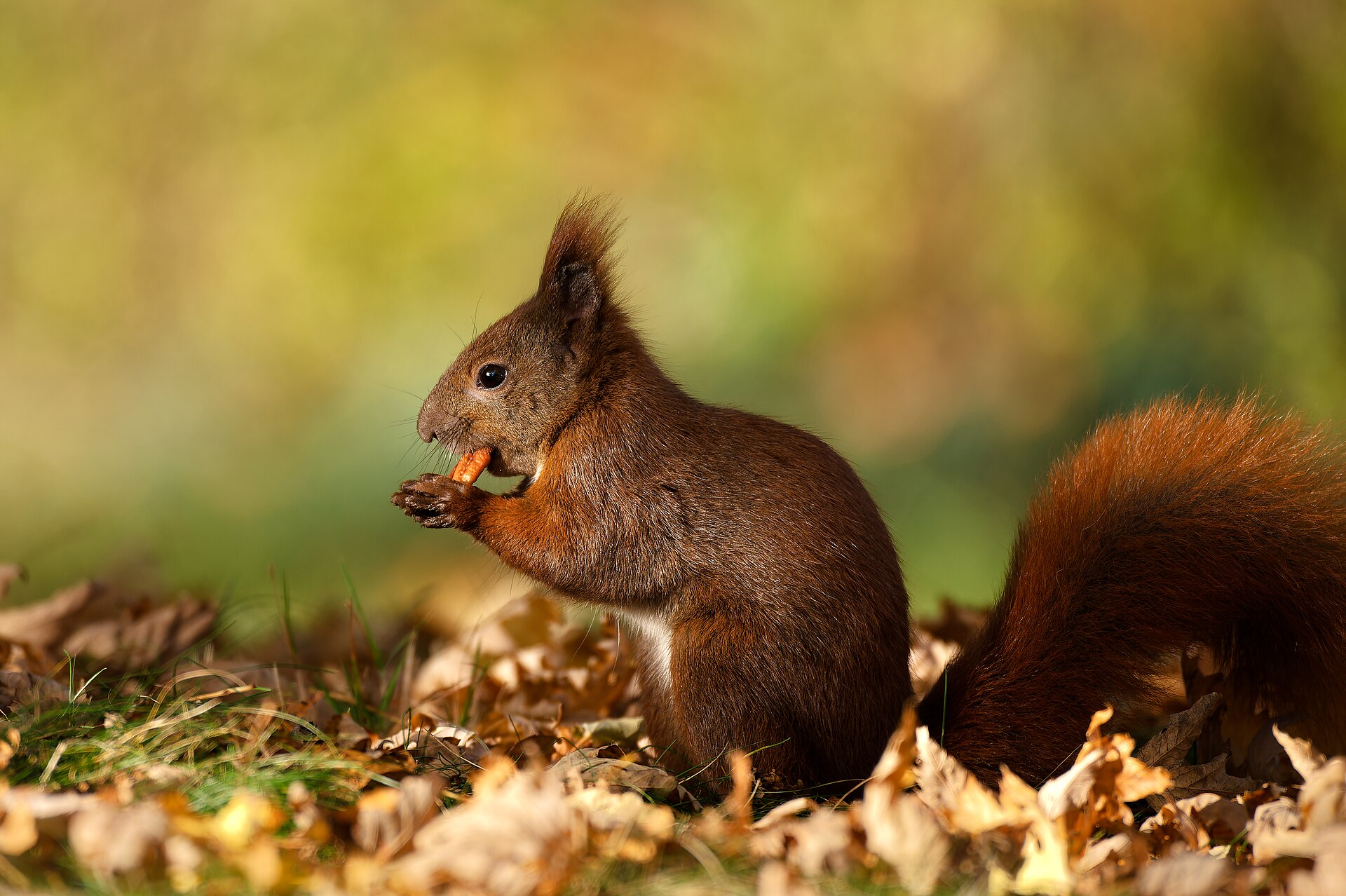
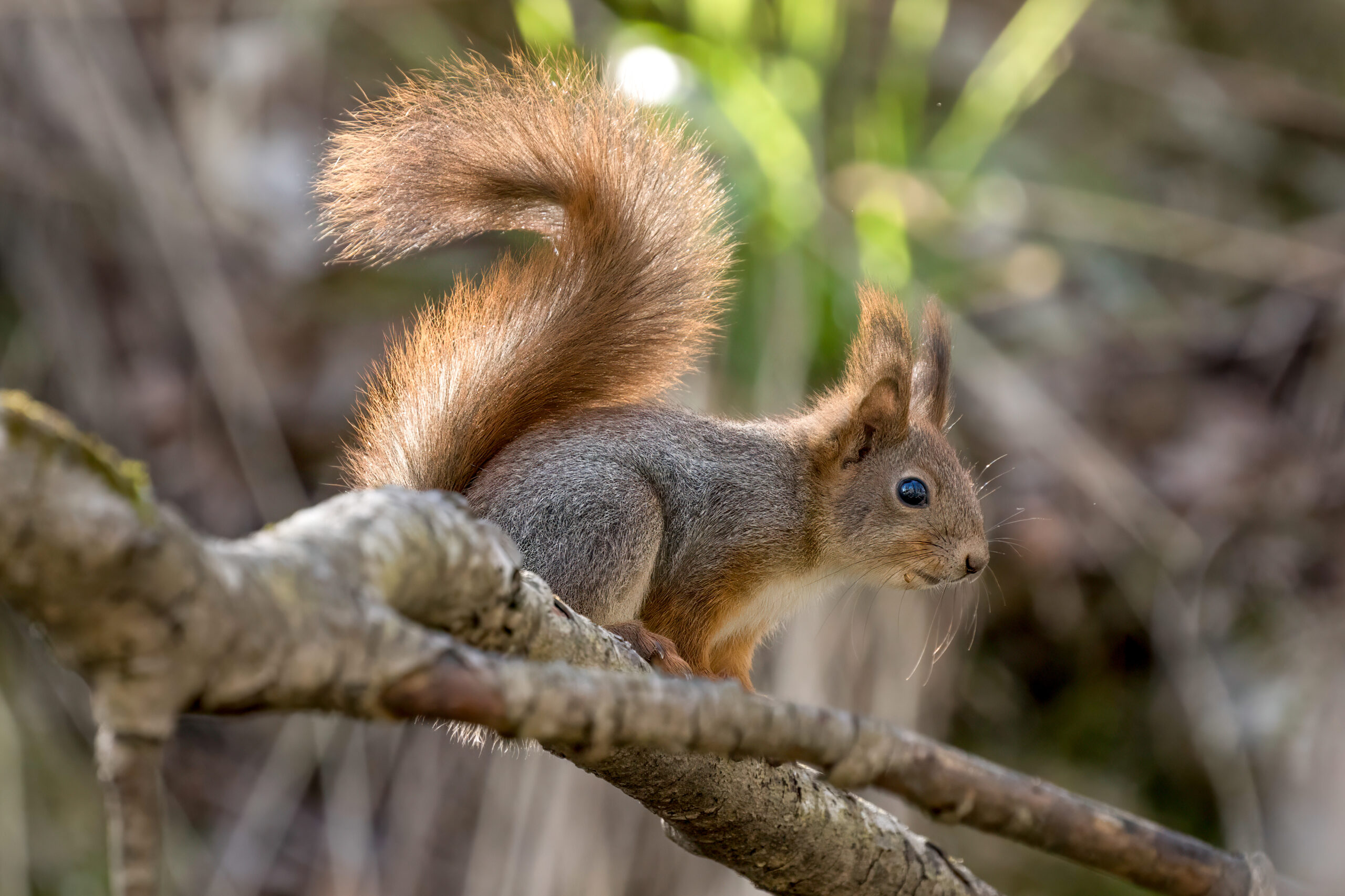
Urban habitats can affect whether animals move between green spaces and breed with one another. In Berlin, researchers compared Eurasian Red Squirrels (Sciurus vulgaris) in woodland, a cemetery and an urban park, sites with increasing levels of urbanisation. From autumn 2021 to spring 2025, they recorded 141 squirrels and analysed genetic samples from 135 individuals.
Two genetic groups, not three
Overall genetic diversity was broadly similar at the three sites, but the researchers found some finer differences. Squirrels in the urban park had lower individual heterozygosity than those in the woodland. Heterozygosity describes how often an individual has two different versions of a genetic marker; lower values can indicate less genetic variation within an individual. The cemetery population also showed a weak shortfall of heterozygotes.
The genetic patterns grouped the squirrels into two main clusters, rather than one distinct cluster for each site. Woodland and cemetery squirrels mostly belonged to one group, while most squirrels in the urban park belonged to the other. Notably, the woodland and cemetery were about 20 km apart, while the cemetery and urban park were less than 4 km apart. The authors interpret the pattern as subtle genetic structuring that may reflect some restriction of gene flow, but found no evidence of strong inbreeding or advanced isolation.
Similar apparent survival
Estimated six-month apparent survival was broadly similar across the sites, at about 69–75%. This measure reflects squirrels that survive and remain in the study area; it cannot distinguish deaths from animals that permanently leave. The urban park estimate was the lowest, but the estimates were uncertain and no single factor clearly explained survival.
The Berlin squirrels show that genetic differences between urban green spaces can be detectable even when researchers find no clear short-term difference in apparent survival. Genetic connectivity and survival are different aspects of a population’s condition, so the genetic pattern adds information that survival estimates alone would not provide. The study found subtle structure, not strong isolation, and does not show that urban squirrels are already experiencing a major decline in genetic diversity.
Ecology
Related news
Red Squirrels Stayed at Urban and Rural Sites at Similar Rates on Hokkaido
Across nine sites on Hokkaido, red squirrels had nearly identical four-month probabilities of remaining in urban and rural…
Read story →
Squirrelpox in Dollar Became Scotland’s Northernmost Confirmed Case
A red squirrel from Dollar, Clackmannanshire, had squirrelpox confirmed by pathology and qPCR, making it the northernmost reported…
Read story →
Portugal’s Eurasian Red Squirrels Showed Markedly Low Mitochondrial Diversity
The most comprehensive genetic sampling of Eurasian Red Squirrels in Portugal to date found markedly low mitochondrial diversity,…
Read story →SPECIES IN THIS STORY
Species in this story
Independent research and conservation news archive
Did you find this information useful?
Wildlife Vagabond is independently built and maintained. Voluntary support helps cover source verification, hosting and continued work on research and conservation news.
Support Wildlife VagabondThe news archive will remain freely available.