
Colour drone images gave better harbour seal length estimates than thermal images
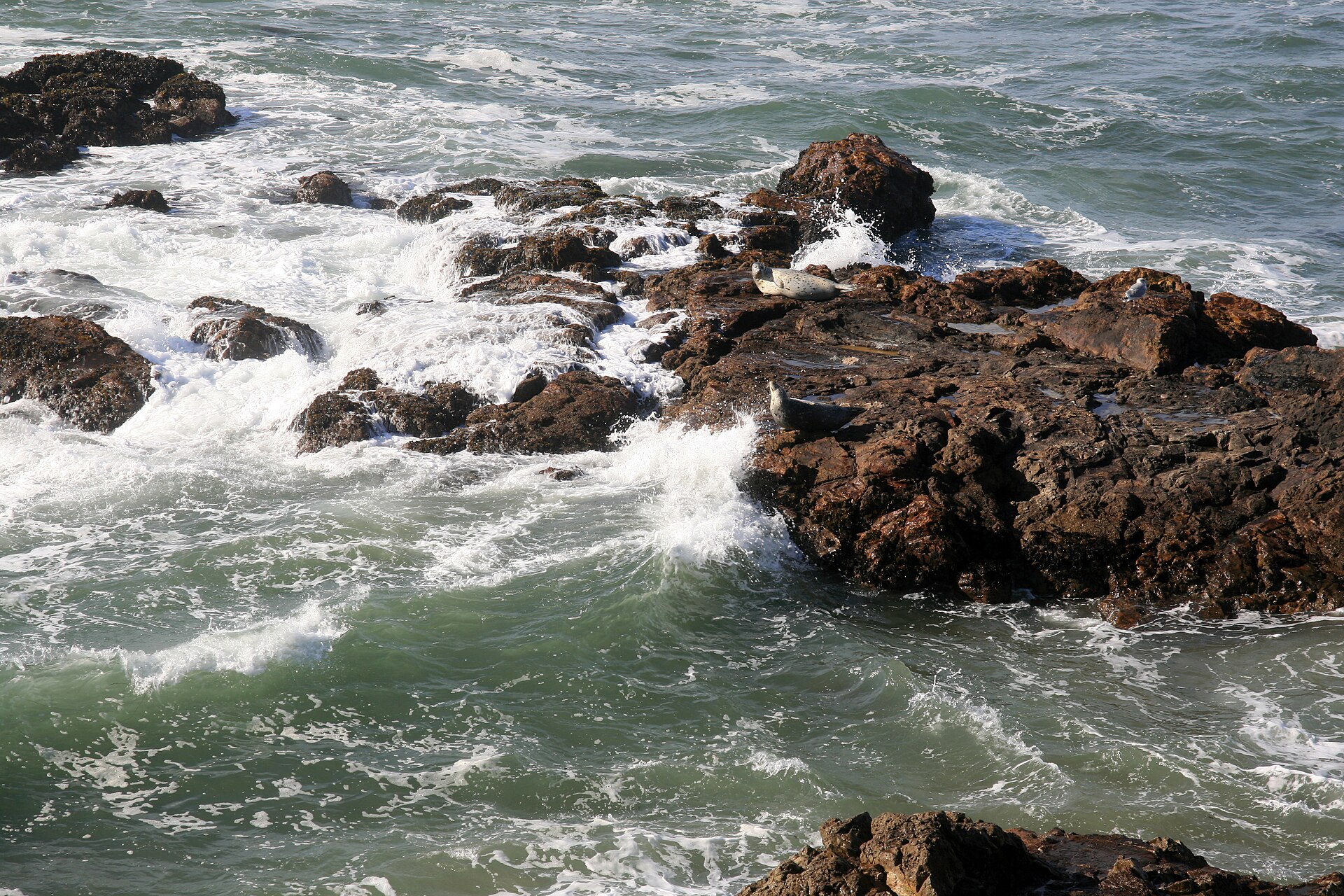
Drone images can capture many seals at a haulout, but turning them into body-length estimates is not straightforward. In a preprint that has not yet undergone peer review, researchers tested a system using surveys of harbour seals (Phoca vitulina) in British Columbia in 2023 and 2024. The system traced seals in aerial mosaics—maps assembled from overlapping photographs—and estimated each animal’s length.
Using manual length annotations of 2,483 seals on the same aerial mosaics as the reference—not physical measurements of the animals—the system’s estimates from standard colour (RGB) images were shorter by an average of 0.6 cm. That near-zero average bias did not mean every estimate was close: the root mean square error (RMSE) was 12.5 cm, a measure that gives extra weight to larger individual errors. Thermal images performed worse, underestimating length by an average of 19.9 cm, with an RMSE of 24.1 cm. Under the conditions tested, the researchers concluded that thermal images were unsuitable for this automated image-based length-measurement approach.
With RGB images, the system assigned seals to the correct size class—pup, juvenile, or subadult/adult—78.7% of the time. Accuracy rose to 90.9% when seals near class boundaries were excluded. These are size-based categories, not confirmed ages; small measurement errors can shift a seal across a boundary. The accuracy of the aerial mosaics also varied between survey conditions, with geometric errors ranging from 1 to 18 cm. That matters especially for seals close to a size-class boundary, where even a small length error may change their classification.
The results suggest that colour drone surveys could help researchers monitor the size composition of seals at haulouts, provided image type and survey conditions are taken into account. The study tested a measurement tool, rather than tracking population change.
Ecology
Related news
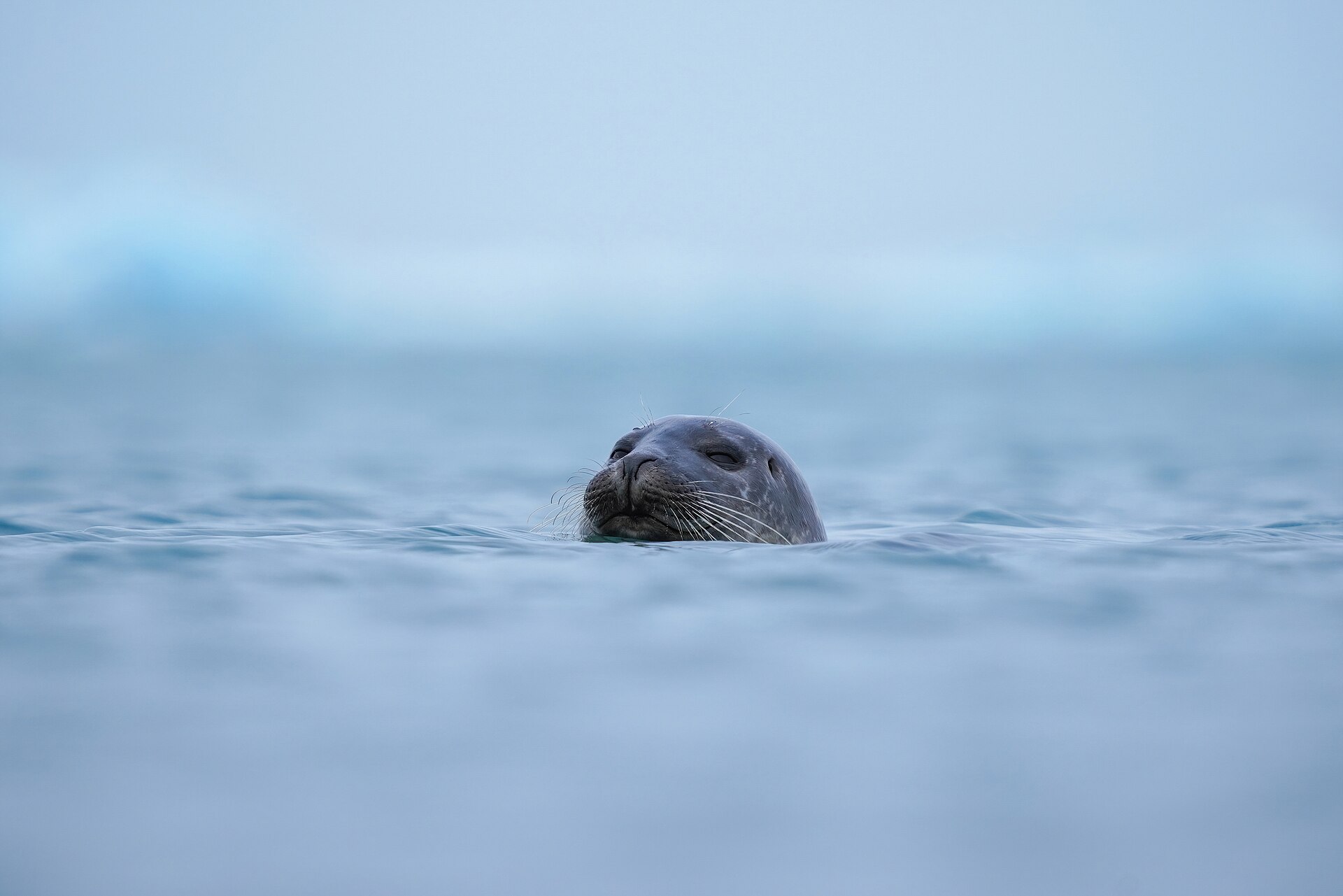
Seal counts fell at a haul-out site, but remained higher in the creek
At Log Pond in Bellingham, Washington, estimated harbour seal counts fell to near zero by 2023 as floating…
Read story →
Blood Samples from 576 Wild Harbour Seals Establish 35 Health Reference Ranges
Blood samples collected from 576 wild harbour seals over 28 years produced reference intervals for 35 health parameters…
Read story →
One Harbour Seal Had Similar Visual Acuity Underwater and in Air
A trained harbour seal detected small high- and intermediate-contrast targets about equally well underwater and in air, while…
Read story →SPECIES IN THIS STORY
Species in this story
Independent research and conservation news archive
Did you find this information useful?
Wildlife Vagabond is independently built and maintained. Voluntary support helps cover source verification, hosting and continued work on research and conservation news.
Support Wildlife VagabondThe news archive will remain freely available.