
Seal counts fell at a haul-out site, but remained higher in the creek
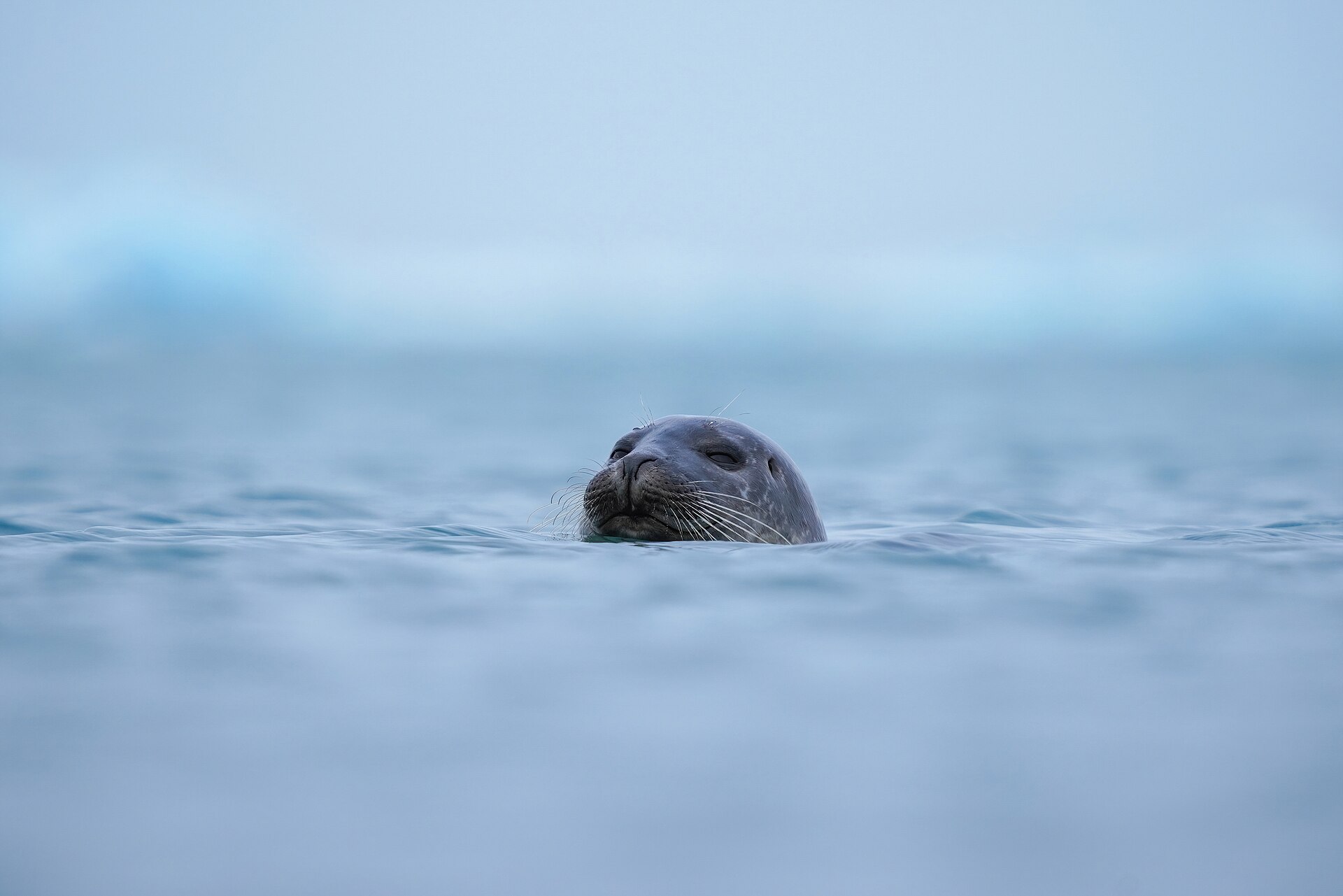
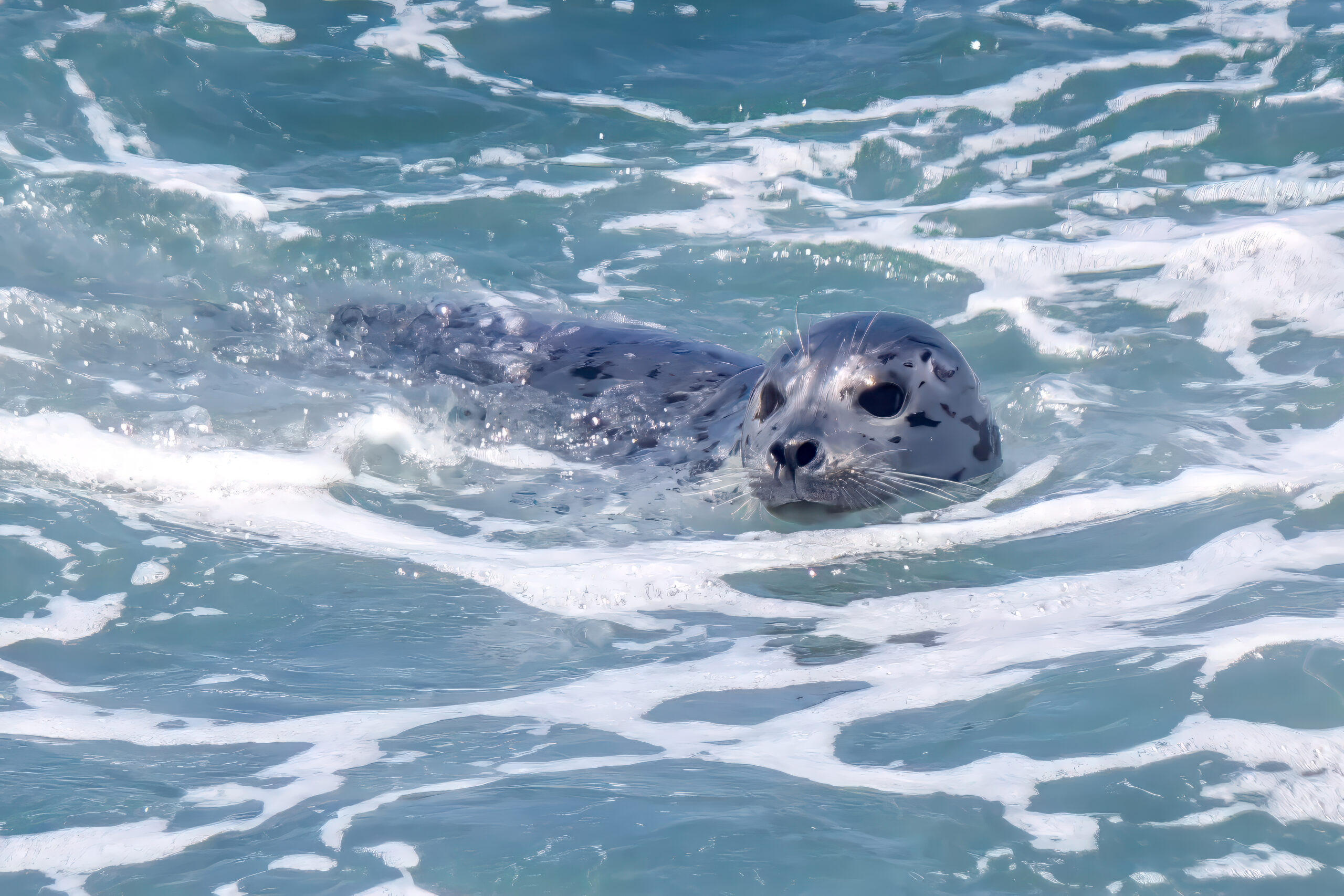
Harbour seals (Phoca vitulina) rest out of the water at haul-out sites. In Bellingham, Washington, researchers tracked seal counts at Log Pond, where floating haul-out structures were removed between 2015 and 2022, and in nearby Whatcom Creek, which provides foraging habitat. Removing artificial resting platforms has been proposed as a nonlethal way to reduce seal presence and presumed predation near salmon habitat. The researchers asked how counts at the two sites changed during the removals.
Different trends at the resting site and creek
At Log Pond, the model-estimated count peaked at 33.3 seals in 2013, then fell 90% to 3.4 in 2017. It rose 101% to 6.8 in 2019 before dropping to near zero in 2023. In Whatcom Creek, the estimate rose 135% from 2.4 seals in 2011 to 5.8 in 2021, then dipped 6% to 5.4 in 2023.
The contrasting trends suggest that removing artificial haul-out structures may reduce the number of seals resting at a targeted site without necessarily reducing seal counts in nearby foraging habitat. The creek estimate dipped by 2023, but remained above its 2011 level.
The study counted seals; it did not measure seal predation on salmon or salmon survival. It therefore cannot show whether removing the structures improved conditions for salmon.
Ecology
Related news
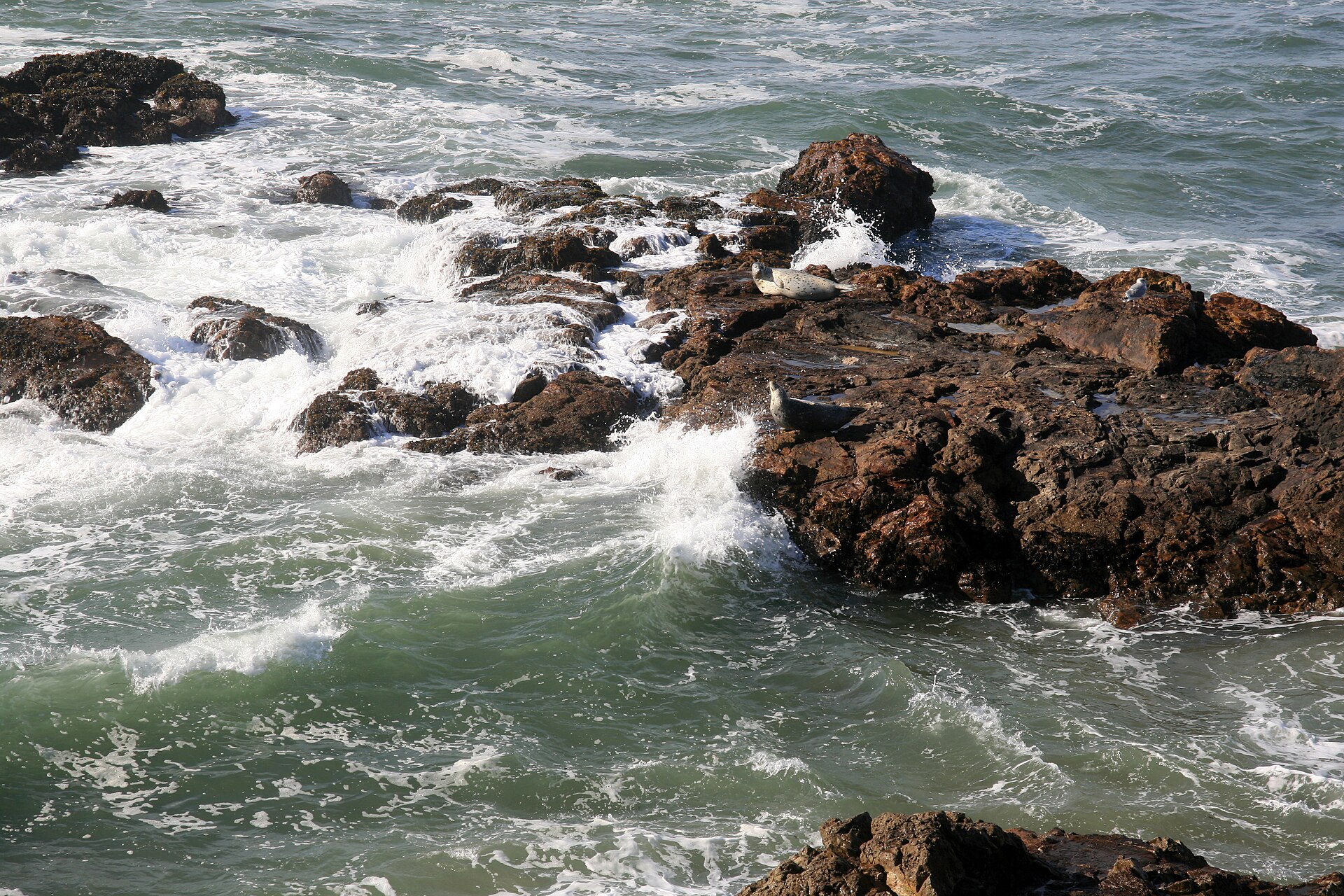
Colour drone images gave better harbour seal length estimates than thermal images
A study of harbour seals in British Columbia tested drone-based body-length estimates and size classes. Colour images had…
Read story →
Blood Samples from 576 Wild Harbour Seals Establish 35 Health Reference Ranges
Blood samples collected from 576 wild harbour seals over 28 years produced reference intervals for 35 health parameters…
Read story →
One Harbour Seal Had Similar Visual Acuity Underwater and in Air
A trained harbour seal detected small high- and intermediate-contrast targets about equally well underwater and in air, while…
Read story →SPECIES IN THIS STORY
Species in this story
Independent research and conservation news archive
Did you find this information useful?
Wildlife Vagabond is independently built and maintained. Voluntary support helps cover source verification, hosting and continued work on research and conservation news.
Support Wildlife VagabondThe news archive will remain freely available.