
Suitable habitat for Amur tigers and Amur leopards expanded in northeast China, but local losses continued
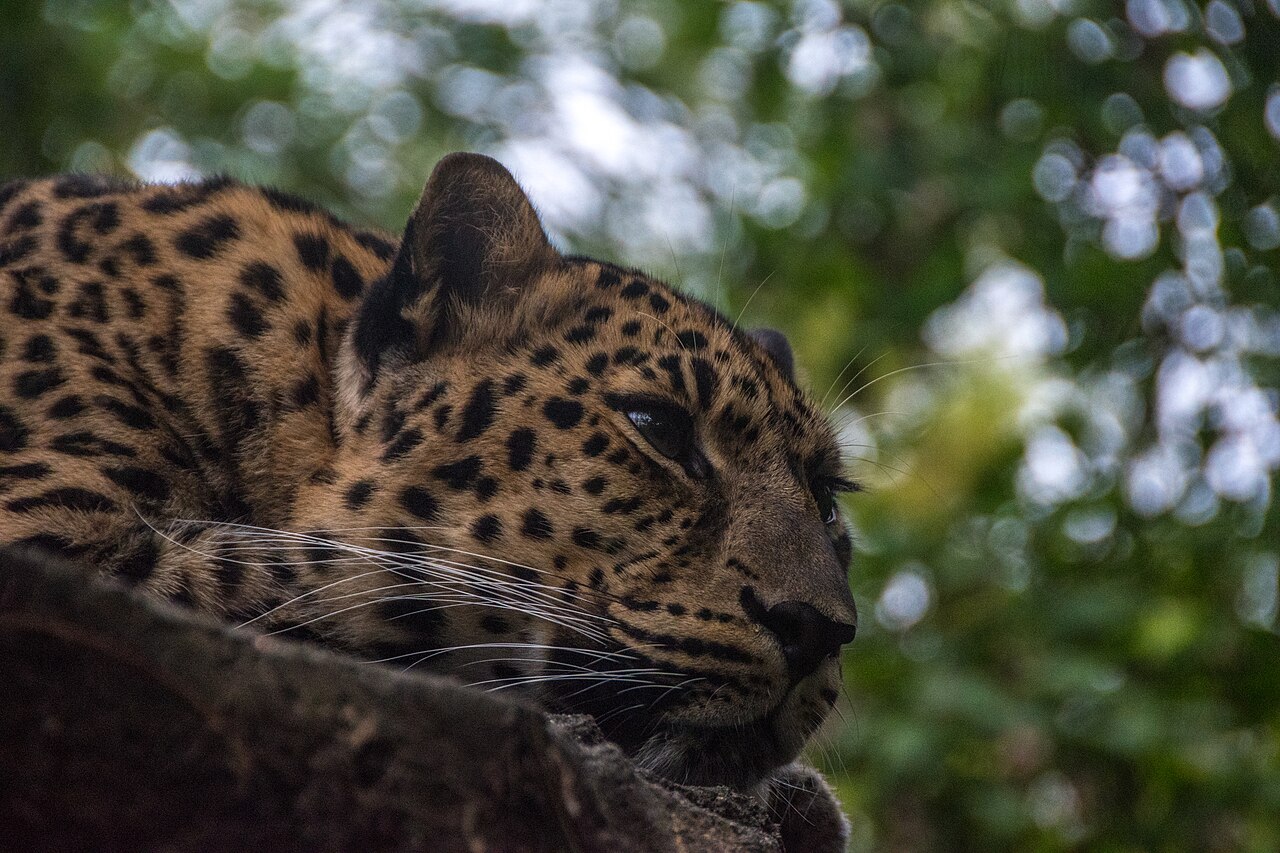
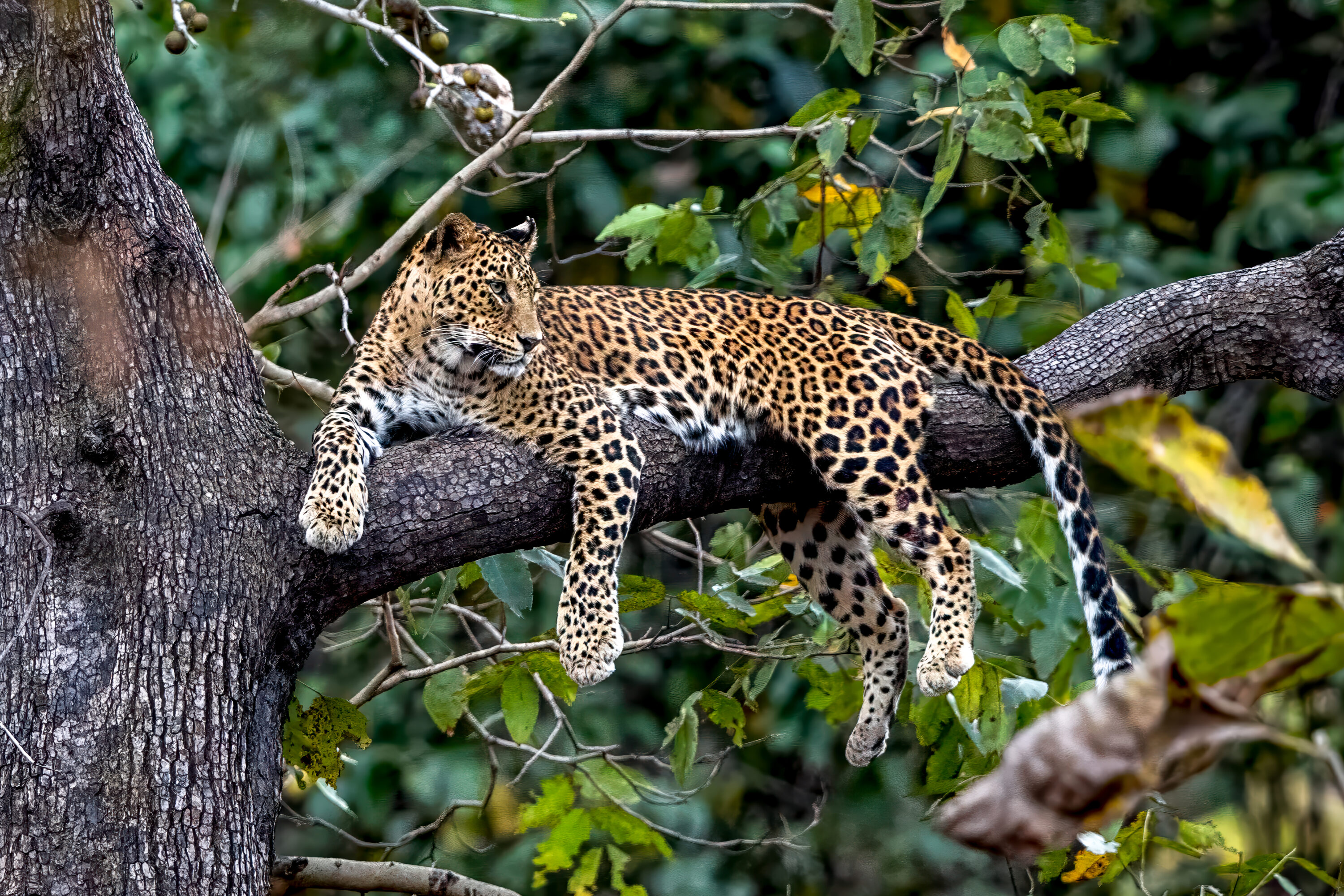
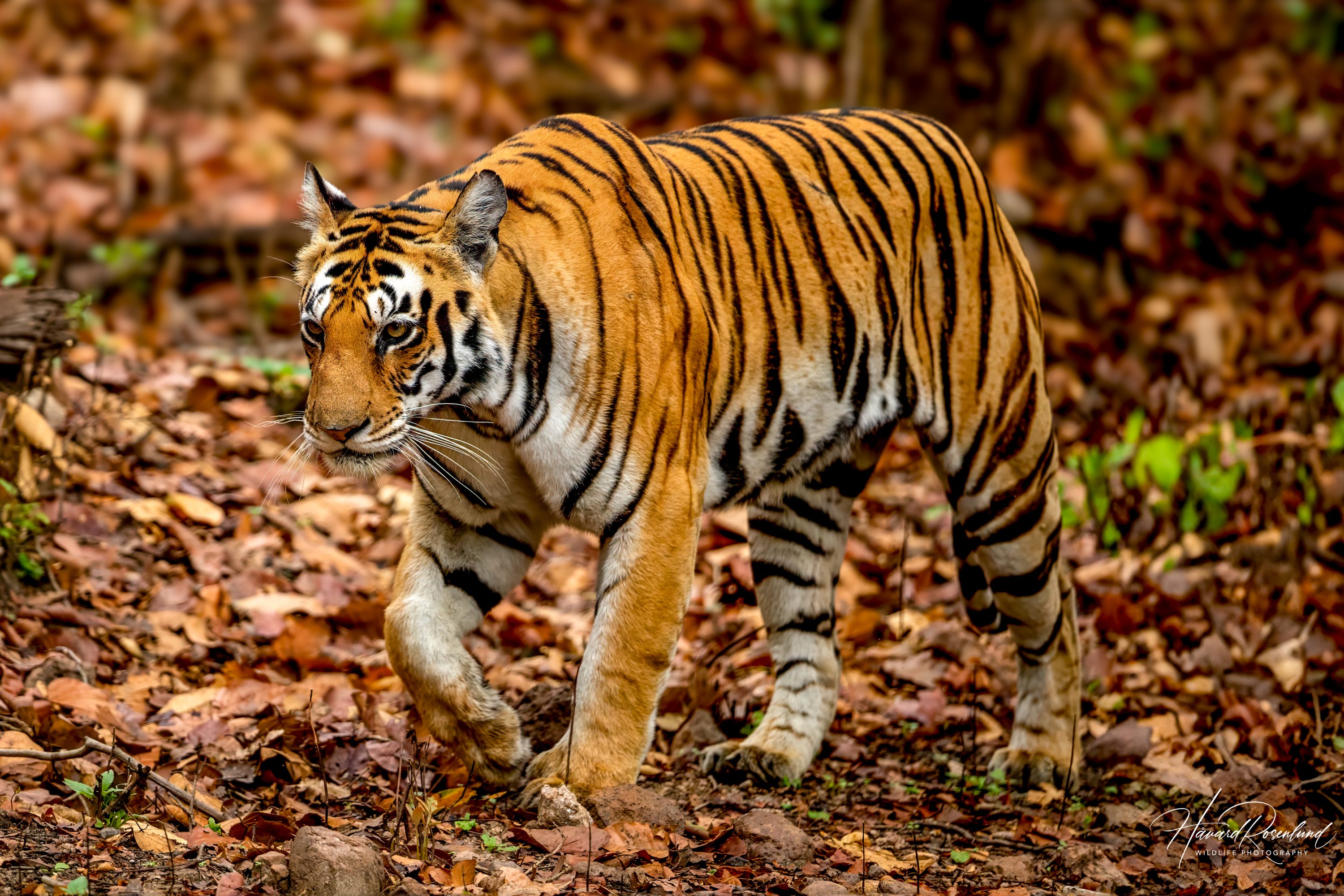
Modeled suitable habitat for local populations of Amur tigers (Panthera tigris altaica) and Amur leopards (Panthera pardus orientalis) increased between 2017 and 2024 in the Suiyang Administration Branch of Northeast China Tiger and Leopard National Park. The change was not uniform: some parts of the study area continued to lose modeled suitable habitat even as the overall estimates rose.
The researchers used camera-trap records and environmental data from 2017, 2021 and 2024 to model where conditions were suitable for the two species. They also assessed how habitat patches were connected across the landscape. Each species-year model used 21–45 filtered camera-trap records. The authors note that these relatively small samples, and differences in where records were obtained, may make some modeled changes sensitive to the available records. These are estimates of potential habitat, not maps of every place the animals occupied or proof that they moved between patches.
Habitat expanded, but the two species differed
From 2017 to 2024, the estimated area of suitable habitat grew by 179.85 square kilometres for Amur tigers and 80.78 square kilometres for Amur leopards. The area modeled as suitable for both species increased by 81.06 square kilometres. The centers of the modeled suitable areas generally shifted northwest.
The pattern also changed between periods. Habitat losses fell from 57.16 to 18.03 square kilometres for tigers and from 30.52 to 19.61 square kilometres for leopards between 2017–2021 and 2021–2024. In the later period, tiger habitat expansion predominated, covering 173.63 square kilometres. For Amur leopards, suitable habitat was more often stable: 79.15 square kilometres—about half of the area in the study’s habitat-change classification—remained suitable. These figures describe changes in modeled suitability, not changes in animal numbers.
The two periods corresponded to the park’s pilot construction phase and its subsequent formal operation and management. The share of suitable habitat for both species that remained stable rose from 21.0% in 2017–2021 to 42.5% in 2021–2024. The authors suggest that reduced human disturbance and sustained conservation management may have contributed to the shift toward greater stability; the comparison does not establish those factors as its cause.
The researchers found that total forest area increased by only 4.61 square kilometres, even as suitable habitat within forest increased substantially. They also found that a greater proportion of the study area was classified by the model as both cropland and suitable habitat while cropland area overall declined. The authors suggest this pattern may reflect spillover at forest edges, rather than showing that farmland is stable habitat used by the cats. They note that forest–agricultural edges and nearby settlements may bring modeled suitable habitat into local overlap with human activity; recurring human–tiger conflicts in recent years make these transitional areas a potential concern. The model results therefore point to changes in habitat conditions and location, not simply an increase in forest cover.
Connectivity and biodiversity credits
A habitat patch can matter not only for the suitable area it contains, but also for how it helps link other patches. Such connections may provide routes for animals to disperse and help maintain exchange between populations. By 2024, patches that contributed strongly to tiger-habitat connectivity were concentrated mainly in the north. For Amur leopards, highly connected patches were found mainly in northern and central areas.
The researchers combined habitat area, modeled suitability and the contribution of patches to connectivity in a study-specific biodiversity-credit index. Its Biodiversity Credit Units (BCUs) are a model-derived measure for comparing relative changes across periods and places—not a count of animals or a standardized unit of biodiversity. The combined measure gave equal weight to tigers and leopards, so its reported value is an average of the two species’ scores, not their sum. The researchers also tested alternative species weights. These changed the size of the combined credit estimates, although the overall spatial pattern and direction of change remained similar.
Behind the combined gain of 4,860.19 BCU in 2017–2021 were gains of 6,917.06 BCU for tigers and 2,803.32 for leopards. In 2021–2024, tiger gains were 24,854.04 BCU and leopard gains were 5,344.37 BCU, producing a combined figure of 15,099.21 BCU—about 3.11 times the earlier period’s figure. Tiger credit gains exceeded leopard gains in both periods, and the difference grew in the later period. Gains were concentrated mainly in the northeast, while localized losses continued in the southeast. The larger combined total in 2021–2024 did not mean that every part of the landscape improved more: small positive changes became more widespread in the east and southeast, but local losses remained.
Maps point to different management needs
Using the modeled habitat patterns and credit changes, the authors divided the study area into four management tiers and seven functional zones. Local habitat and credit losses persisted in the southeast, including parts of the strictly protected zone. The authors recommend protecting important habitat and connecting patches, strengthening buffer zones and restoring connections where needed, alongside basic management in other zones.
For wide-ranging species such as Amur tigers and Amur leopards, the location of suitable habitat and the connections between areas matter alongside the total area. The maps and accounting method can help managers consider these factors together when setting spatial priorities.
Ecology
Related news
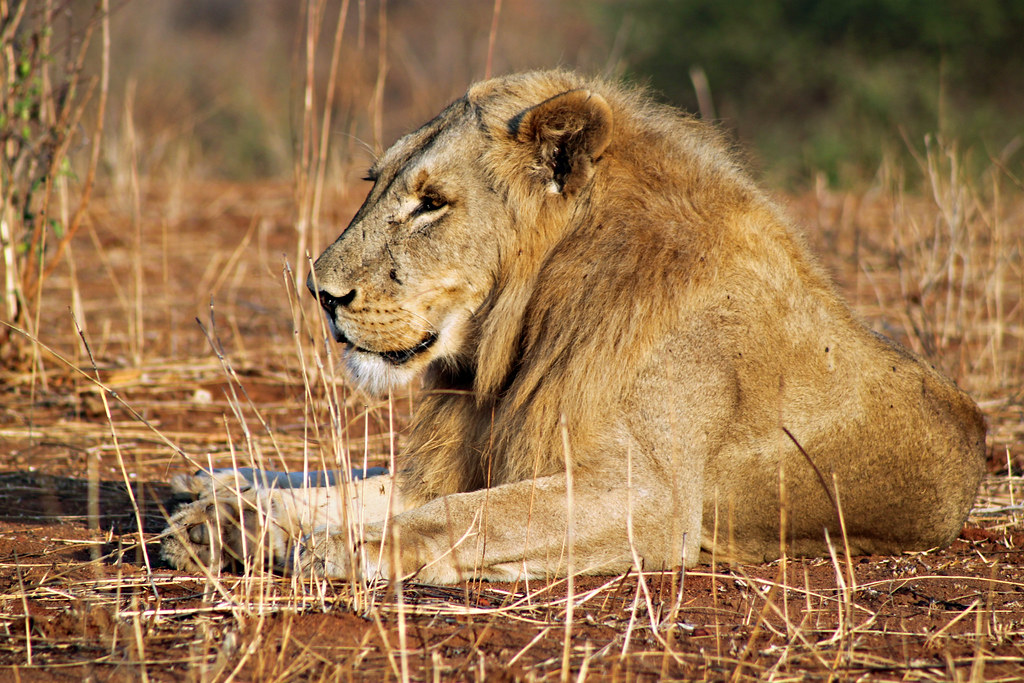
A lion liver protein was a poor hepatitis B virus receptor—and a less efficient bile-acid transporter
Tests of NTCP proteins from cats, tigers and leopards supported hepatitis B virus binding, unlike lion NTCP, which…
Read story →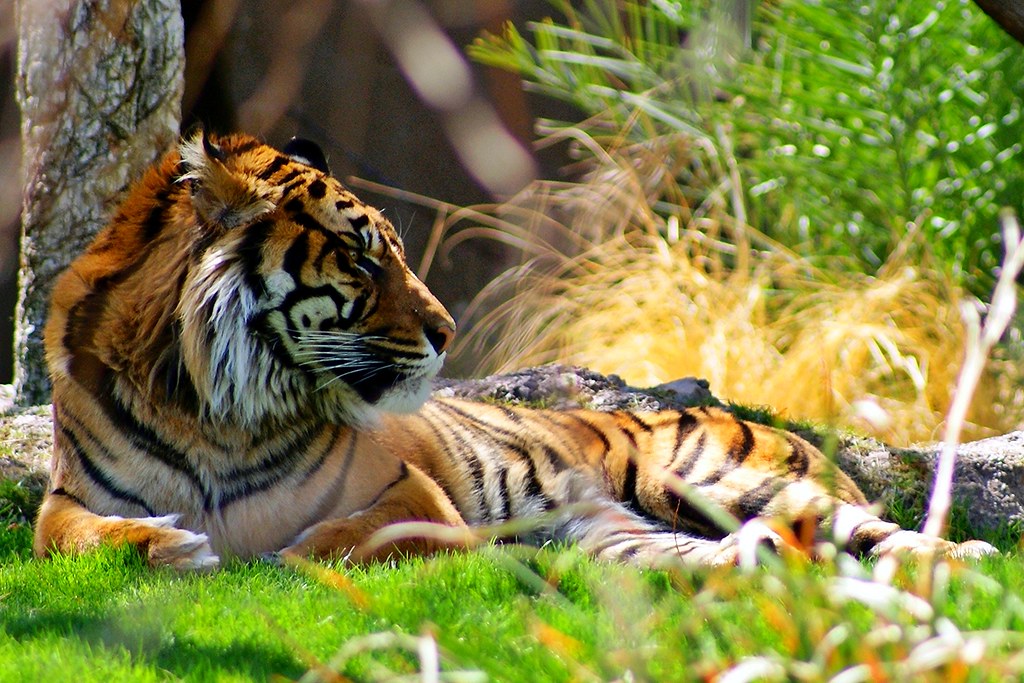
Human Pressures Had No Consistent Link to Tiger and Leopard Space Use
In Northeast China, modeled links between human pressures, prey use, and Amur tiger and leopard space use varied…
Read story →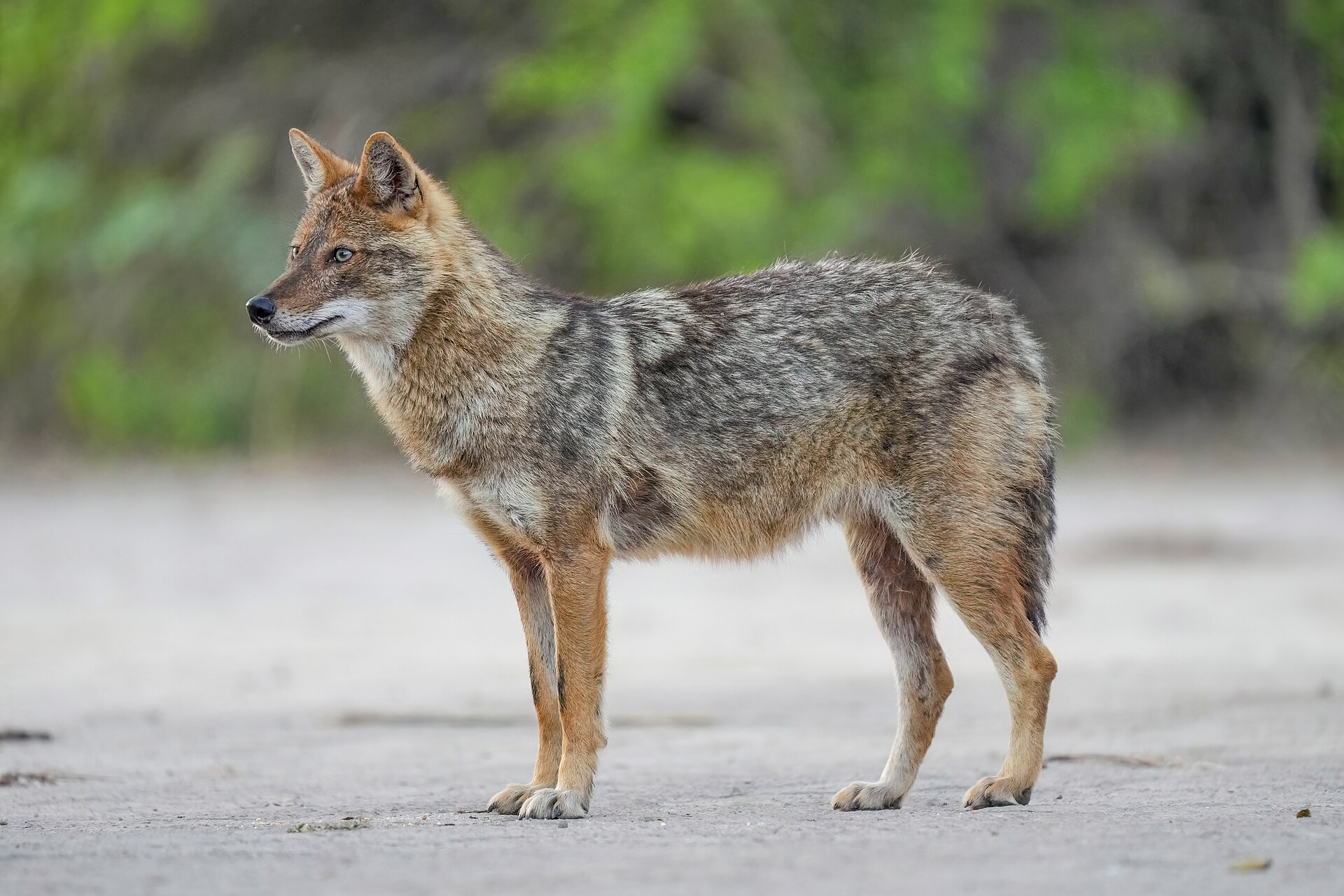
Tiger and Leopard Links to Jackals and Hyenas Vary Across India
Models from three Indian landscapes found no consistent evidence that tigers and leopards shape where golden jackals and…
Read story →SPECIES IN THIS STORY
Species in this story
Independent research and conservation news archive
Did you find this information useful?
Wildlife Vagabond is independently built and maintained. Voluntary support helps cover source verification, hosting and continued work on research and conservation news.
Support Wildlife VagabondThe news archive will remain freely available.