
Eurasian Blue Tits Changed Nest Design After Previous Breeding Success or Failure
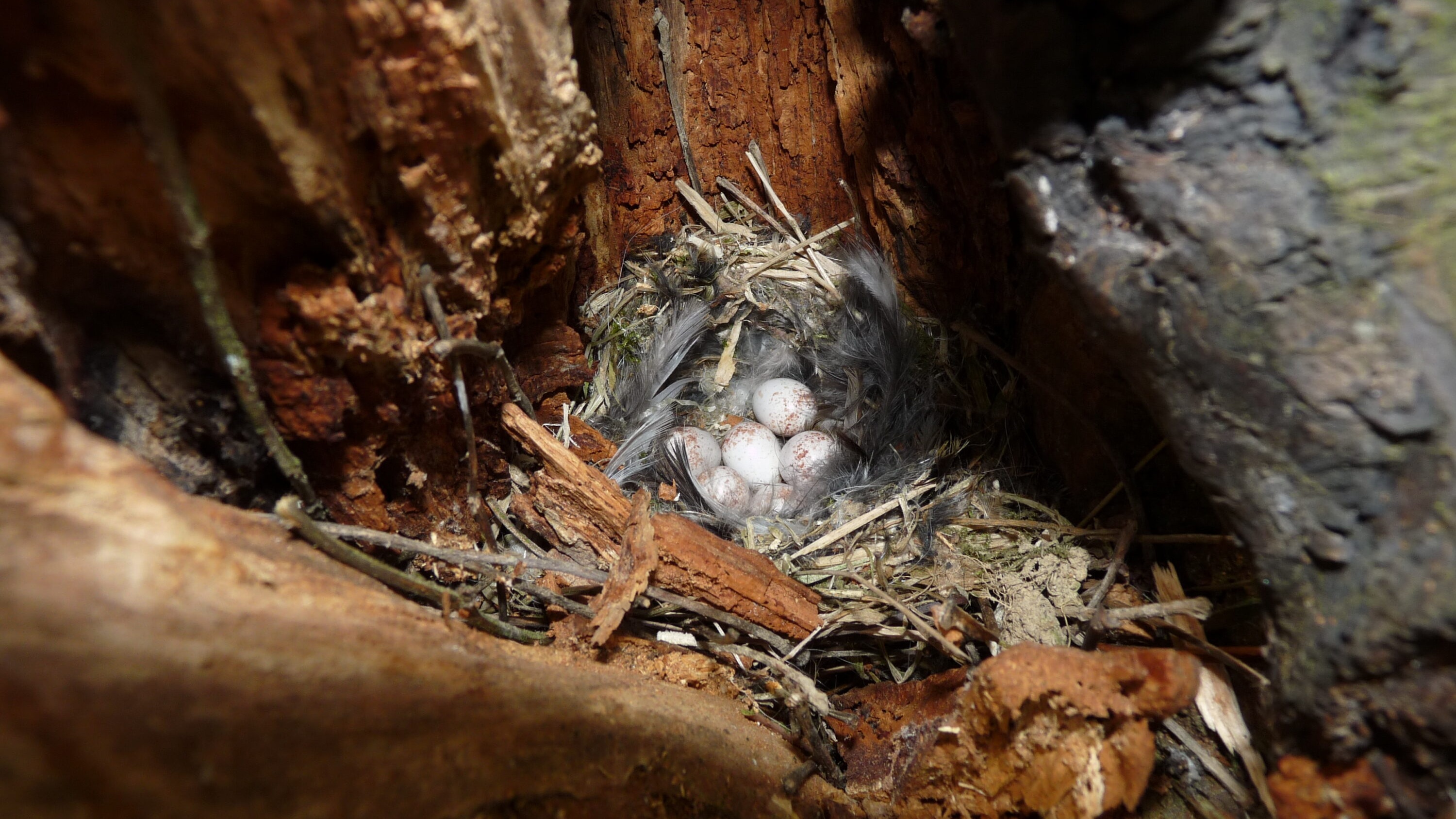
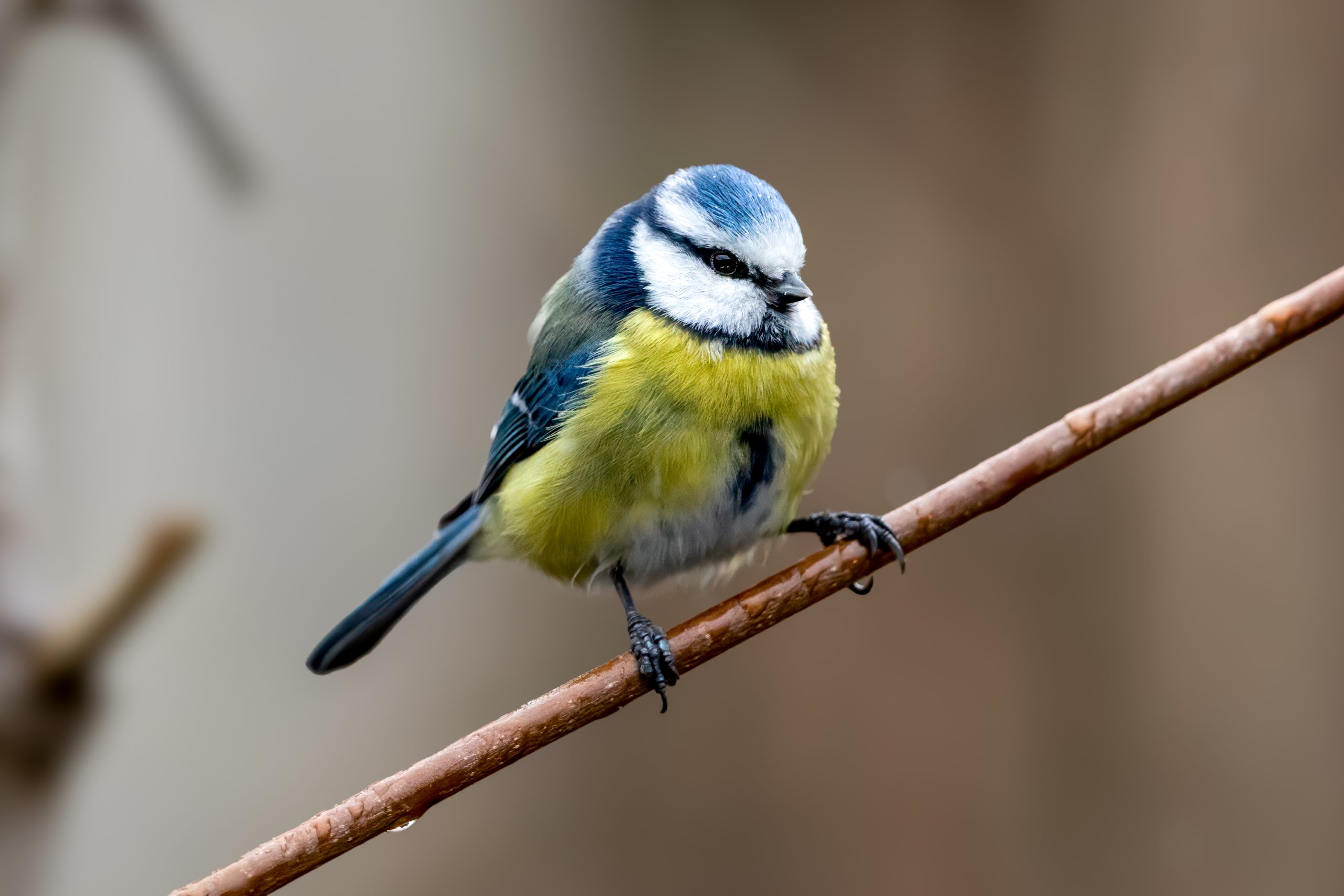
Female Eurasian blue tits (Cyanistes caeruleus) changed how they built their nests according to the outcome of previous breeding attempts, a field study published on 30 April 2026 found. Researchers monitored nest boxes in the St Andrews Botanic Gardens and university grounds in Scotland between 2016 and 2022, excluding 2020. Their comparisons of successive breeding attempts used 111 nests built by individually identified females whose previous nests were also known.
The nests contained a structural layer, mainly moss and grass, and insulation such as mammal fur and feathers. Across the wider sample of 335 completed nests, a higher ratio of insulating to structural material was associated with higher hatching and fledging success.
Building After Success or Failure
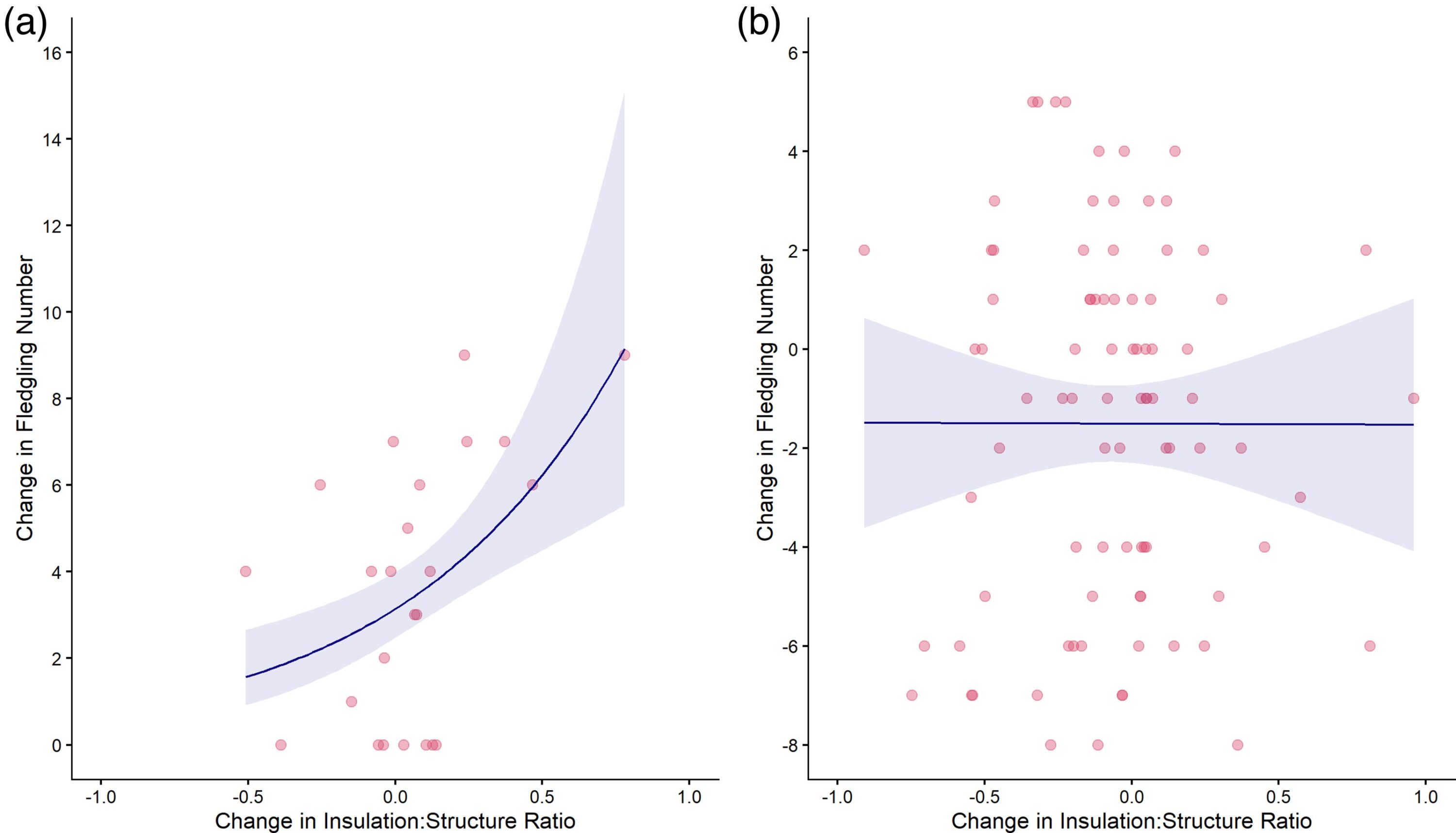
Females that had fledged at least one chick were more likely to reduce the mass of insulation in their next nest than females whose previous attempt had failed. This difference mainly involved mammal fur and hair, rather than feathers. Among previously unsuccessful females, increasing the insulation-to-structure ratio was associated with more fledglings the following year; the same relationship was absent among previously successful females.
There was also a tendency for unsuccessful females to move to another nest box: 71% did so, compared with 46% of successful females. The analysis provided only weak support for this difference. Moving nest box was not associated with an improvement in fledging success the following year.
Heat Loss After Breeding
After breeding, the researchers removed and dried the nests before testing how quickly they lost heat. Nests from which more chicks had fledged cooled faster, despite the association between more insulation and higher breeding success.
The authors suggest that growing chicks may compress the nest and alter its insulating properties. They therefore caution that measurements taken after fledging may not accurately represent how well the nest retained heat during incubation.
Behaviour
Related news
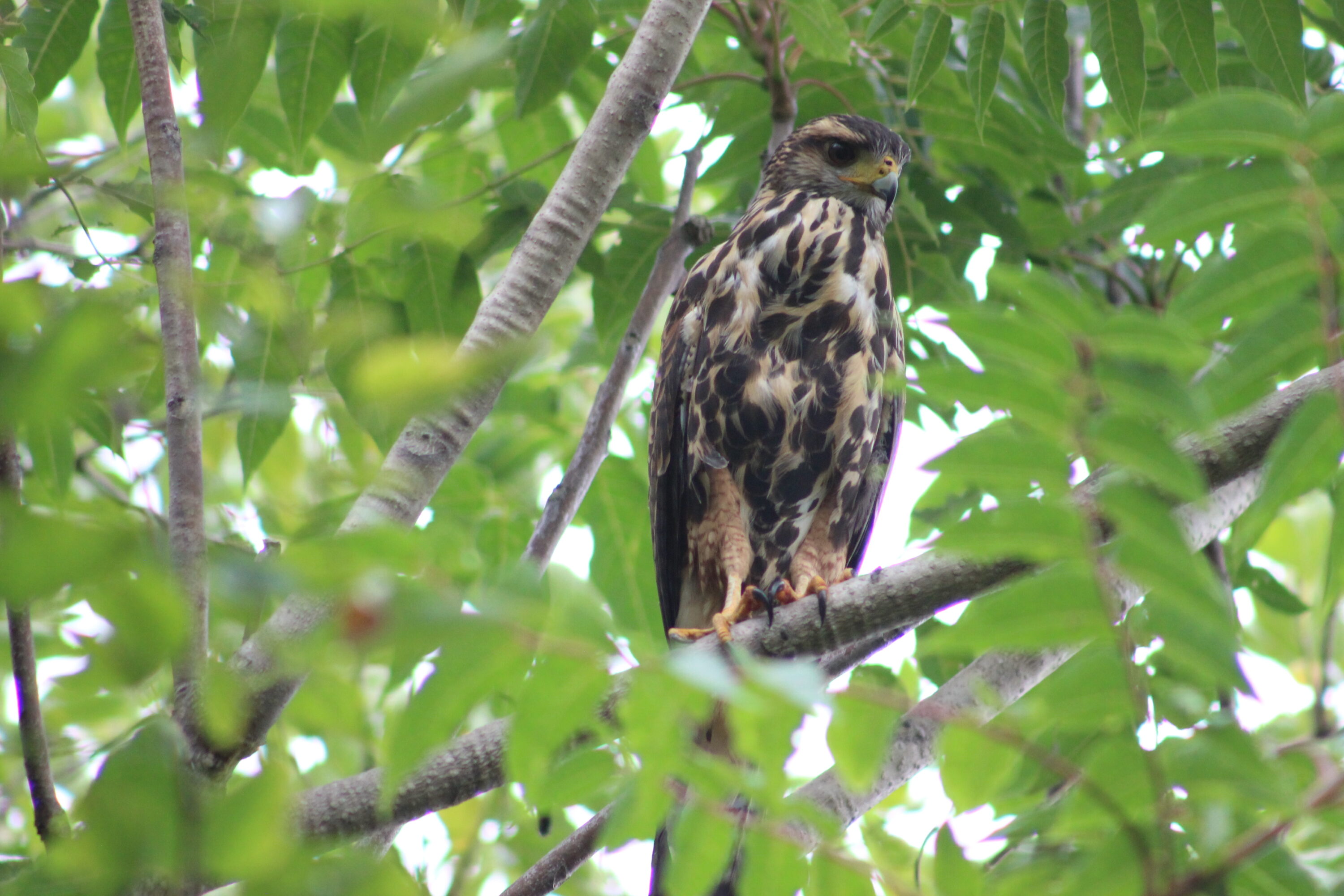
Juvenile Harris's Hawks Manipulated Pine Cones for About Five Minutes
Two juvenile Harris's hawks in Buenos Aires Province tore pine cones from trees, carried them to new perches…
Read story →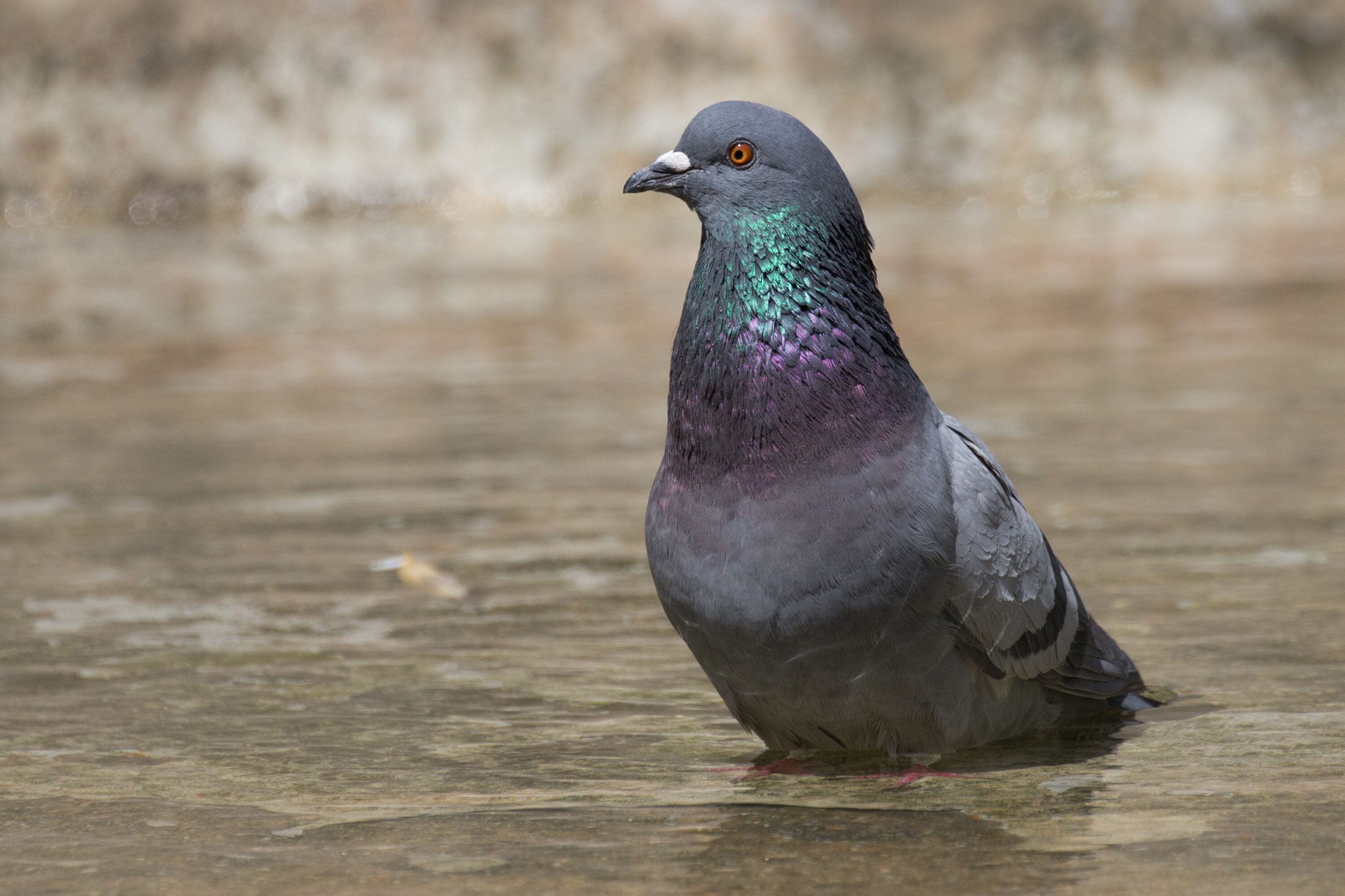
Rock Doves Preferred Predictive Information Despite a Lower Food Payoff
Seven rock doves preferred an informative option that paid on 20% of trials over a non-informative option that…
Read story →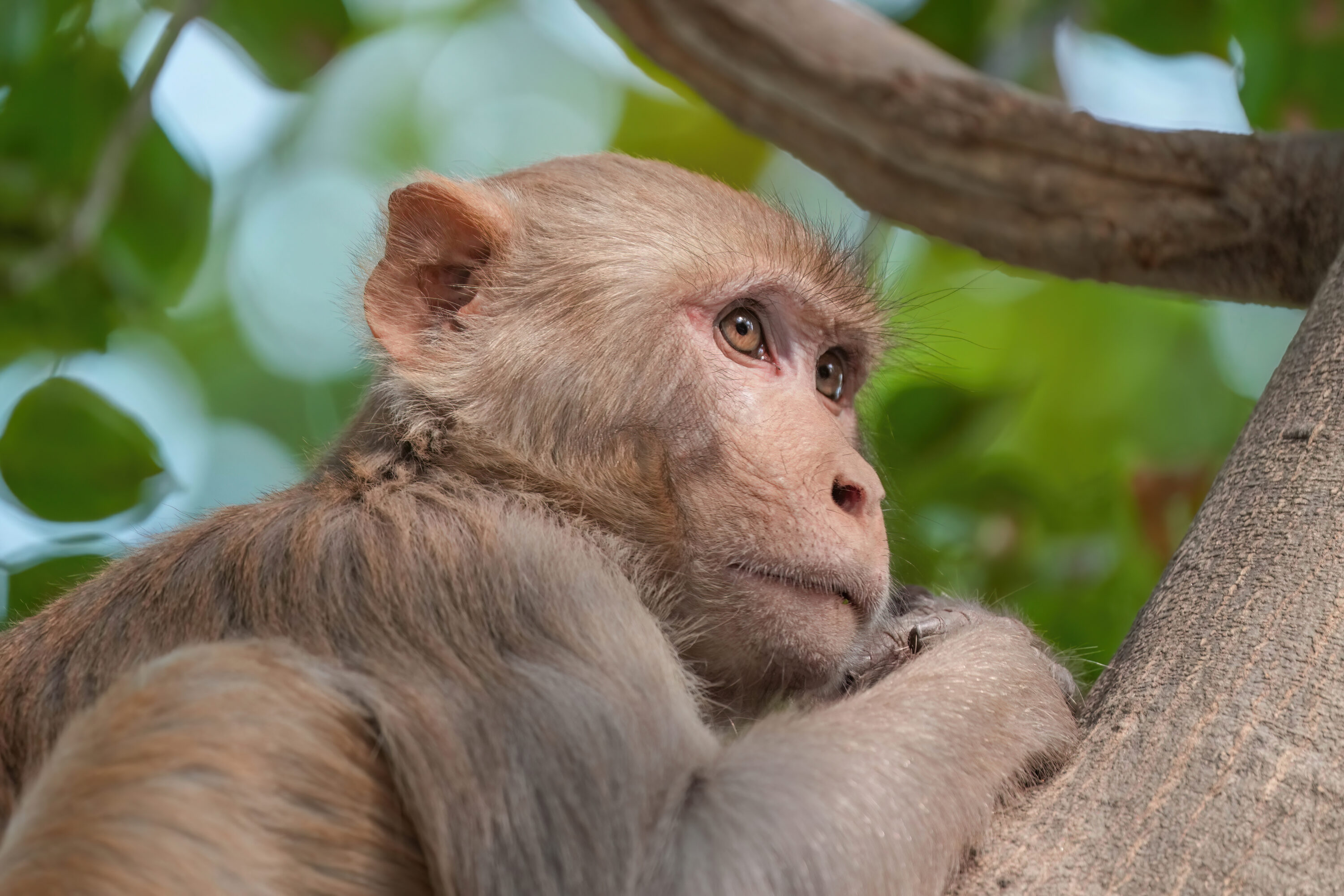
Task Uncertainty Increased Interference From Irrelevant Visual Information in Rhesus Macaque Decisions
Two rhesus macaques made less accurate visual decisions under task uncertainty; recordings and microstimulation in primary visual cortex…
Read story →SPECIES IN THIS STORY
Species in this story
Independent research and conservation news archive
Did you find this information useful?
Wildlife Vagabond is independently built and maintained. Voluntary support helps cover source verification, hosting and continued work on research and conservation news.
Support Wildlife VagabondThe news archive will remain freely available.