
51 Years of Bullfinch Monitoring Revealed Decline, Male Bias and Age-Matched Pairs
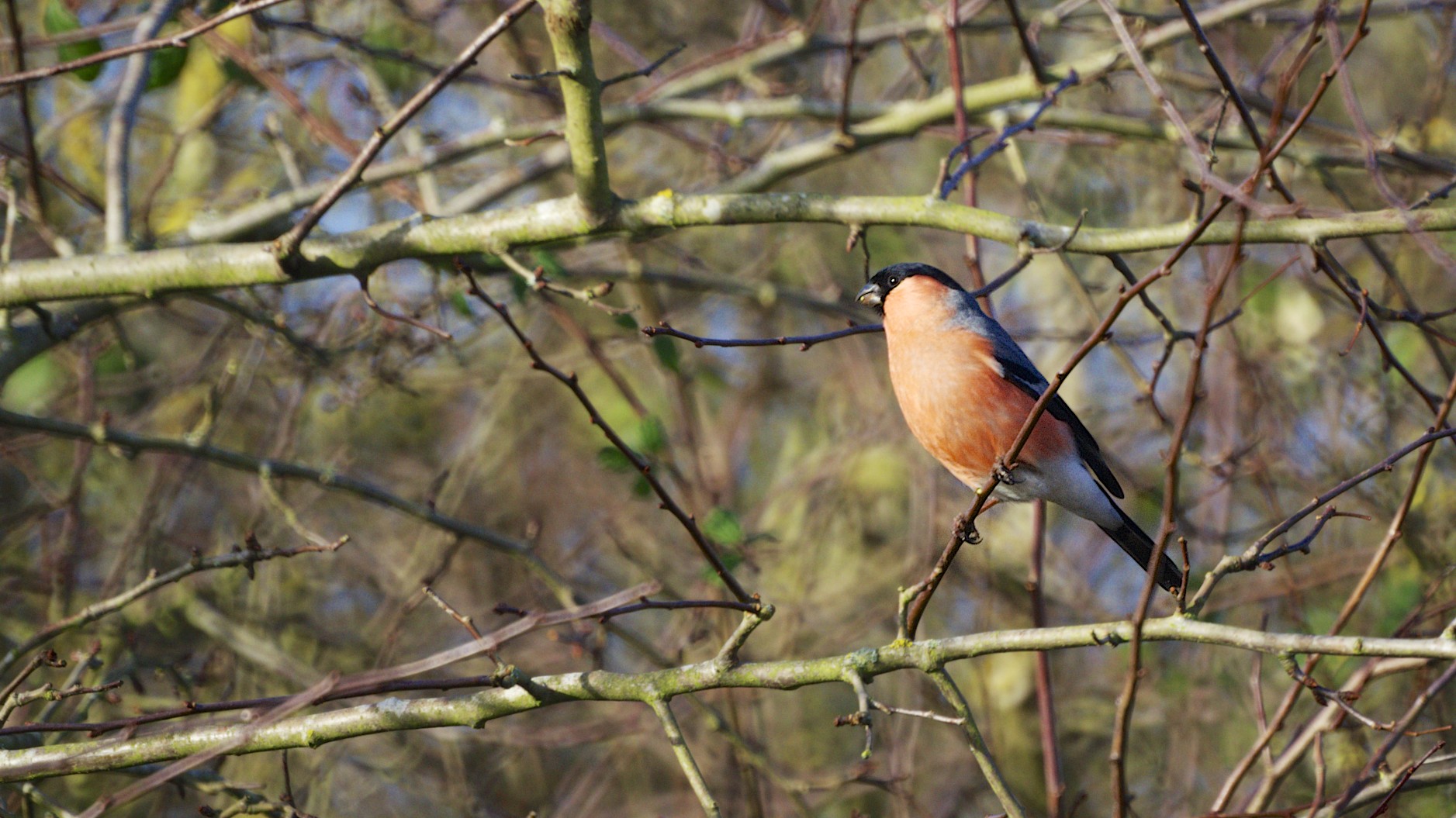
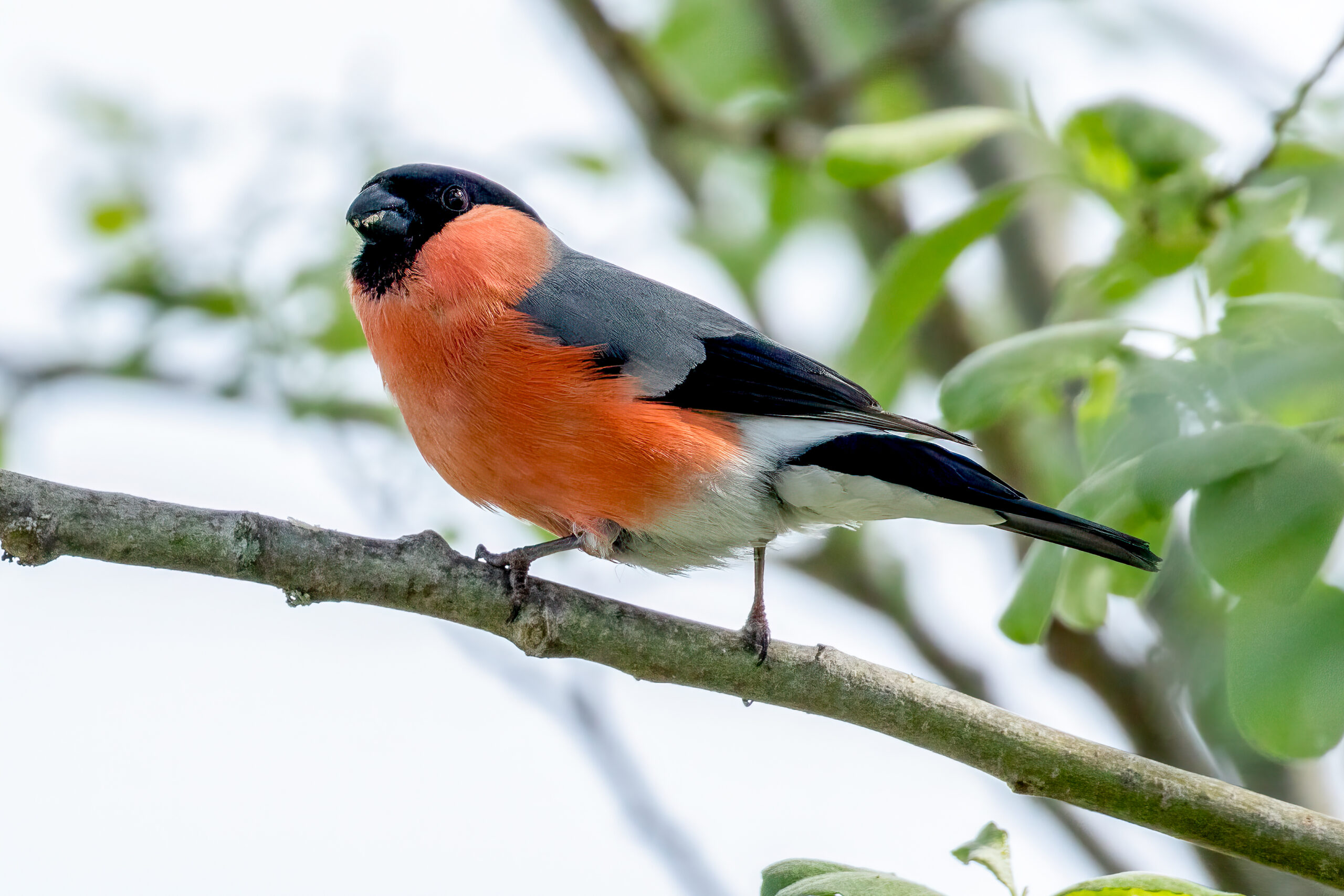
A 51-year study in a 48-hectare English woodland found that Eurasian Bullfinch (Pyrrhula pyrrhula) numbers declined strongly over the study period, while long-term ringing data revealed additional patterns in sex ratio, pair formation and breeding. The study was based on annual breeding-pair counts and 2,065 bullfinches caught and ringed in Treswell Wood, Nottinghamshire.
The local decline fluctuated considerably from year to year, but its broad pattern paralleled changes recorded by national monitoring programmes.
More males were caught than females
The mist-netted birds showed a male-biased sex ratio, including during winter. The author interprets this as evidence of a surplus of males in the population rather than a pattern restricted to the breeding season.
Males and females differed only slightly in wing length, and body mass was generally similar between the sexes. During the breeding season, however, females were heavier and showed more variation in mass than males.
Pairs matched by age more often than expected
Pair formation was not random with respect to age. Adult birds paired with adults, and yearlings with yearlings, more often than expected if partners had been chosen randomly from the available age groups. Mixed-age pairs were correspondingly less frequent. The same pattern was not apparent for body size as represented by wing length.
This age-assortative pairing means that birds tended to form pairs with partners of a similar age class. The study does not by itself establish why that happened, but the long-term dataset shows that age was related to mate pairing in a way that body size apparently was not.
Later nests produced most of the young
Breeding extended over four to five months each year, yet most young came from nests initiated in the second half of the season. The study attributes this pattern probably to heavy predation on the contents of earlier nests.
By September or October, annual productivity reached an average peak of about 4.6 young per adult. That ratio then fell to roughly 1.6 young per adult by the following breeding season, probably because mortality was higher among young birds than among adults.
Together, the records show how a long-running ringing programme can reveal more than a population trend alone. The same 51-year series documented a major decline while also showing persistent demographic and reproductive patterns in sex ratio, age-based pairing and the seasonal timing of successful breeding.
Population & status
Related news
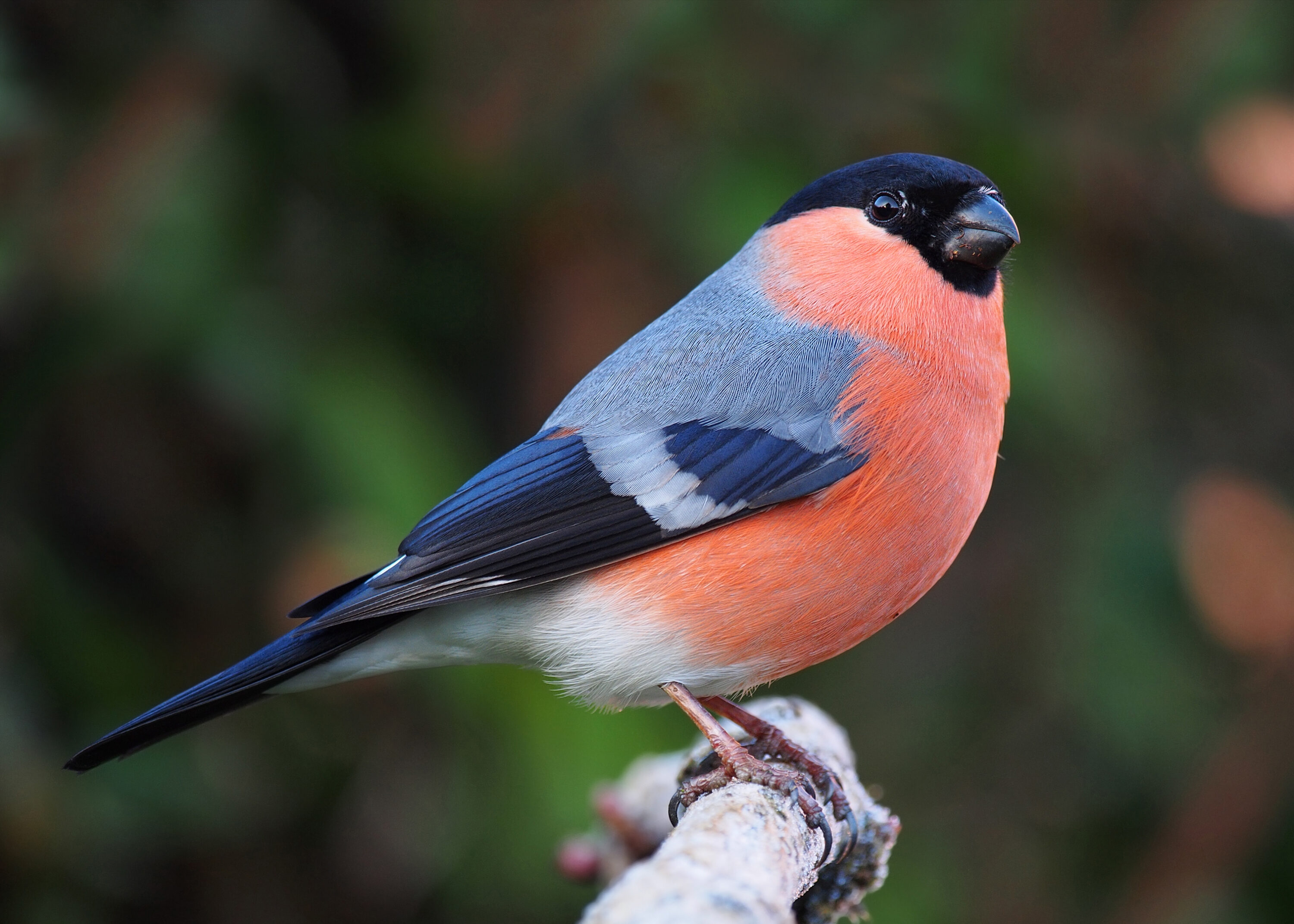
Eurasian Bullfinch ABCB1 Repeat Lowered Protein Levels but Did Not Explain Ivermectin Sensitivity
A 2026 molecular study found an unusual repeat in the Eurasian bullfinch ABCB1 drug transporter that reduced total…
Read story →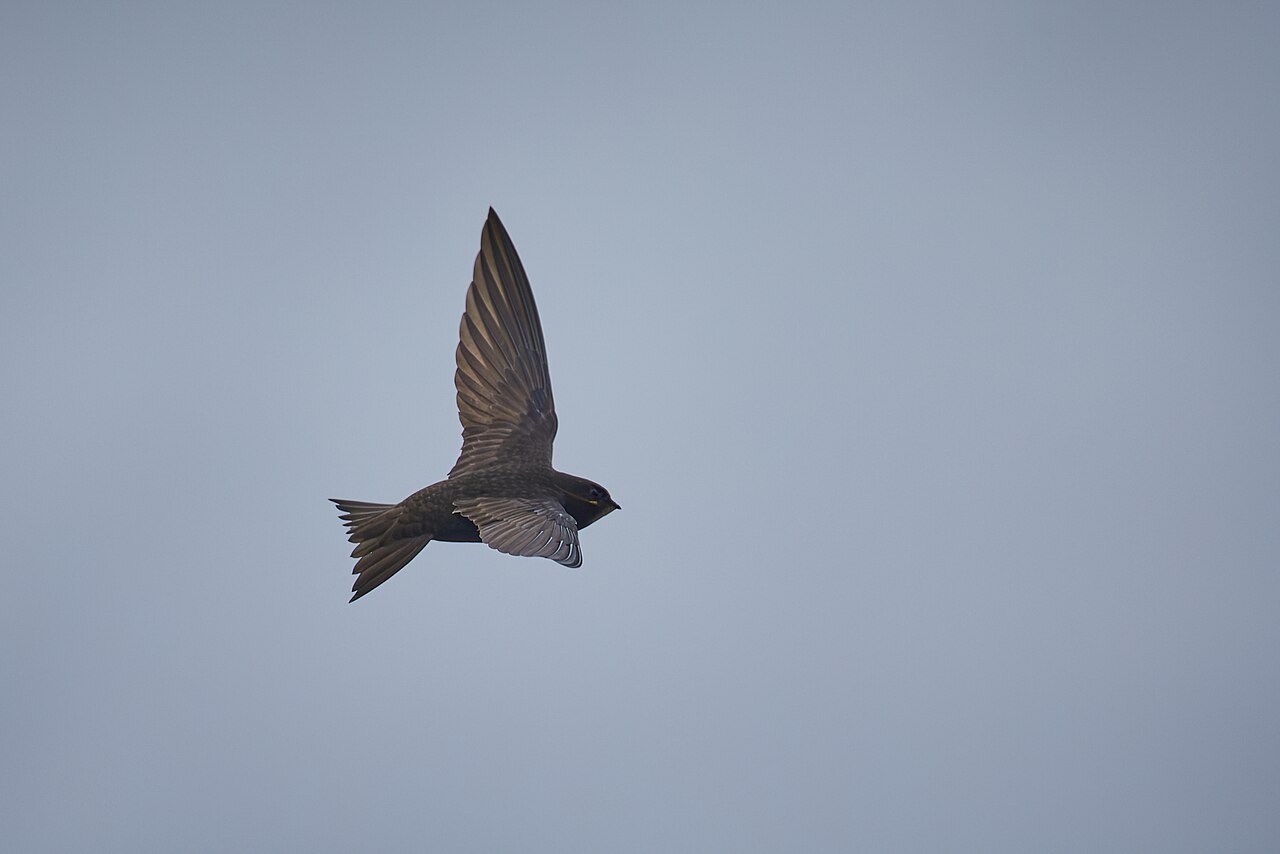
UK Breeding Bird Survey: Swift Index Fell 70% as Scotland’s Chiffchaff Index Rose 1,443%
The 2025 UK Breeding Bird Survey revealed steep long-term declines, major regional divergences and some striking increases, including…
Read story →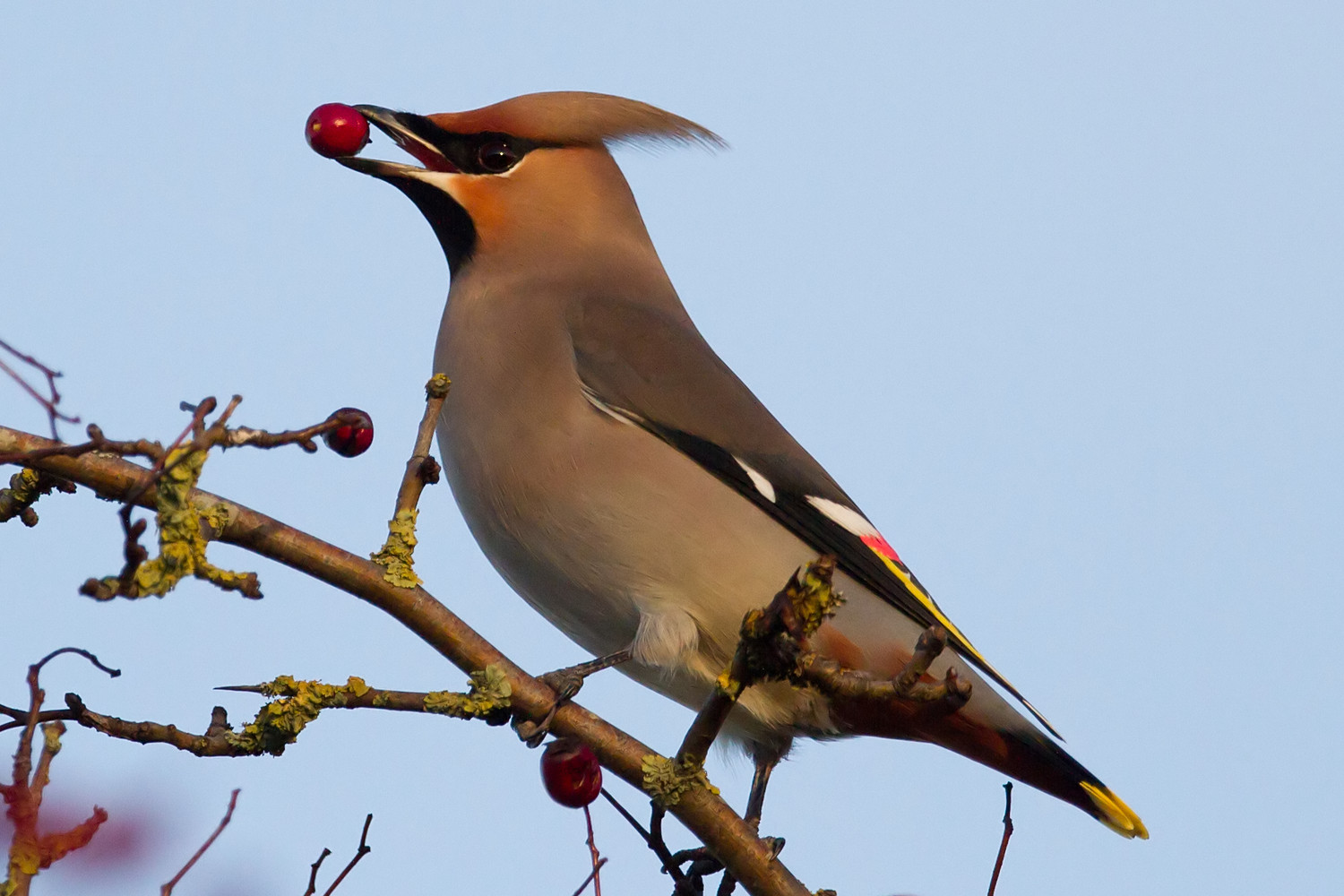
Waxwings, Bullfinches and Redpolls Arrived Earlier in Tatarstan Over 33 Years
Across 33 years around Kazan, first autumn records moved earlier for Bohemian waxwings, Eurasian bullfinches and redpolls. Rough-legged…
Read story →SPECIES IN THIS STORY
Species in this story
Independent research and conservation news archive
Did you find this information useful?
Wildlife Vagabond is independently built and maintained. Voluntary support helps cover source verification, hosting and continued work on research and conservation news.
Support Wildlife VagabondThe news archive will remain freely available.