
UK Breeding Bird Survey: Swift Index Fell 70% as Scotland’s Chiffchaff Index Rose 1,443%
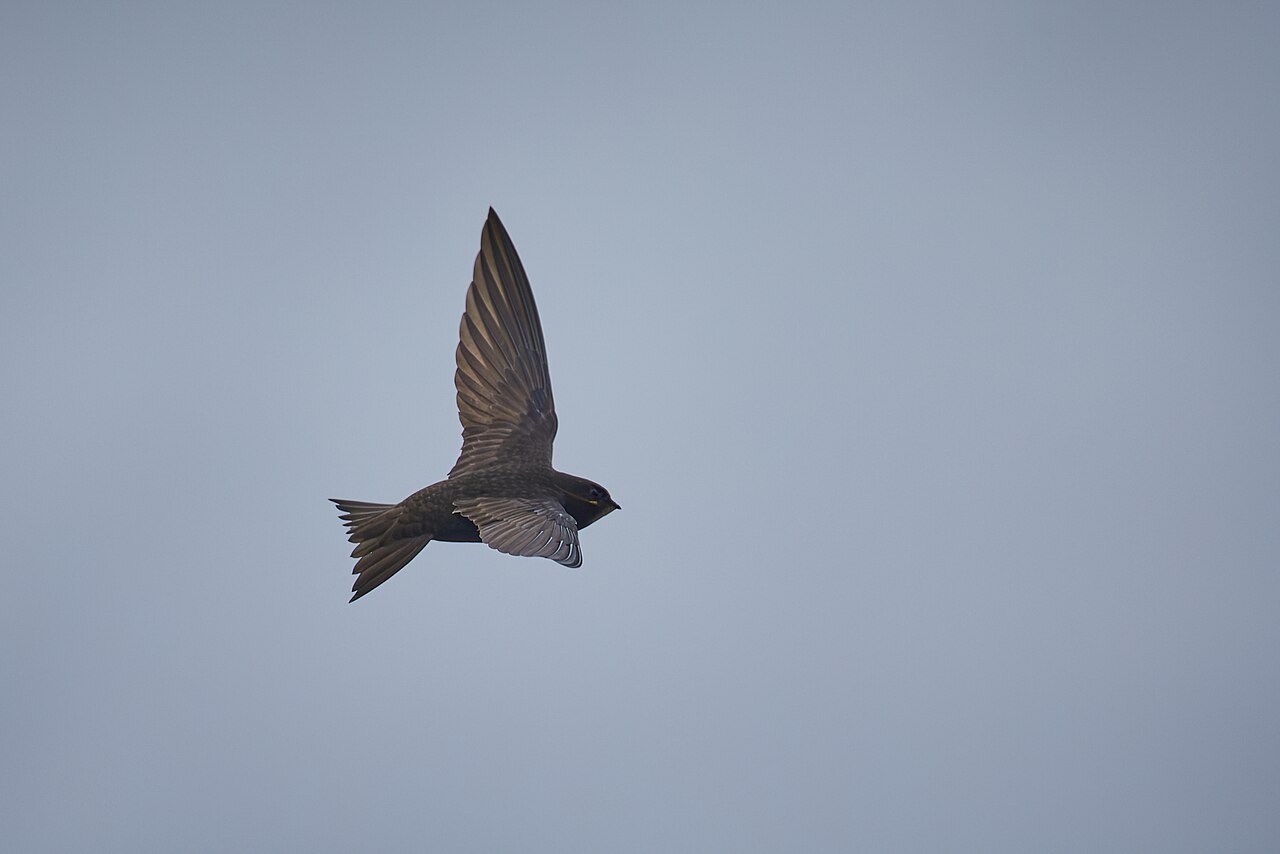
The 2025 UK Breeding Bird Survey revealed sharply contrasting population trends among widespread breeding birds. The report, published on 9 April 2026, shows a 70% long-term decline in the common swift (Apus apus) index, while the chiffchaff (Phylloscopus collybita) index in Scotland was 1,443% higher than in 1995. Other species showed equally strong regional contrasts rather than one uniform national pattern.
The 2025 field season had record coverage, with 2,823 volunteers surveying 4,058 one-kilometre squares. The published percentages are changes in standardised abundance indices, not complete censuses of every bird. Most long-term BBS comparisons run from 1995 to 2024, while shorter trends and the unsmoothed 2024–2025 change are reported separately.
Several long-term declines remained severe
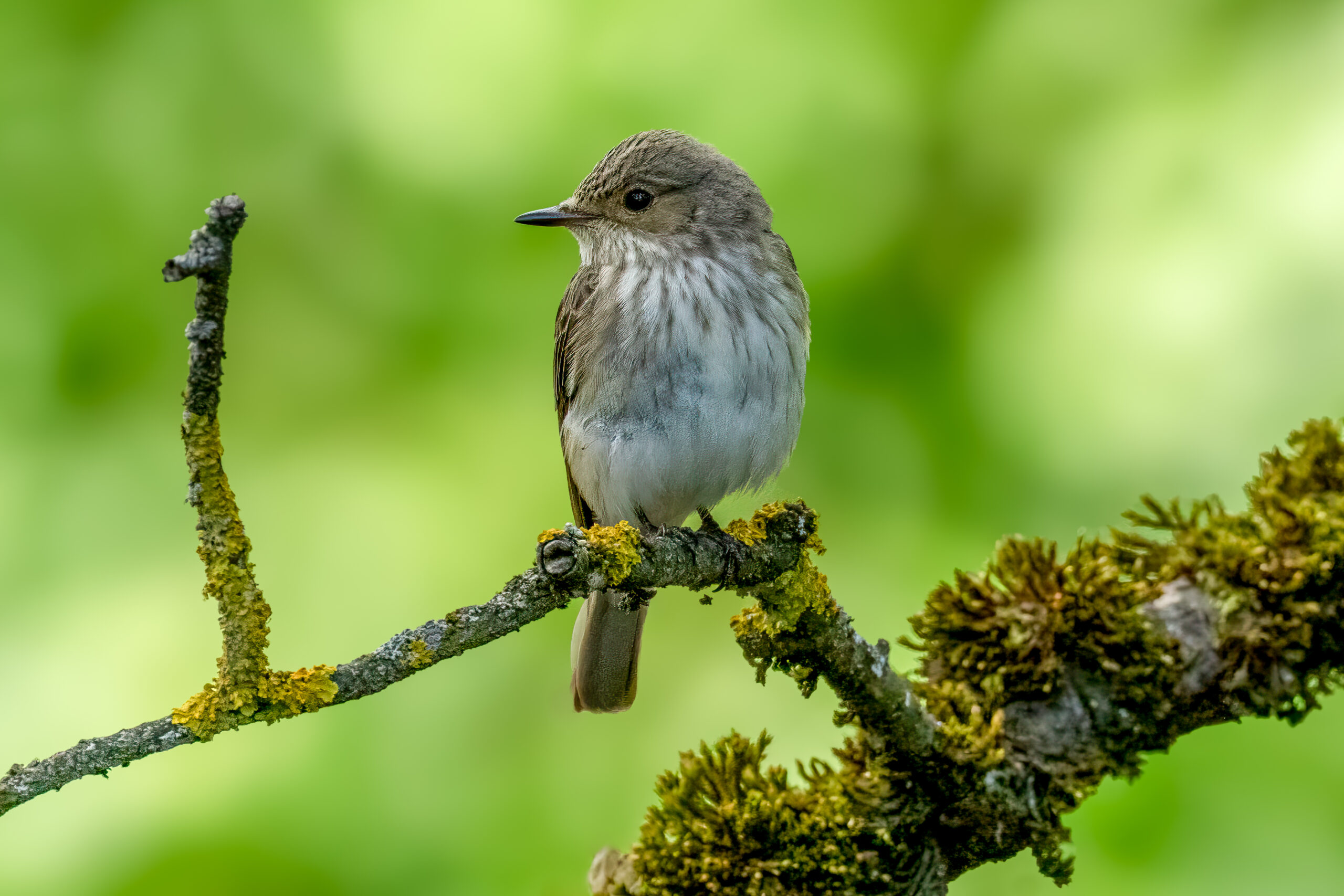
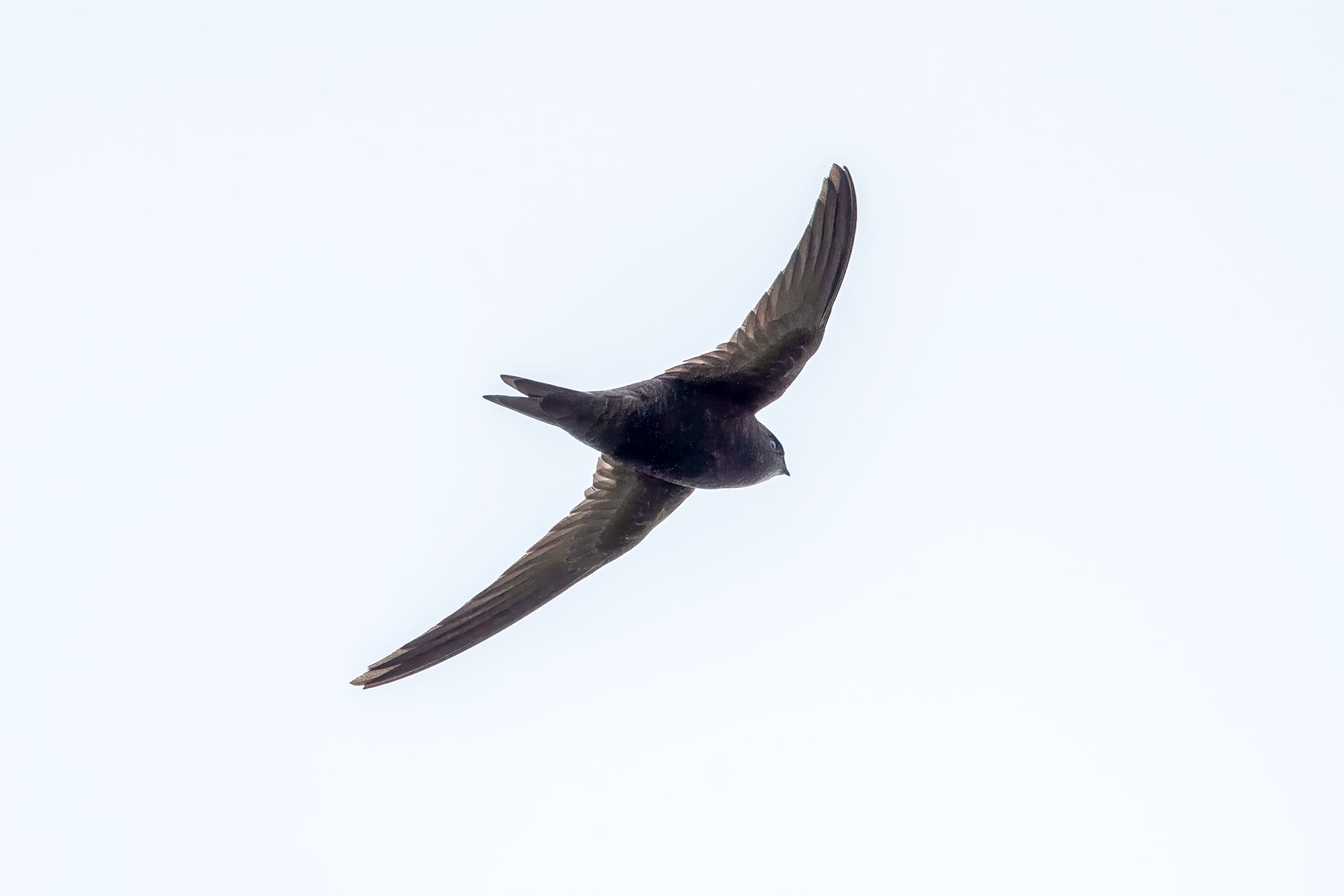
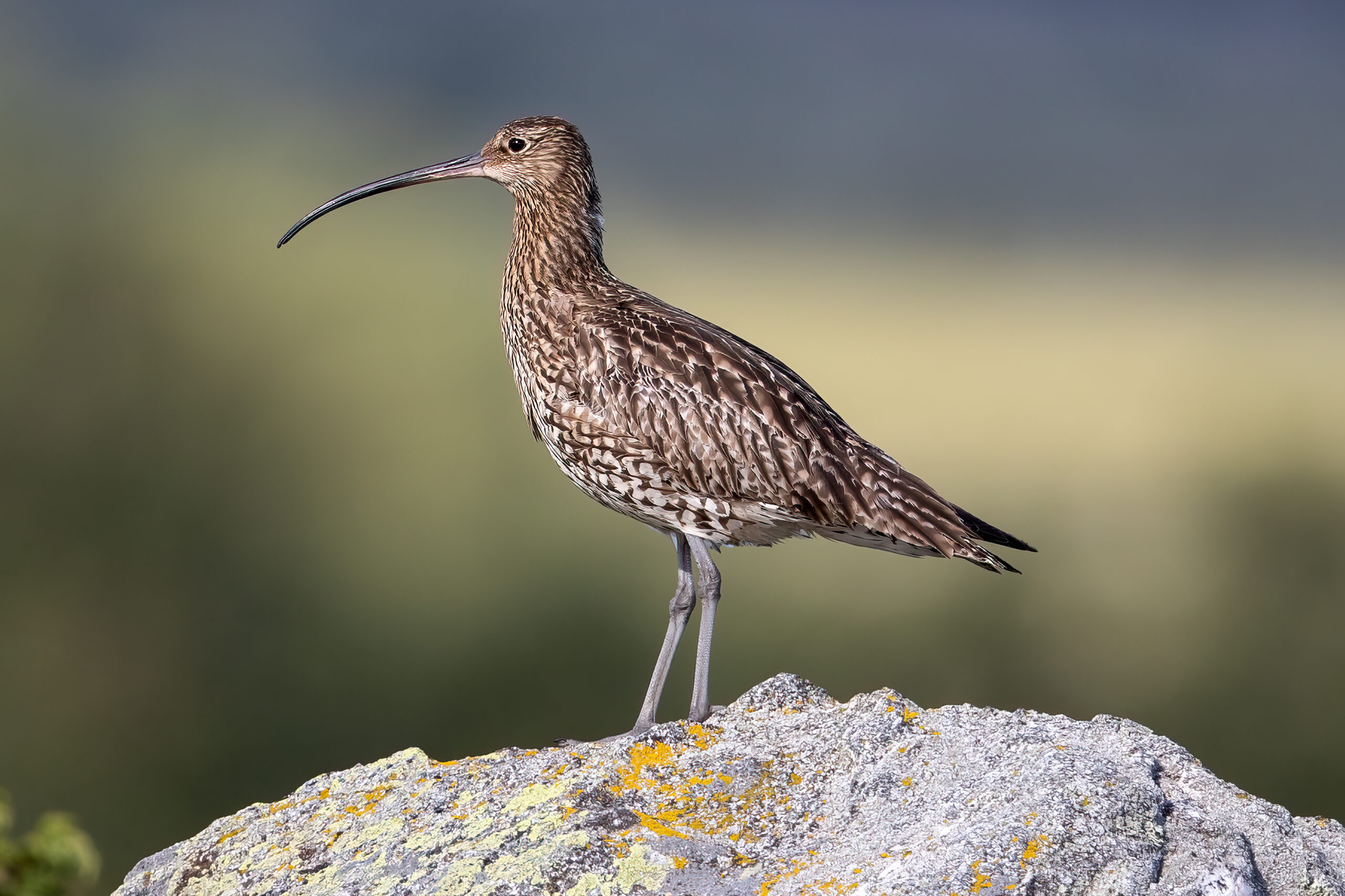
Common swift was among the clearest national declines: the UK index was 70% lower than in 1995, with declines of 71% in England, 67% in Scotland and 76% in Wales. Spotted flycatcher (Muscicapa striata) fell 61% at UK level, while curlew (Numenius arquata) fell 51%, including 62% in Scotland and 74% in Wales. Oystercatcher (Haematopus ostralegus) was 23% lower across the UK and 41% lower in Scotland.
Other declines were more recent or less extreme. Meadow pipit (Anthus pratensis) was 19% below its 1995 level and great tit (Parus major) fell 17% between 2014 and 2024; blue tit (Cyanistes caeruleus) declined 8% over the same decade. Common redstart (Phoenicurus phoenicurus) and dunnock (Prunella modularis) also declined over the latest decade, by 22% and 14%, respectively. In the Waterways Breeding Bird Survey component, grey wagtail (Motacilla cinerea) declined 47% along waterways and adjacent habitat between 1975 and 2023.
England and Scotland often moved in opposite directions
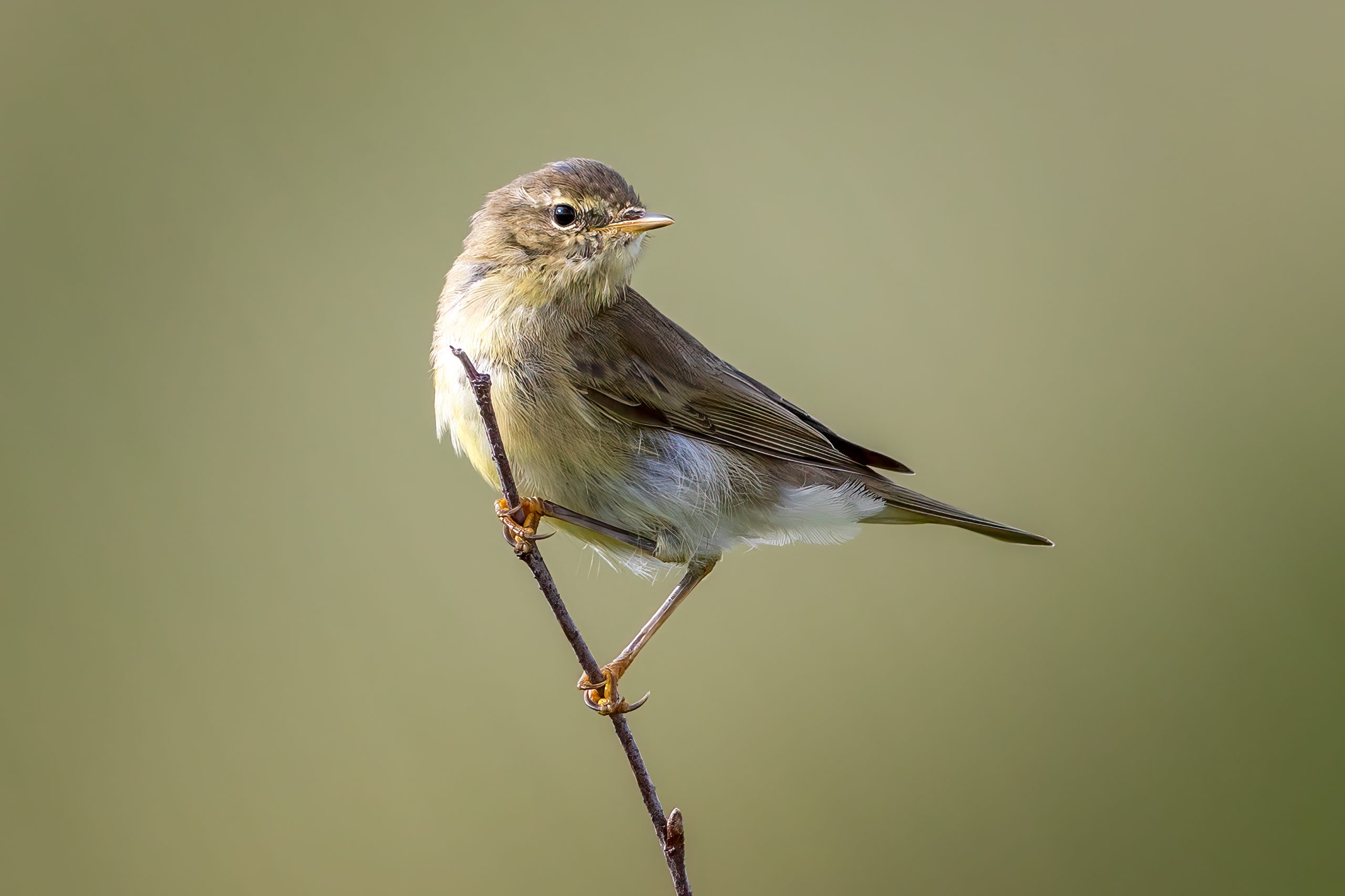
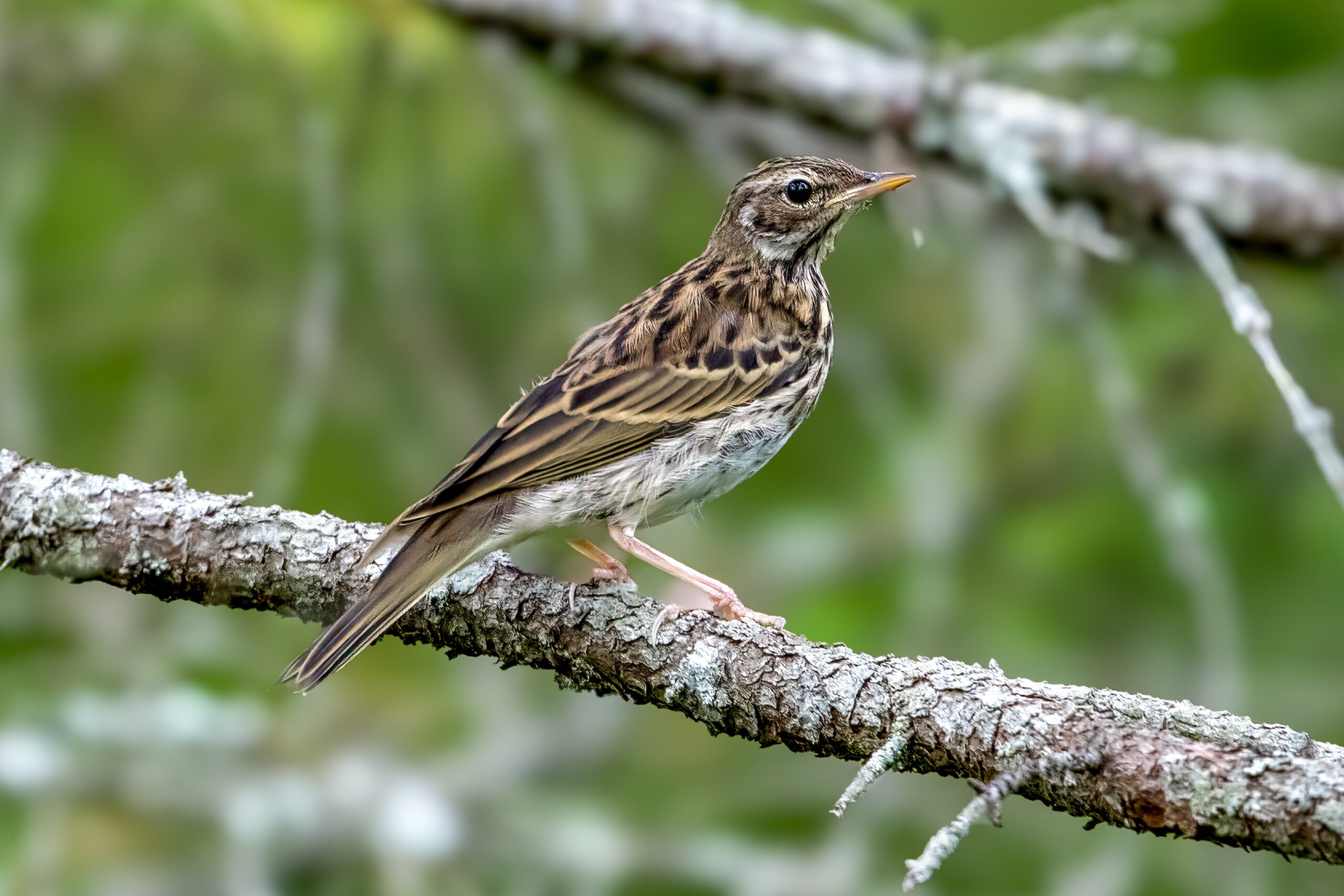
Some of the strongest results only become visible below UK level. Willow warbler (Phylloscopus trochilus) declined 47% in England between 1995 and 2024 but increased 35% in Scotland. Tree pipit (Anthus trivialis) fell 62% in England while rising 90% in Scotland, and bullfinch (Pyrrhula pyrrhula) declined 43% in England but increased 55% in Scotland.
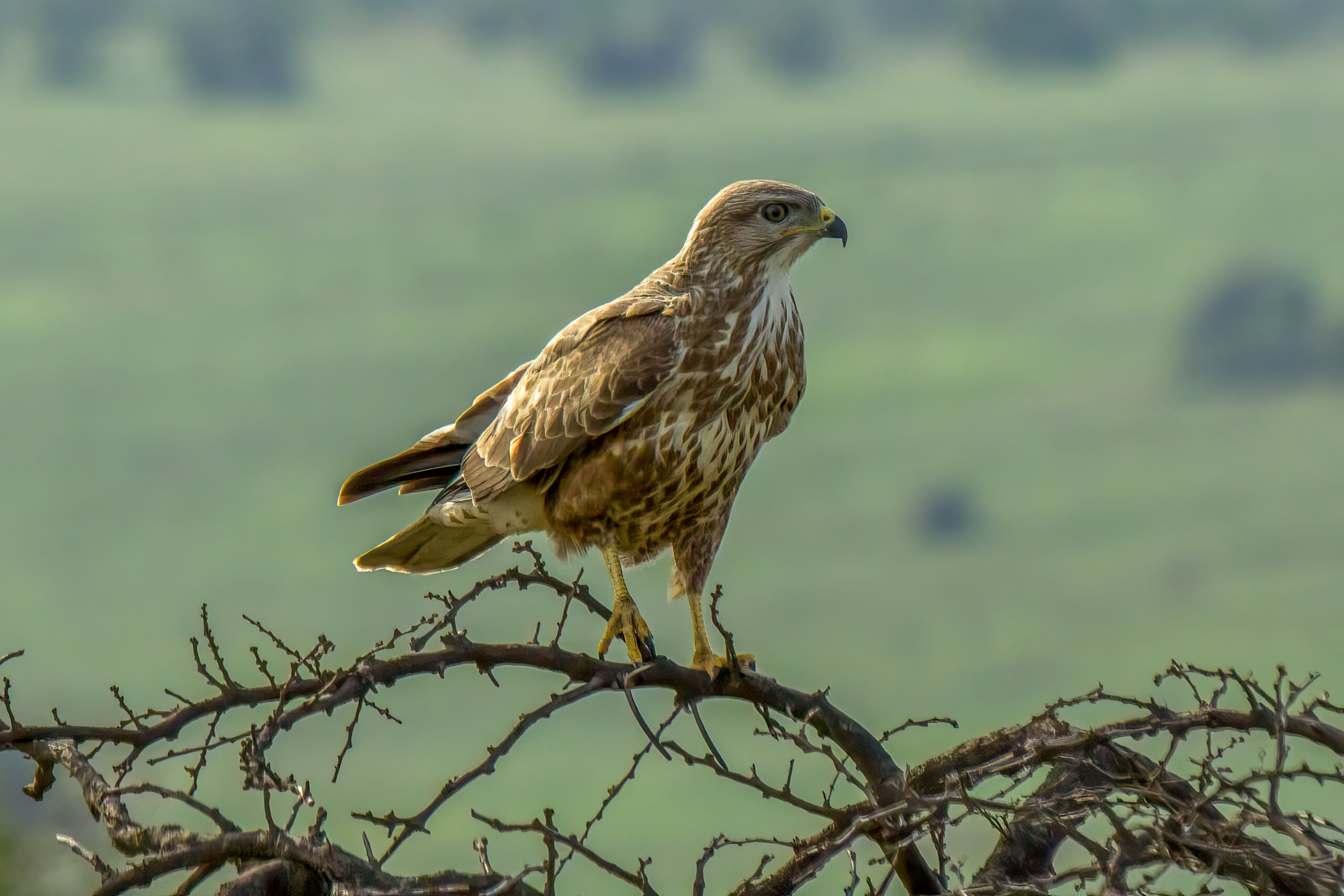
Cuckoo (Cuculus canorus) showed an especially large split: the UK index was 33% lower than in 1995 and the English index 70% lower, whereas Scotland increased 68%. The latest decade was more positive nationally, with a 16% UK increase from 2014 to 2024. Buzzard (Buteo buteo) showed the reverse type of contrast: its UK index was 76% higher over the long term, but Wales recorded a 20% decline during the latest decade.
Several species recorded large increases
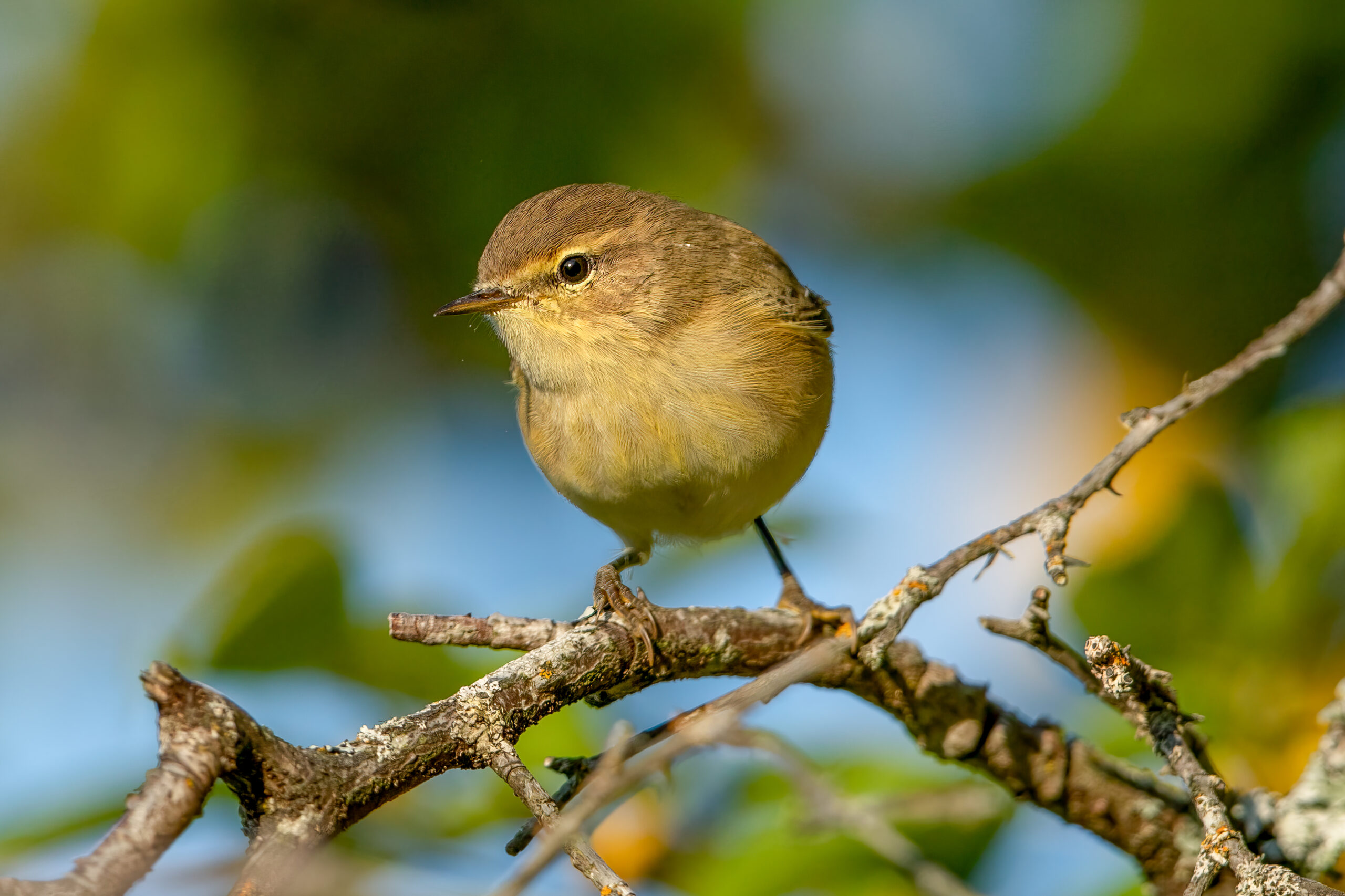
Chiffchaff rose strongly across Great Britain, including 227% at UK level and 1,443% in Scotland. Northern Ireland recorded a 401% long-term increase in goldfinch (Carduelis carduelis) and a 104% increase in hooded crow (Corvus cornix). The carrion crow (Corvus corone) index across the UK remained 15% above its 1995 level, although it declined 4% during the latest decade.
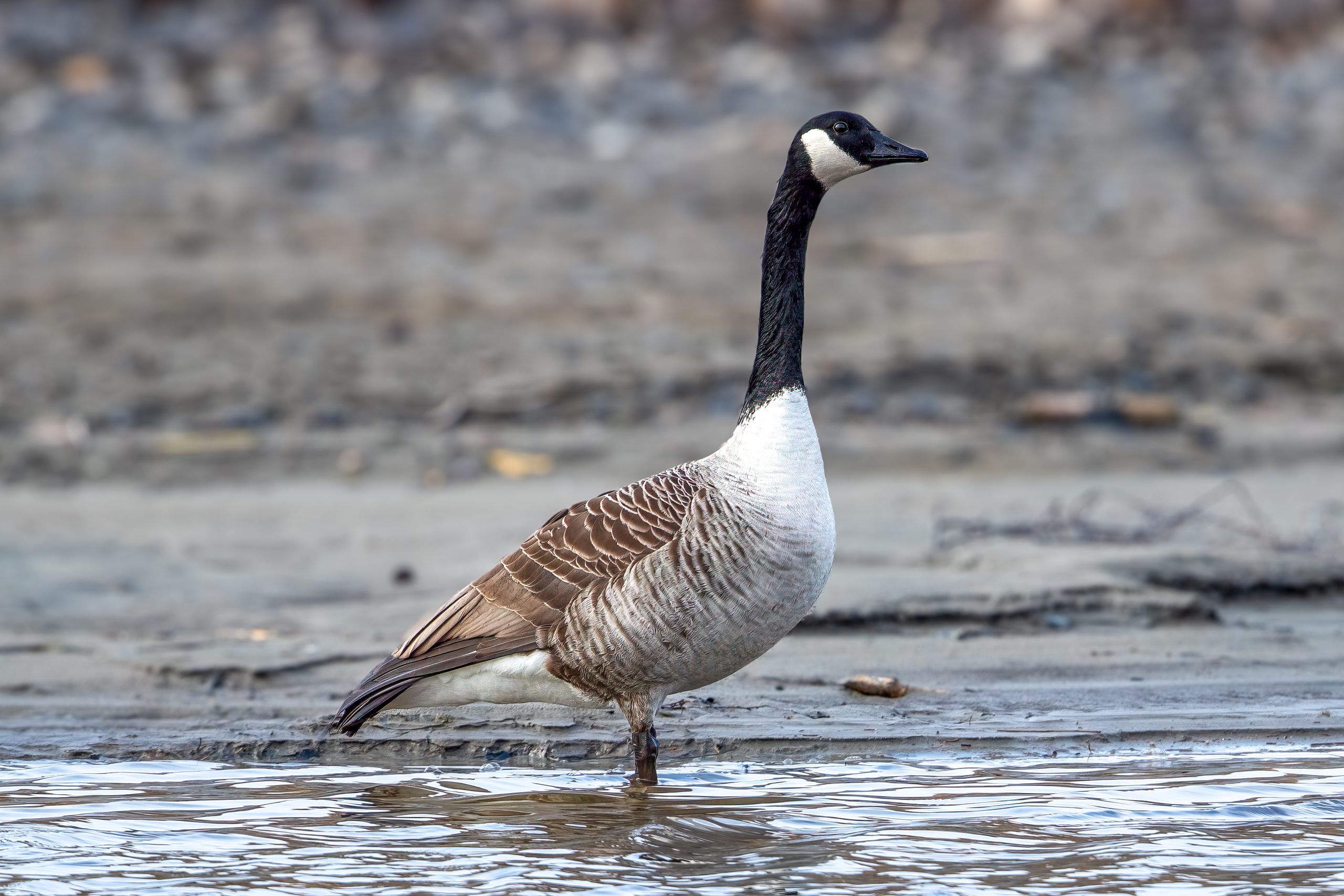
Stock dove (Columba oenas) was another clear increase: its UK breeding index was 57% above the 1995 level, and the report highlights an increase of more than 40% over the latest decade. Canada goose (Branta canadensis) increased 128% across the UK and 753% in Wales. Wren (Troglodytes troglodytes) rose 41% nationally, song thrush (Turdus philomelos) 37% and robin (Erithacus rubecula) 31%. House sparrows (Passer domesticus) in Wales almost doubled over the long-term BBS period, despite the species’ less favourable history elsewhere in Britain.
One-year changes sometimes pointed in a different direction
The report also shows why a single year should not be confused with a long-term trend. Long-tailed tit (Aegithalos caudatus) increased 17% across the UK from 2024 to 2025 and 72% in Scotland, even though its UK ten-year trend was effectively flat. Redpoll (Acanthis flammea) rose 51% nationally and 71% in Scotland in one year, while neither its UK ten-year nor long-term trend showed a clear increase or decrease.
Goldcrest (Regulus regulus) in Northern Ireland showed the opposite combination: its index had increased 72% between 2014 and 2024, then fell 30% from 2024 to 2025. Robin likewise remained 31% above its 1995 UK level despite a 5% fall in the latest year. These contrasts are why the report presents one-year, ten-year and long-term estimates separately rather than treating them as interchangeable measures of population direction.
Population & status
Related news
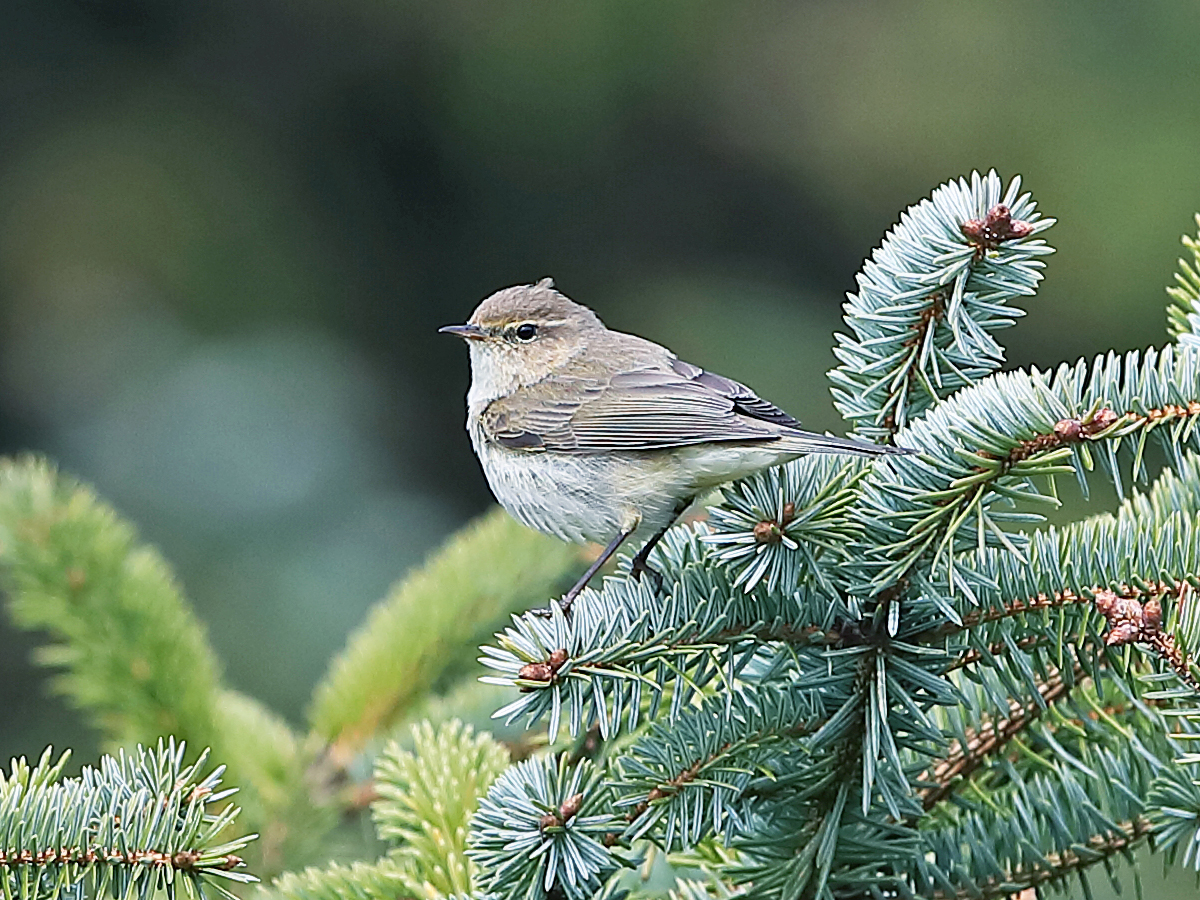
28 Acoustic Stations Tracked Spring Arrival of Three Migratory Songbirds Across Norway
A nationwide passive acoustic network collected 37,429 hours of audio and mapped the spring arrival of common chiffchaffs,…
Read story →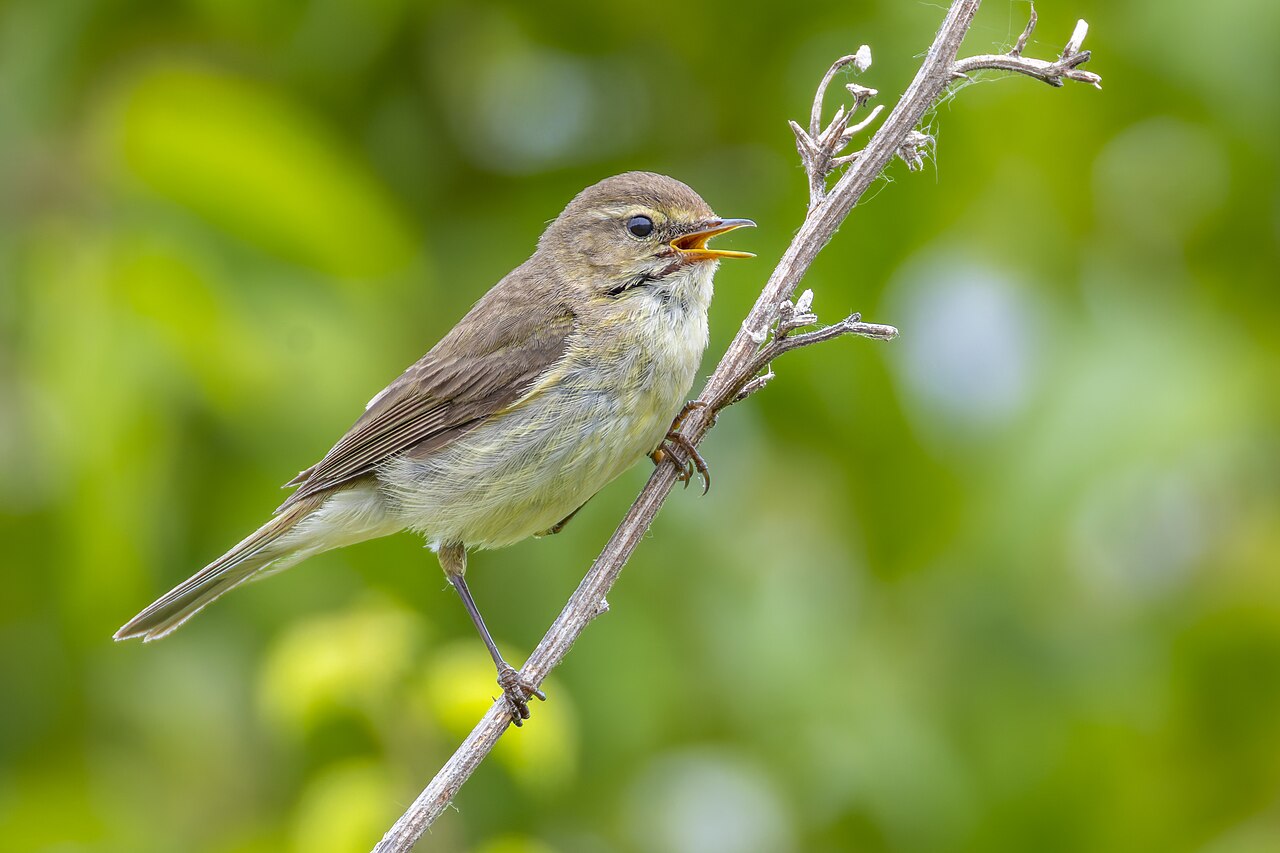
Chiffchaff Subspecies Followed Different Migration Routes and Diverged Most Strongly at MARB
Tracking and genomic data from Baltic-region common chiffchaffs showed contrasting southwest and southeast migration routes, while the strongest…
Read story →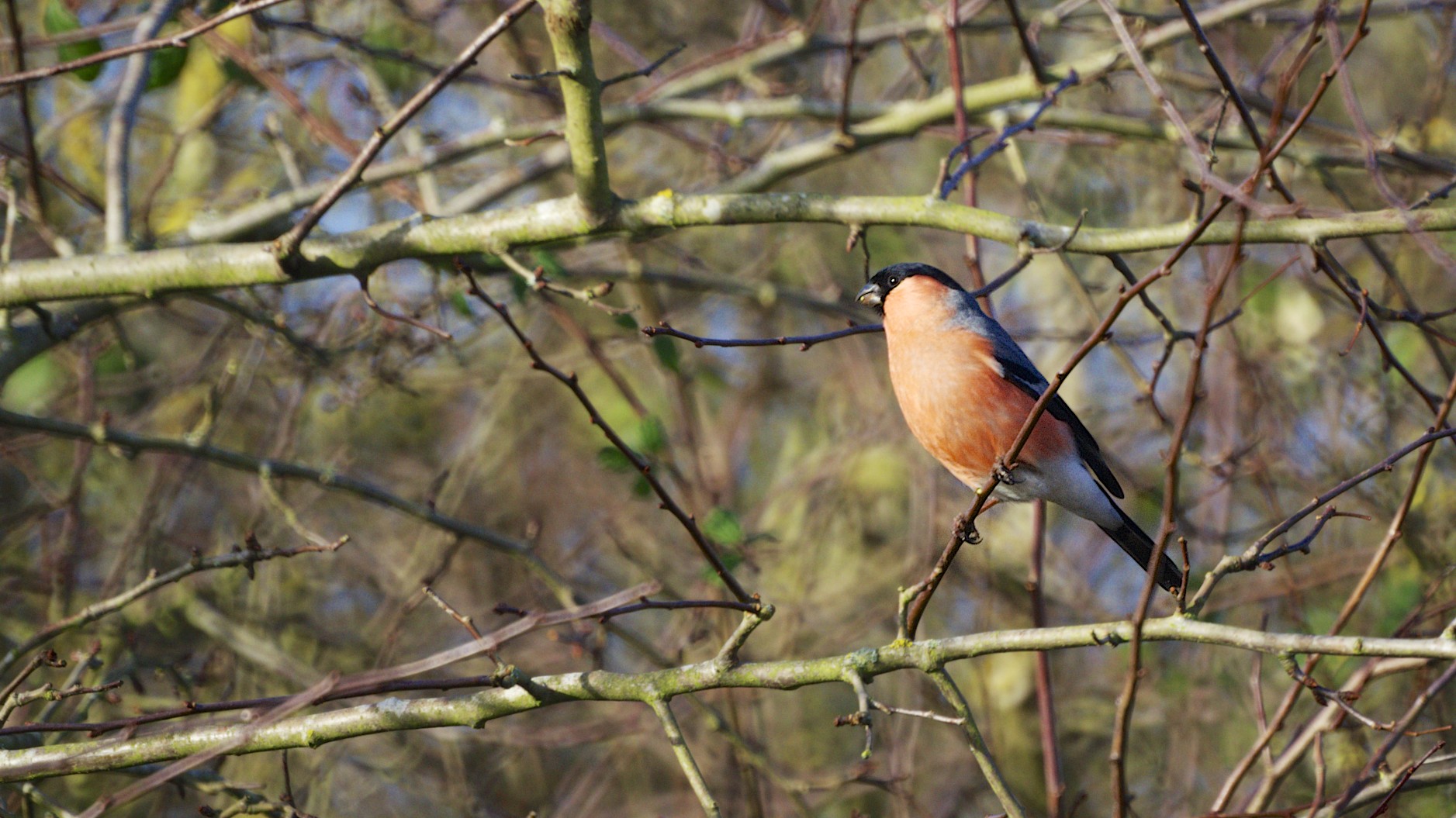
51 Years of Bullfinch Monitoring Revealed Decline, Male Bias and Age-Matched Pairs
A 51-year study in Treswell Wood, England, recorded a strong Eurasian Bullfinch decline. Among 2,065 ringed birds, males…
Read story →SPECIES IN THIS STORY
Species in this story
 Willow Warbler
Phylloscopus trochilus Explore species →
Willow Warbler
Phylloscopus trochilus Explore species →
 Tree Pipit
Anthus trivialis Explore species →
Tree Pipit
Anthus trivialis Explore species →
 Common Chiffchaff
Phylloscopus collybita Explore species →
Common Chiffchaff
Phylloscopus collybita Explore species →
 Spotted Flycatcher
Muscicapa striata Explore species →
Spotted Flycatcher
Muscicapa striata Explore species →
 Common Swift
Apus apus Explore species →
Common Swift
Apus apus Explore species →
 Common Buzzard
Buteo buteo Explore species →
Common Buzzard
Buteo buteo Explore species →
 Canada Goose
Branta canadensis Explore species →
Canada Goose
Branta canadensis Explore species →
 Eurasian Curlew
Numenius arquata Explore species →
Eurasian Curlew
Numenius arquata Explore species →
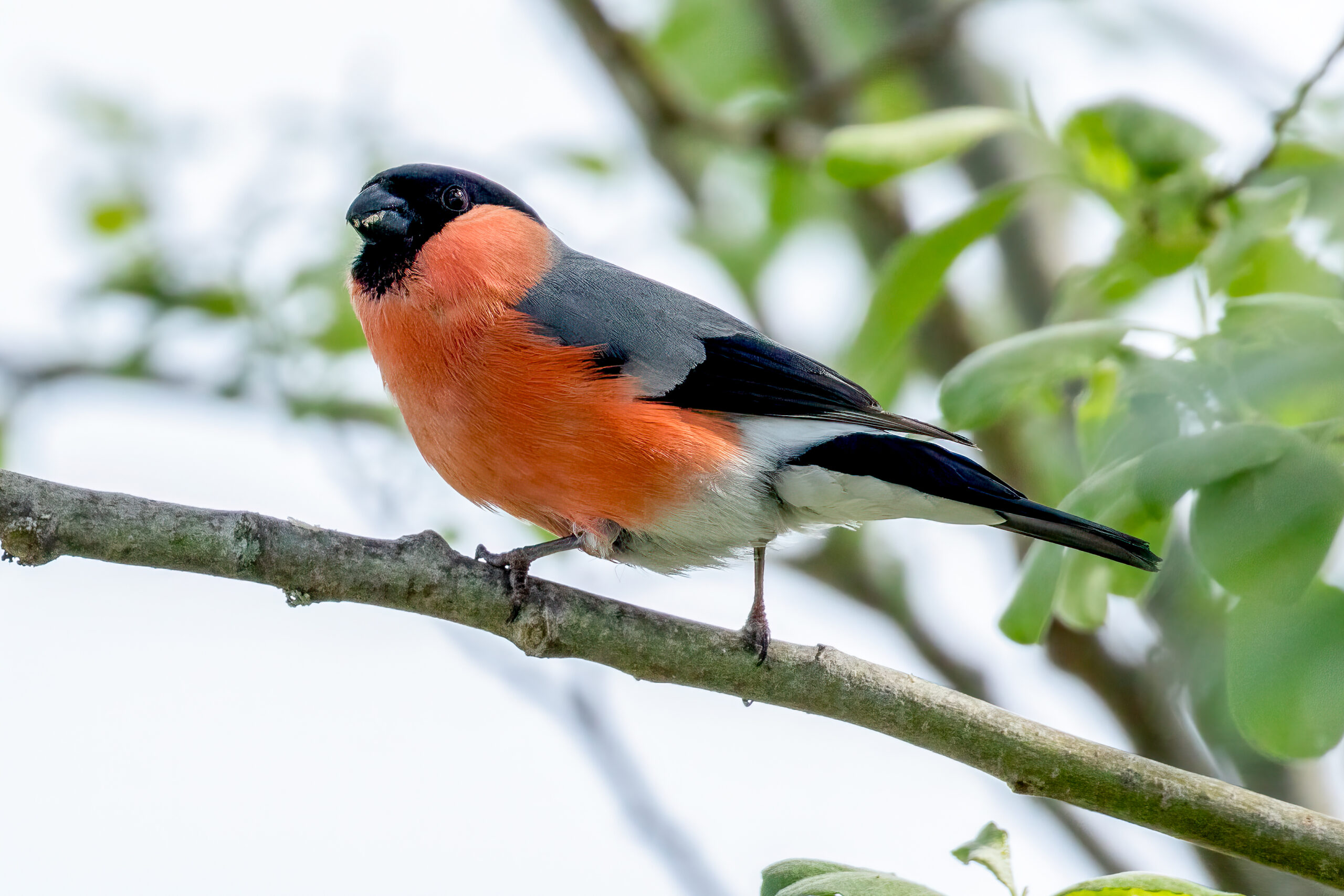 Eurasian Bullfinch
Pyrrhula pyrrhula Explore species →
Eurasian Bullfinch
Pyrrhula pyrrhula Explore species →
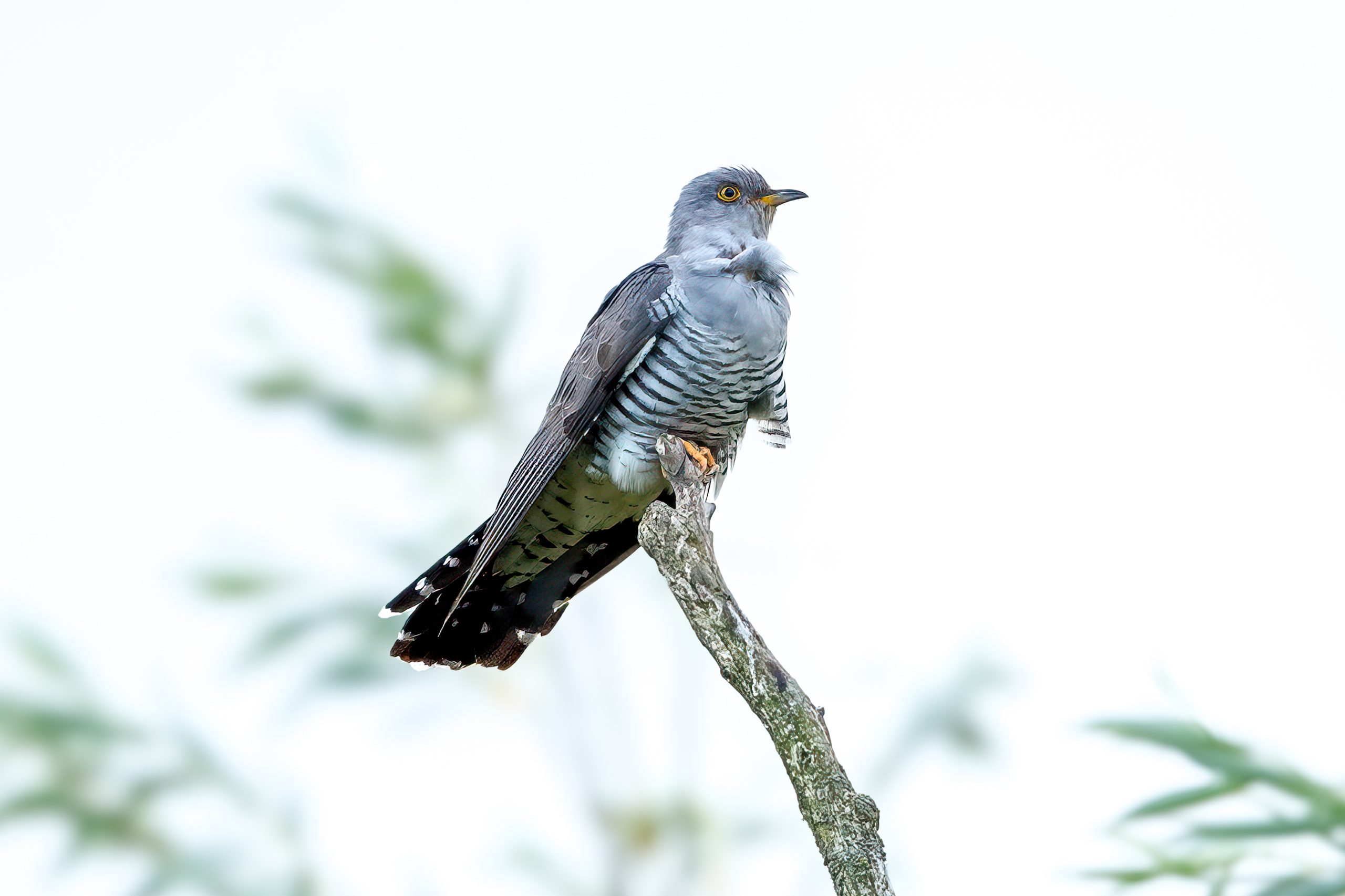 Common Cuckoo
Cuculus canorus Explore species →
Common Cuckoo
Cuculus canorus Explore species →
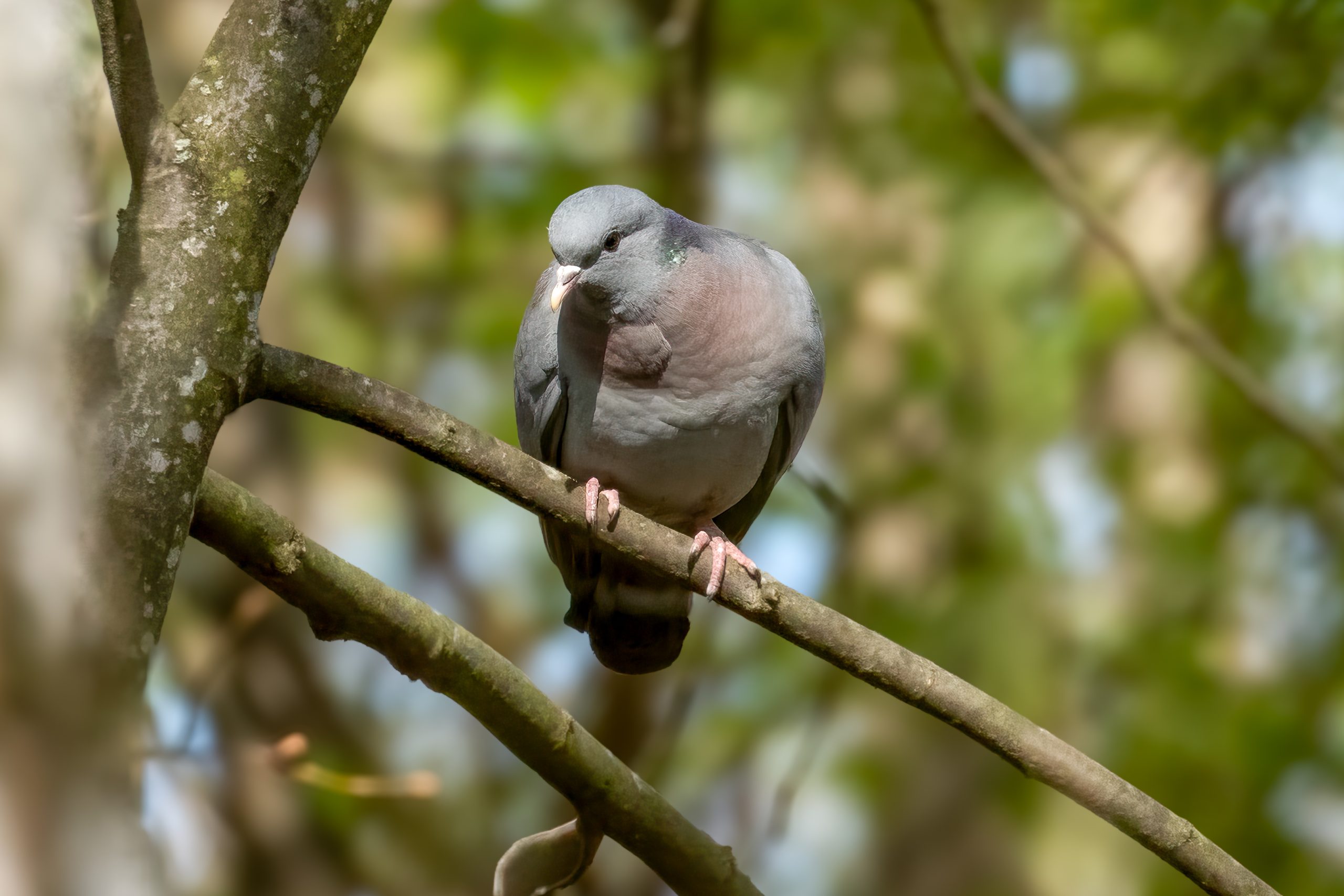 Stock Dove
Columba oenas Explore species →
Stock Dove
Columba oenas Explore species →
Independent research and conservation news archive
Did you find this information useful?
Wildlife Vagabond is independently built and maintained. Voluntary support helps cover source verification, hosting and continued work on research and conservation news.
Support Wildlife VagabondThe news archive will remain freely available.