
Camera traps reveal three separated leopard groups in China’s Taihang Mountains
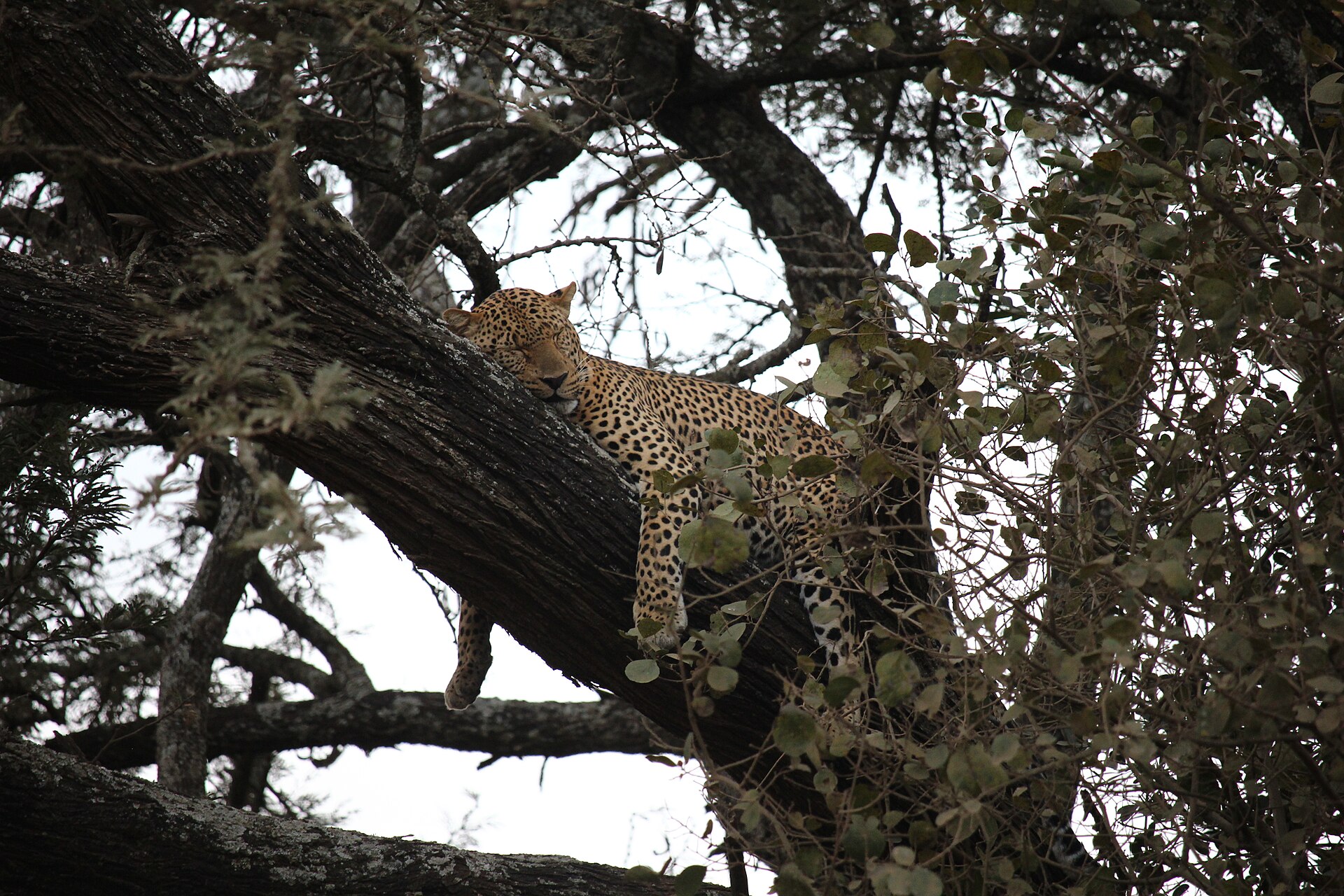
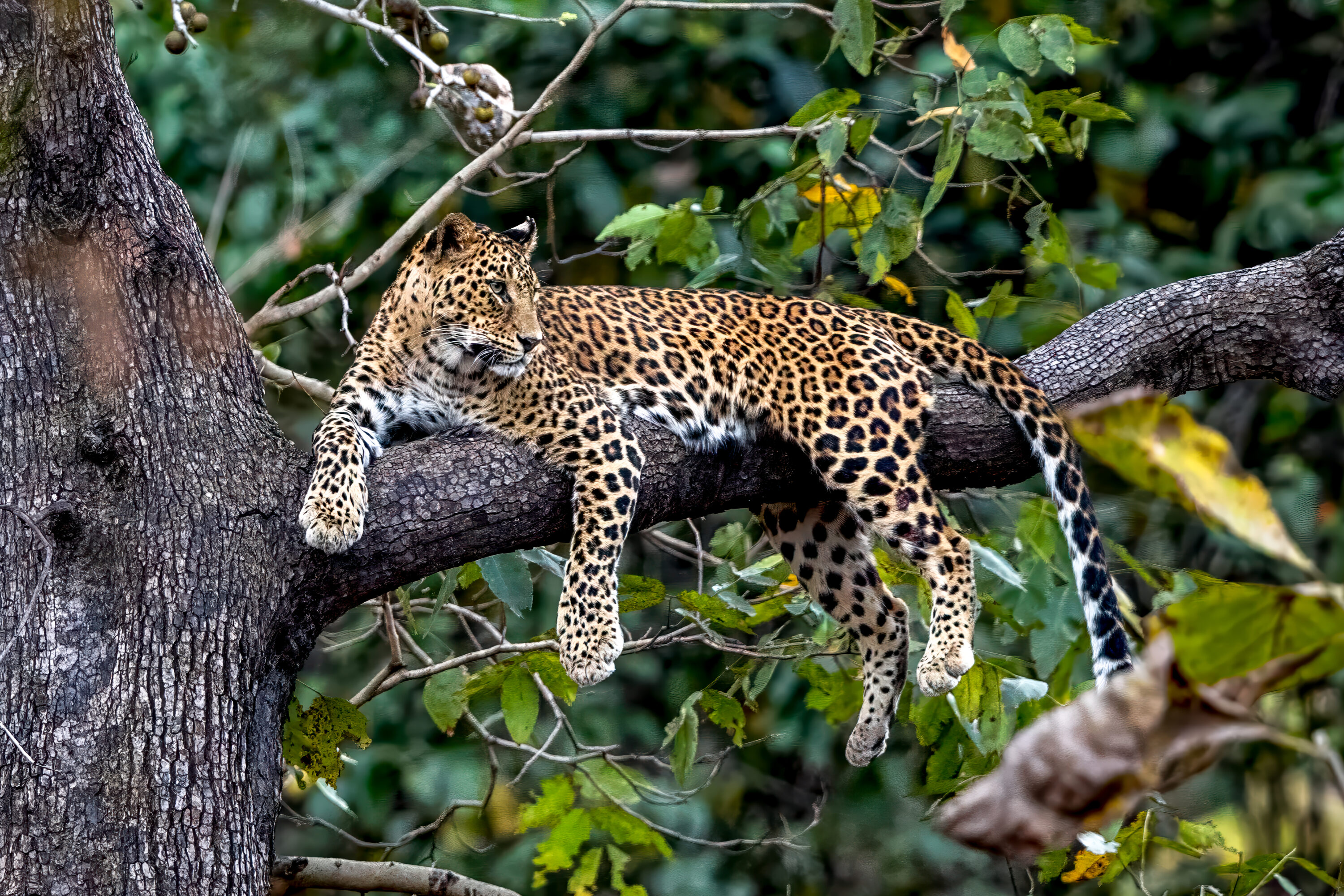
Leopards’ coat patterns can help researchers recognize individuals in camera-trap photographs. In China’s Taihang Mountains in Henan, researchers used images collected between 2017 and 2024 to identify 41 wild North China leopards, Panthera pardus japonensis. Following individuals over time revealed how they used the landscape and where their movements appeared to be separated.
Camera records allowed researchers to map detected movements for 18 leopards and estimate the home ranges—the areas individuals regularly use—of 17. Estimates varied widely: 1.63–29.09 km² in Jiyuan and 2.66–10.88 km² in Jiaozuo. Males generally had larger ranges than females. In Jiyuan, male ranges largely did not overlap; in Jiaozuo, they overlapped more. In both areas, all estimated female ranges fell within male ranges. These are estimates based on camera detections, not continuous tracking.
The records revealed three spatially separated groups: two in Jiyuan, on opposite sides of expressway S95, and one in Jiaozuo. No leopard was detected in both Jiyuan groups during monitoring. In the western part of Jiyuan, cameras recorded only five crossings of secondary road X012 over eight years. This pattern is consistent with infrastructure contributing to habitat fragmentation, although camera records alone cannot show that the roads caused the groups’ separation.
Researchers counted a co-appearance event when different leopards were detected at the same place or within 3 km of one another over 24 hours. These records suggest possible social interactions, but do not necessarily mean the animals met directly. In Jiyuan, females were recorded in all 14 co-appearance events, compared with males in 7. In Jiaozuo, males appeared in 10 of 11 events, compared with females in 4. These records offer a glimpse of leopard social relationships, including females appearing with their offspring, but do not capture every interaction.
Individual records can help conservationists monitor how leopards use the landscape and assess whether roads and other infrastructure may limit connections between groups. The findings provide a basis for further monitoring and conservation planning for North China leopards in the Taihang Mountains.
Ecology
Related news
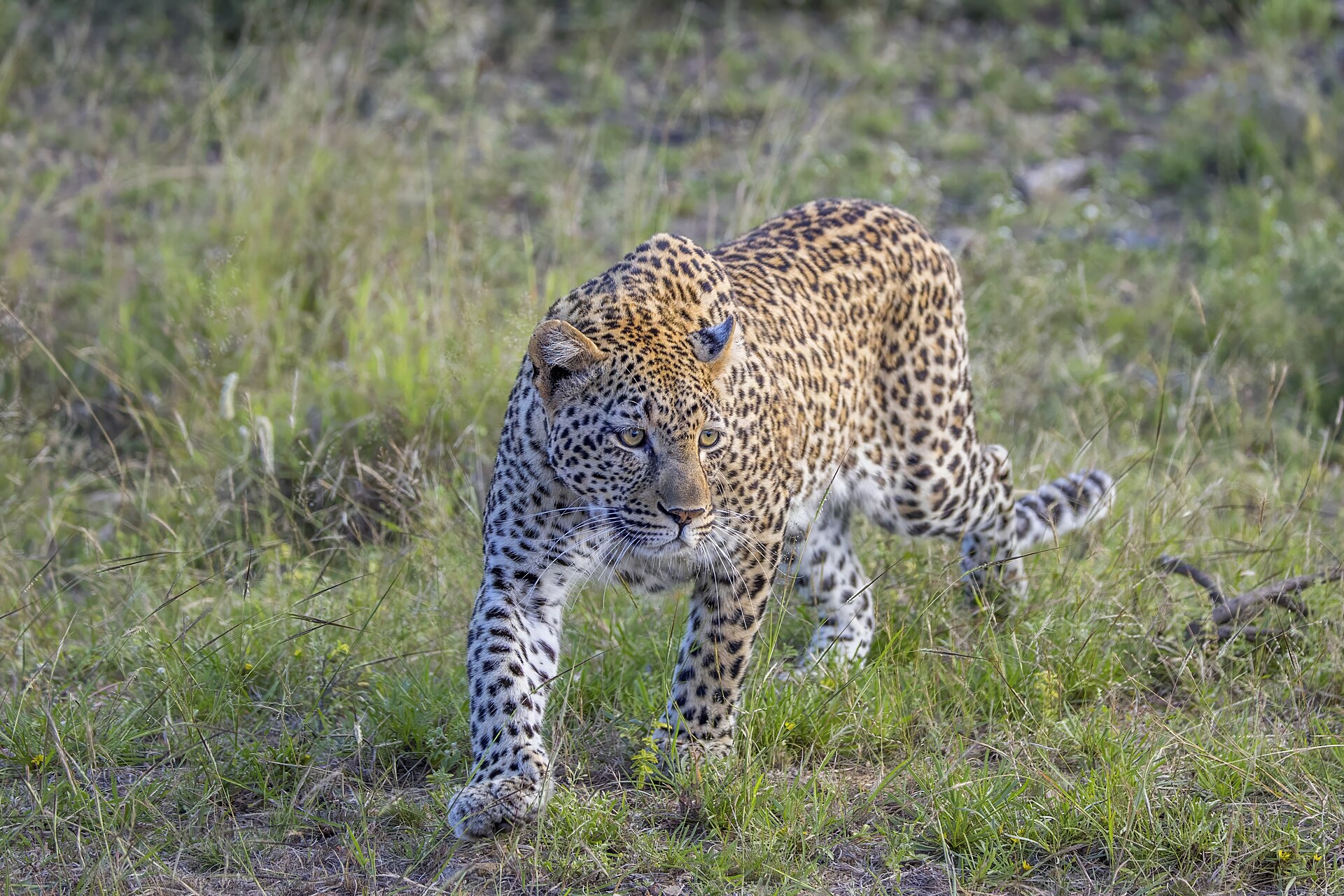
Two leopard skins seized in suspected wildlife-trafficking raid in Kalahandi
A raid in Saisurani Range, India, led to the reported seizure of two leopard skins, other wildlife remains…
Read story →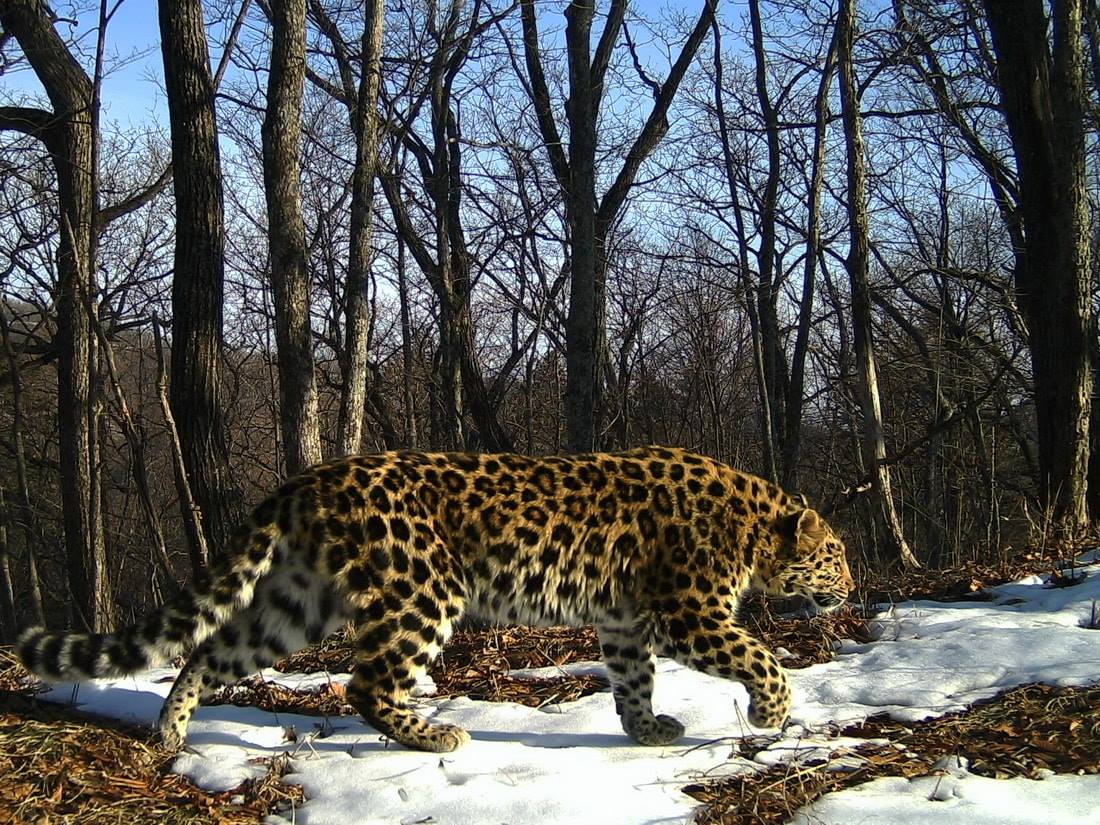
Wild tiger and leopard populations more than double in China’s Northeast Tiger and Leopard National Park
A five-year account from China’s Northeast Tiger and Leopard National Park reports rising numbers of both big cats,…
Read story →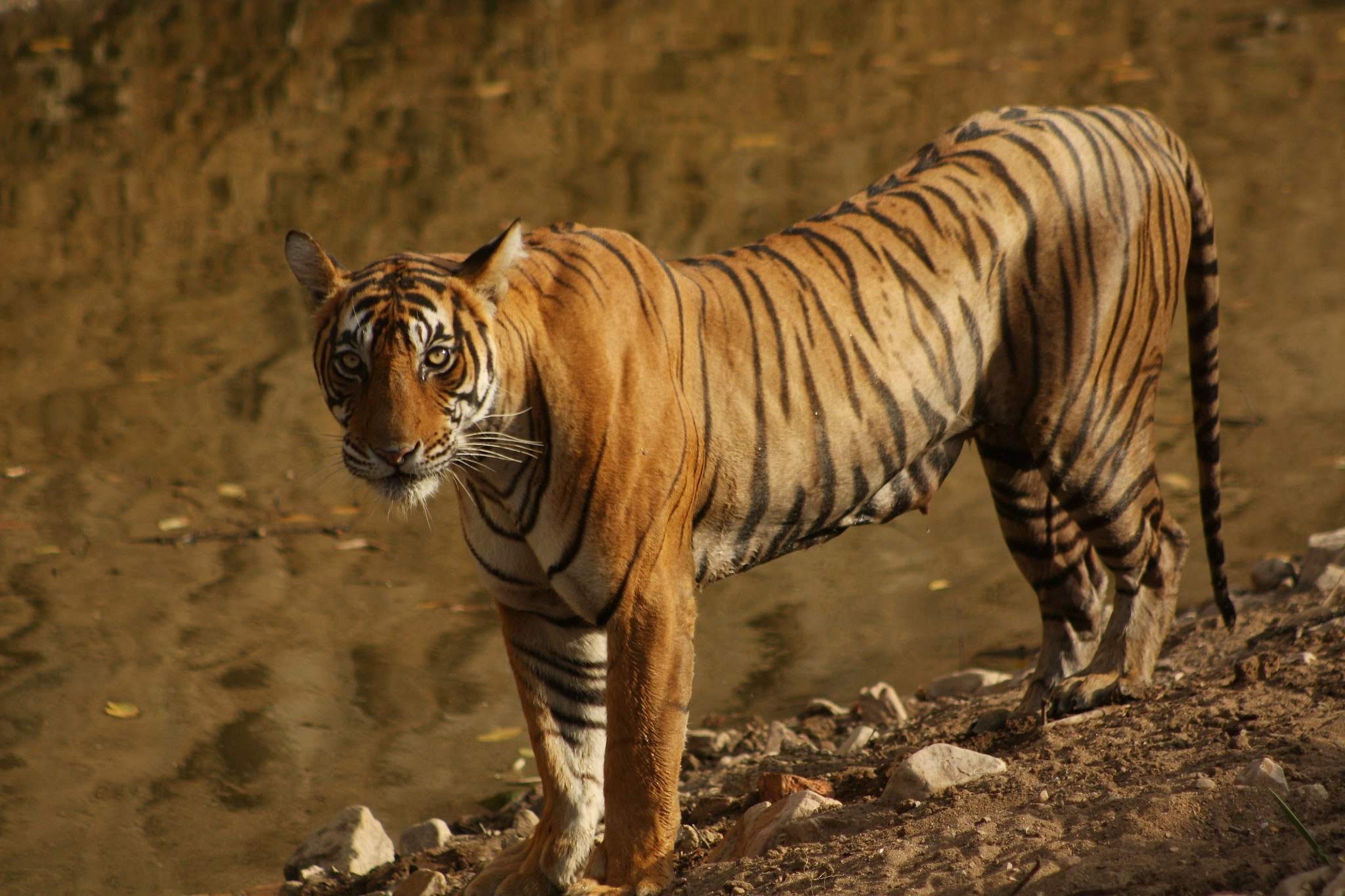
More Human Activity Linked to Tigers Becoming More Nocturnal and Leopards Shifting Their Core Areas
Camera traps at more than 300 sites in northeast China recorded tigers becoming more nocturnal at sites with…
Read story →SPECIES IN THIS STORY
Species in this story
Independent research and conservation news archive
Did you find this information useful?
Wildlife Vagabond is independently built and maintained. Voluntary support helps cover source verification, hosting and continued work on research and conservation news.
Support Wildlife VagabondThe news archive will remain freely available.