
Anticoagulant Rat Poisons Were Detected in 78% of Sampled Cape Town Caracals
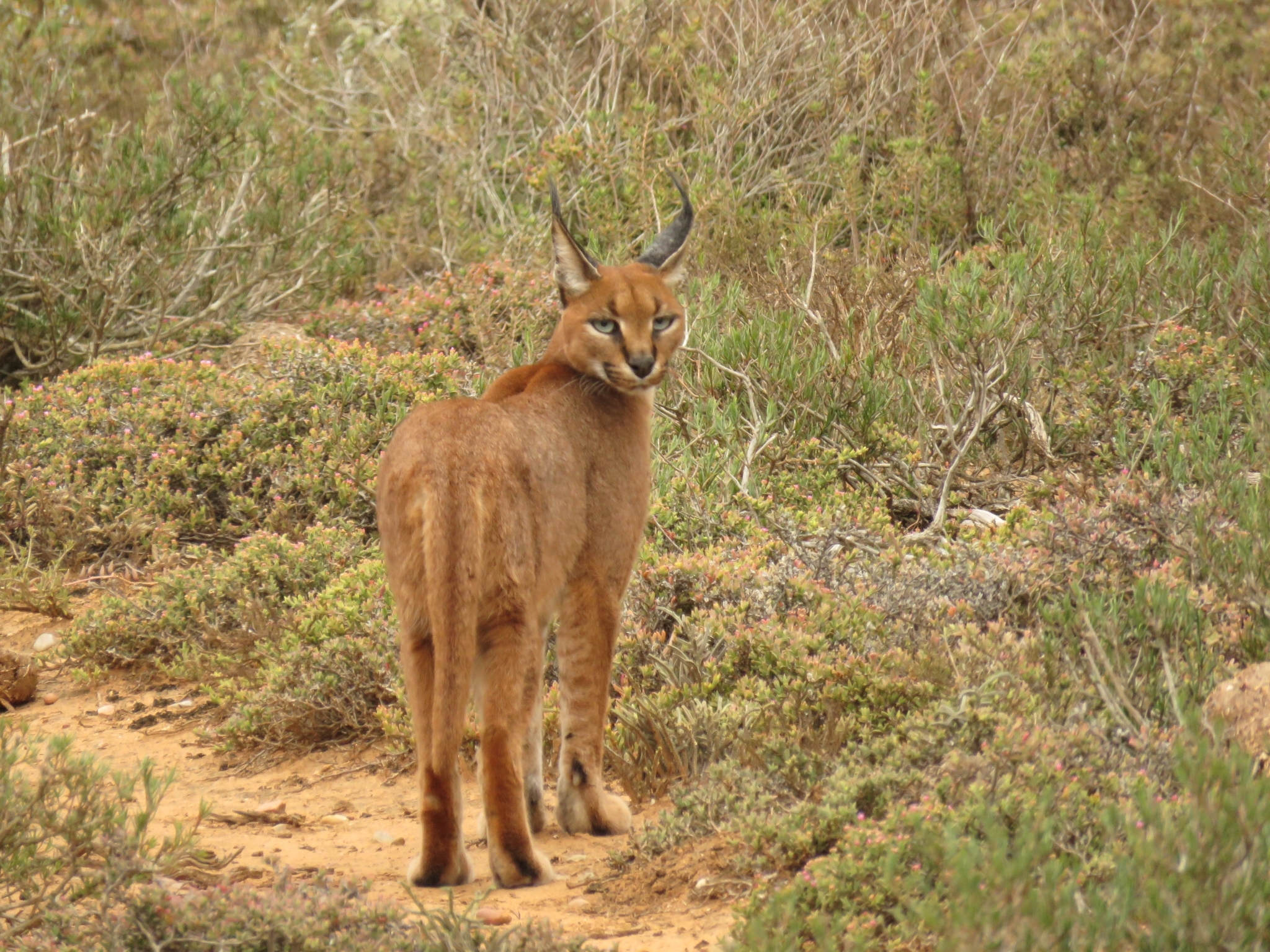
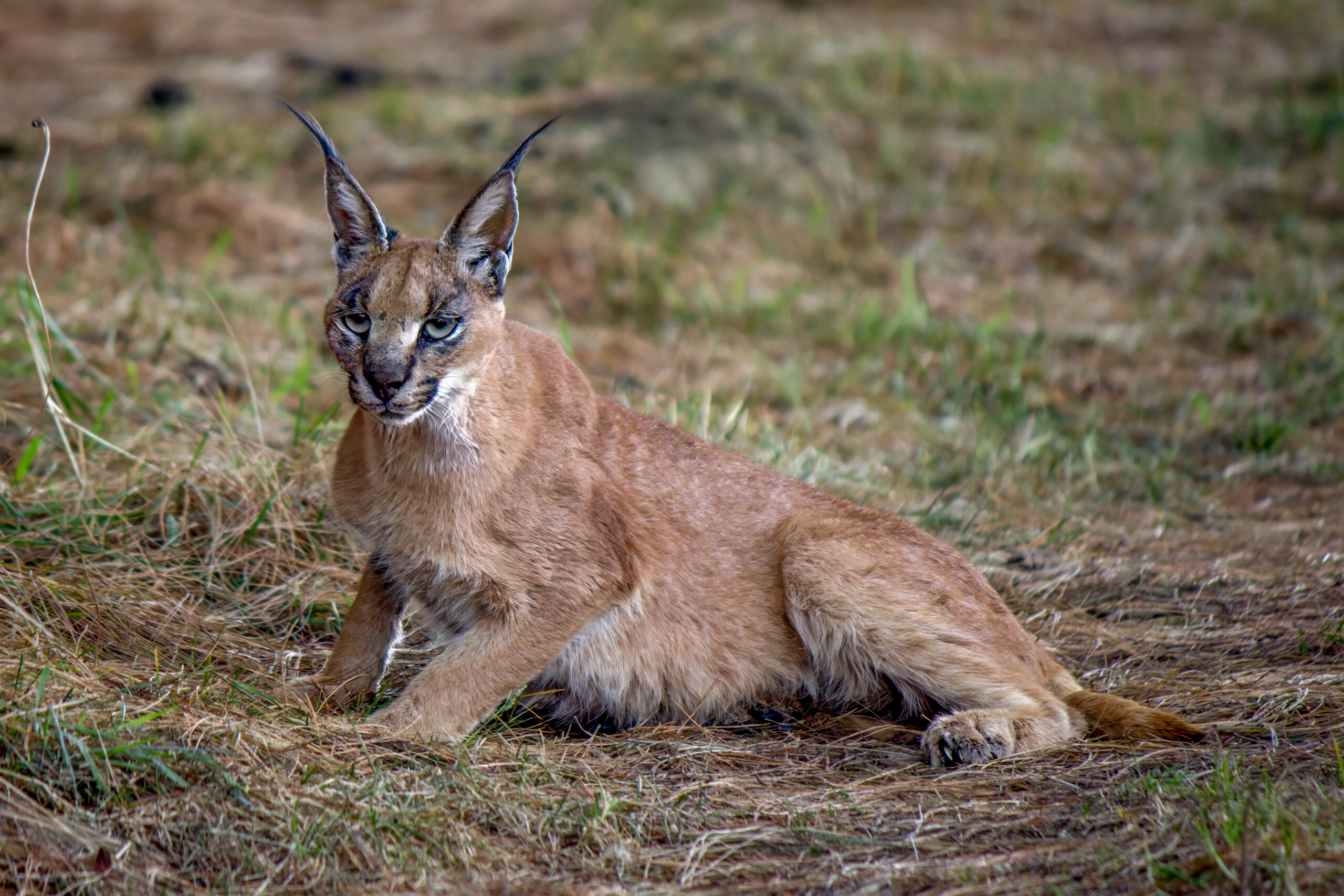
Anticoagulant rodenticides were detected in 78% of analysed liver samples from caracals (Caracal caracal) collected in and around Cape Town, South Africa. Detection in liver shows exposure and accumulation; it does not mean that every exposed animal suffered clinical poisoning. The study, first published online on 30 July 2026, analysed animals recovered over a ten-year period, most of them after vehicle collisions, to investigate how rat-poison exposure varied across the urban-edge landscape.
Most exposed caracals carried several rodenticide compounds
The researchers analysed samples from 102 caracal mortalities. Among exposed animals, the median was three different anticoagulant compounds, and some carried as many as six. Bromadiolone and brodifacoum, both second-generation anticoagulant rodenticides, were among the most commonly detected compounds. Older caracals generally had higher burdens, consistent with repeated exposure accumulating over time.
Exposure varied across the urban-edge landscape
Exposure was not distributed evenly across the landscape. Caracals using greener urban areas, wetlands and vineyards, and areas with more restaurants, cafés and other food-service outlets, tended to carry more rodenticide compounds or higher concentrations. The authors argue that the patterns are consistent with rodenticides moving through urban food webs, although the precise routes by which caracals are exposed remain unclear.
Exposure was not shown to be the cause of death
The study did not establish that rodenticides caused the deaths of the sampled caracals. Among subadult caracals, animals in poorer condition had higher total rodenticide loads, but this association does not show that exposure caused the poorer condition, and the authors note that sublethal effects — effects that do not directly kill the animal — remain unknown for the species. They nevertheless describe the widespread and repeated exposure as a conservation concern and recommend reducing routine use of persistent second-generation anticoagulant rodenticides, improving food and waste management and prioritising non-poison rodent control where possible.
Threats
Related news
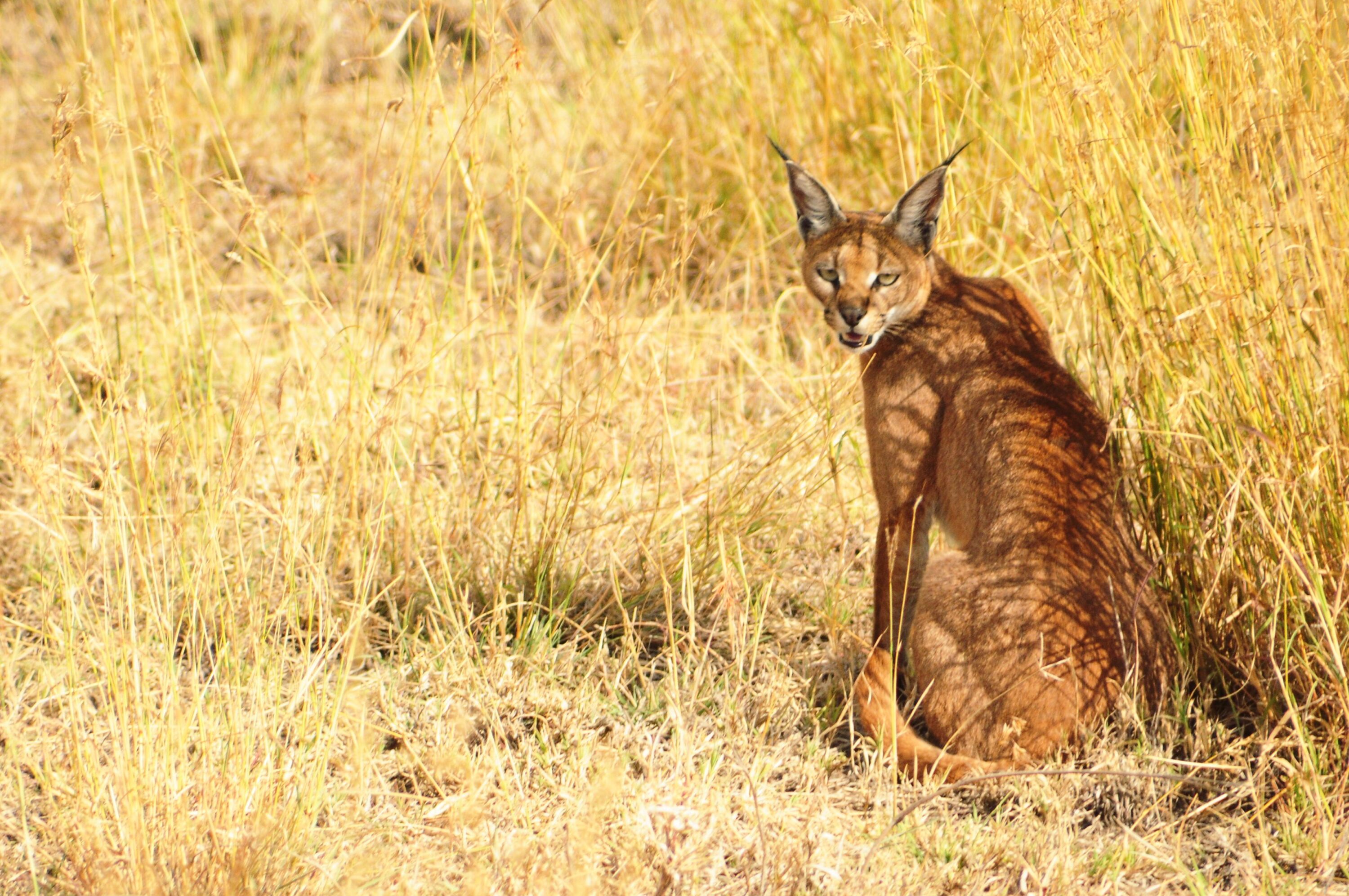
India Released Its First Comprehensive National Conservation Framework for the Caracal, Fishing Cat and Clouded Leopard
The Wildlife Institute of India released a 220-page national action plan on 4 August 2026 for caracals, fishing…
Read story →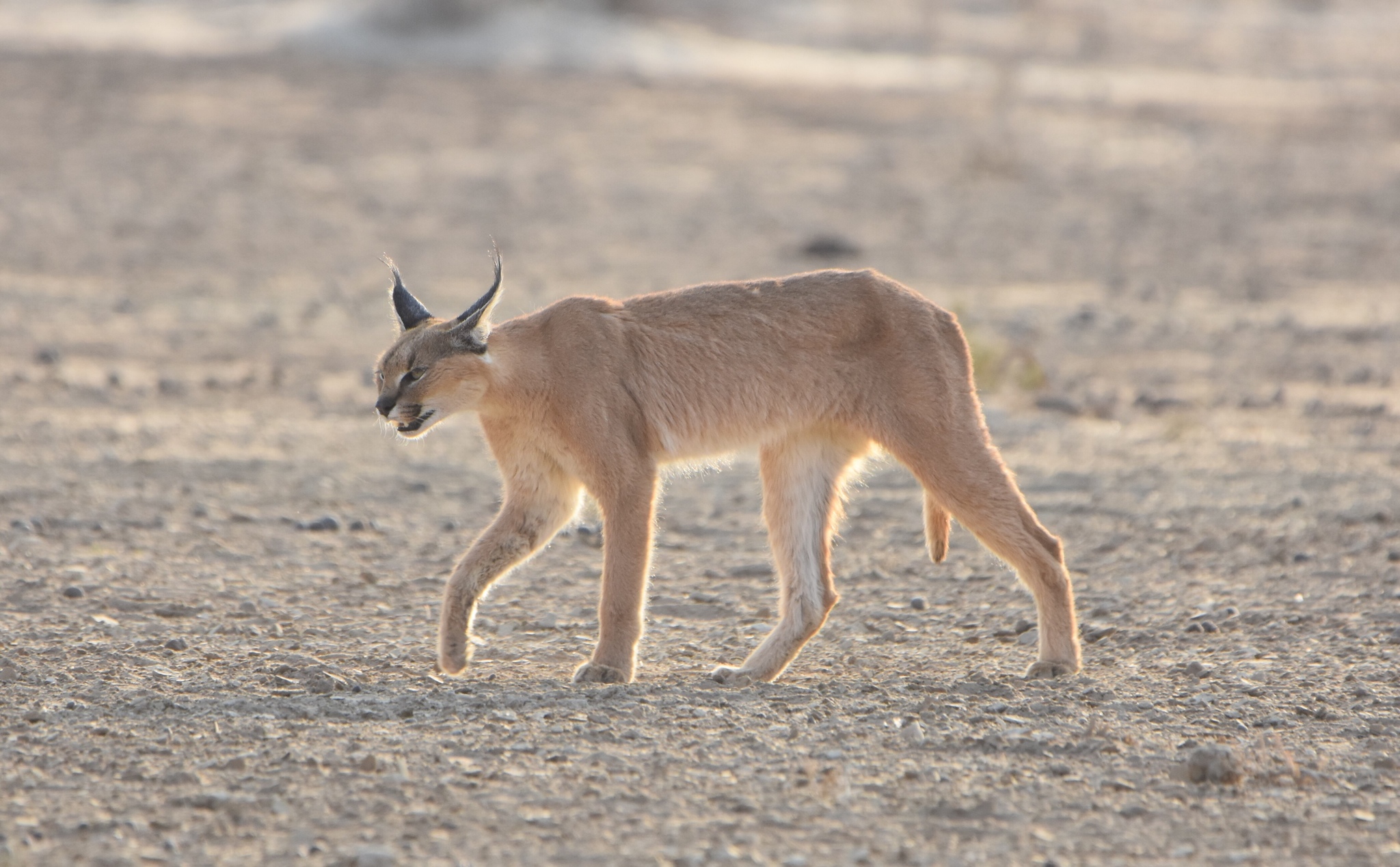
Camera Trap Confirmed Caracal Presence in Kuno National Park
A camera trap recorded a caracal in Kuno National Park in June 2026, providing a rare confirmed recent…
Read story →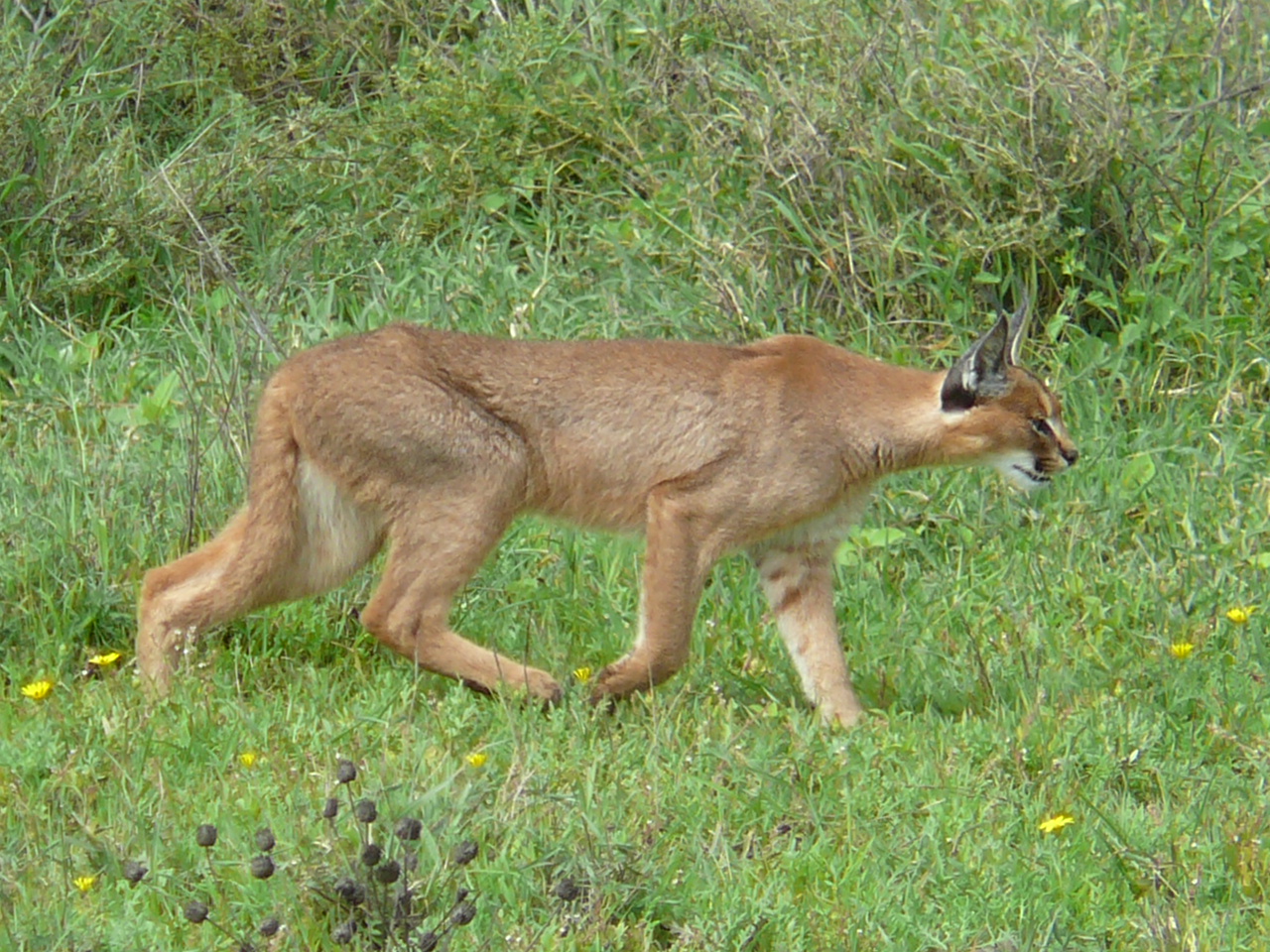
About 74% of Modelled Suitable Caracal Habitat in Greater Ranthambhore Lies Outside Protected Areas
A 2026 study mapped 14,284 km² of suitable caracal habitat across the Greater Ranthambhore landscape in India, with…
Read story →SPECIES IN THIS STORY
Species in this story
Independent research and conservation news archive
Did you find this information useful?
Wildlife Vagabond is independently built and maintained. Voluntary support helps cover source verification, hosting and continued work on research and conservation news.
Support Wildlife VagabondThe news archive will remain freely available.