
About 74% of Modelled Suitable Caracal Habitat in Greater Ranthambhore Lies Outside Protected Areas
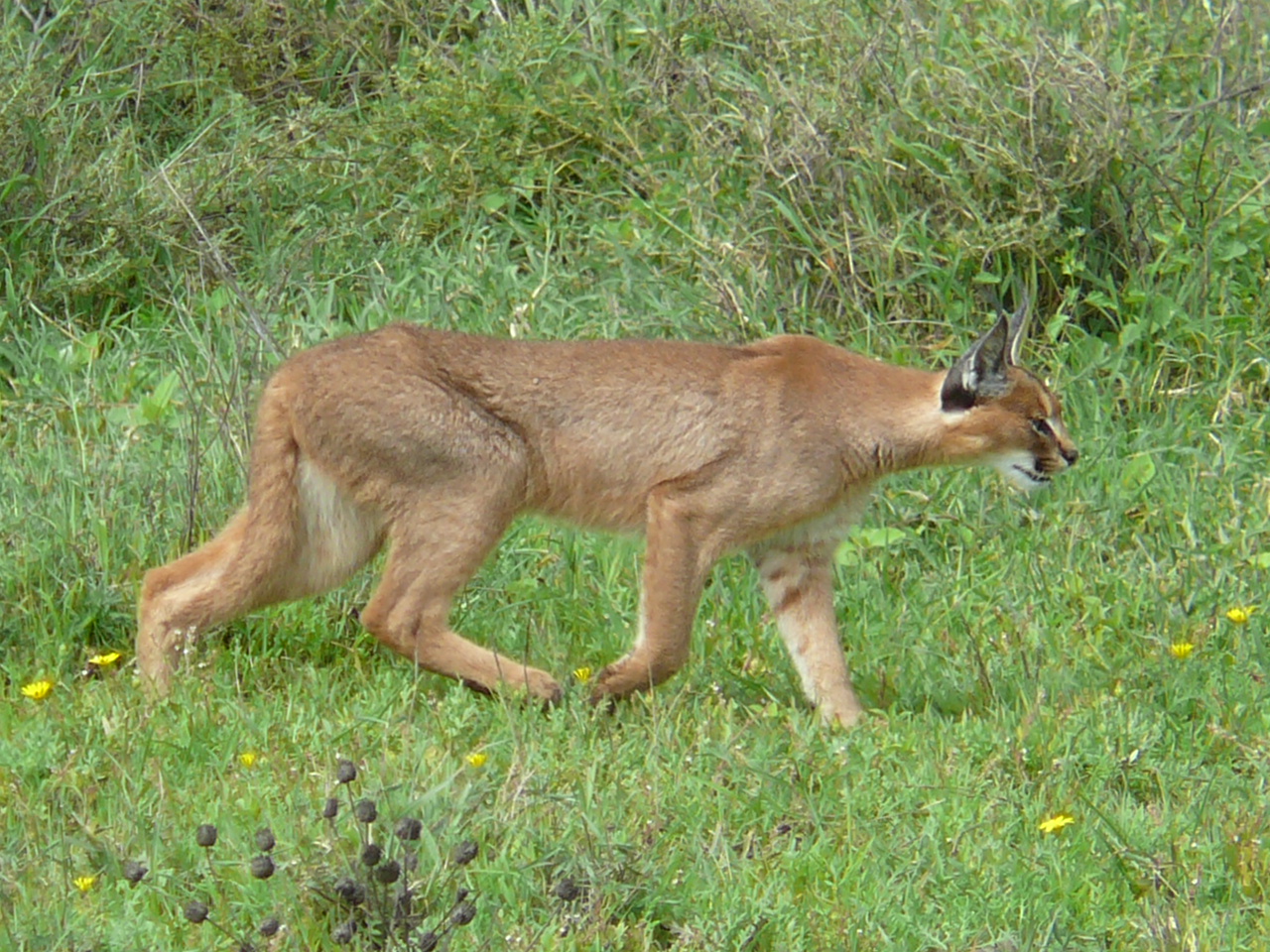
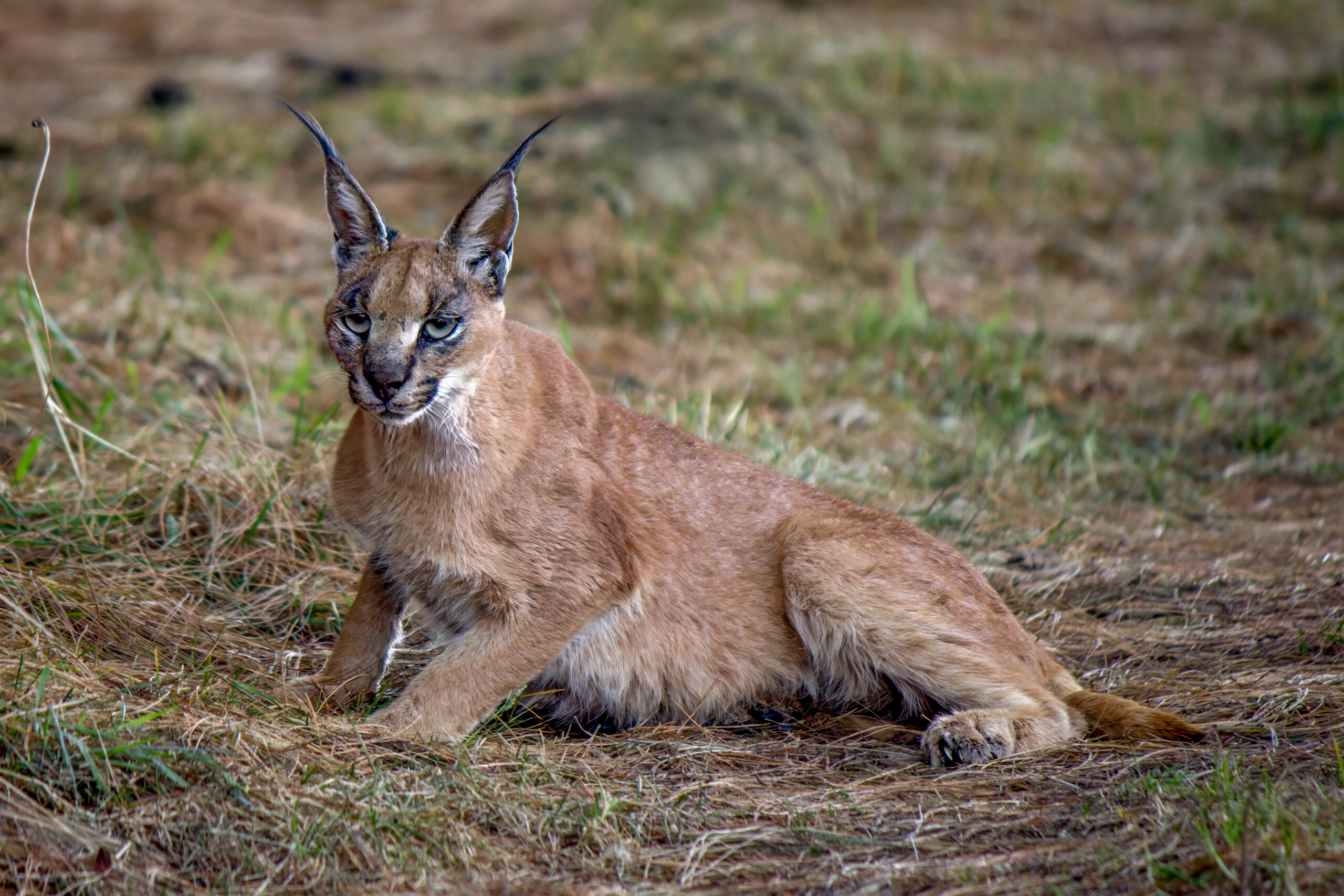
Camera-trap surveys and habitat modelling in southeastern Rajasthan show that most modelled suitable habitat for the caracal (Caracal caracal) in the Greater Ranthambhore landscape lies outside protected areas. The study was published on 26 May 2026 in the Journal of Threatened Taxa.
Researchers surveyed the Kailadevi landscape, the northern extension of Ranthambhore Tiger Reserve, between January 2020 and March 2022. A total of 177 camera-trap locations accumulated 5,258 camera-trap days across a sampling area of about 600 km². The cameras produced 92 independent photographs of caracals at 54 locations. The relative camera-trap encounter rate remained broadly similar across the three sampling sessions, so the study found no evidence of a clear decline during this period.
Most modelled suitable habitat lay outside protected areas
The researchers then used the camera-trap locations together with environmental variables to model potential habitat across 109,663 km² of the Greater Ranthambhore Ecosystem, extending from eastern Rajasthan into western Madhya Pradesh. In practical terms, the model identified parts of the wider landscape whose environmental conditions resembled those associated with known caracal records; it did not demonstrate that caracals occupied every area classified as suitable. The model identified 14,284 km² as suitable habitat. Only 3,703 km², or 25.9%, fell within the protected-area network, while 10,581 km² — 74.1% — lay outside it. Of the 1,227 km² classified as highly suitable, 41.6% was inside protected areas and 58.4% outside.
Open, rugged areas and ravines stood out
Open natural ecosystems, including scrublands, grasslands, open forests and ravines, were among the strongest features associated with suitable habitat. At the camera-trap scale, caracal use increased where these open habitats covered more of the landscape and where terrain was more rugged. Use was also greater closer to water and farther from built-up areas. The authors particularly highlight ravines as important refuges in this human-dominated semi-arid landscape.
Fifty-five home ranges was a capacity estimate, not a count
The study also estimated how many caracal home ranges — the areas individual animals regularly use — the best-documented part of the landscape could potentially support. Because modelled habitat suitability does not equal occupancy, the authors restricted this calculation to Kailadevi, Ranthambhore, Dholpur and adjoining areas where there was consistent evidence of caracal presence. They divided the available suitable habitat by published mean home-range sizes from semi-arid South Africa because comparable estimates from India were unavailable.
On that basis, the Ranthambhore–Kailadevi–Dholpur landscape could potentially accommodate about 55 caracal home ranges, but the estimate was highly uncertain. It assumes broadly similar habitat quality across the suitable area and non-overlapping home ranges — conditions that are rarely fully met in natural ecosystems. The figure is therefore a rough measure of potential landscape capacity rather than a direct count of animals.
The authors recommend safeguarding open natural ecosystems and maintaining connectivity between suitable habitat patches. They also identify conversion to intensive land uses such as large-scale mining and industrial development as pressures that should be avoided in important caracal habitat, and call for finer-scale studies of movement and resource selection to improve conservation planning.
Ecology
Related news
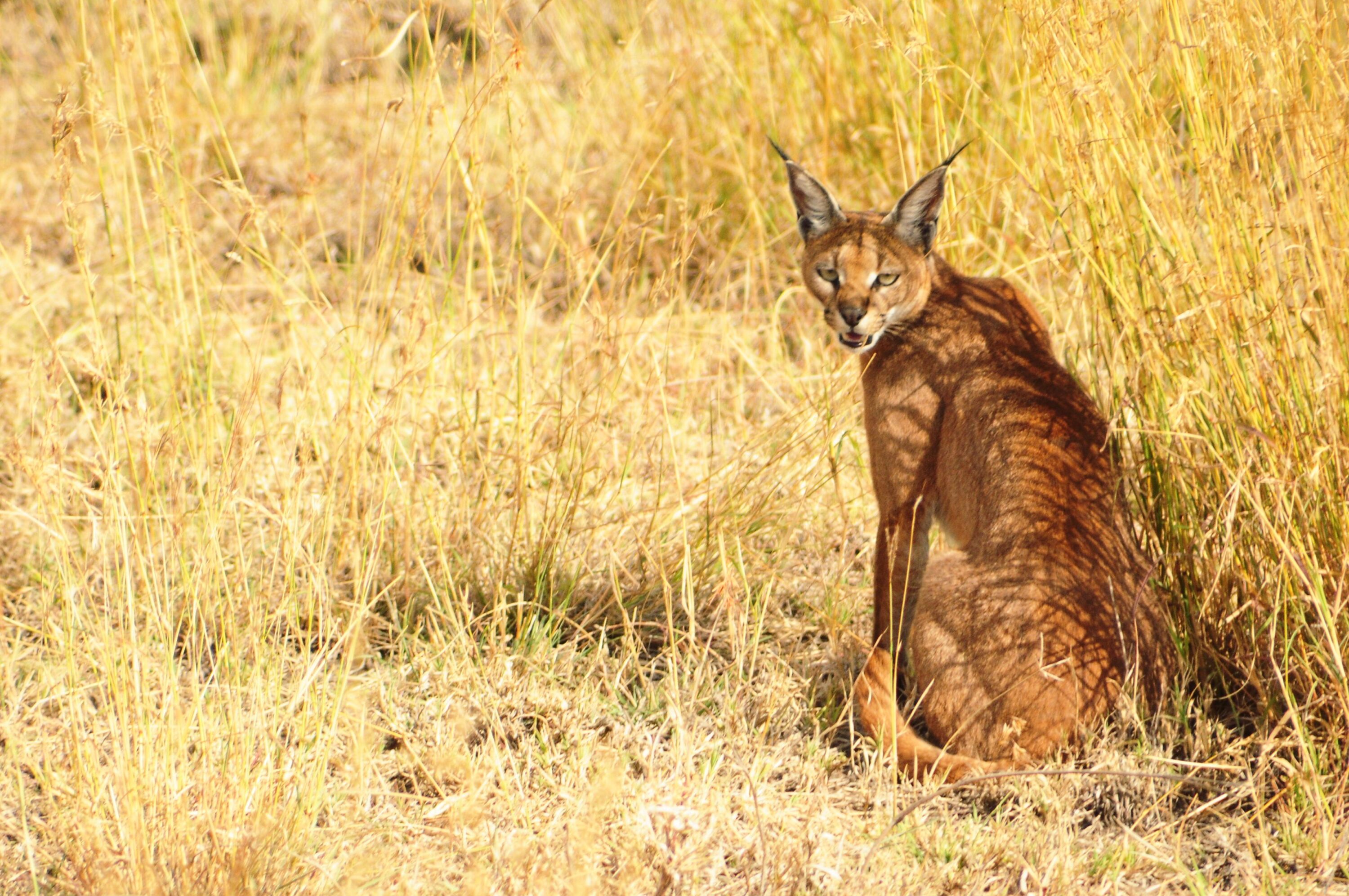
India Released Its First Comprehensive National Conservation Framework for the Caracal, Fishing Cat and Clouded Leopard
The Wildlife Institute of India released a 220-page national action plan on 4 August 2026 for caracals, fishing…
Read story →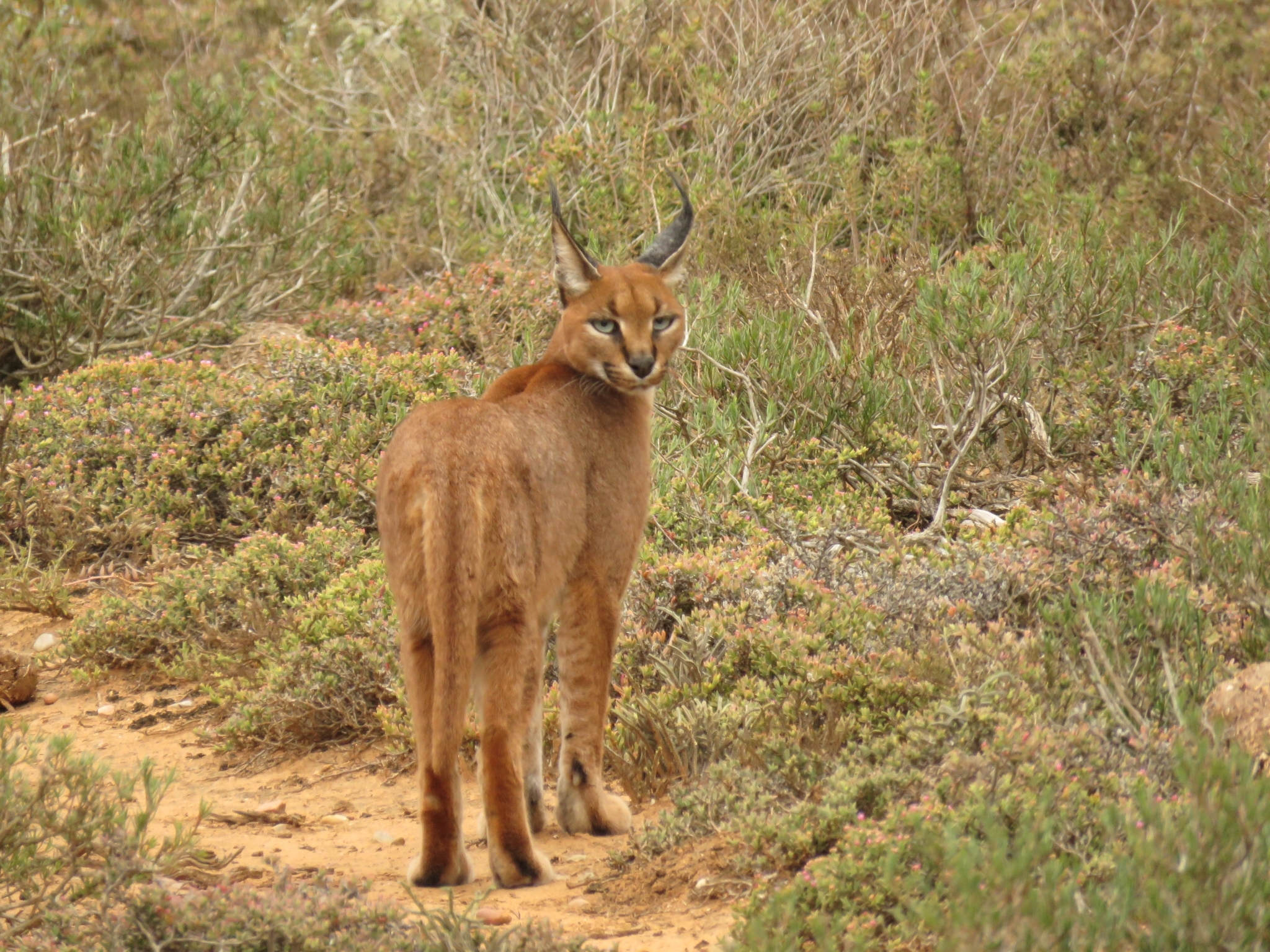
Anticoagulant Rat Poisons Were Detected in 78% of Sampled Cape Town Caracals
A ten-year Cape Town study found anticoagulant rodenticides in 78% of analysed caracal liver samples, with higher exposure…
Read story →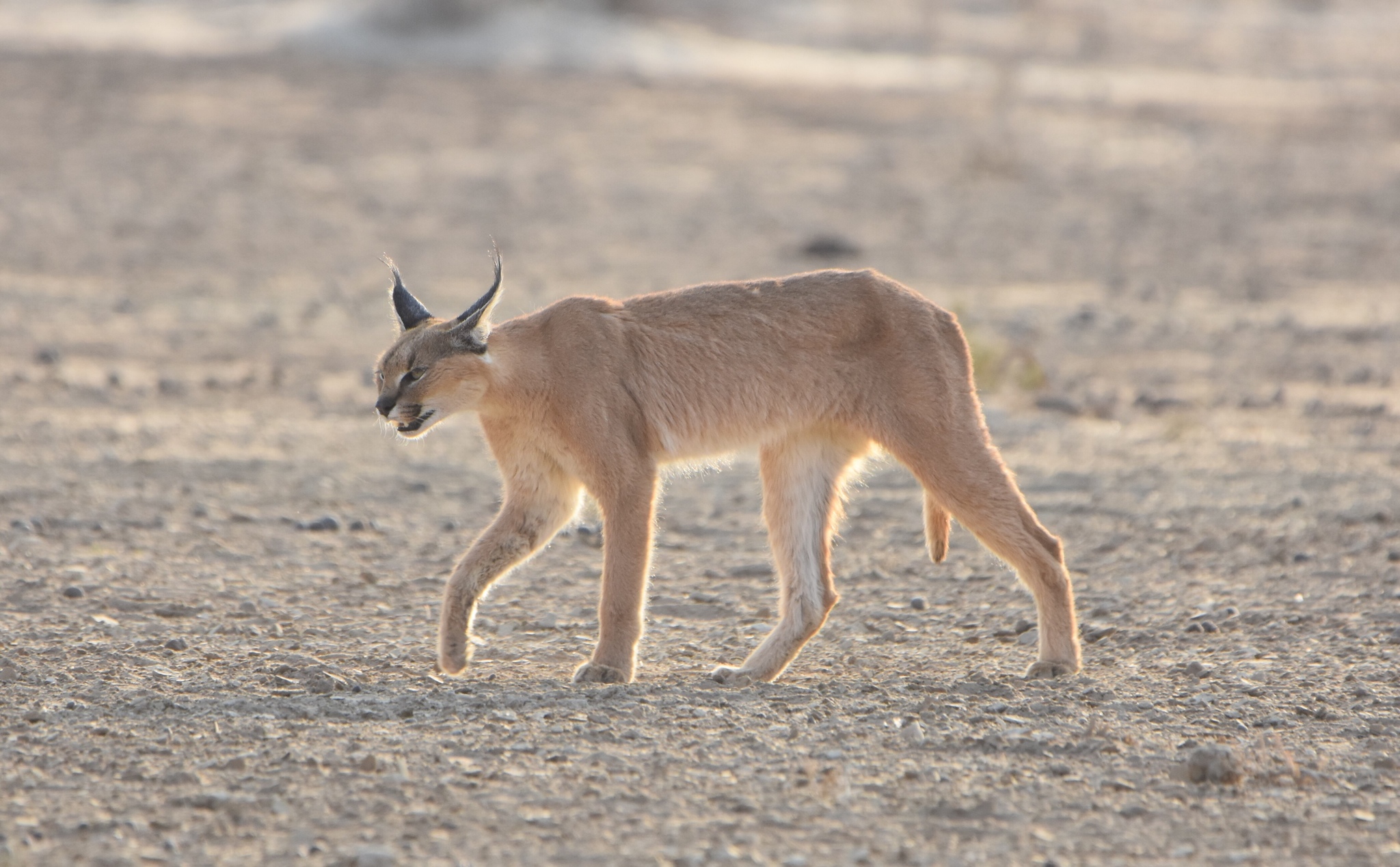
Camera Trap Confirmed Caracal Presence in Kuno National Park
A camera trap recorded a caracal in Kuno National Park in June 2026, providing a rare confirmed recent…
Read story →SPECIES IN THIS STORY
Species in this story
Independent research and conservation news archive
Did you find this information useful?
Wildlife Vagabond is independently built and maintained. Voluntary support helps cover source verification, hosting and continued work on research and conservation news.
Support Wildlife VagabondThe news archive will remain freely available.