
India Released Its First Comprehensive National Conservation Framework for the Caracal, Fishing Cat and Clouded Leopard
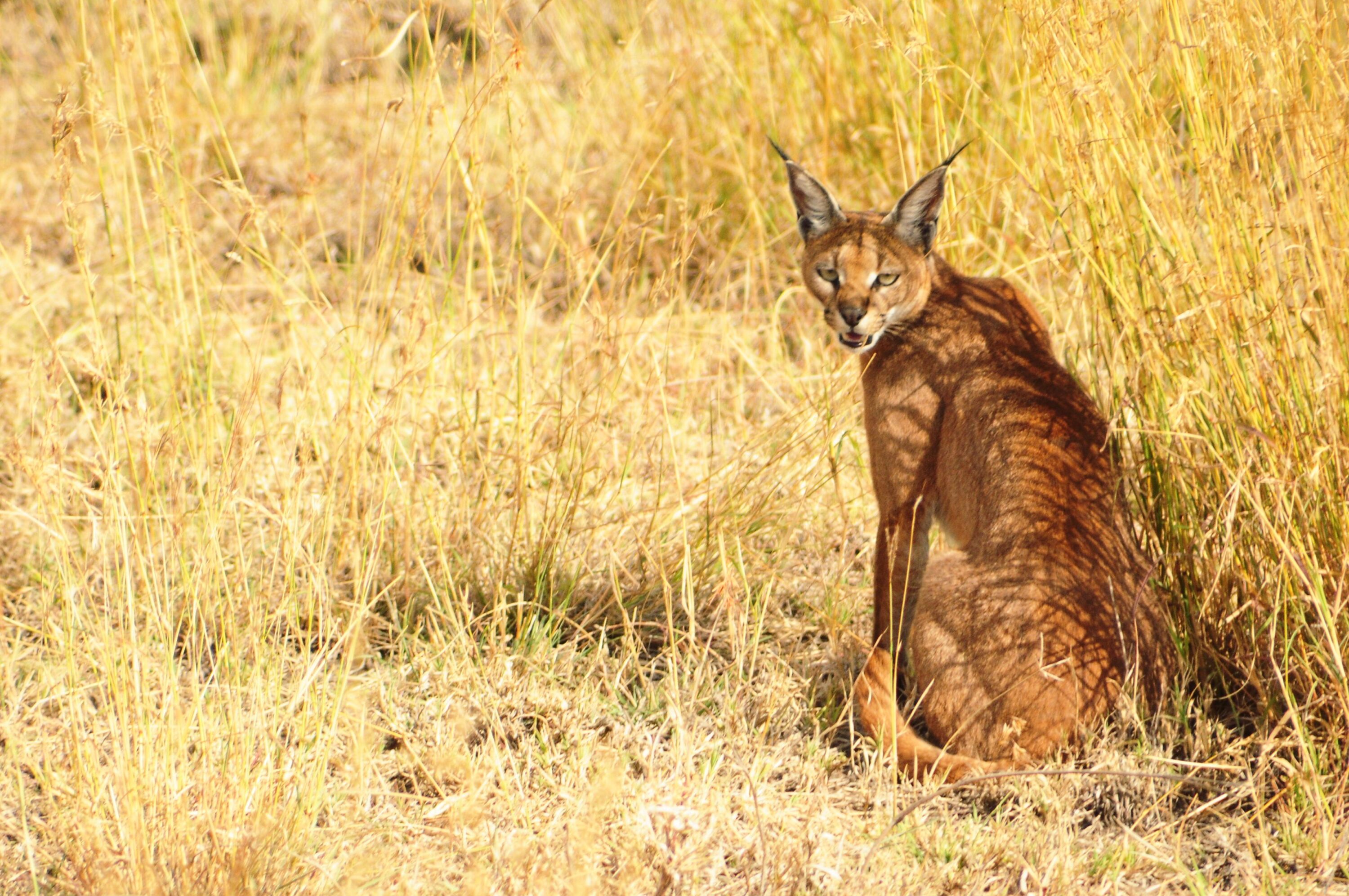
The Wildlife Institute of India released a national conservation action plan for the caracal (Caracal caracal), fishing cat (Prionailurus viverrinus) and clouded leopard (Neofelis nebulosa) on 4 August 2026. The 220-page technical report provides the country’s first comprehensive science-based national framework for the long-term conservation of the three priority felids.
The action plan was prepared under the Government of India–UNDP–GEF-7 project “Strengthening Conservation and Resilience of Globally Significant Wild Cats through a Focus on Small Cat and Leopard Conservation”. Wildlife Institute of India researchers combined scientific reviews, spatial analyses, stakeholder consultations and a Strategic Environmental and Social Assessment when developing the framework.
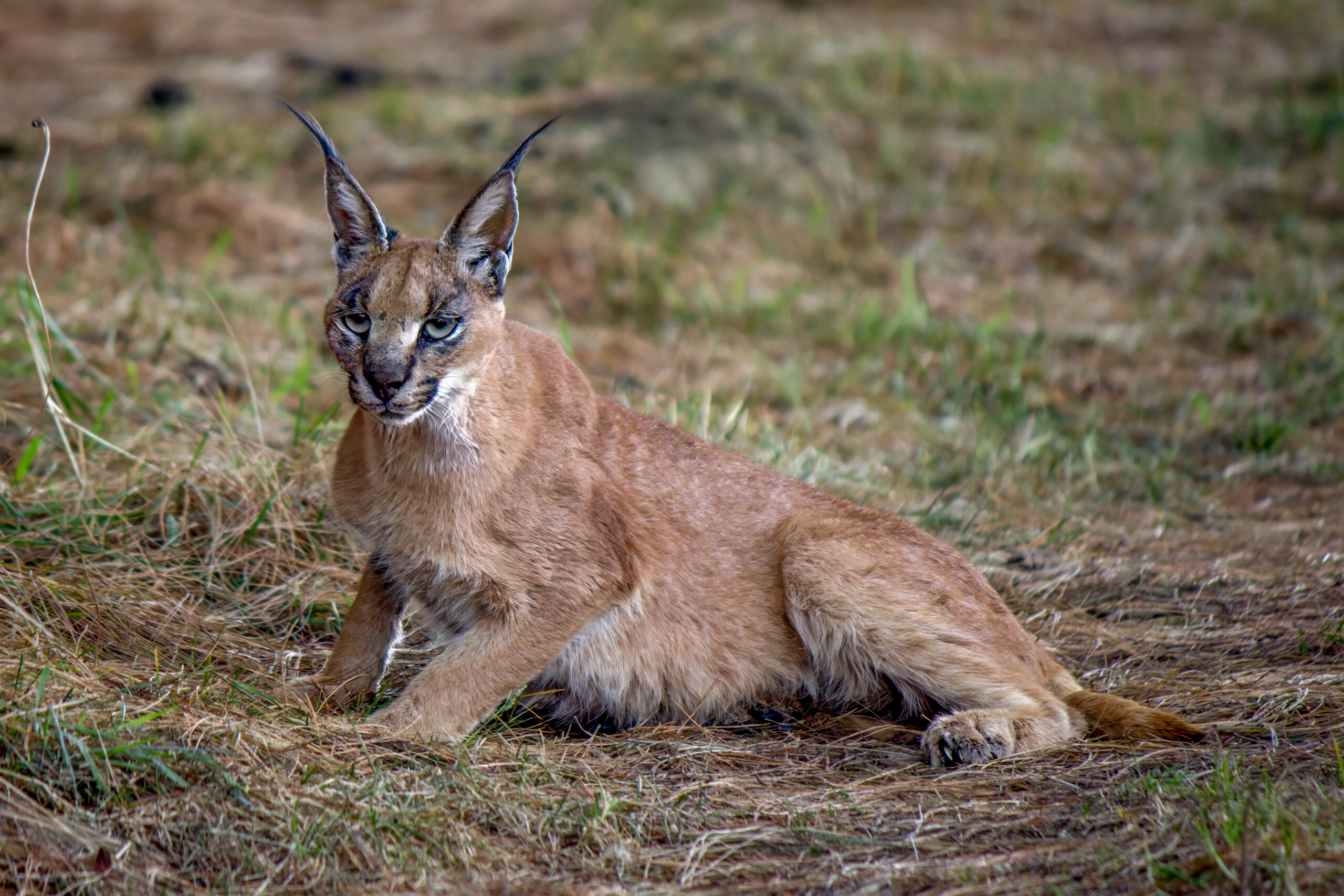
Caracal priorities in western drylands
For the caracal, the plan focuses on the arid and semi-arid landscapes of western India, where the species’ remaining populations are fragmented. An earlier presentation of the framework by the Wildlife Institute of India identified restoration of scrub and ravine habitats and metapopulation management as priority actions for the species.
A coordinated framework across landscapes
The broader plan identifies priority conservation landscapes, assesses species status and threats and sets out landscape-specific management actions. It also includes monitoring frameworks, capacity building, habitat restoration and policy measures intended to coordinate conservation across states and agencies.
All three species are protected under Schedule I of India’s Wildlife (Protection) Act, yet national conservation attention has historically centred more strongly on larger felids. The Wildlife Institute of India describes habitat loss, prey depletion and other human pressures as important factors behind fragmented and declining populations of the three small and medium-sized cat species covered by the plan.
Different priorities for different ecosystems
The framework also integrates climate resilience and community participation. For the three species, the recommended approaches differ according to their ecosystems: scrub and ravine restoration and metapopulation management for caracals in western India, wetland protection and conflict mitigation for fishing cats, and forest connectivity and monitoring for clouded leopards in the eastern Himalaya and Northeast India.
Management
Related news
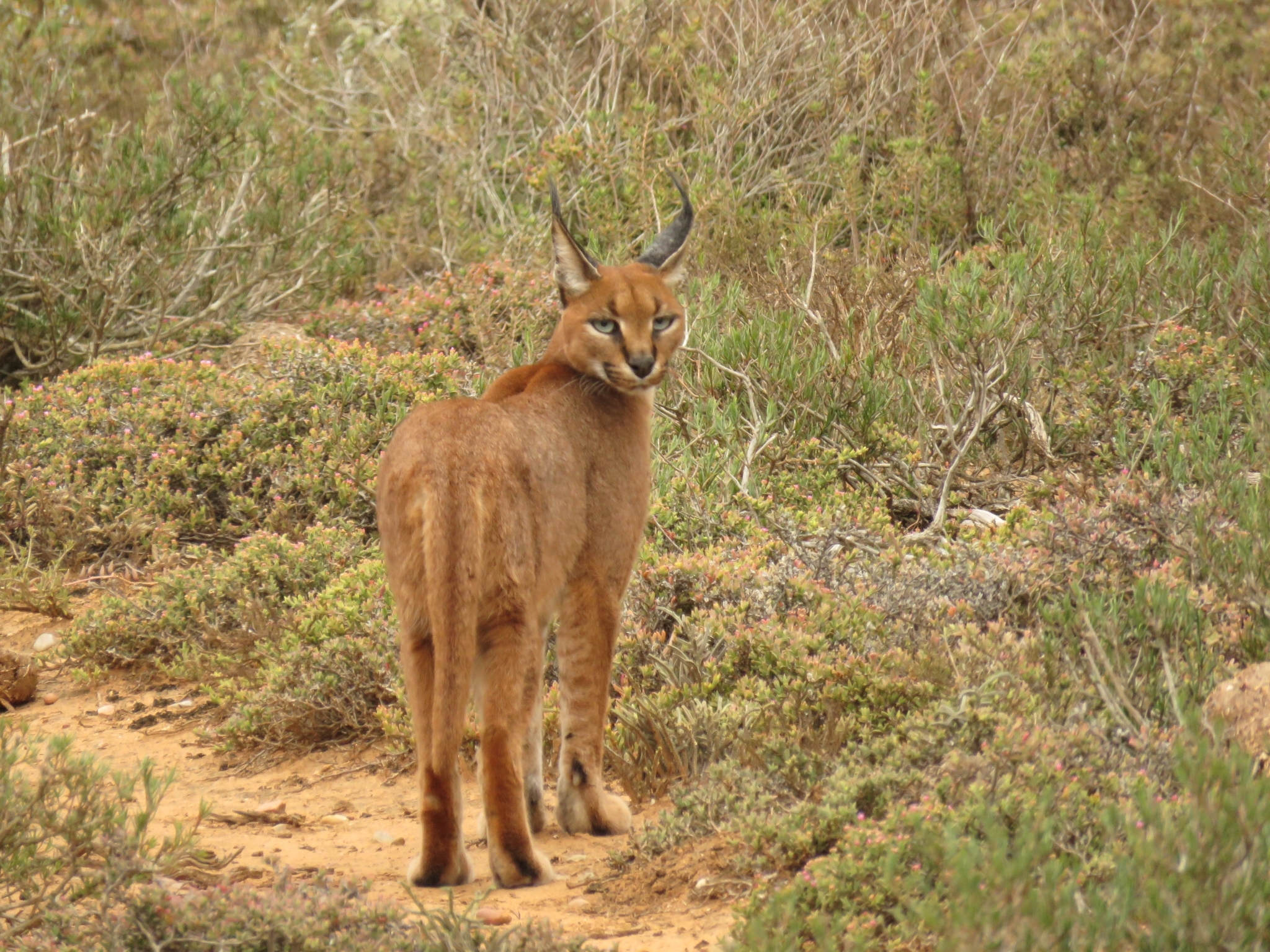
Anticoagulant Rat Poisons Were Detected in 78% of Sampled Cape Town Caracals
A ten-year Cape Town study found anticoagulant rodenticides in 78% of analysed caracal liver samples, with higher exposure…
Read story →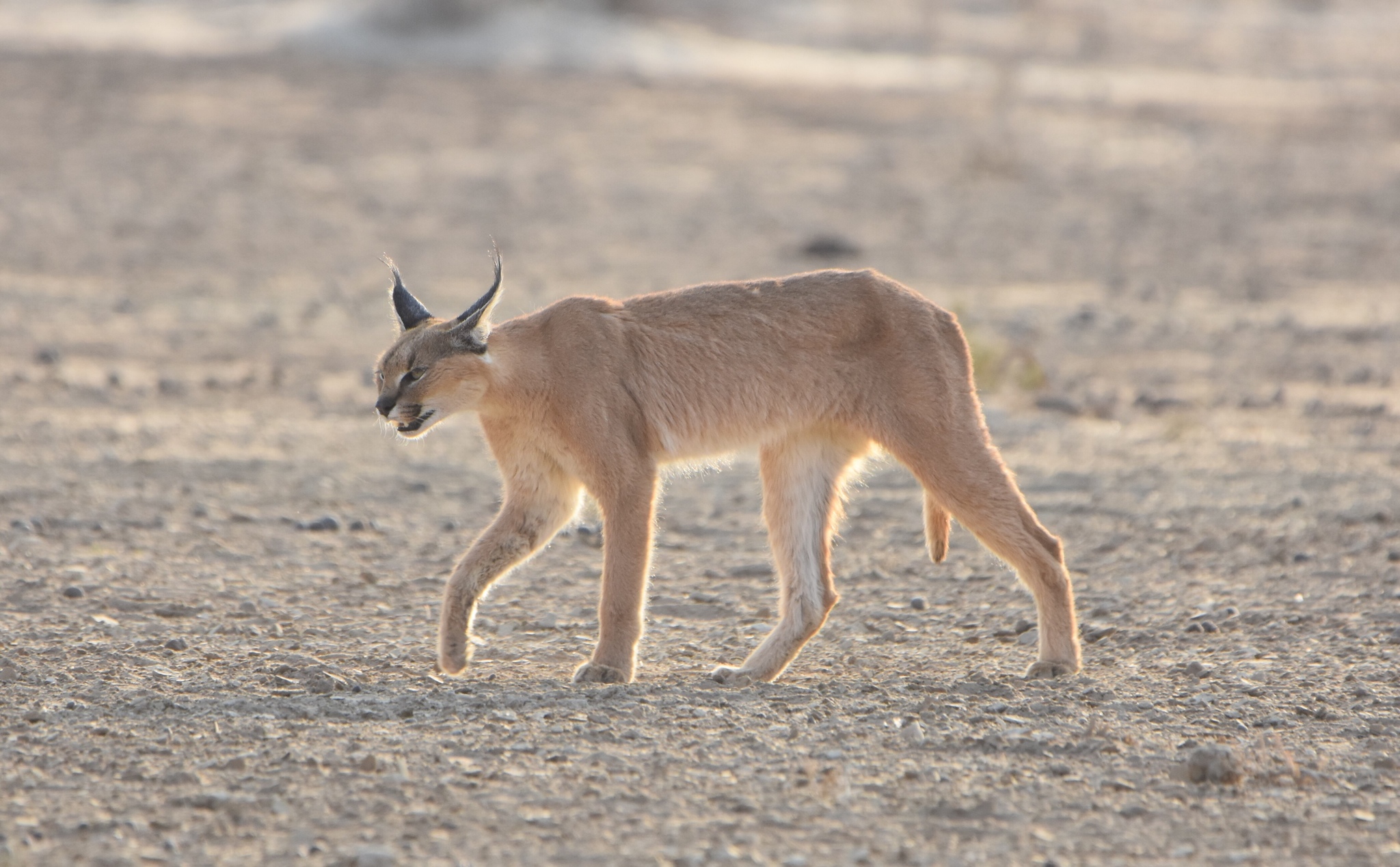
Camera Trap Confirmed Caracal Presence in Kuno National Park
A camera trap recorded a caracal in Kuno National Park in June 2026, providing a rare confirmed recent…
Read story →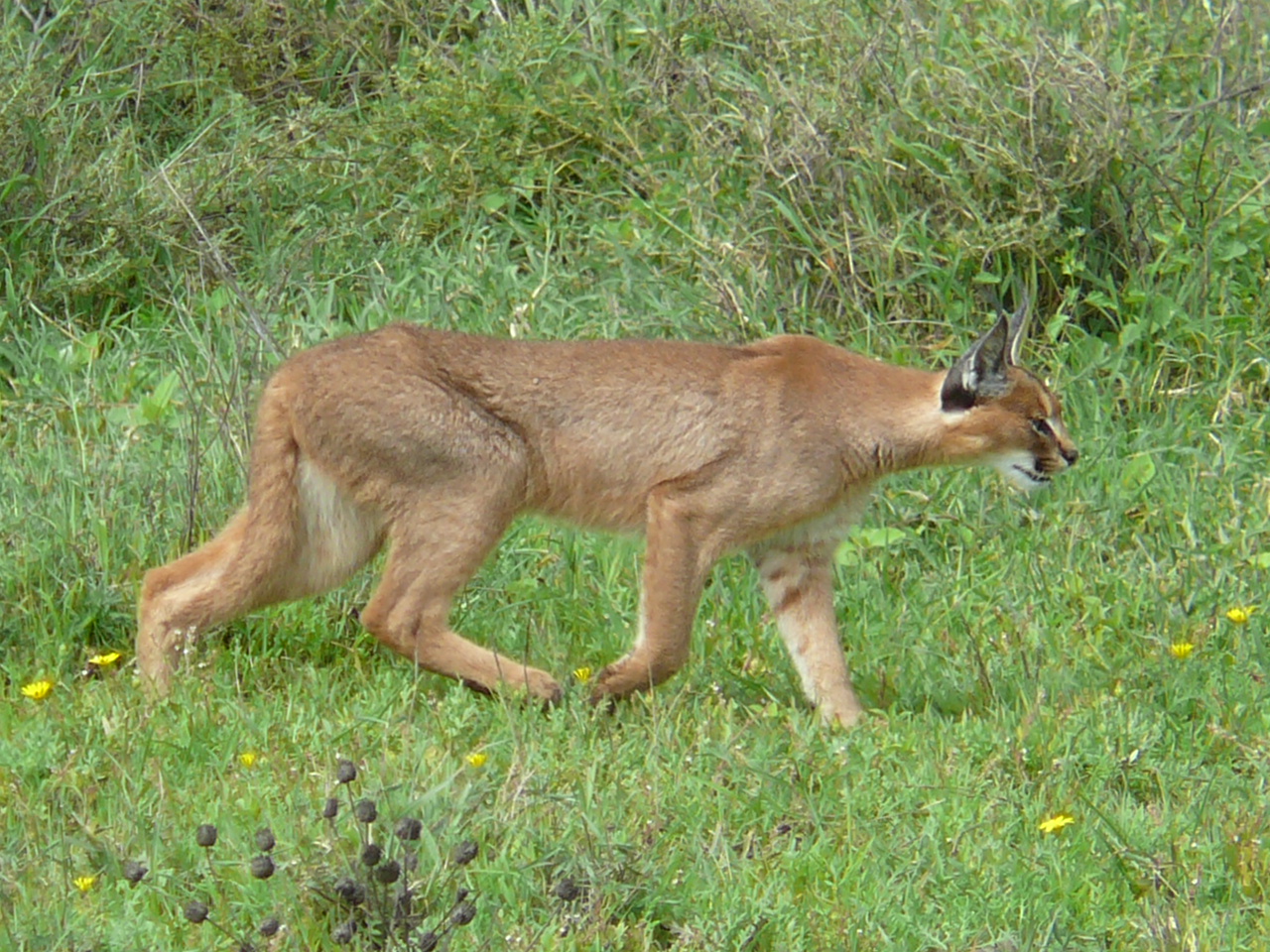
About 74% of Modelled Suitable Caracal Habitat in Greater Ranthambhore Lies Outside Protected Areas
A 2026 study mapped 14,284 km² of suitable caracal habitat across the Greater Ranthambhore landscape in India, with…
Read story →SPECIES IN THIS STORY
Species in this story
Independent research and conservation news archive
Did you find this information useful?
Wildlife Vagabond is independently built and maintained. Voluntary support helps cover source verification, hosting and continued work on research and conservation news.
Support Wildlife VagabondThe news archive will remain freely available.