
Heart Rate, Breathing Rate and Body Temperature Fell as Hand-reared Reindeer Calves Grew
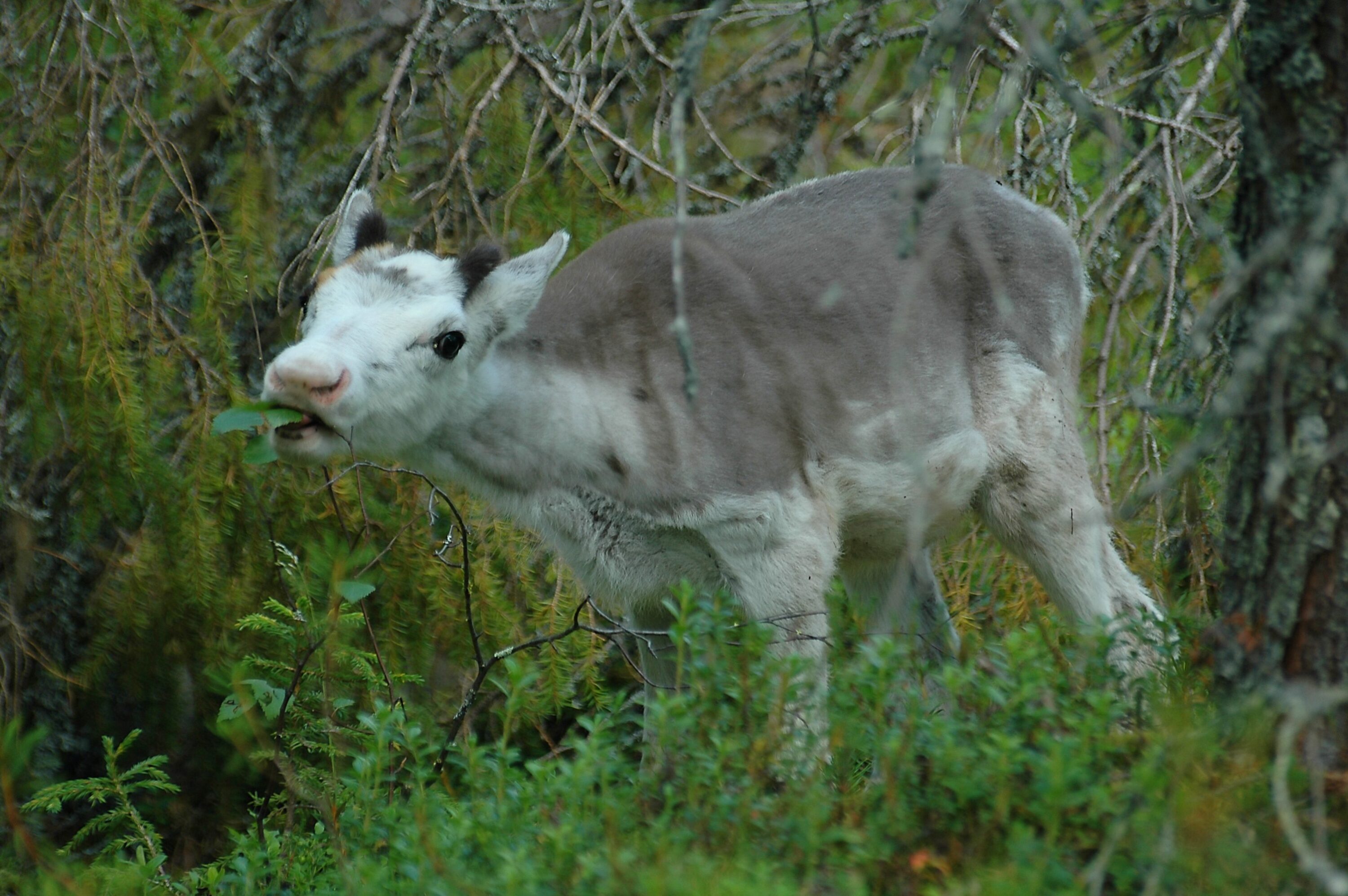
Daily measurements from eight hand-reared female calves of the Alaskan barren-ground subspecies (Rangifer tarandus granti) showed that heart rate, respiratory rate and body temperature changed systematically as the calves matured. The study was conducted in Alaska, USA. The calves were born in the wild and brought into care at about 1–5 days old, then followed to 23 weeks. One calf with chronic illness was excluded from the healthy-animal analyses.
Vital signs were usually measured 1–3 times a day while the calves were resting: heart rate was counted from the pulse or with a stethoscope, breathing rate from chest movements, and body temperature rectally. This repeated monitoring produced thousands of measurements across the growth period rather than a single check of each animal.
Normal values changed substantially with age
Across all measurements from the seven healthy calves, average heart rate was 89 beats per minute, respiratory rate 19 breaths per minute and body temperature 38.9°C. These pooled means are not single normal values for every calf age: heart and breathing rates were much higher during the first weeks and declined markedly towards weaning. Age explained the changes in all three vital signs better than body mass, so the authors recommend judging a calf against age-specific ranges rather than one fixed reference value.
The calves also showed a compensatory response when body temperature was higher. After accounting for age, a 1°C rise in body temperature was associated with roughly a 10% higher heart rate and a 7% higher respiratory rate. Faster breathing helps cervids lose heat through respiration, while a faster heart rate can support both that increased breathing and heat transfer through the circulation. The study could not determine whether this compensation was sufficient to restore normal temperature completely.
A fixed 40°C fever threshold was too high for these calves
The authors also tested whether 40.0°C — a fever threshold used for domestic lambs — was appropriate for young Rangifer. In the healthy calves, the upper age-specific normal range never exceeded 39.2°C, so waiting until 40°C would risk recognising fever late. They therefore recommend interpreting temperature, like the other vital signs, against age-specific ranges.
The study provides useful physiological baselines for captive-rearing and health monitoring, but the calves were hand-reared under managed conditions and all were female. The results should therefore not be treated as fixed reference values for free-ranging calves in different environments.
Physiology
Related news
Inuit harvesters help detect an emerging parasitic disease in Arctic caribou
Near Kugluktuk in Nunavut, Inuit harvesters reported unusual tissue changes in caribou. Tests found DNA from two parasitic…
Read story →
Video Collars Showed GPS Methods Were Only About 70% Accurate at Detecting Caribou Calving
Video collars from 160 adult females in the Porcupine and Western Arctic herds showed that two GPS movement…
Read story →
Reindeer and Caribou Showed Broad Genetic Differences Across Russia, Alaska and Canada
Microsatellite data from 1,544 reindeer and caribou in 42 populations showed broad genetic differentiation among Russia, Alaska and…
Read story →SPECIES IN THIS STORY
Species in this story
Independent research and conservation news archive
Did you find this information useful?
Wildlife Vagabond is independently built and maintained. Voluntary support helps cover source verification, hosting and continued work on research and conservation news.
Support Wildlife VagabondThe news archive will remain freely available.