
Cattail Paludiculture Had Nearly Three Times the Modelled Bird Abundance of Drained Grassland
Bird surveys at experimental cattail farms on rewetted peat in the Netherlands found much higher modelled bird abundance than on intensively managed drained grassland. The 2026 study compared Typha-based paludiculture—crop production with a raised water table—at 10 trial plots with nine natural wetland plots and nine agricultural grassland plots.
A point count is a survey in which observers remain at a fixed location for a set period and record birds seen or heard, allowing sites to be compared in a standardised way.
Across the 28 plots, researchers recorded 213 individual birds from 33 species during breeding-season point counts in May 2024. The model estimated 30.8 birds per hectare across all species in paludiculture, compared with 10.5 on grassland and 31.5 in natural wetland. The difference between paludiculture and grassland was significant, while the modelled abundance in paludiculture was comparable to natural wetland.
Wetland birds were nearly as abundant as in natural wetlands
Wetland-associated birds showed a similar pattern, with modelled abundance of 28.8 birds per hectare in paludiculture, 6.99 on grassland and 26.9 in natural wetland. Community composition in the cultivated wetlands fell between the two reference habitats rather than matching either one completely.
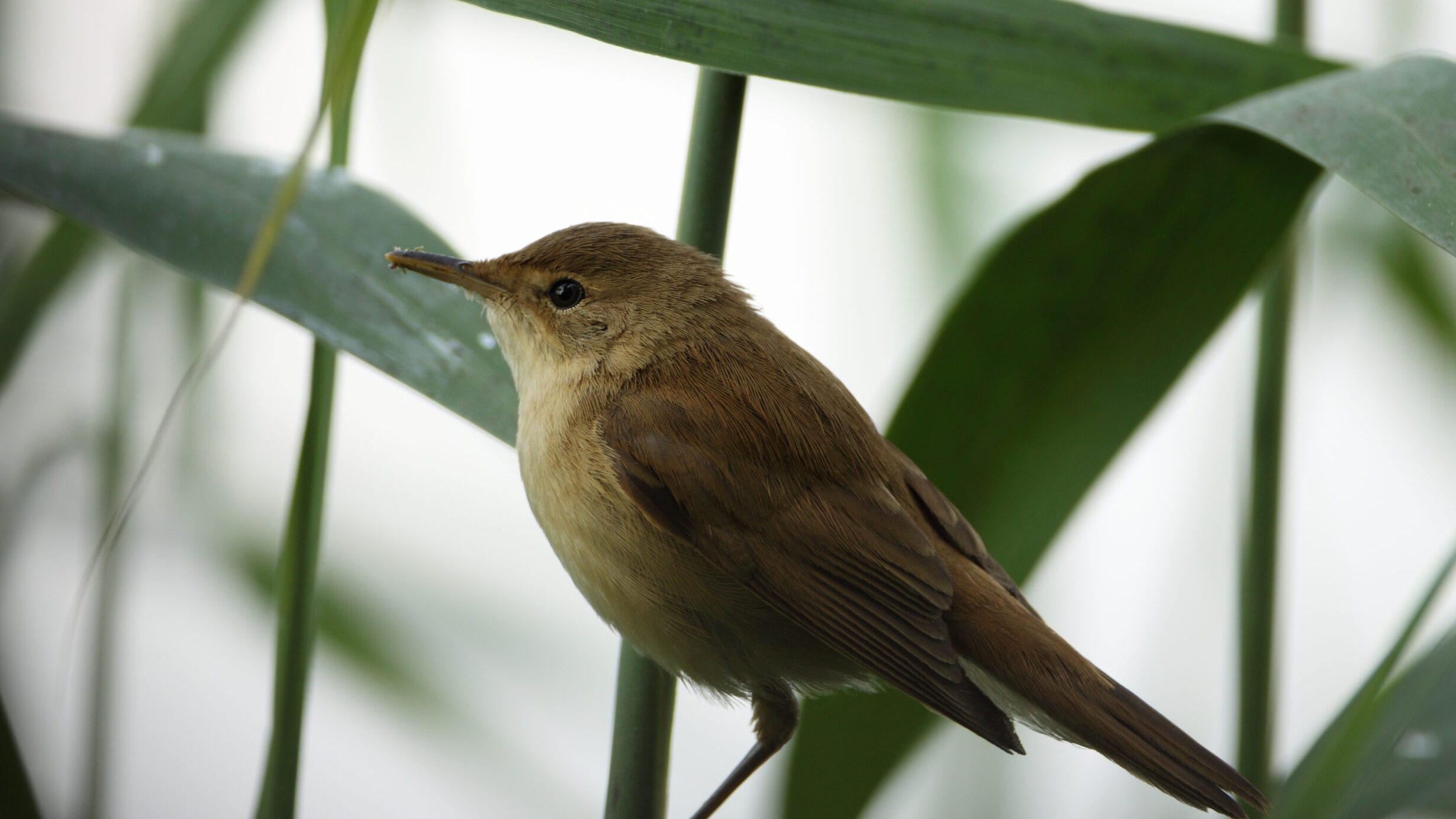
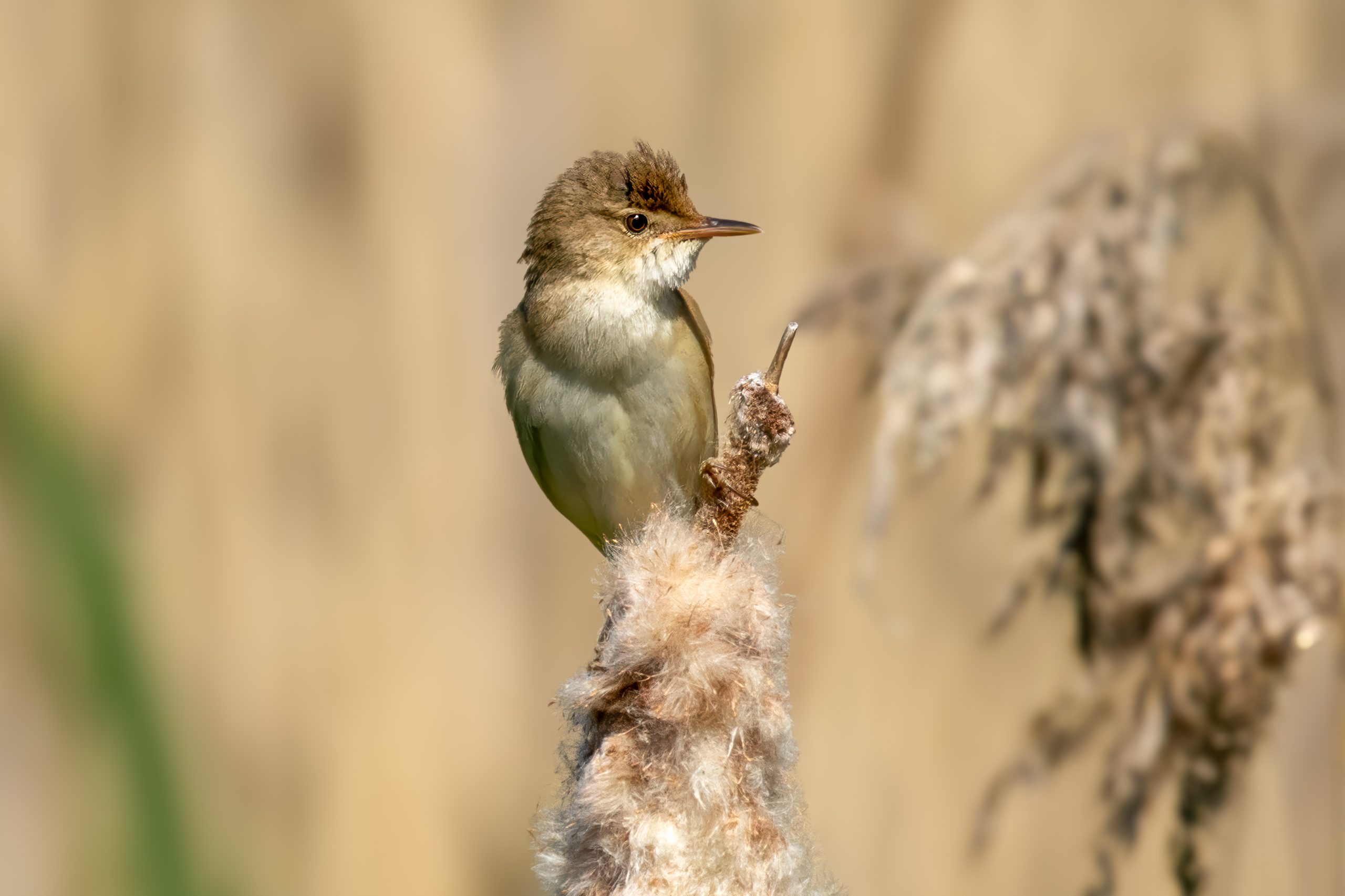
Common reed warbler (Acrocephalus scirpaceus) and sedge warbler (Acrocephalus schoenobaenus) were identified as indicator species of both paludiculture and natural wetland. Both occurred only in those two habitat types and were present at more than half of the surveyed sites. By contrast, mallard (Anas platyrhynchos) and Eurasian jackdaw (Coloeus monedula) were indicator species of grassland in this analysis.
Paludiculture did not replace the full wetland community
The authors note that the cattail sites did not reproduce the full wetland bird community: several rarer wetland specialists occurred only in natural wetlands, and some wetland specialists were less abundant in paludiculture. The surveys were also limited to one visit during the peak breeding season at relatively small experimental sites. Because the trial plots had been harvested during the preceding winter, the results describe bird use under that management regime. The authors point out that spring harvesting for fodder could overlap with breeding, whereas winter harvesting for fibre and insulation falls outside the breeding season.
Ecology
Related news
Birds Breeding in Tall Vegetation Increased as Cattail Paludiculture Developed Over Six Years
At a 10-hectare rewetted peat site in north-eastern Germany, breeding pairs that favour tall vegetation increased as cattails…
Read story →
Three Warblers in Catalonia Differed in Prey Choice, Prey Size and Use of Aquatic Prey
DNA metabarcoding of 189 diet samples from three warblers in Catalan reedbeds found several forms of dietary separation:…
Read story →
Reed Warblers Long Separated From Cuckoos Showed Weaker Host Defences
Field experiments in Finland and Sicily found weak anti-cuckoo defences in common reed warblers living outside regular cuckoo…
Read story →SPECIES IN THIS STORY
Species in this story
Independent research and conservation news archive
Did you find this information useful?
Wildlife Vagabond is independently built and maintained. Voluntary support helps cover source verification, hosting and continued work on research and conservation news.
Support Wildlife VagabondThe news archive will remain freely available.