
Cattle-virus tests failed to detect a pestivirus isolated from reindeer

For decades, antibody surveys have indicated that reindeer have been exposed to pestiviruses, but antibodies alone cannot identify which virus was involved. Researchers have now isolated a pestivirus from a semi-domesticated Eurasian tundra reindeer (Rangifer tarandus tarandus) in Norway. The isolate, named Reindeer-508, is genetically distant from familiar cattle viruses. None of four commercial tests designed for bovine viral diarrhoea virus (BVDV) detected it under the conditions tested.
Pestiviruses are a group of viruses that includes BVDV and border disease virus. In livestock, some pestiviruses can suppress the immune system and cause reproductive losses. Earlier surveys had found antibodies in the two Norwegian reindeer herds sampled for this study, indicating exposure but not identifying the virus. Norway has been considered free of BVDV in cattle since 2006, although the situation for other pestiviruses in small ruminants is less clear. Whether Reindeer-508 affects reindeer health or can infect cattle is not known.
Researchers collected 645 tissue samples during slaughter in 2023–2024: 522 spleens, 11 intestinal lymph nodes and 112 fetal samples from herds in northern and central Norway. A broad screening test looked for pestivirus genetic material. It produced suspect signals in 25 samples—22 spleens and three fetal samples; none came from the lymph nodes. A screening signal alone does not establish that a sample contains a virus capable of replication, so researchers also tried to grow virus from the suspect samples in cultured cells.
Only one spleen sample repeatedly produced the expected viral signal as it was transferred through successive cell cultures. Sequencing confirmed that it contained a pestivirus. The other 24 suspect signals were not confirmed; their nature could not be determined. Reindeer-508 was propagated through six cell-culture passages without visibly damaging the cells.
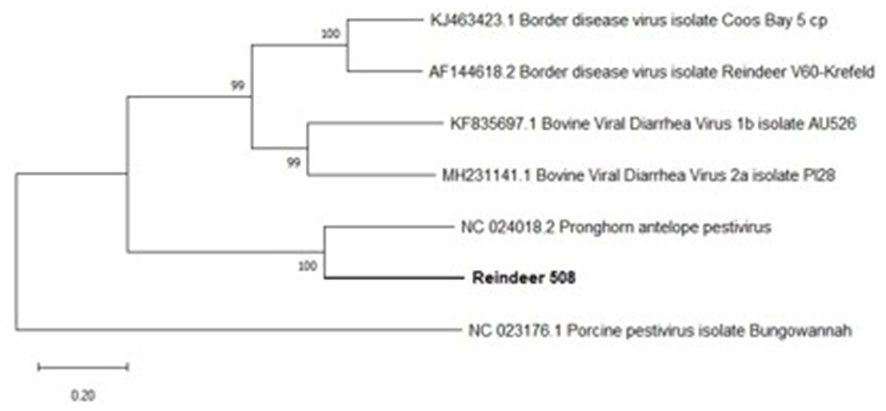
A genetically distinct virus
Sequencing produced a near-complete genome 11,194 nucleotides long. Among the reference viruses compared, Reindeer-508 was most closely related to a pestivirus found in pronghorn (Antilocapra americana). The viruses shared 76.1% similarity in a short, non-protein-coding region near the beginning of the genome, called the 5′ untranslated region, and 61.6% across the near-complete genome. Reindeer-508 was much more genetically distant from the BVDV and border disease viruses included in the comparison.
Four cattle-virus tests did not detect it
The researchers tested Reindeer-508 with three real-time PCR tests designed to detect BVDV genetic material and an antigen-capture test targeting the viral Erns protein. None detected the isolate. The broad screening test used earlier targets a conserved stretch of the pestivirus genome, whereas the commercial tests were designed for BVDV. Genetic and protein differences between pestiviruses can therefore matter for whether a test recognizes them. The result identifies a potential diagnostic gap, but it comes from testing one divergent isolate and does not measure how well these assays detect pestiviruses in general.
The study also asked whether lymphoid and fetal tissues could help detect pestivirus in reindeer, following an earlier study that had not confirmed virus in ear tissue. This study cannot establish which tissue is best: only one virus was confirmed, and researchers collected only one tissue type from each animal. The fetal material also differed between herds: six samples were abdominal fluid from younger fetuses, while 106 were brain tissue from older fetuses. The main finding is that a pestivirus can be isolated from reindeer—and that the four BVDV tests examined did not detect this isolate.
Disease, parasites & microbiology
Related news
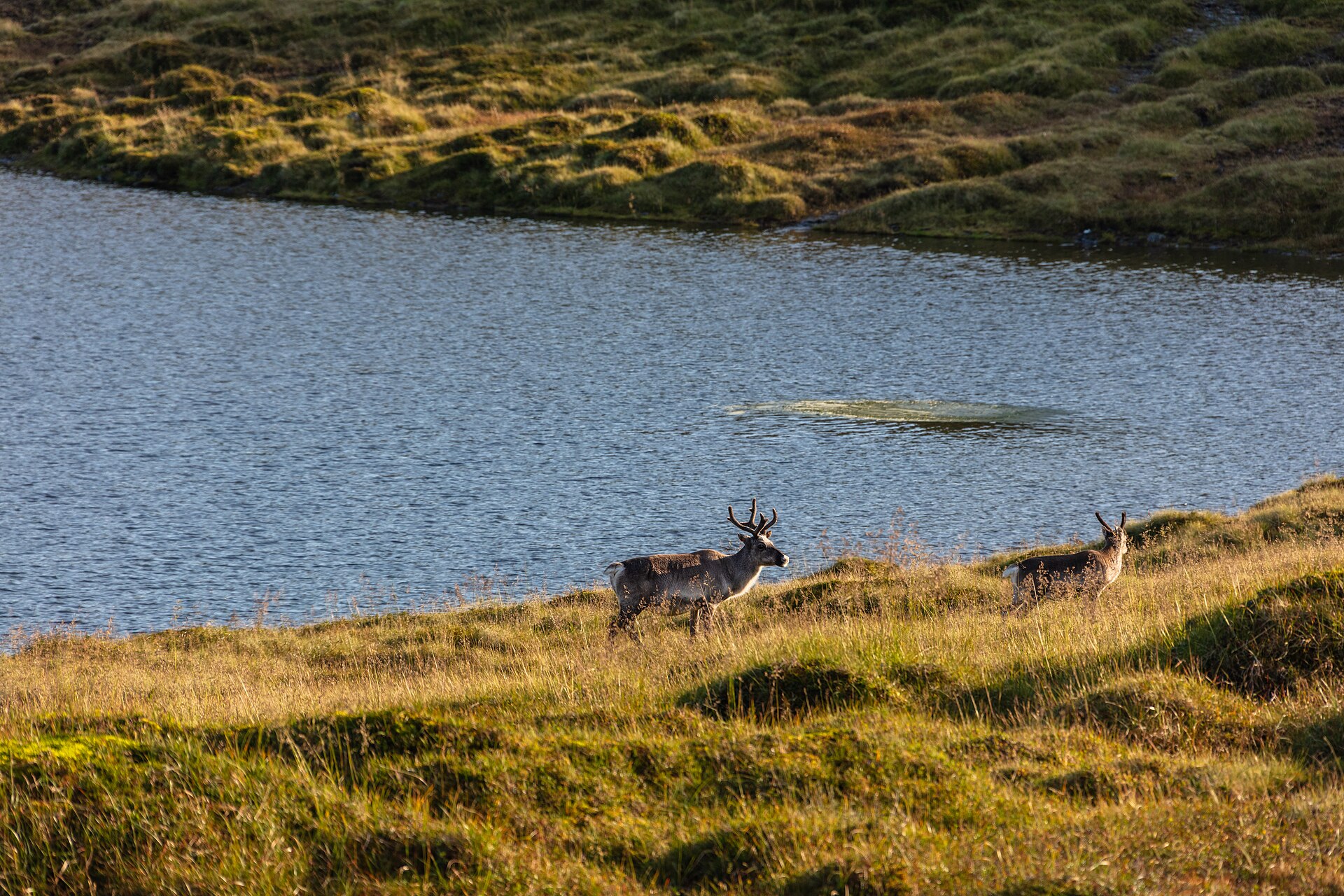
Female caribou in Denali prioritised safety early, then forage
GPS tracking in Denali National Park showed that female caribou used high-quality forage less in areas with greater…
Read story →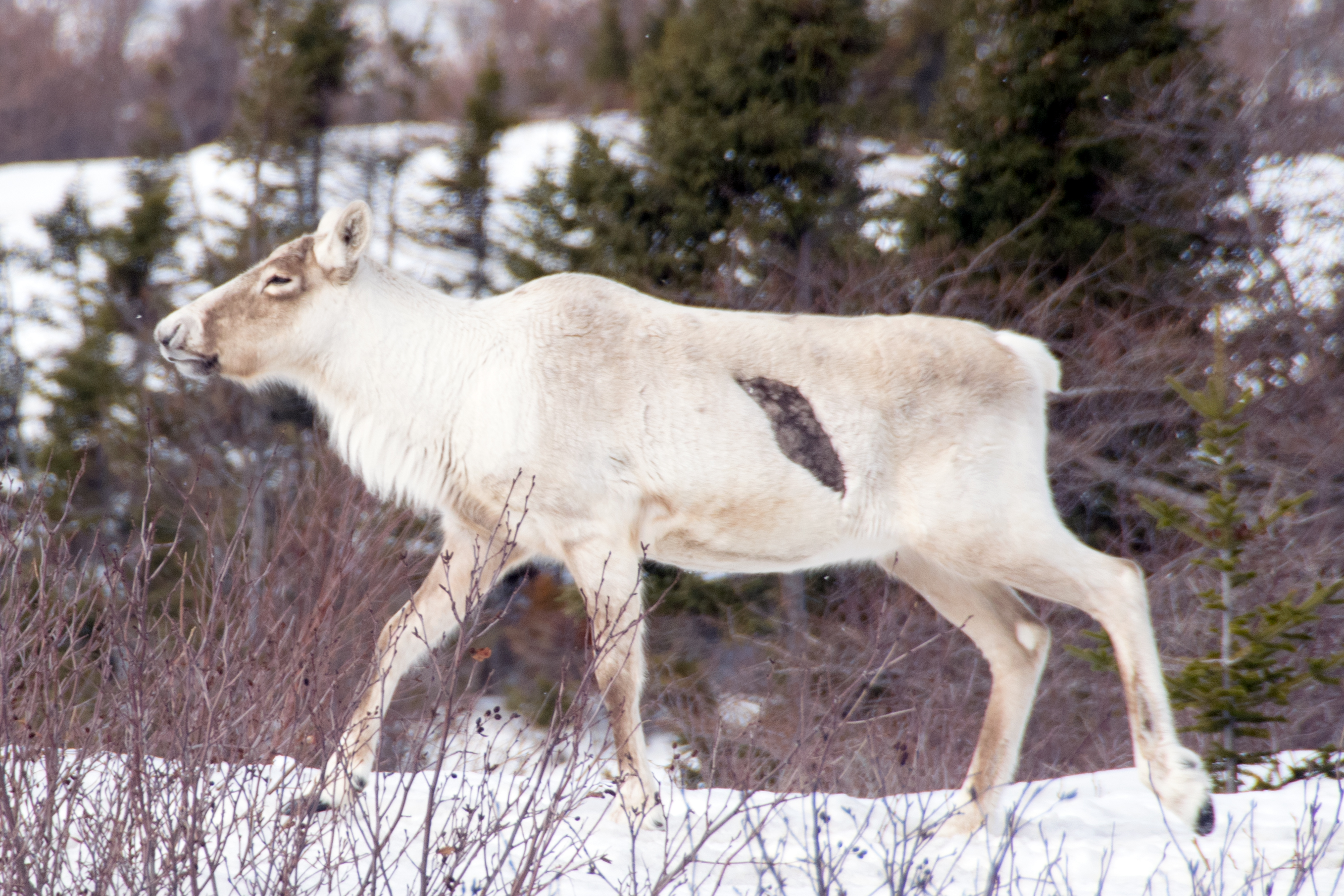
Late-winter recreation overlaps key habitat for caribou and wolverines
Across western Canada, all three study species showed spatial overlap with high-intensity recreation. In late winter, the busiest…
Read story →
Wild reindeer supplied food and materials in medieval Yamal
More than 16,000 animal remains from the Bukhta Nakhodka settlement offer a glimpse of medieval subsistence and trade…
Read story →SPECIES IN THIS STORY
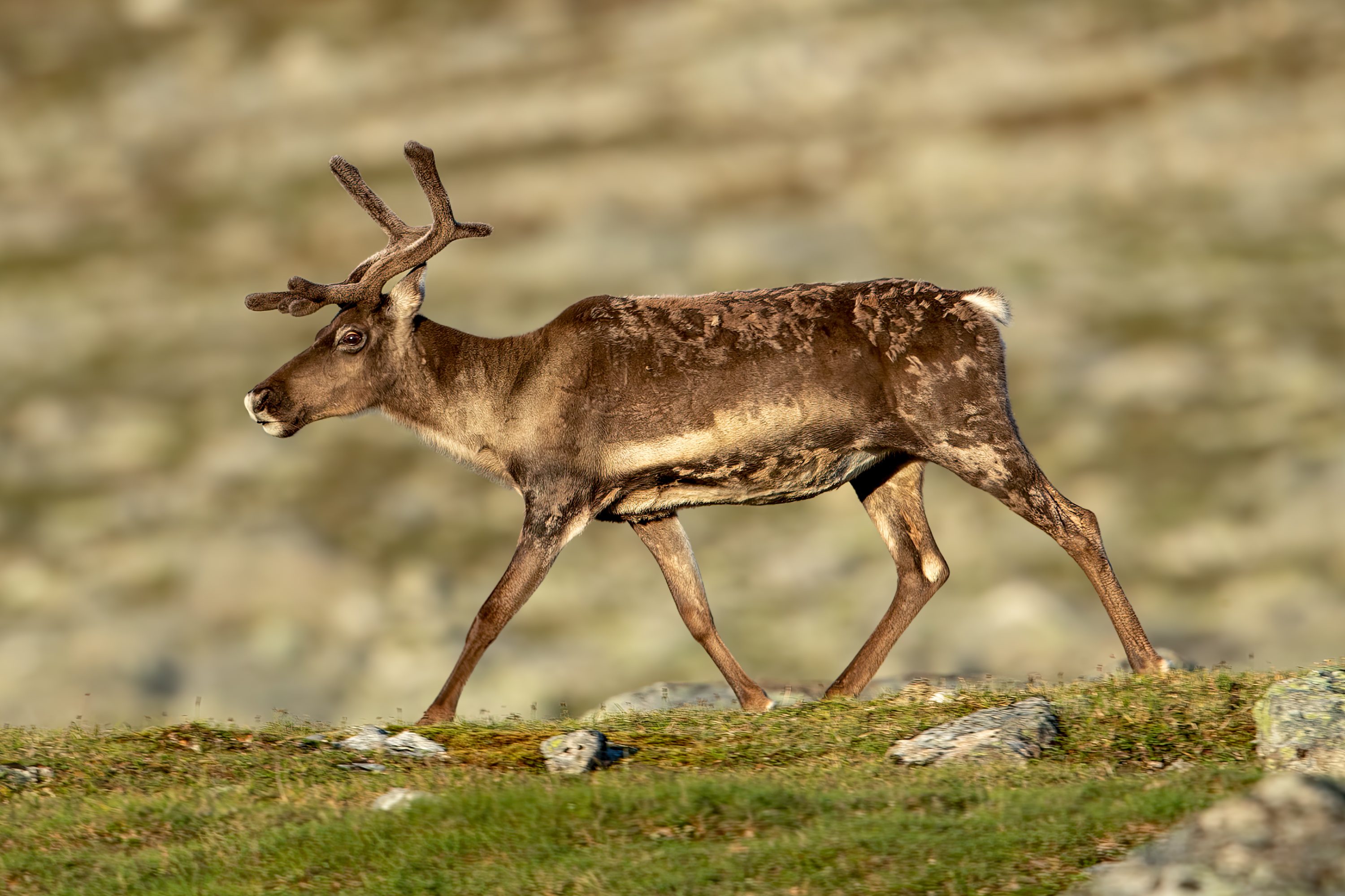
Species in this story
Independent research and conservation news archive
Did you find this information useful?
Wildlife Vagabond is independently built and maintained. Voluntary support helps cover source verification, hosting and continued work on research and conservation news.
Support Wildlife VagabondThe news archive will remain freely available.