
Wild reindeer supplied food and materials in medieval Yamal

What can animal bones tell us about how people made a living in medieval Yamal? Researchers examined more than 16,000 animal remains from the upper layers of the Bukhta Nakhodka settlement on Russia’s Yamal Peninsula. The remains came from excavations carried out between 2007 and 2014. By comparing the species represented and their relative numbers, the authors reconstructed parts of the settlement’s food supply and trade.
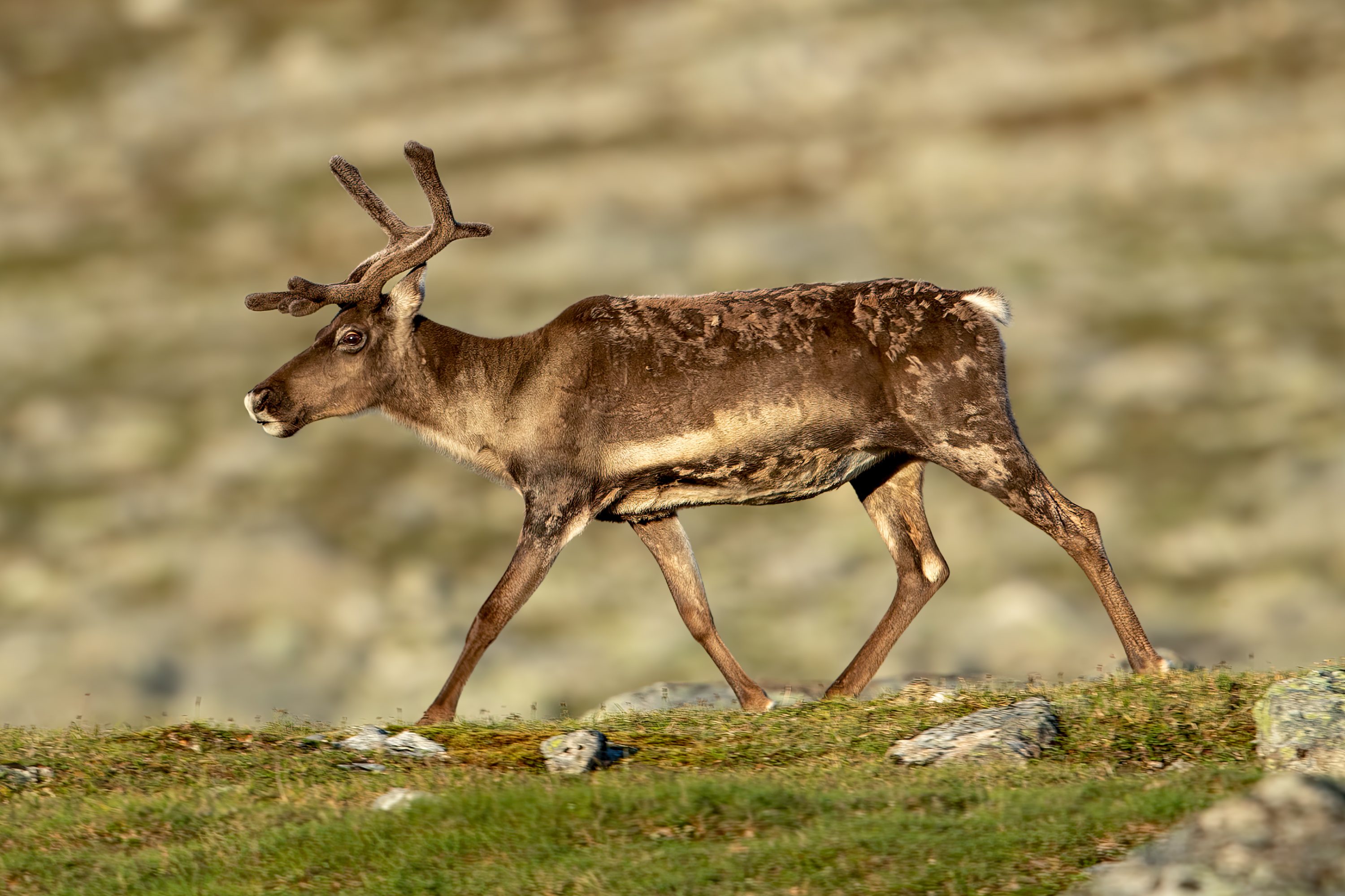
Wild reindeer (Rangifer tarandus) appear to have been central to subsistence. The authors identify large-scale drive hunts as the settlement’s main way of obtaining food. They interpret the remains as evidence that hunters drove reindeer along seasonal migration routes. Reindeer supplied meat, but also hides and material for tools and everyday objects, making the animals important well beyond the meal itself.
Hunting also supported trade. The authors identify Arctic fox hunting as the main commercial hunt, with pelts as the principal trade goods. Ringed seals were hunted too, but played a smaller role in the evidence described in the study.
Fishing added another important resource. Siberian sturgeon was especially prominent, providing food, fish skin and fish glue. Burbot, pike, nelma (Stenodus nelma), a large freshwater fish, and whitefish were present in smaller quantities.
The relatively few remains of animals associated with summer tundra conditions led the authors to infer that the settlement was used mainly in winter. Together, the animal remains depict an economy based chiefly on reindeer hunting, with Arctic fox pelts, fishing and smaller contributions from other hunts.
Ecology
Related news
Female caribou in Denali prioritised safety early, then forage
GPS tracking in Denali National Park showed that female caribou used high-quality forage less in areas with greater…
Read story →
Cattle-virus tests failed to detect a pestivirus isolated from reindeer
Researchers isolated Reindeer-508 from one of 645 tissue samples collected from semi-domesticated reindeer in Norway. It was most…
Read story →
Late-winter recreation overlaps key habitat for caribou and wolverines
Across western Canada, all three study species showed spatial overlap with high-intensity recreation. In late winter, the busiest…
Read story →SPECIES IN THIS STORY
Species in this story
Independent research and conservation news archive
Did you find this information useful?
Wildlife Vagabond is independently built and maintained. Voluntary support helps cover source verification, hosting and continued work on research and conservation news.
Support Wildlife VagabondThe news archive will remain freely available.