
CDV RNA Was Detected Across Five Wild Carnivore Species in Eastern Spain
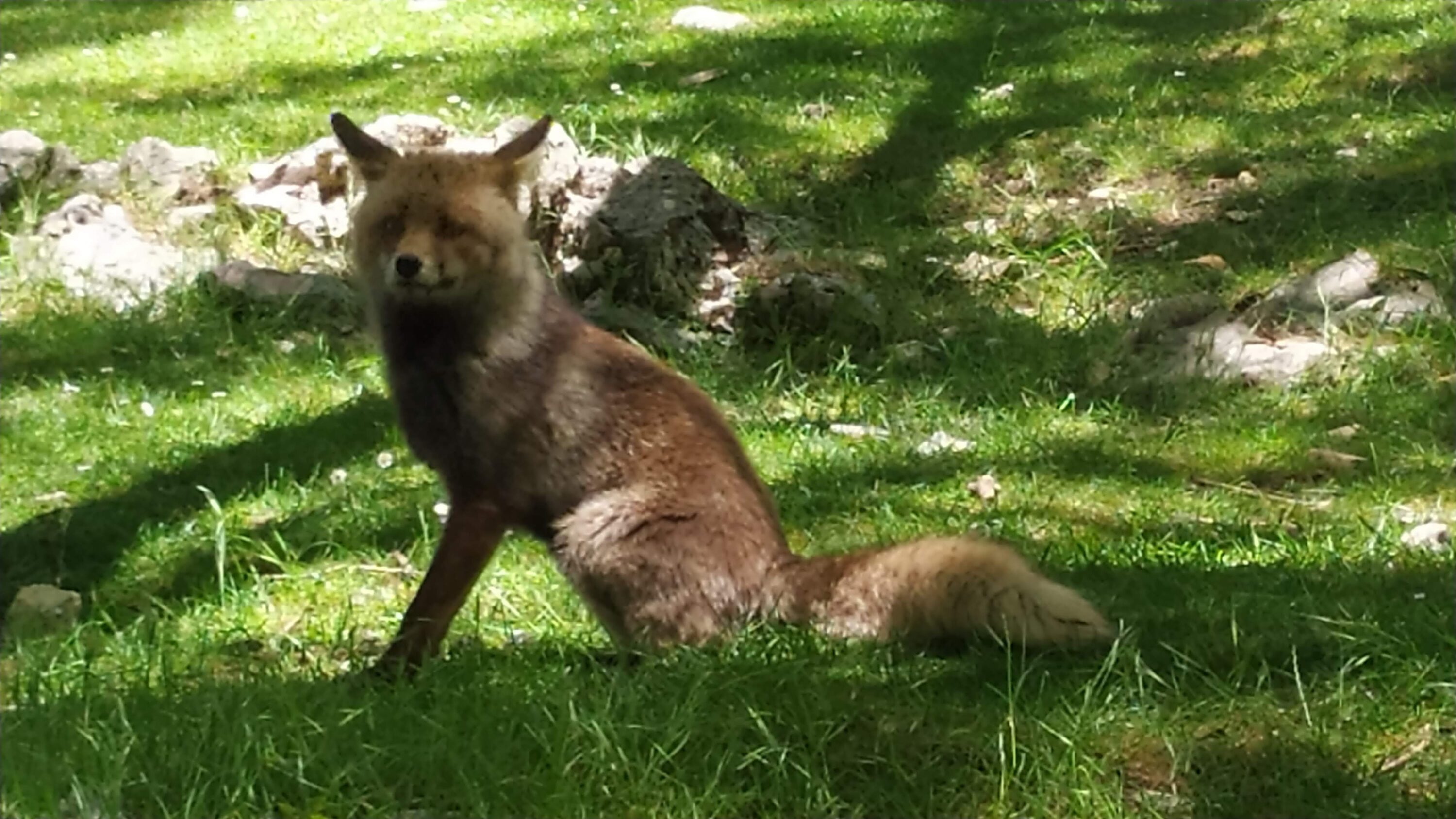
Canine distemper virus (CDV) was detected across several free-ranging carnivore species in the Valencian Community of eastern Spain. CDV is a highly infectious morbillivirus that can infect domestic dogs and a wide range of wild carnivores. The 2026 study examined 106 wild carnivores collected opportunistically between 2022 and 2025 rather than sampling a random cross-section of the living populations.
Viral RNA showed current or recent infection in five host species
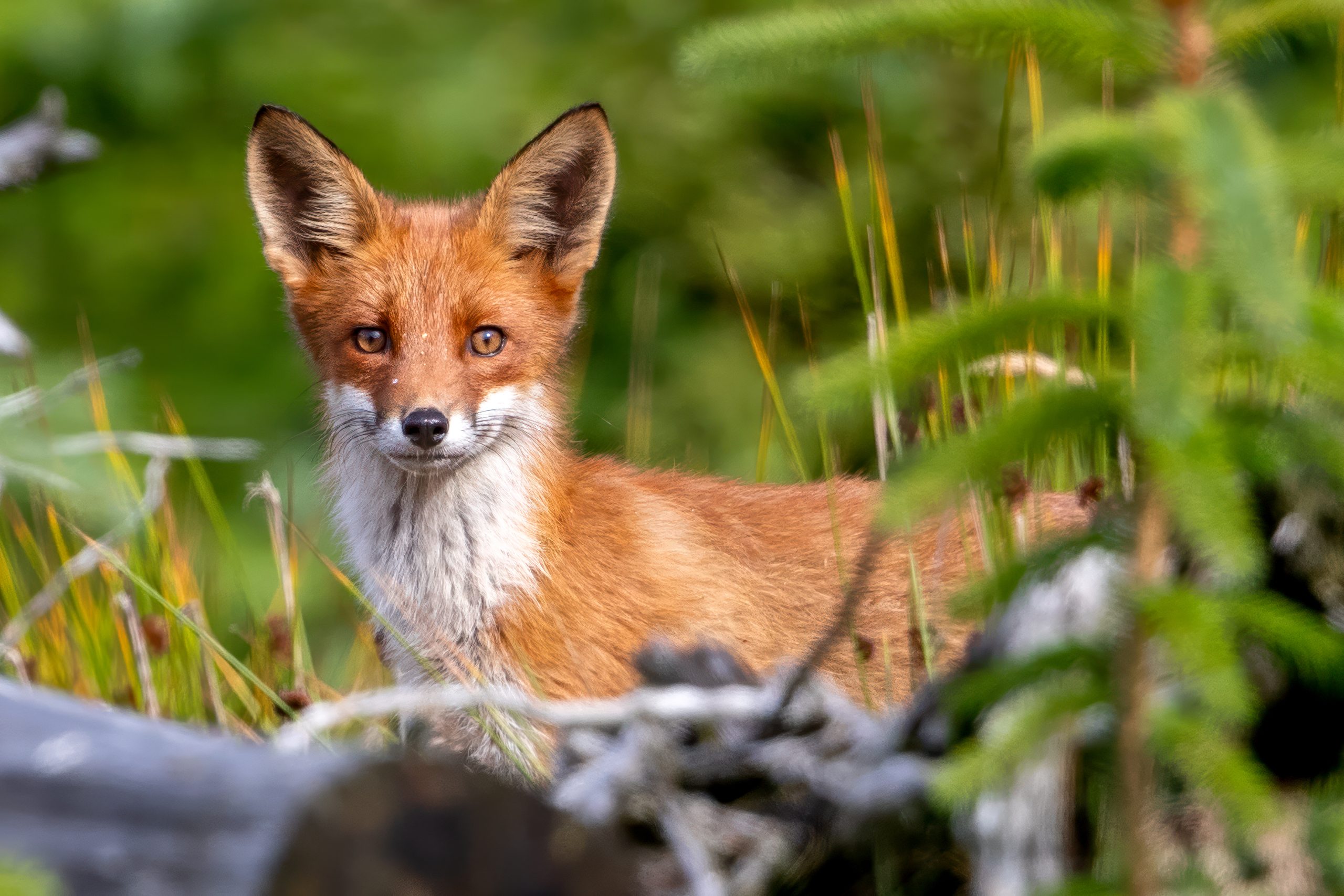
Researchers tested brain and lung tissues using RT-qPCR, a method that detects viral RNA. RNA was found in 12 of the 106 animals, or 11.3% of the sampled carnivores. Positive animals included red foxes (Vulpes vulpes), badgers, beech martens, American mink and common genets (Genetta genetta). Several positive samples contained relatively large amounts of viral RNA, supporting active or recent infection rather than only historical exposure.
Most PCR-positive animals were red foxes, but the opportunistic sample was not designed to compare population-level infection risk among species. The result therefore shows that foxes made up most of the positives in this sample, not by itself that foxes had the highest infection rate in the wider carnivore community.
Antibodies provided a second line of evidence for circulation
Antibodies to CDV were detected in eight of 84 animals tested, corresponding to 9.5% of that subset. Antibodies show that an animal’s immune system has encountered the virus and can remain after an infection has passed, so seropositivity is evidence of exposure rather than proof of active infection at the time of sampling.
One pregnant common genet had viral RNA in the brain, while the fetuses and placental tissues tested negative. In this individual, the study therefore found no evidence that the virus had been transmitted vertically from mother to fetuses.
Taken together, the molecular and antibody results support ongoing CDV circulation among wild carnivores in eastern Spain. Because the animals were collected opportunistically, the percentages describe the sampled material rather than a population-wide prevalence estimate. The authors argue that continued surveillance is particularly relevant in landscapes being considered for conservation programmes involving susceptible carnivores, including possible future Iberian lynx reintroductions.
Disease, parasites & microbiology
Related news
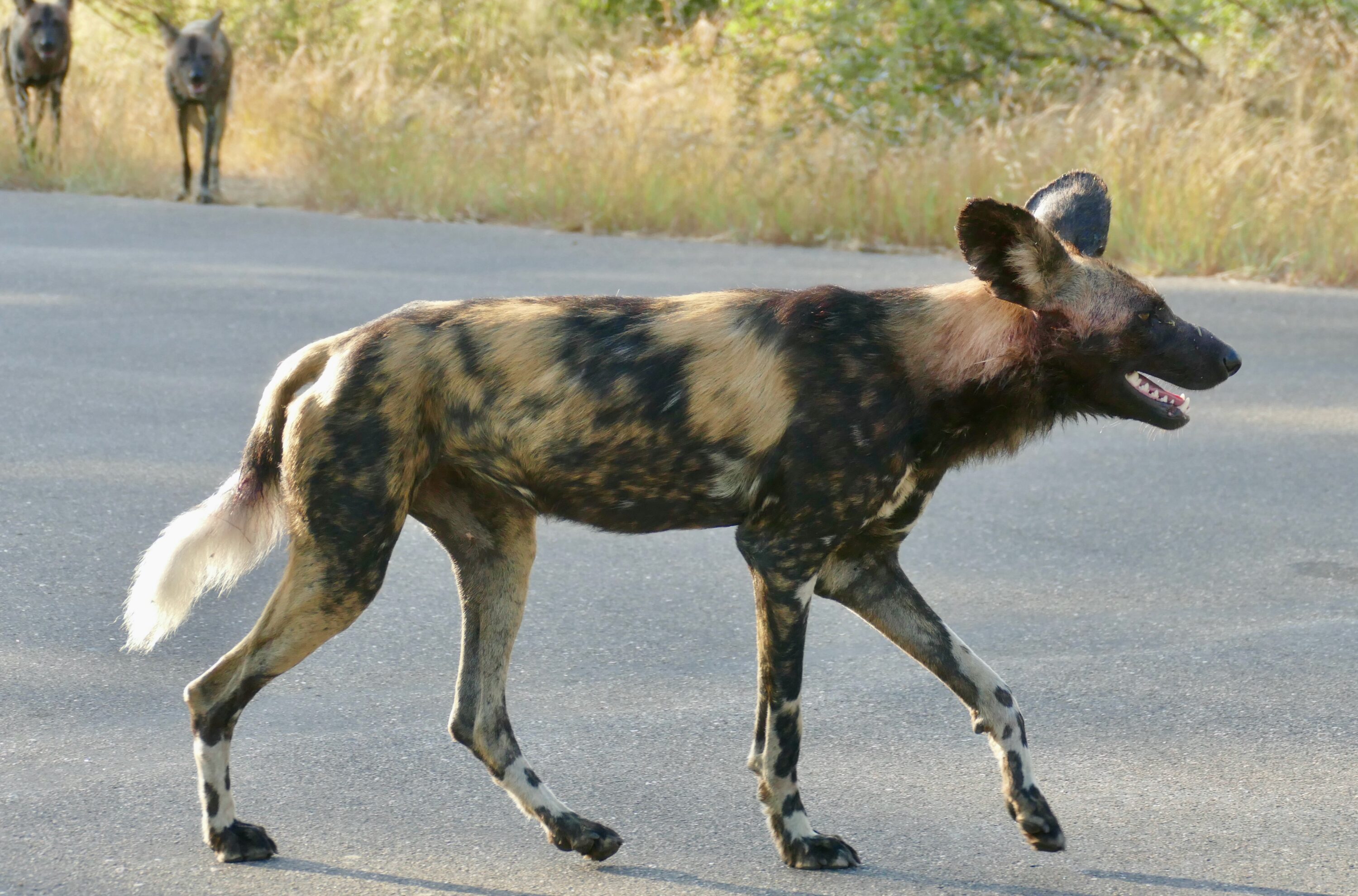
Gut Microbiomes Across Nine Kruger Mammals Clustered More Strongly by Dietary Group Than Species
A study of 89 quality-filtered faecal samples from nine wild mammals in Kruger National Park found that carnivores,…
Read story →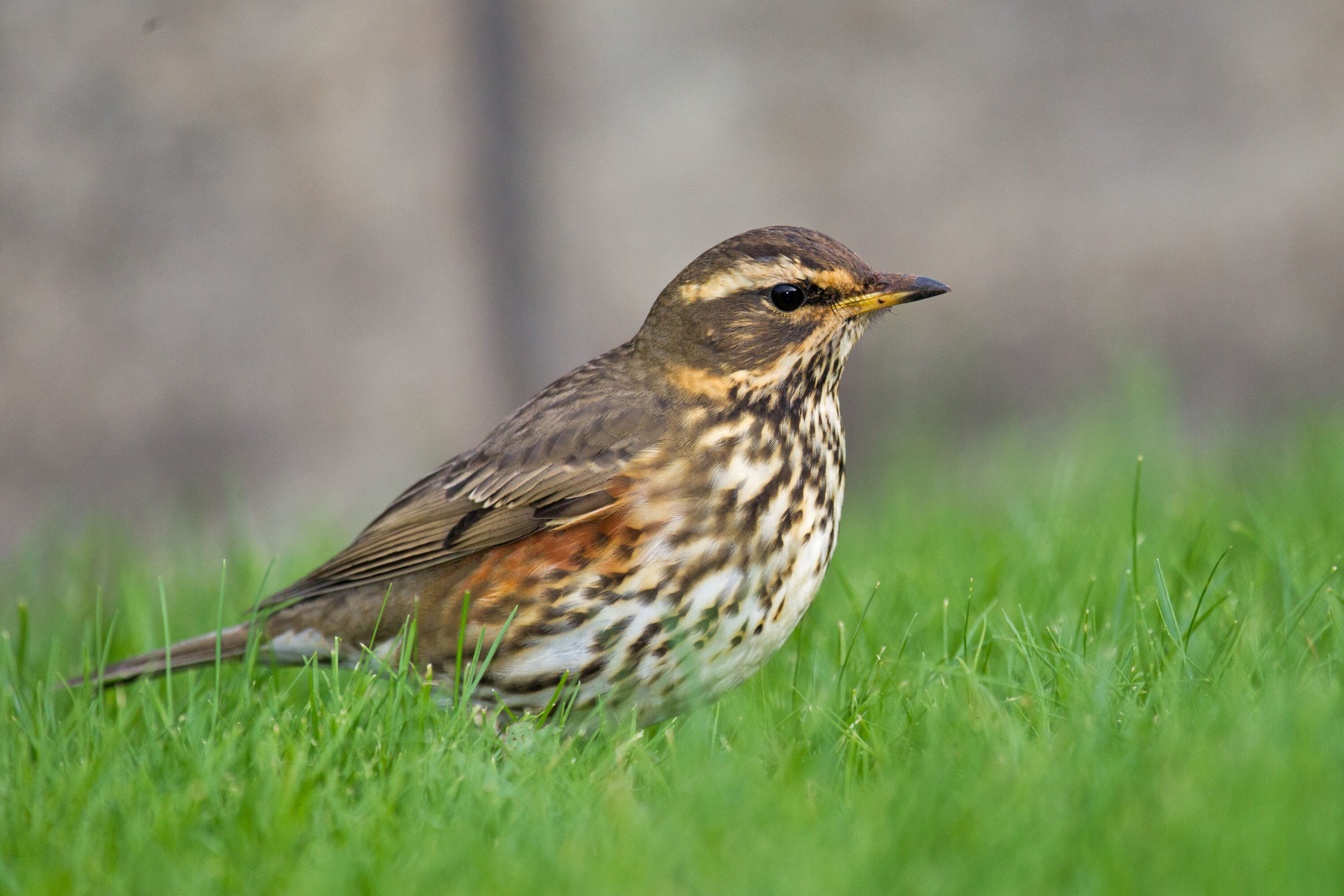
Nearly Three-quarters of Migrating Redwings Carried Ticks During Two Mild Belgian Autumns
Ticks were found on 72.9% of 284 redwings sampled during late-autumn migration in Belgium; 12.9% of 698 screened…
Read story →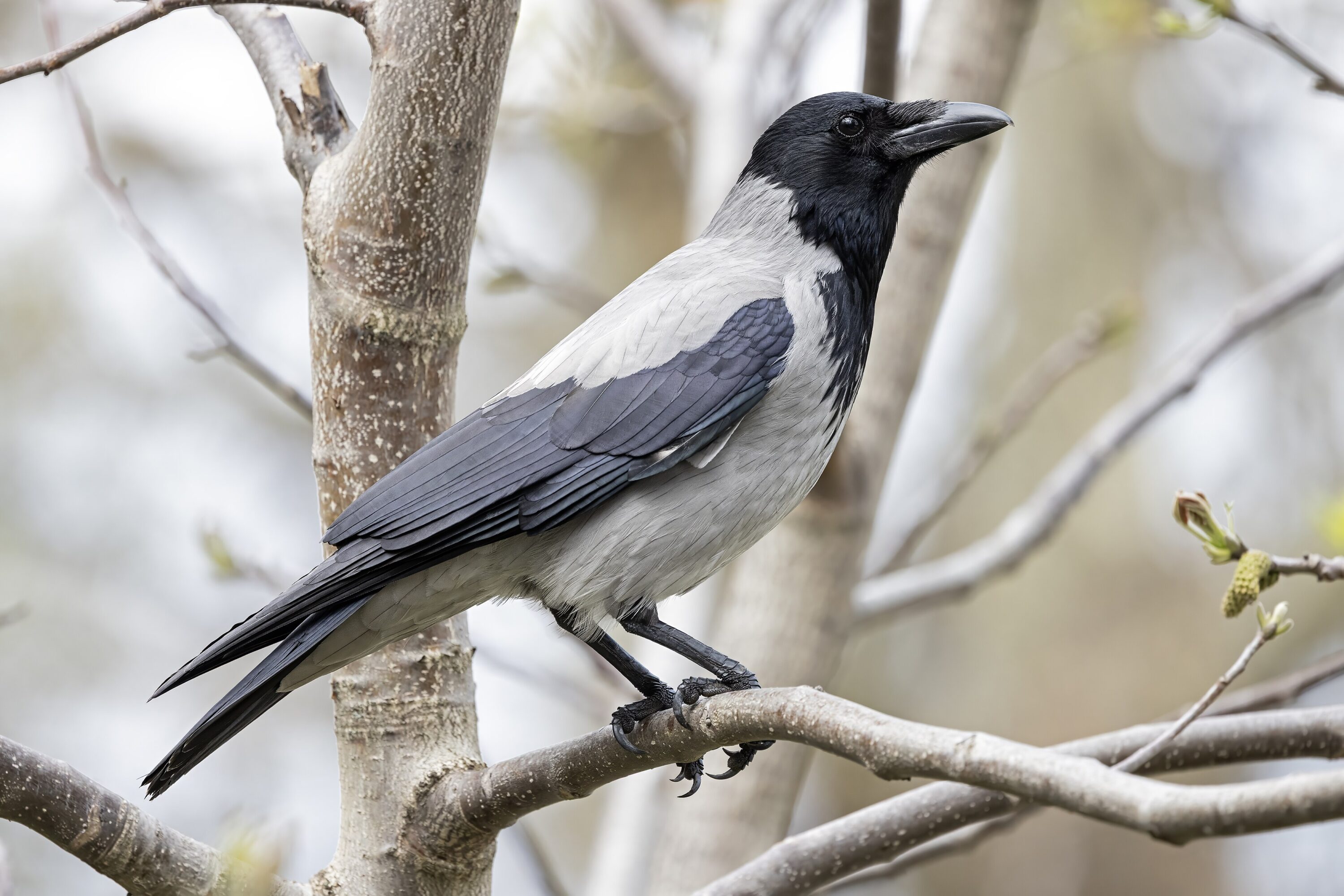
Hooded Crows Were Linked to 87 Reported West Nile Virus Bird Outbreaks in Europe
The September ECDC–EFSA report linked hooded crows to 87 reported West Nile virus bird outbreaks, Eurasian magpies to…
Read story →SPECIES IN THIS STORY
Species in this story
Independent research and conservation news archive
Did you find this information useful?
Wildlife Vagabond is independently built and maintained. Voluntary support helps cover source verification, hosting and continued work on research and conservation news.
Support Wildlife VagabondThe news archive will remain freely available.