
Common Cuckoos Were Filmed Destroying Parrotbill Clutches During Egg-Laying
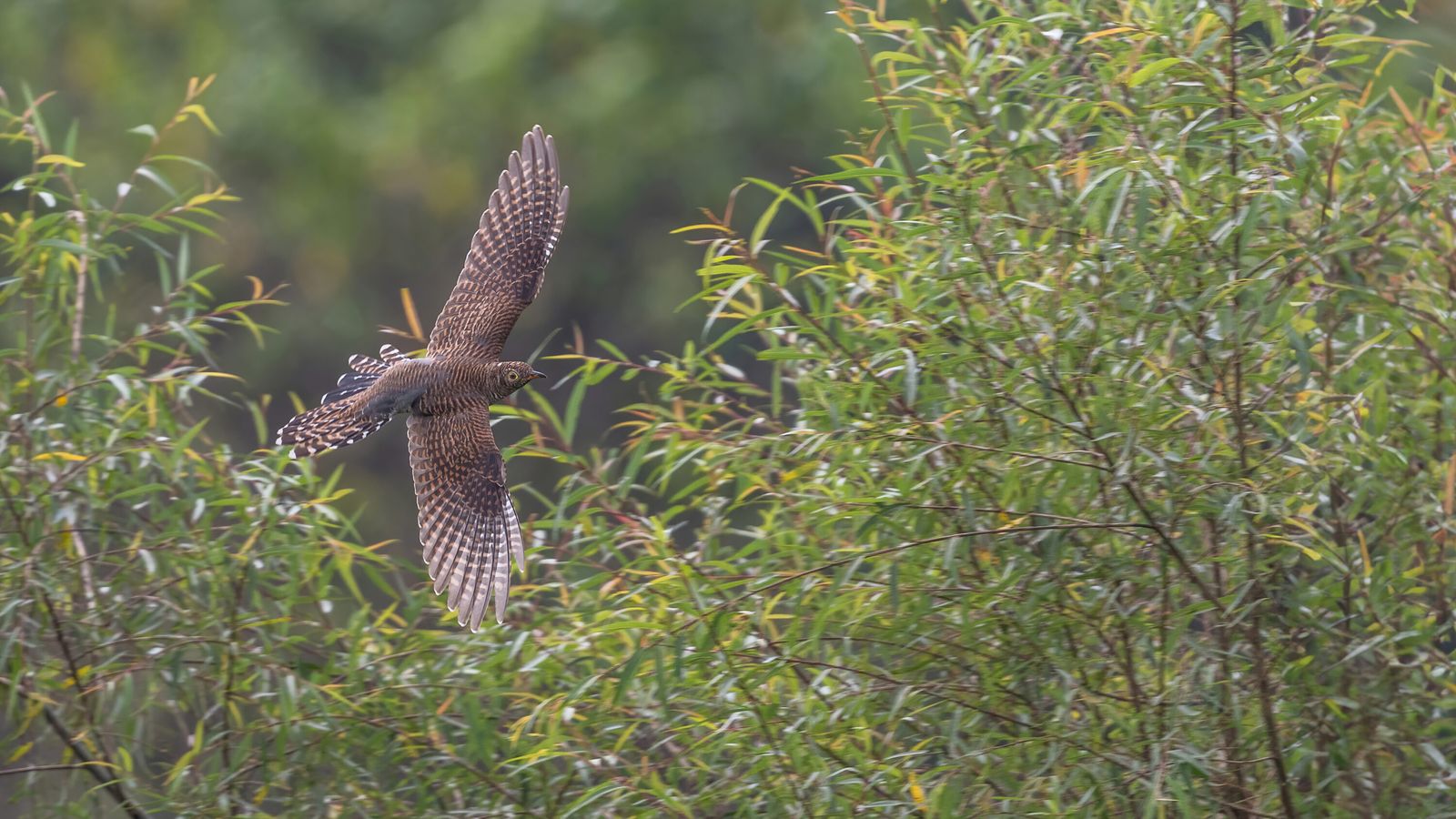
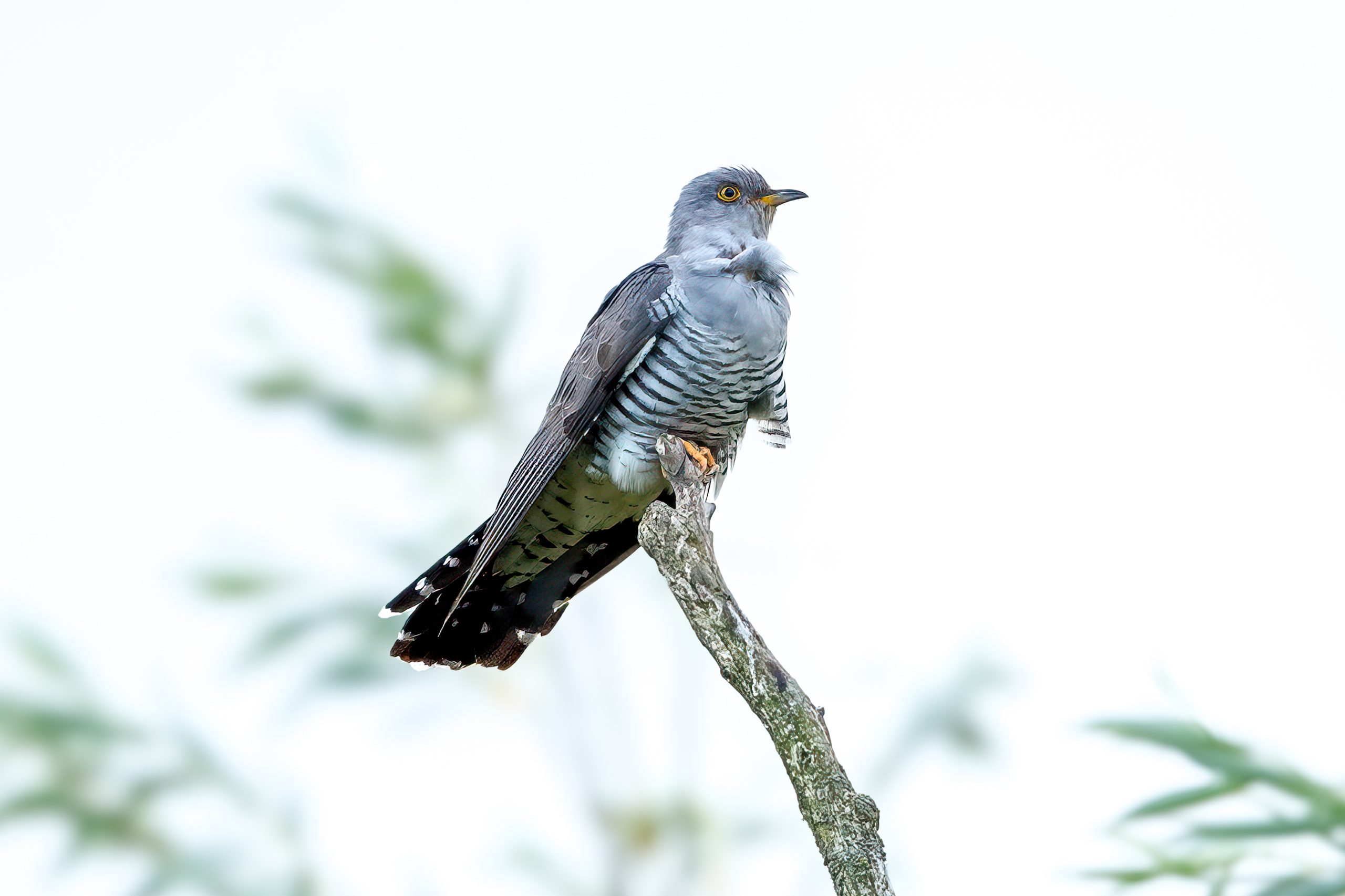
Common cuckoos (Cuculus canorus) were filmed destroying eggs in nests of vinous-throated parrotbills (Sinosuthora webbiana) while the hosts were still laying, documenting a destructive behaviour at a stage normally considered ideal for brood parasitism. The five cases, each involving a different and independent host nest, were analysed in a South Korean study first published on 17 April 2026.
The recordings came from nests monitored from construction onward. The five attacks took place between 4 and 16 June 2007, during the first five days of the host laying period.
Eggs were swallowed, broken or carried away
The attacks were brief, lasting only 2–74 seconds. During them, cuckoos swallowed eggs whole, broke eggs and consumed their contents, or removed eggs in the bill. Each event caused the loss of one to four eggs. Three attacks resulted in complete clutch destruction and two in partial clutch predation, but every affected nest was subsequently deserted and no additional eggs were laid.
The authors distinguish this behaviour from the more familiar removal of one or two host eggs that often accompanies cuckoo egg-laying. In these cases, the birds were clearly consuming or destroying host eggs, making the events egg predation rather than routine egg removal during parasitism.
Why destroy a nest at the best time to parasitise it?
The timing makes the behaviour unusual. Cuckoos normally benefit from laying during the host’s laying period because this helps their chick hatch early. The authors therefore discuss several possible functions rather than presenting one explanation as established.
One possibility is that destroying a clutch can reset the host’s breeding attempt when the cuckoo is not yet ready to lay. Another is that, in a semi-colonial host such as the vinous-throated parrotbill, synchronous breeding provides many nests at once, allowing a cuckoo to eliminate a nest that is unsuitable while retaining other opportunities. Egg recognition is especially relevant in this host: parrotbills in the study population lay either white or turquoise-blue eggs, cuckoo eggs closely mimic the blue type, and parrotbills can reject poorly matching cuckoo eggs. The authors therefore also suggest that clutch destruction may reduce the host’s opportunity to reinforce its recognition of its own egg appearance, potentially affecting later defences against parasitic eggs.
Behaviour
Related news
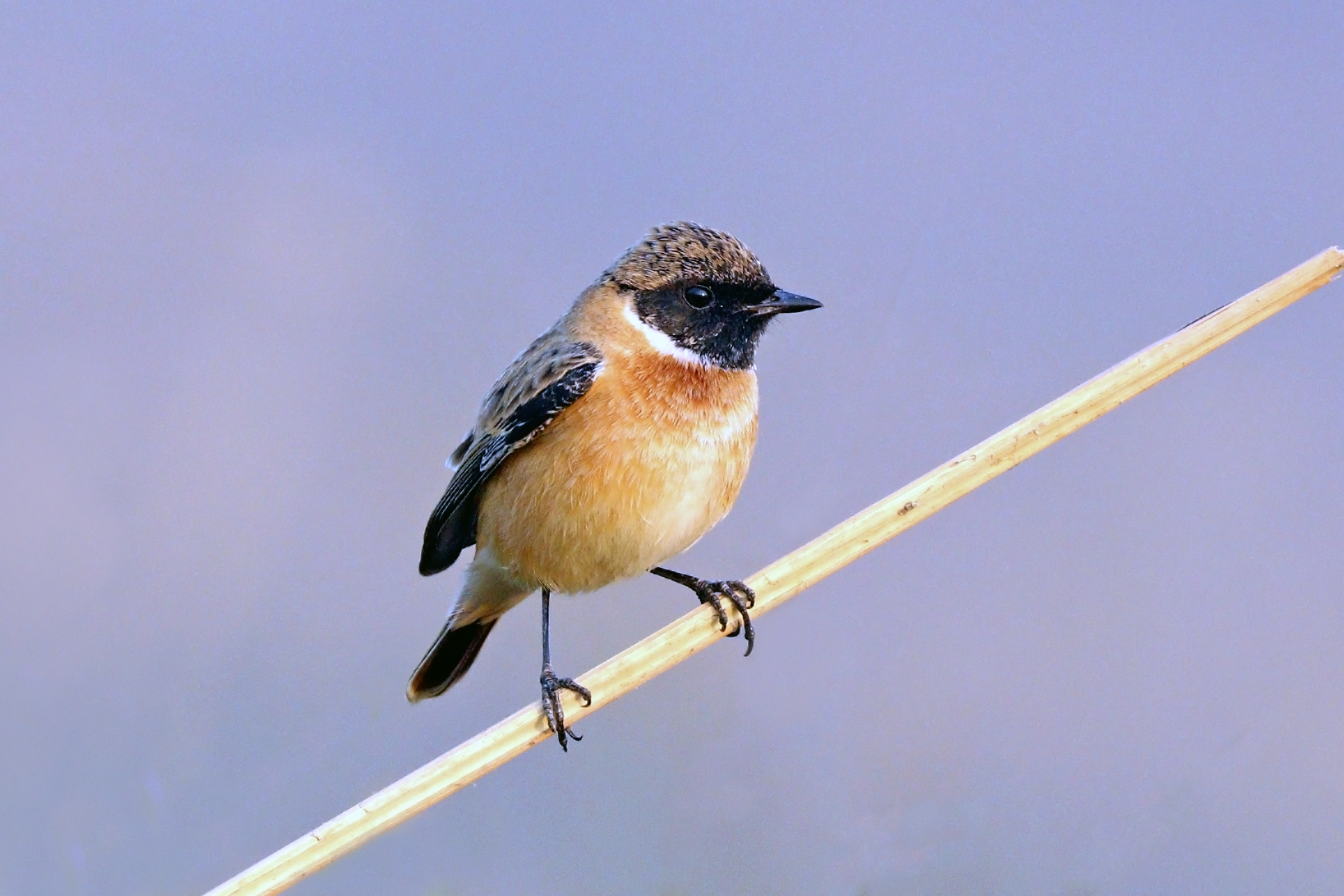
Egg Rejection Did Not Clearly Increase After Cuckoo Arrival in Two Host Species
Grey bushchats and Siberian stonechats showed no clear increase in foreign-egg rejection after common cuckoos arrived. The result…
Read story →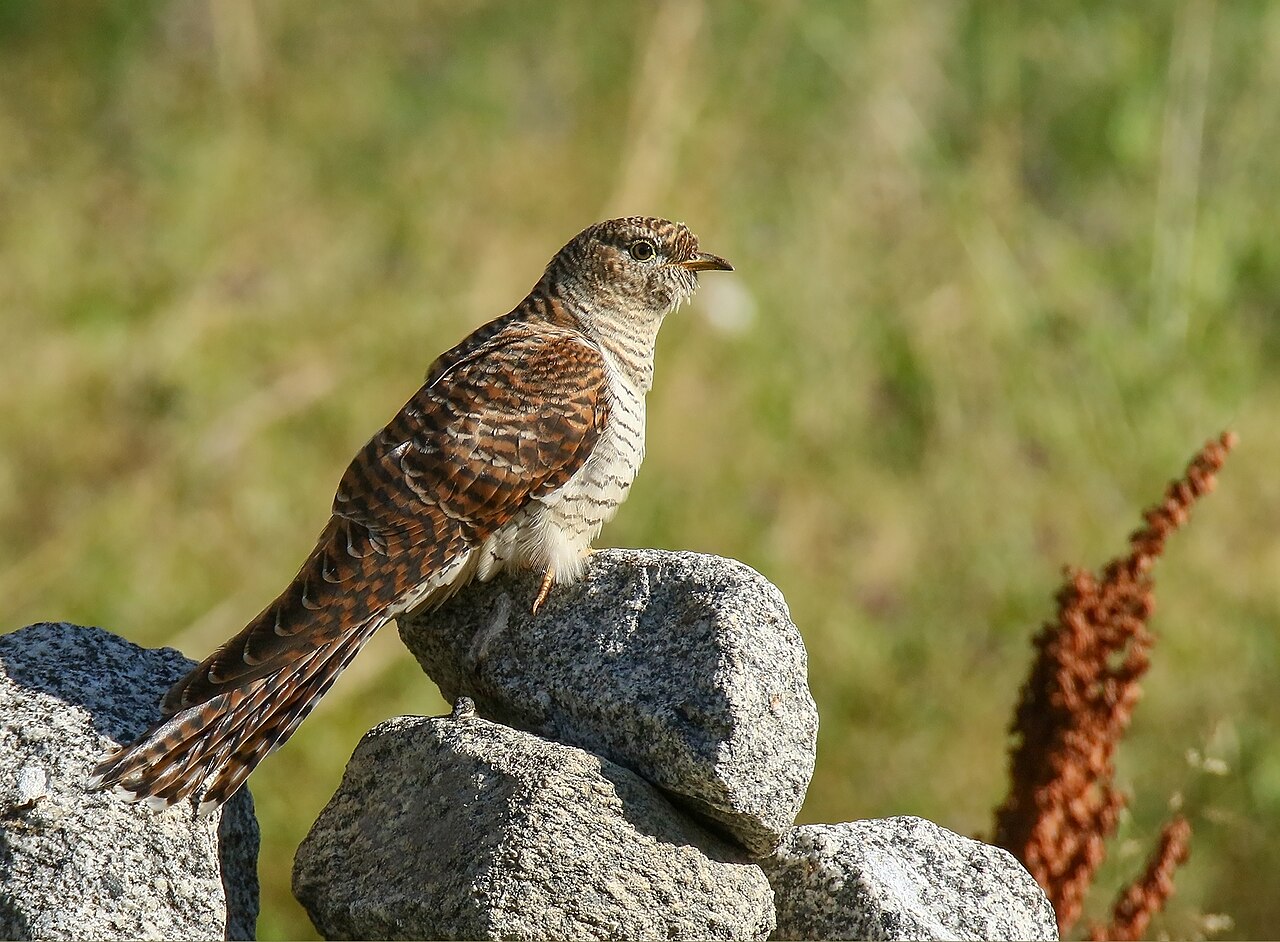
Cuckoos Use Two Different Strategies to Lay Eggs in Redstart Nests
Video from Finnish redstart nest boxes provides the first direct evidence that common cuckoos use two egg-laying strategies,…
Read story →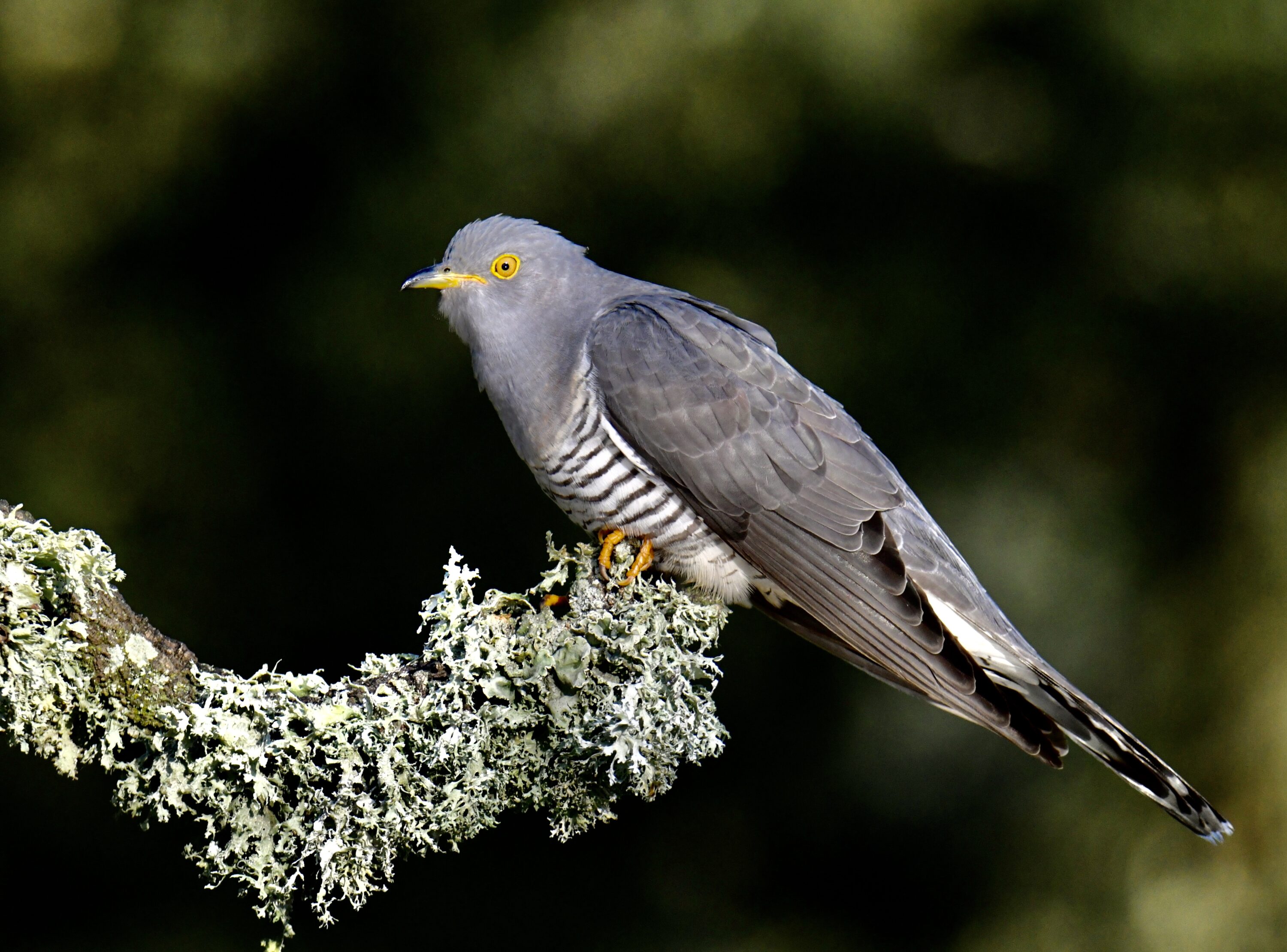
Models Highlighted Iberian Mountains and the Po Watershed as Key Stopover Regions for UK Common Cuckoos
Models based on satellite tracks from 88 UK-breeding male common cuckoos highlighted Iberian mountain ranges and the Po…
Read story →SPECIES IN THIS STORY
Species in this story
Independent research and conservation news archive
Did you find this information useful?
Wildlife Vagabond is independently built and maintained. Voluntary support helps cover source verification, hosting and continued work on research and conservation news.
Support Wildlife VagabondThe news archive will remain freely available.