
Common Cuckoos Used Host Activity to Find Concealed Daurian Redstart Nests
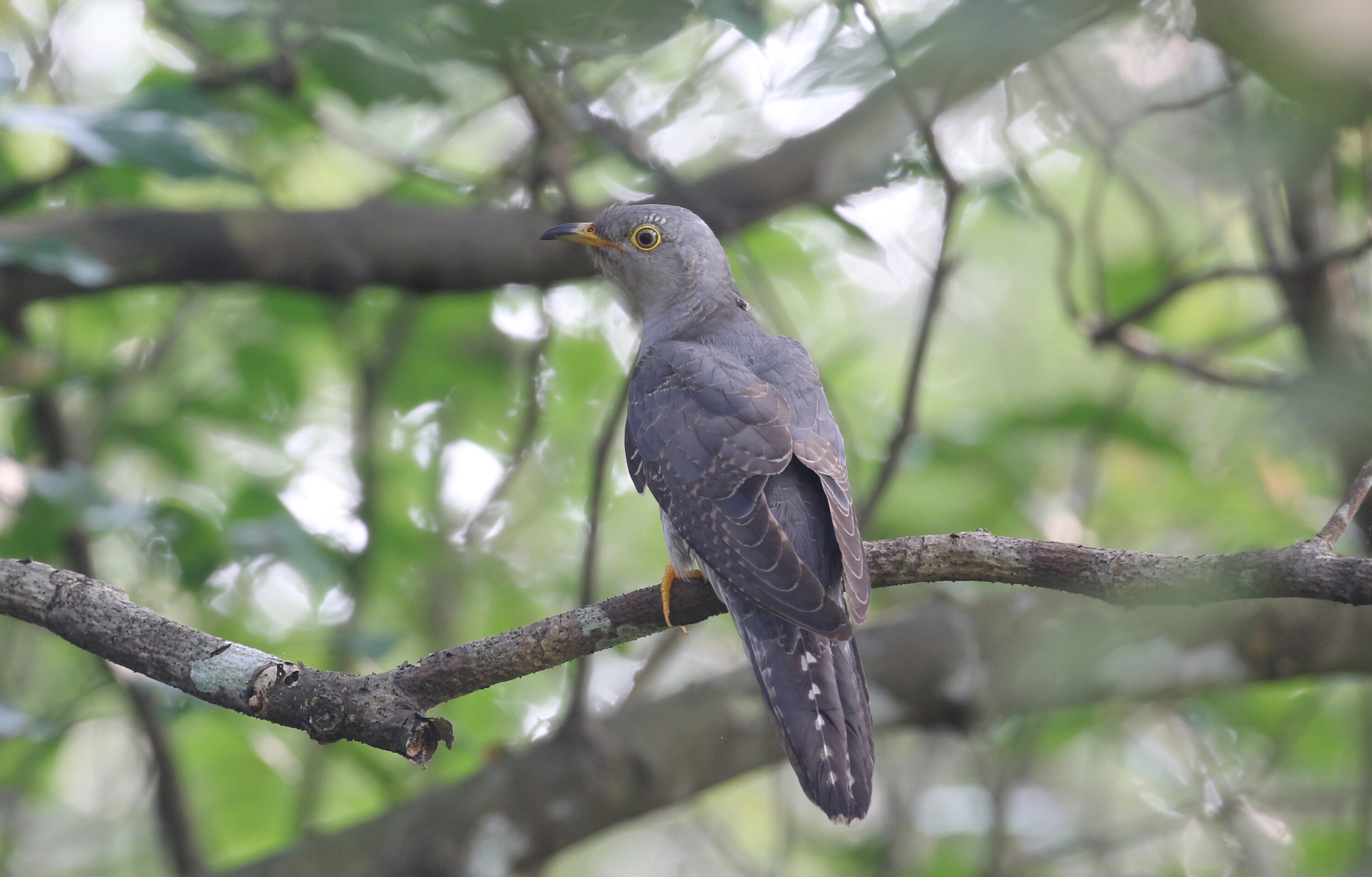
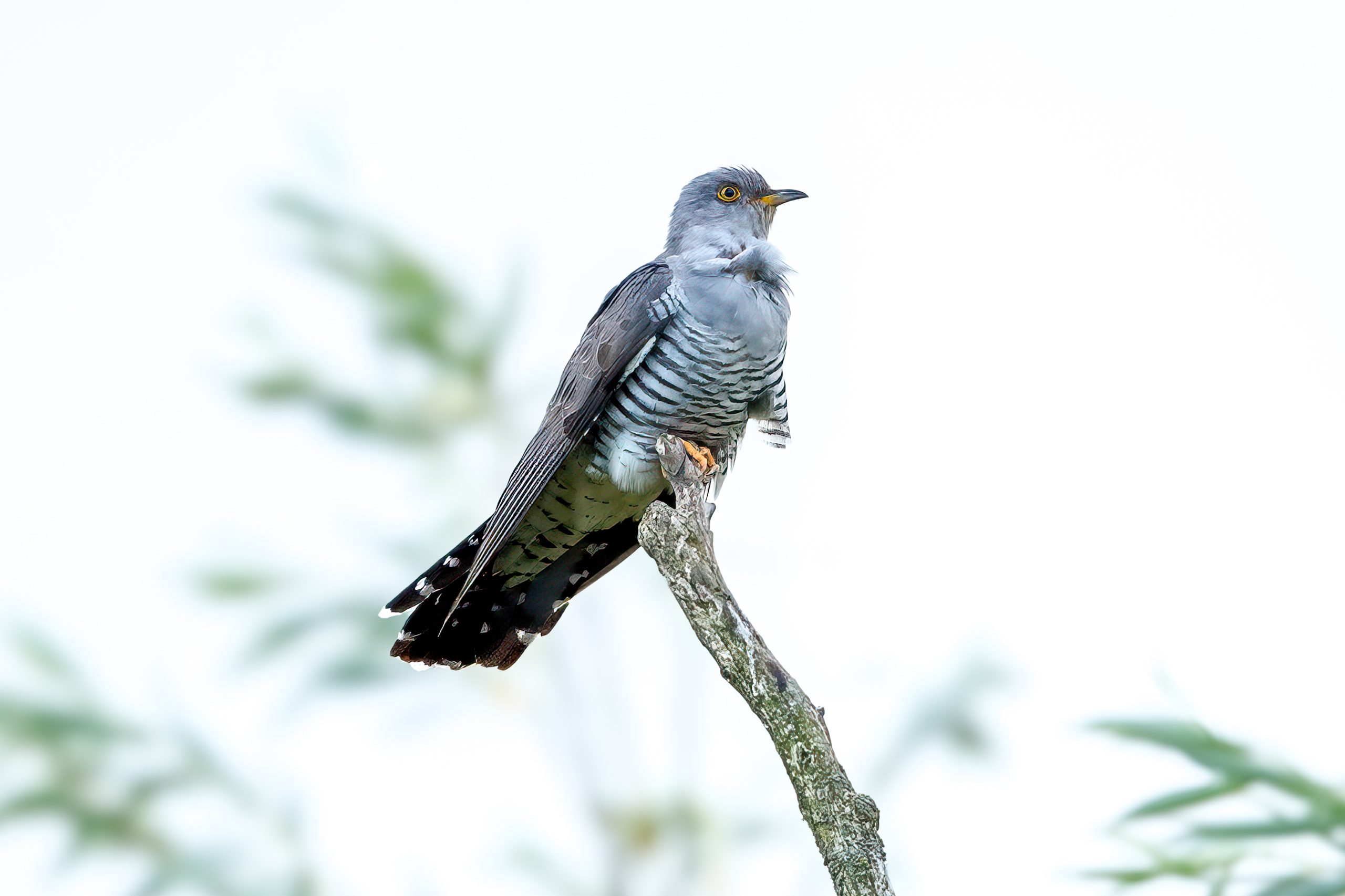
Common cuckoos (Cuculus canorus) used the activity of Daurian redstarts (Phoenicurus auroreus) to locate concealed host nests in south-western China, according to a study available online on 20 January 2026. The researchers combined monitoring from 2018 to 2025 with a nestbox experiment in the Liuzhi area of Guizhou.
Across 681 redstart nesting attempts, the team recorded 32 cuckoo nest-selection events. In 28 of them a cuckoo laid an egg; in four others a host egg was removed without a cuckoo egg being laid. The 32 events therefore represent a broader measure of cuckoo nest selection, not 32 completed laying events. Neither indoor versus outdoor nesting nor nesting on houses versus elsewhere had a clear effect on this selection pattern.
Host activity strongly guided cuckoo nest finding
The nestbox experiment showed a much stronger link with host activity. Of 797 boxes deployed from 2019 to 2023 and again in 2025, redstarts occupied 51 and Oriental magpie-robins (Copsychus saularis) occupied 103. Common cuckoos parasitised 19.6% of boxes used by redstarts compared with 0.97% of those used by magpie-robins. Based on egg phenotype, the authors concluded that the cuckoo lineage specialising on redstarts parasitised only boxes with active redstart attendance.
Nest exposure also increased parasitism
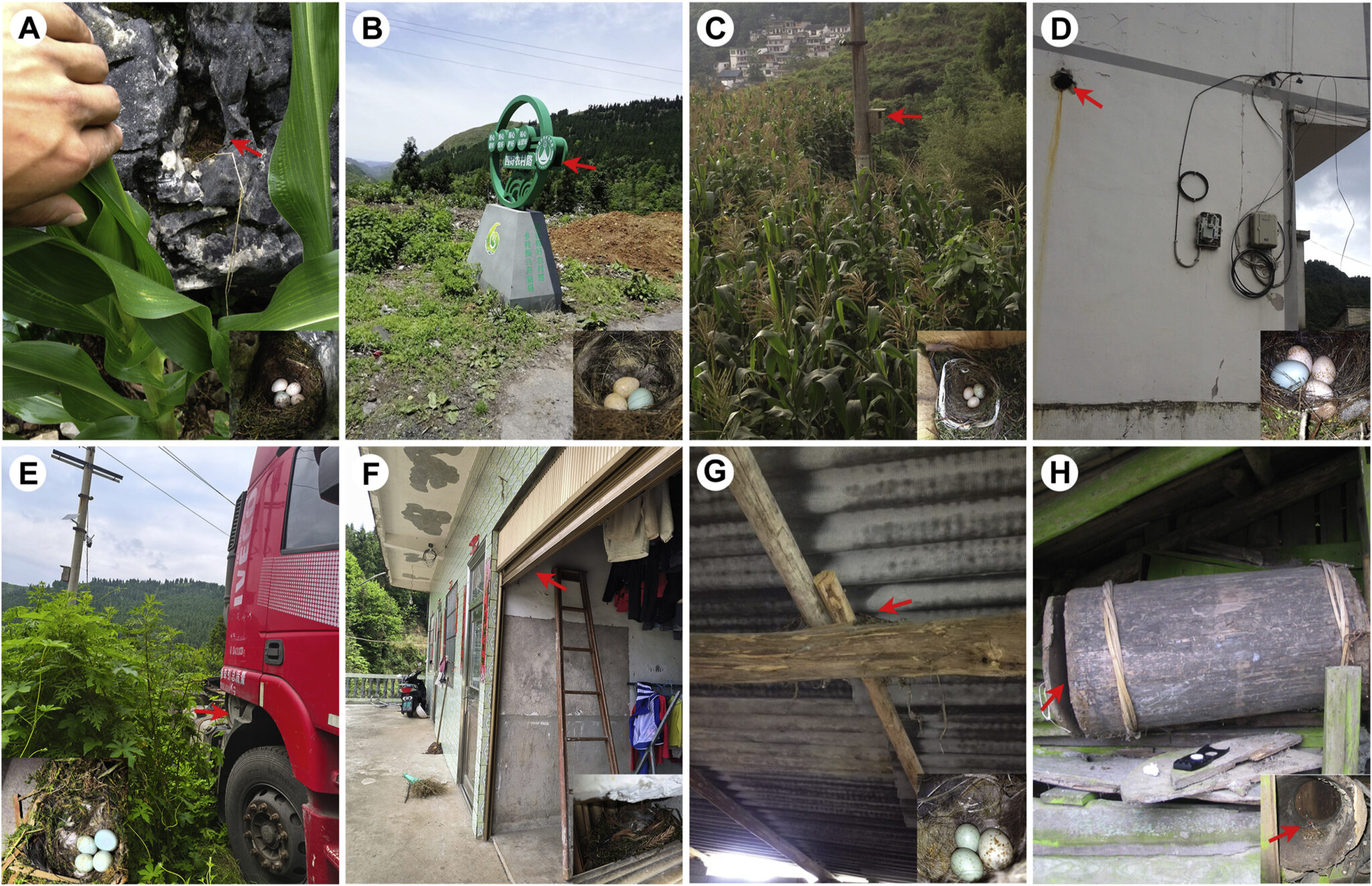
More exposed nestboxes were also parasitised more often than natural nests. The researchers documented cuckoo parasitism in a wide range of redstart nesting sites, including artificial nestboxes, buildings, an inactive vehicle and an old beehive. They describe the observations as the first evidence of common cuckoo parasitism of a human-associated host nesting indoors and conclude that host activity provides a key cue for locating otherwise concealed nests.
Behaviour
Related news
Egg Rejection Did Not Clearly Increase After Cuckoo Arrival in Two Host Species
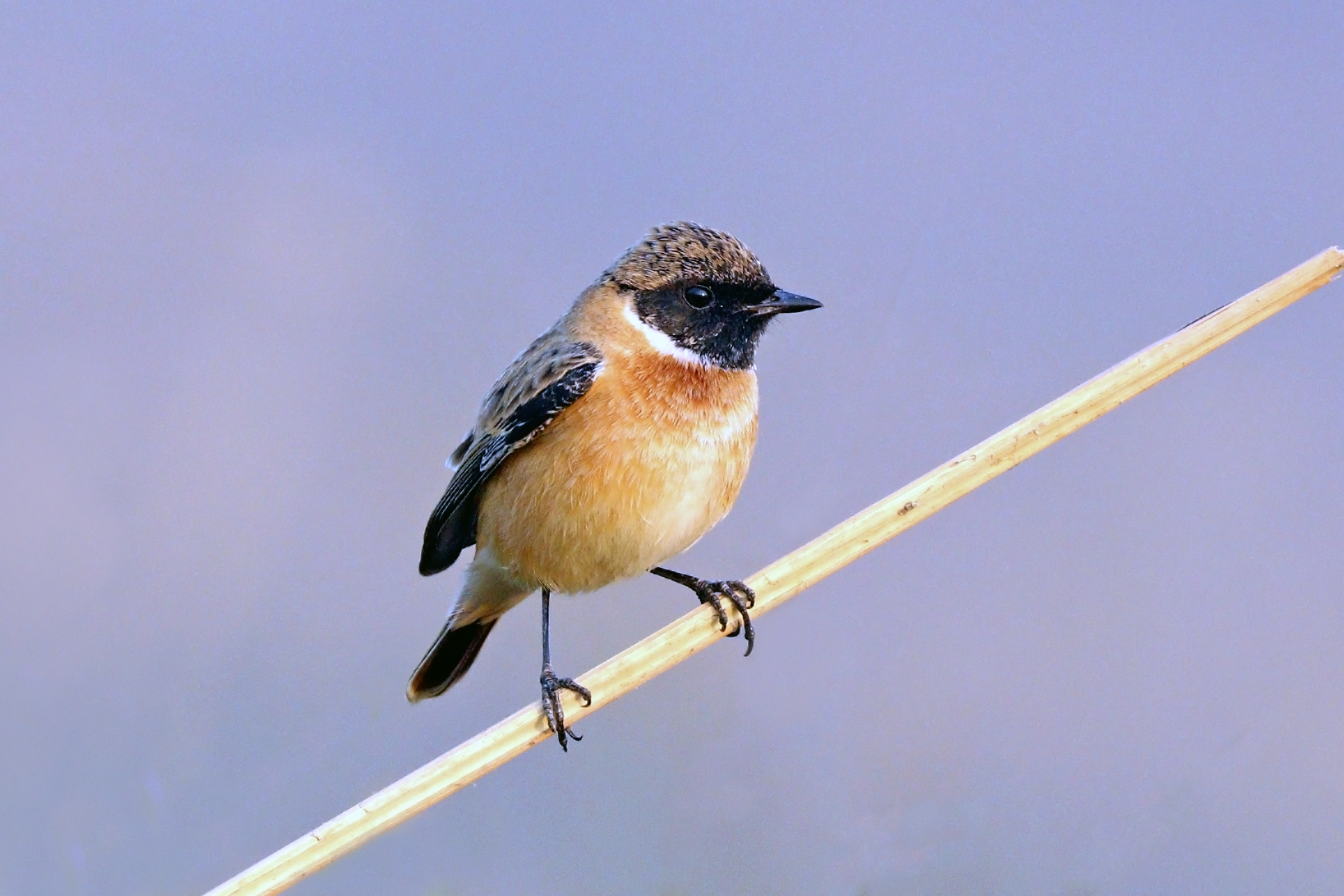
Grey bushchats and Siberian stonechats showed no clear increase in foreign-egg rejection after common cuckoos arrived. The result…
Read story →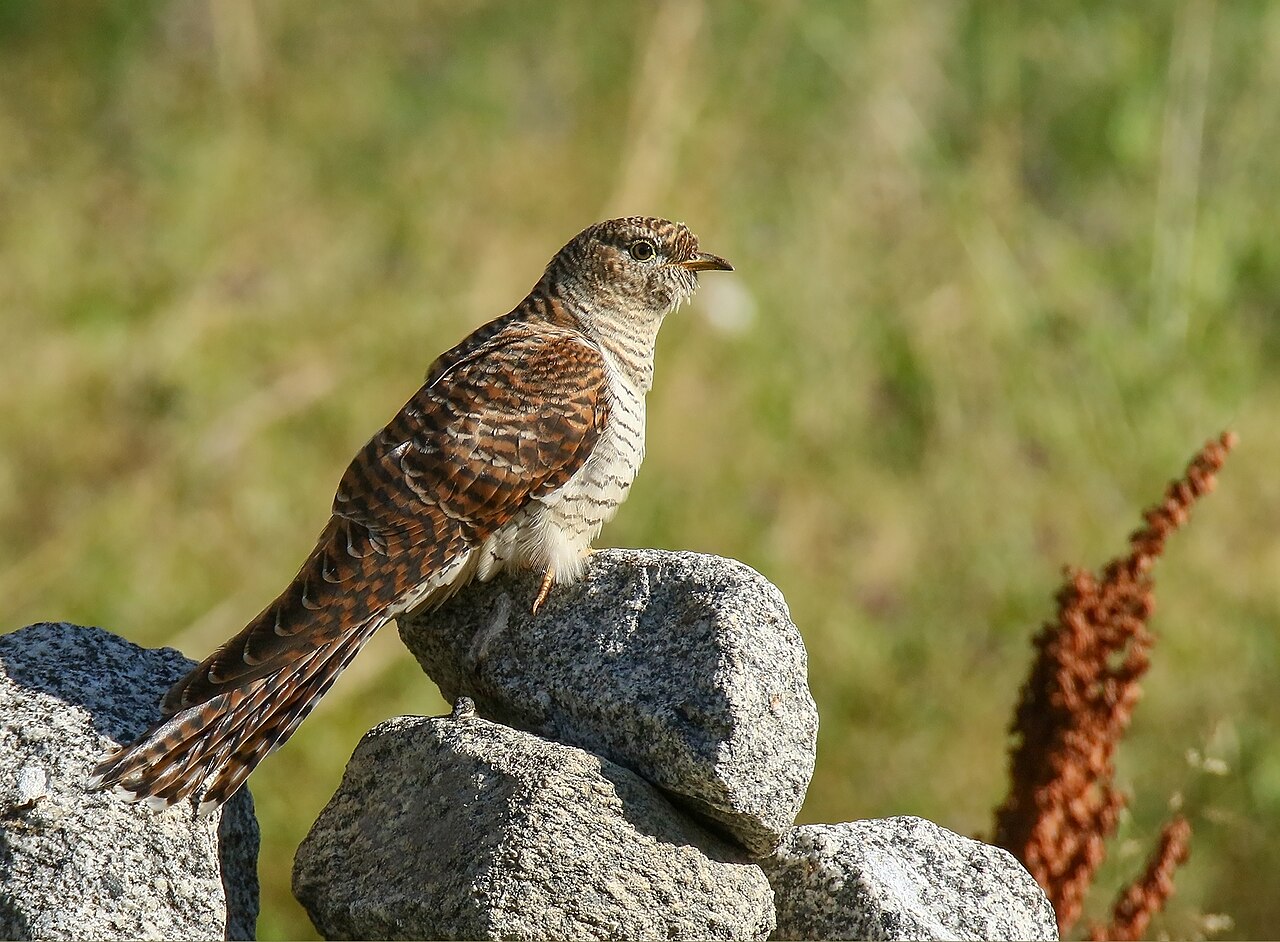
Cuckoos Use Two Different Strategies to Lay Eggs in Redstart Nests
Video from Finnish redstart nest boxes provides the first direct evidence that common cuckoos use two egg-laying strategies,…
Read story →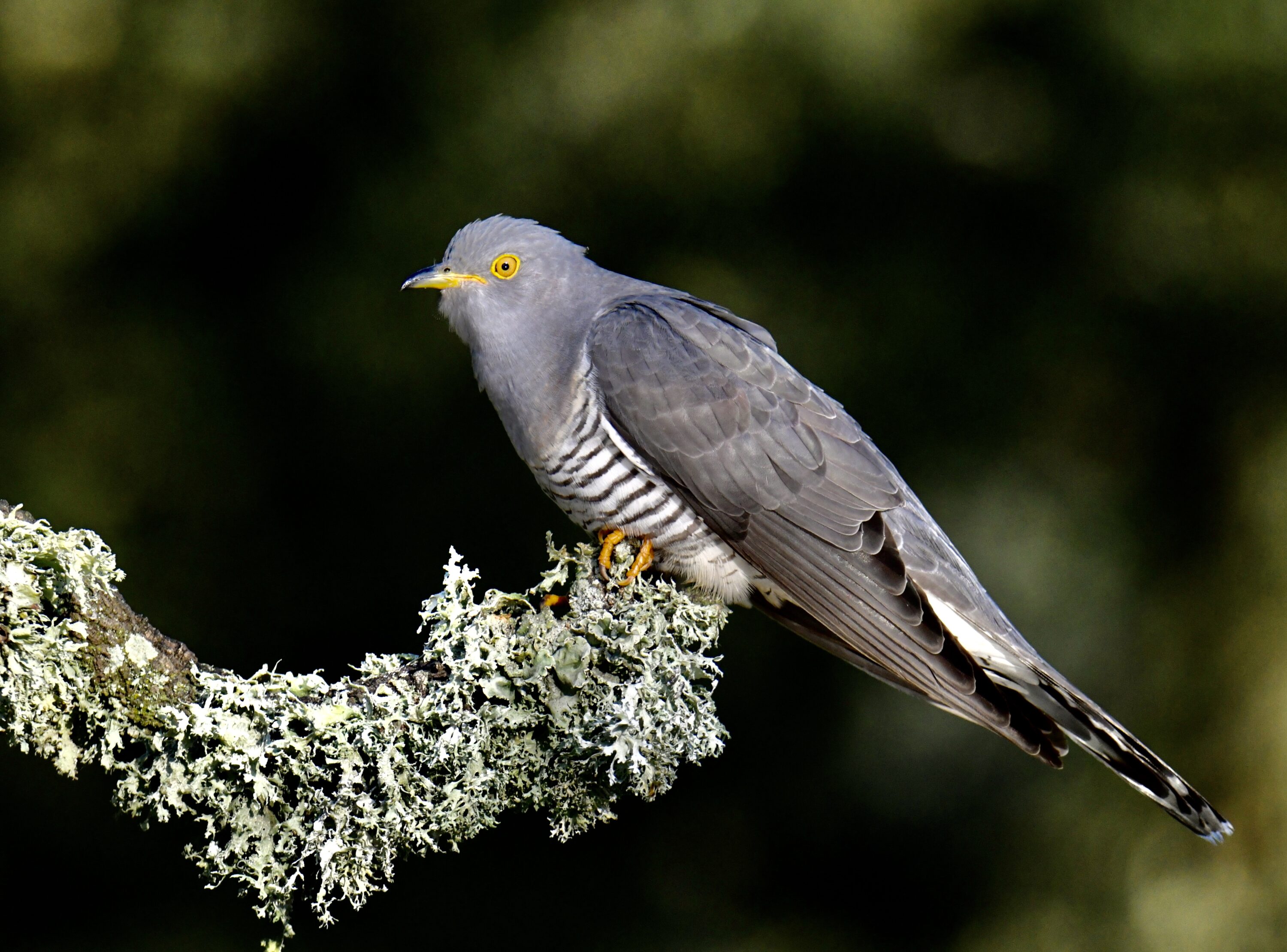
Models Highlighted Iberian Mountains and the Po Watershed as Key Stopover Regions for UK Common Cuckoos
Models based on satellite tracks from 88 UK-breeding male common cuckoos highlighted Iberian mountain ranges and the Po…
Read story →SPECIES IN THIS STORY
Species in this story
Independent research and conservation news archive
Did you find this information useful?
Wildlife Vagabond is independently built and maintained. Voluntary support helps cover source verification, hosting and continued work on research and conservation news.
Support Wildlife VagabondThe news archive will remain freely available.