
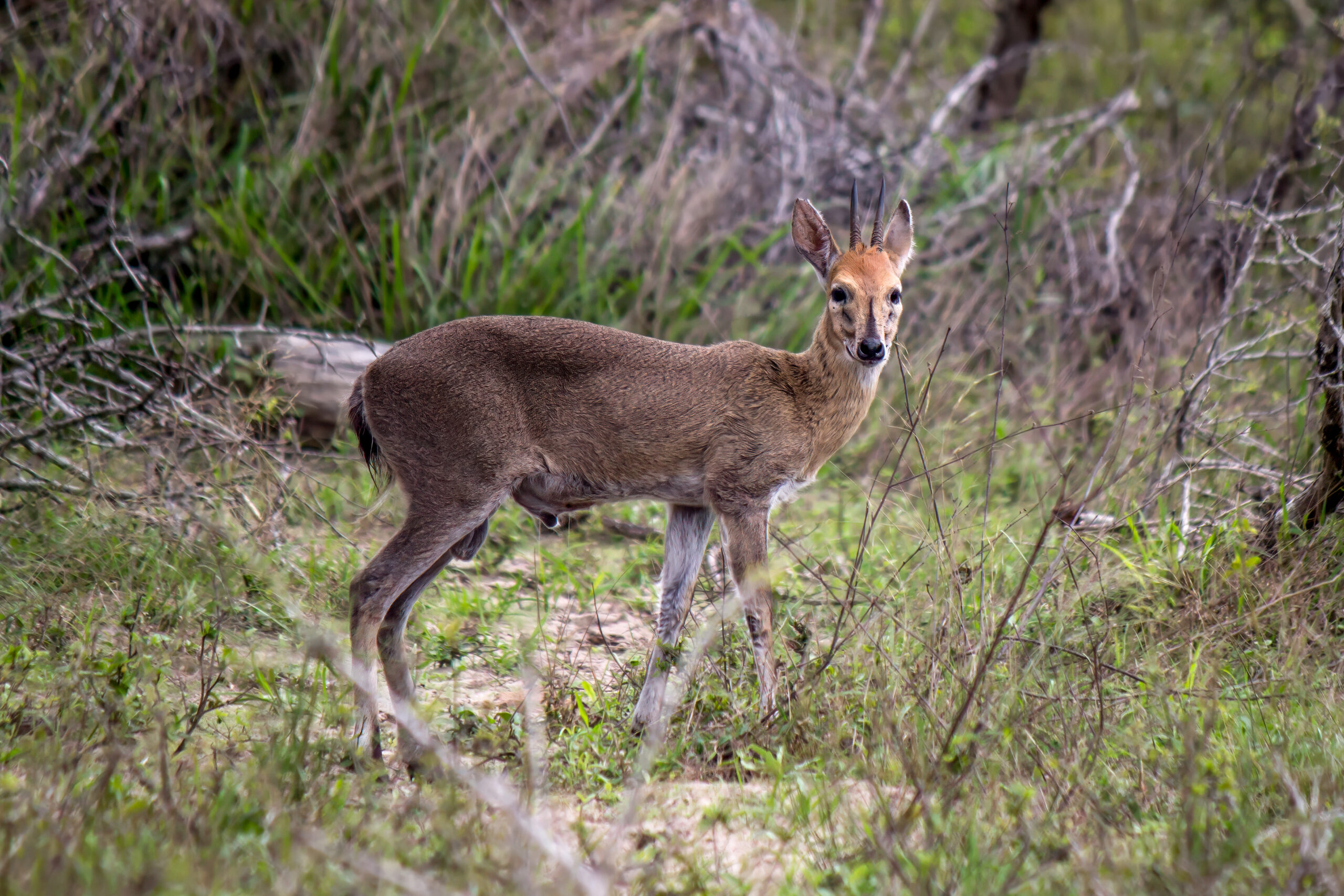
Aerial surveys point to a long decline in common duikers in Gonarezhou
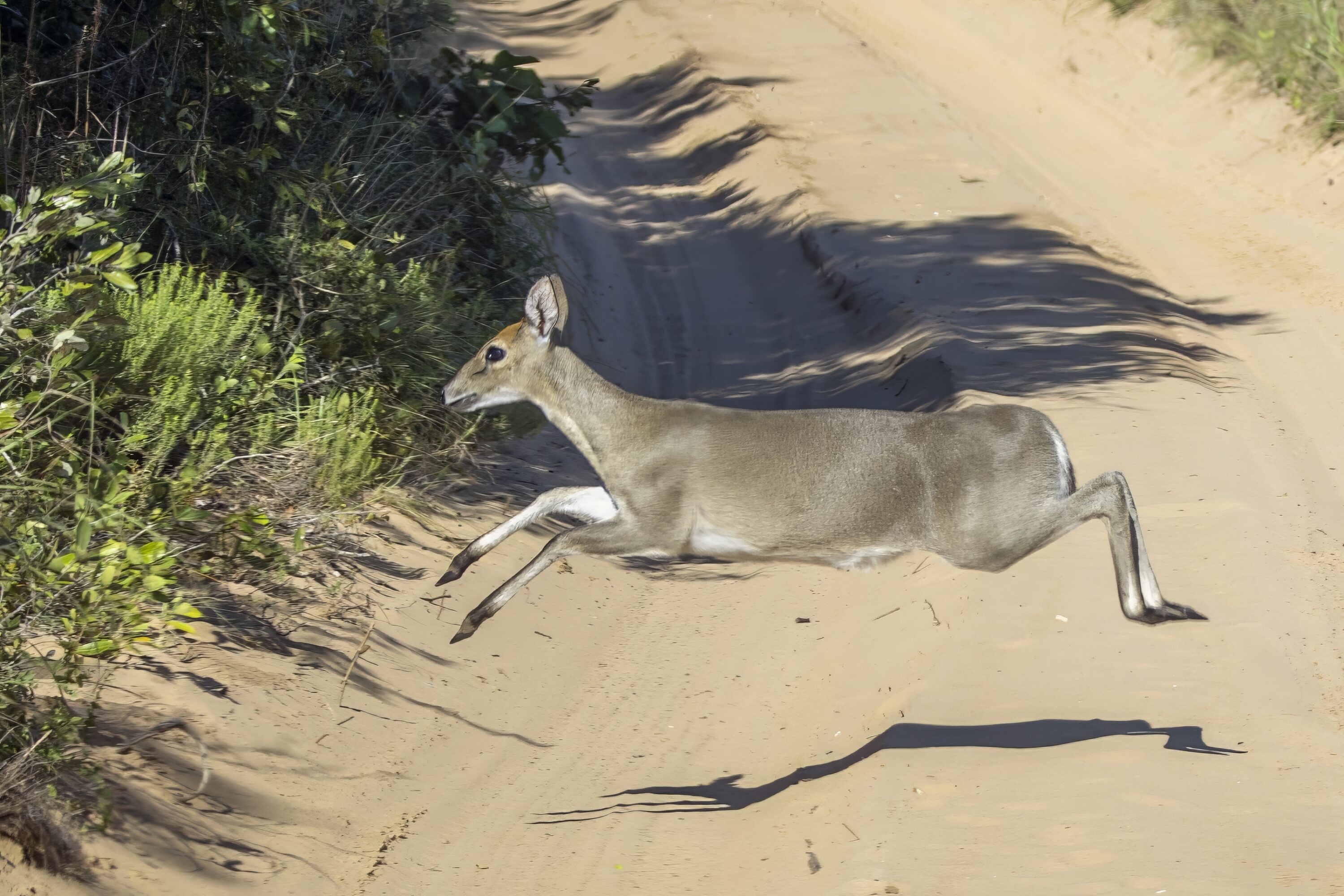
A new analysis of more than three decades of wildlife surveys in Gonarezhou National Park, Zimbabwe, points to a marked local decline in common duikers (Sylvicapra grimmia). The study used repeated aerial counts originally designed to monitor elephants and other large herbivores, but the surveys also recorded smaller antelopes when they were seen.
Common duiker trend fell by an estimated 10.7% per year
For common duikers, nine comparable surveys from 2007 to 2025 produced a downward trend equivalent to an estimated decline of about 10.7 percent per year. Steenbok showed a similar pattern, while several medium-sized herbivores also declined during the later part of the monitoring period. In contrast, the populations of some much larger herbivores, including buffalo, giraffe and zebra, did not show the same decline.
The researchers found that body size was one of the clearest differences between species that declined and those that remained stable or continued to increase. They suggest that smaller herbivores may have become more vulnerable to predators when food became less available. Changes in vegetation caused by high elephant densities could also have reduced browse and cover for small browsing antelopes such as duikers.
The authors stress that the causes of these population changes cannot be determined retrospectively from the survey series. They consider rainfall, predation and elephant-driven vegetation change and conclude that no single factor fully explains the observed trends; several may have acted together.
Aerial survey design limits interpretation for small antelopes
The aerial surveys were designed for elephants rather than small antelopes. For common duiker and steenbok, interpretation of the trend depends on the visibility bias remaining approximately constant through the survey programme. Under that assumption, the estimates show significant declines after 2007, while the body-size pattern across species suggests that predation likely played an important role.
Population & status
Related news
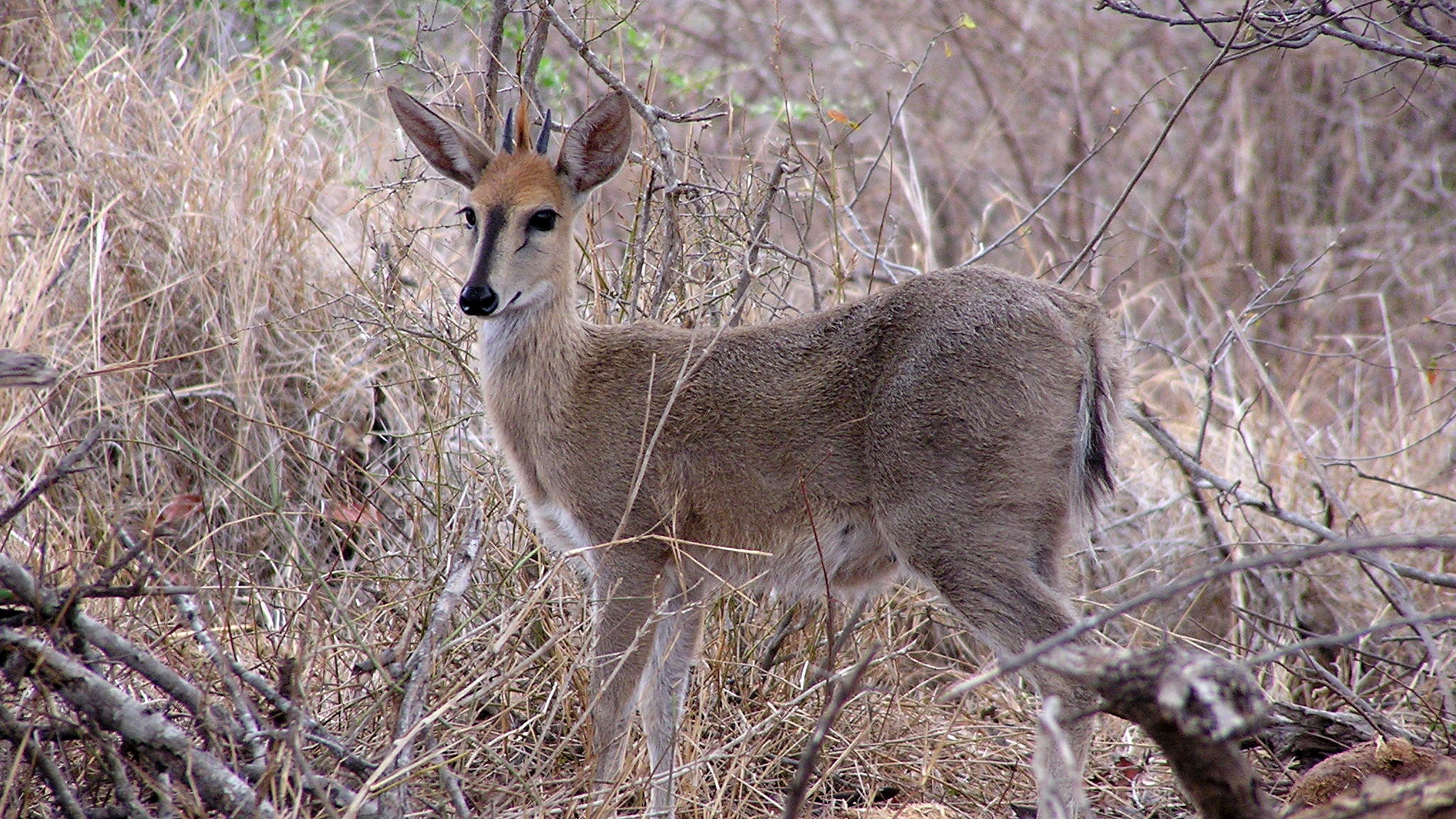
DNA From a Taterapox-like Virus Found in a Common Duiker Sold as Bushmeat
A 2026 preprint reports a partial genome from a taterapox-like virus in one common duiker. It did not…
Read story →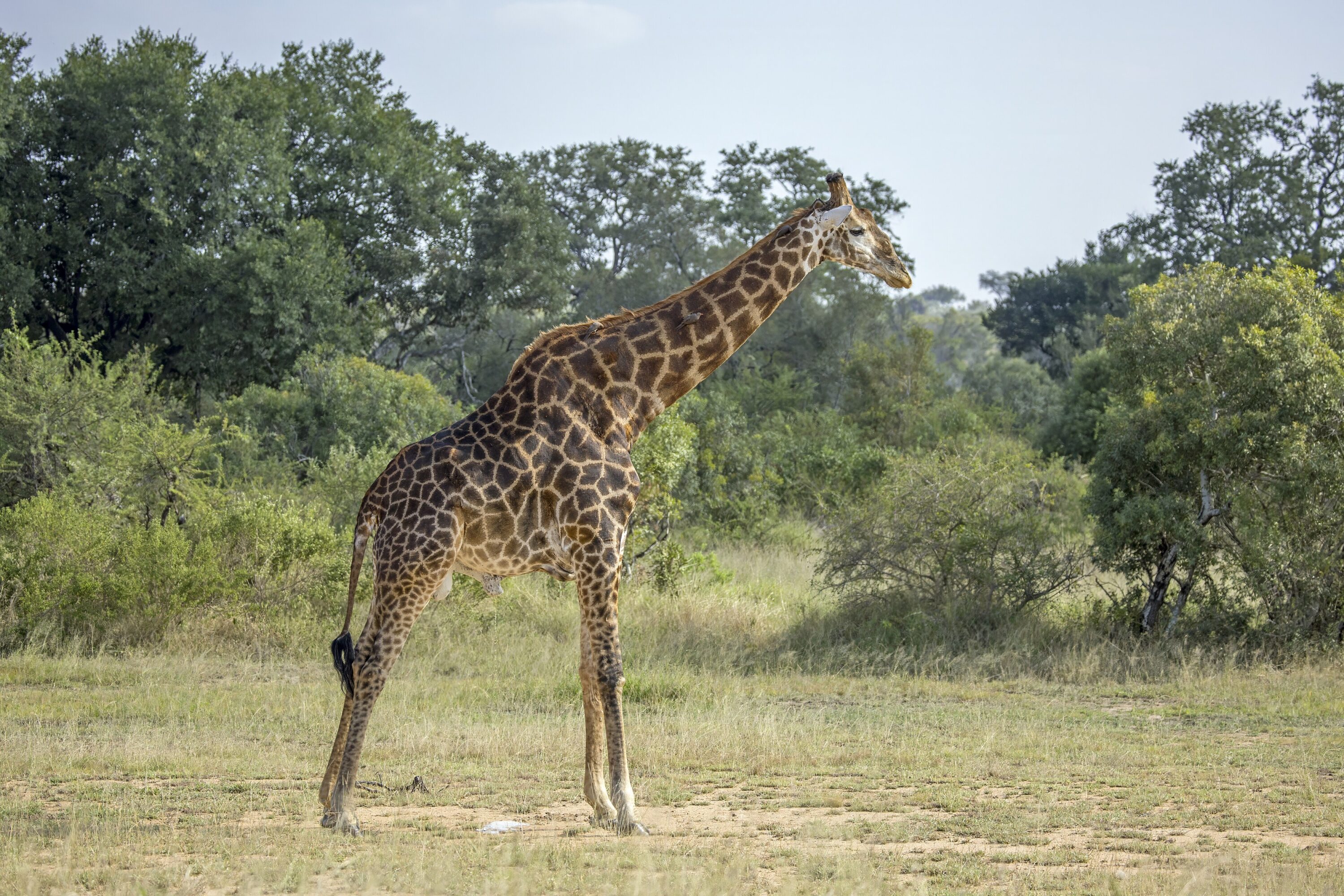
Kruger Herbivores Concentrated Around Reservoirs, but Three Species Favoured Undammed Drainages
Camera traps around 11 reservoirs and 11 undammed drainages in Kruger found higher modelled metabolic biomass around reservoirs…
Read story →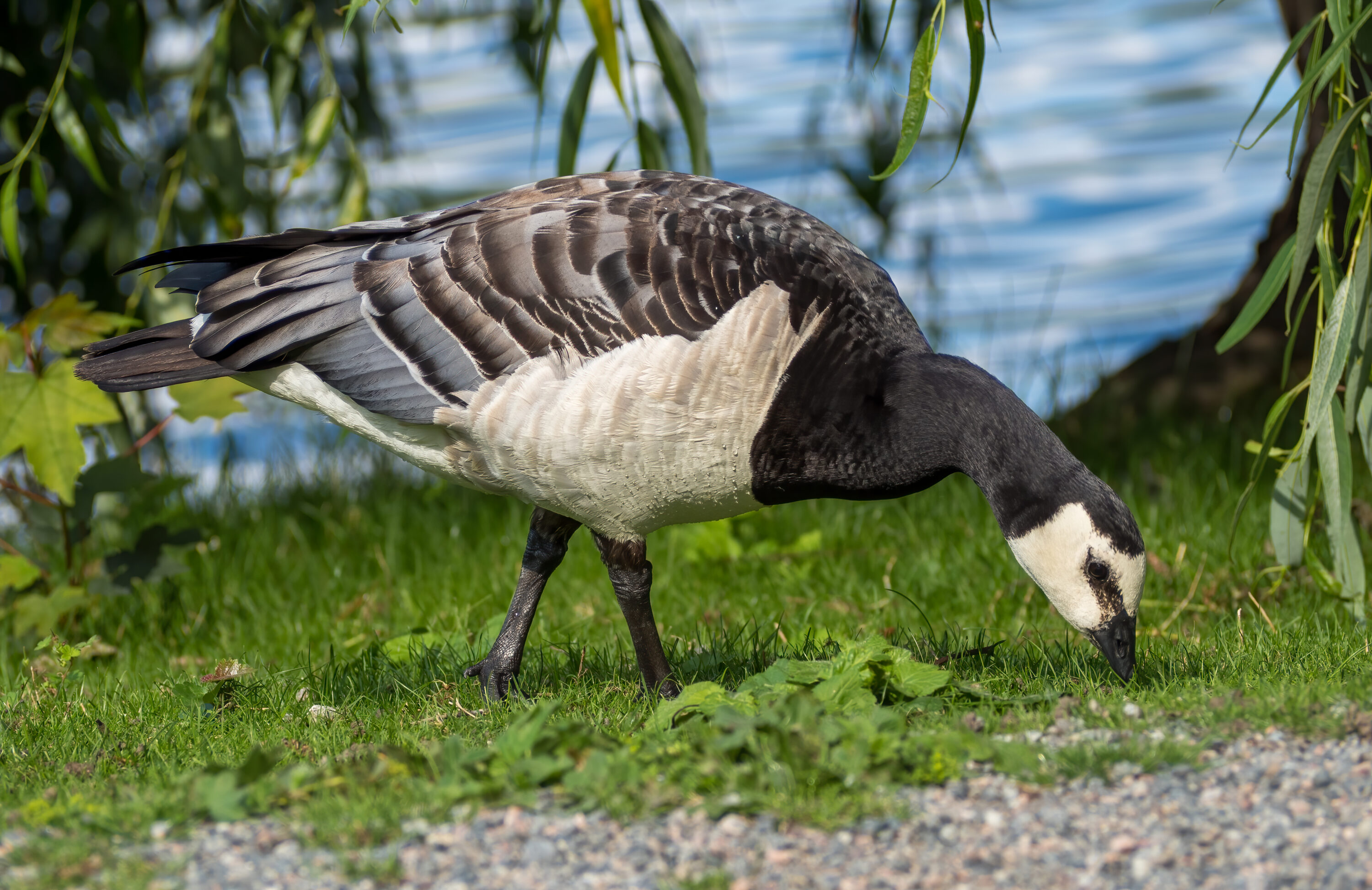
Barnacle Goose Breeding Population Fell 98% on Gotland and Öland – Eagle Predation a Likely Factor
Breeding pairs of Barnacle Geese on Gotland and Öland fell from about 5,290 in 2002 to roughly 100…
Read story →SPECIES IN THIS STORY
Species in this story
Independent research and conservation news archive
Did you find this information useful?
Wildlife Vagabond is independently built and maintained. Voluntary support helps cover source verification, hosting and continued work on research and conservation news.
Support Wildlife VagabondThe news archive will remain freely available.