
Kruger Herbivores Concentrated Around Reservoirs, but Three Species Favoured Undammed Drainages
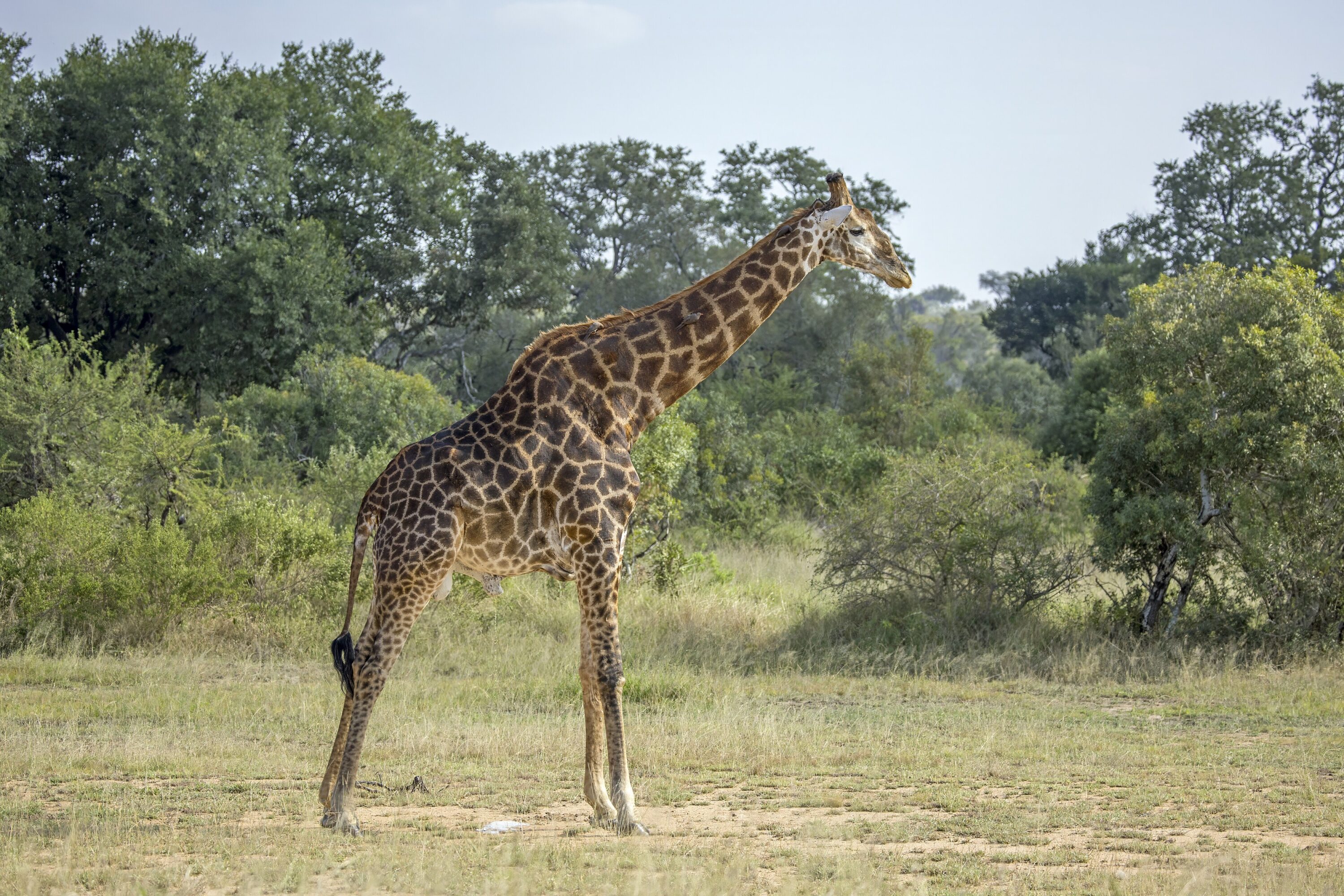
A 2026 camera-trap study in Kruger National Park, South Africa found that artificial reservoirs changed how large herbivores used the surrounding landscape. Catchments with reservoirs supported higher metabolic biomass in both wet and dry seasons and concentrated the activity of several large species year-round, while southern giraffes (Giraffa giraffa), common duikers and steenbok were more active around undammed seasonal drainages. Metabolic biomass scales body mass to expected energy use rather than simply adding the animals’ raw mass, making species of very different sizes more comparable.
A transect is a predefined line or route used to survey an area systematically, with observations, signs or sampling points recorded along it.
The study paired 11 seasonal drainages that had been dammed to create reservoirs with 11 undammed drainages. Cameras were placed along 2,250-metre transects leading away from the reservoir edge or the corresponding drainage. The researchers modelled species-specific activity and metabolic biomass in relation to catchment type, season and distance.
Reservoirs broadened the footprint of large-herbivore activity
Across the large-herbivore community, dammed catchments supported more metabolic biomass in both seasons. The modelled reservoir effect extended just over one kilometre during the dry season and more than two kilometres during the wet season. The authors interpret this as a shift from seasonal pulses of herbivore pressure around naturally variable water to more persistent pressure around permanent artificial water.
African bush elephants (Loxodonta africana) contributed more than half of the observed metabolic biomass. Common hippopotamuses (Hippopotamus amphibius), impalas (Aepyceros melampus) and plains zebras (Equus quagga) also showed more activity near reservoirs.
Southern giraffes, common duikers and steenbok were more active at undammed drainages
Not every species was drawn toward the artificial water. Giraffes, common duikers (Sylvicapra grimmia) and steenbok were more active in catchments with undammed drainages. Published water-dependence scores did not consistently predict these species-level responses, so the pattern could not be reduced to a simple division between water-dependent and water-independent herbivores.
The findings therefore show that permanent water can redistribute herbivore activity rather than increase use uniformly across species. Reservoirs may concentrate large-herbivore activity and its ecological effects over substantial distances while some browsing species use other parts of the landscape more heavily.
The study measured activity and biomass, not population change
The camera traps measured activity patterns and modelled metabolic biomass around the two catchment types. The study discusses possible consequences for vegetation, wildlife visibility, conflict near park boundaries and ecosystem resilience, but it does not demonstrate subsequent changes in plant communities or herbivore population sizes.
The authors recommend adaptive management of artificial surface water, including strategic placement of reservoirs and changes in when water is available, rather than one rule for all species and sites.
Ecology
Related news
More Sensitive PCR Revealed Rickettsia DNA in Six New South African Wildlife Hosts
Nested PCR detected Rickettsia DNA in 32 of 73 previously negative wildlife samples and produced first host records…
Read story →
First Reported Giardia Detections in Four Wild Herbivore Species in Kenya
Molecular screening of wildlife and livestock in Laikipia produced the first reported Giardia detections in African buffalo, plains…
Read story →
Impala fGCM Levels Were 57% Higher on Dry-Season Weekends in Four-Species Tourism Study
At Somabula, impala fGCM levels were about 57% higher over dry-season weekends than weekdays, while the other three…
Read story →SPECIES IN THIS STORY
Species in this story
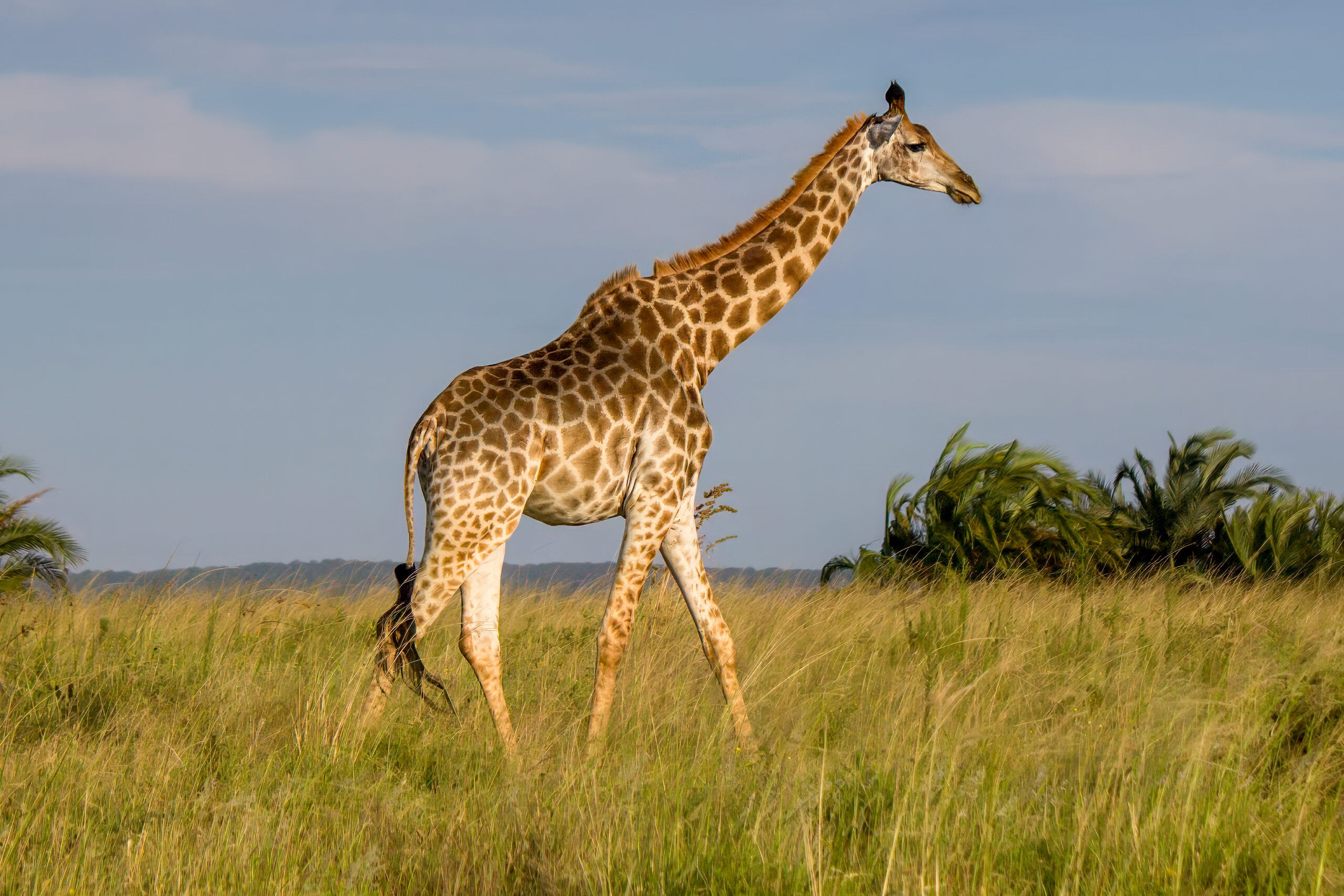 Southern Giraffe
Giraffa giraffa Explore species →
Southern Giraffe
Giraffa giraffa Explore species →
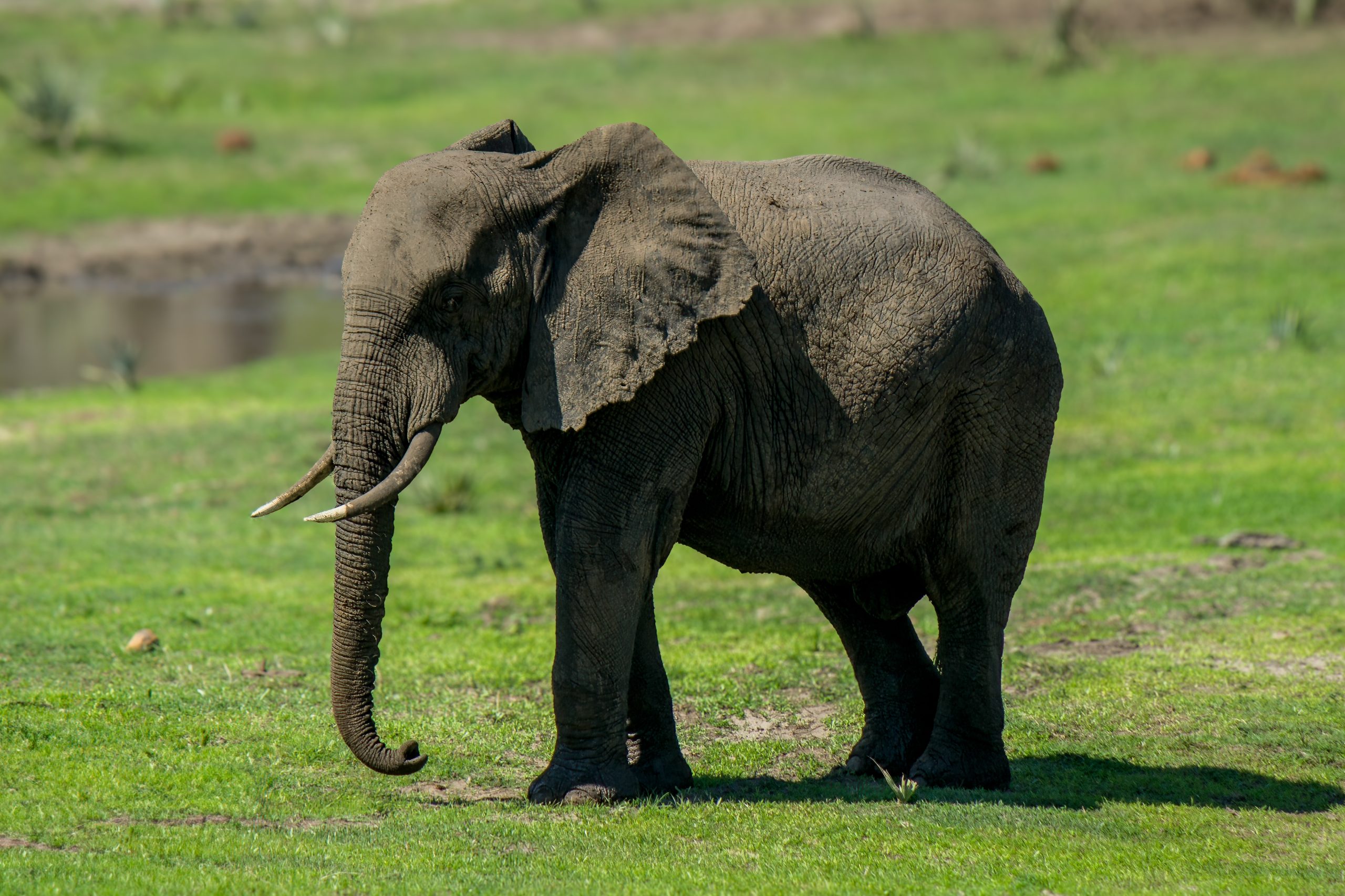 African Bush Elephant
Loxodonta africana Explore species →
African Bush Elephant
Loxodonta africana Explore species →
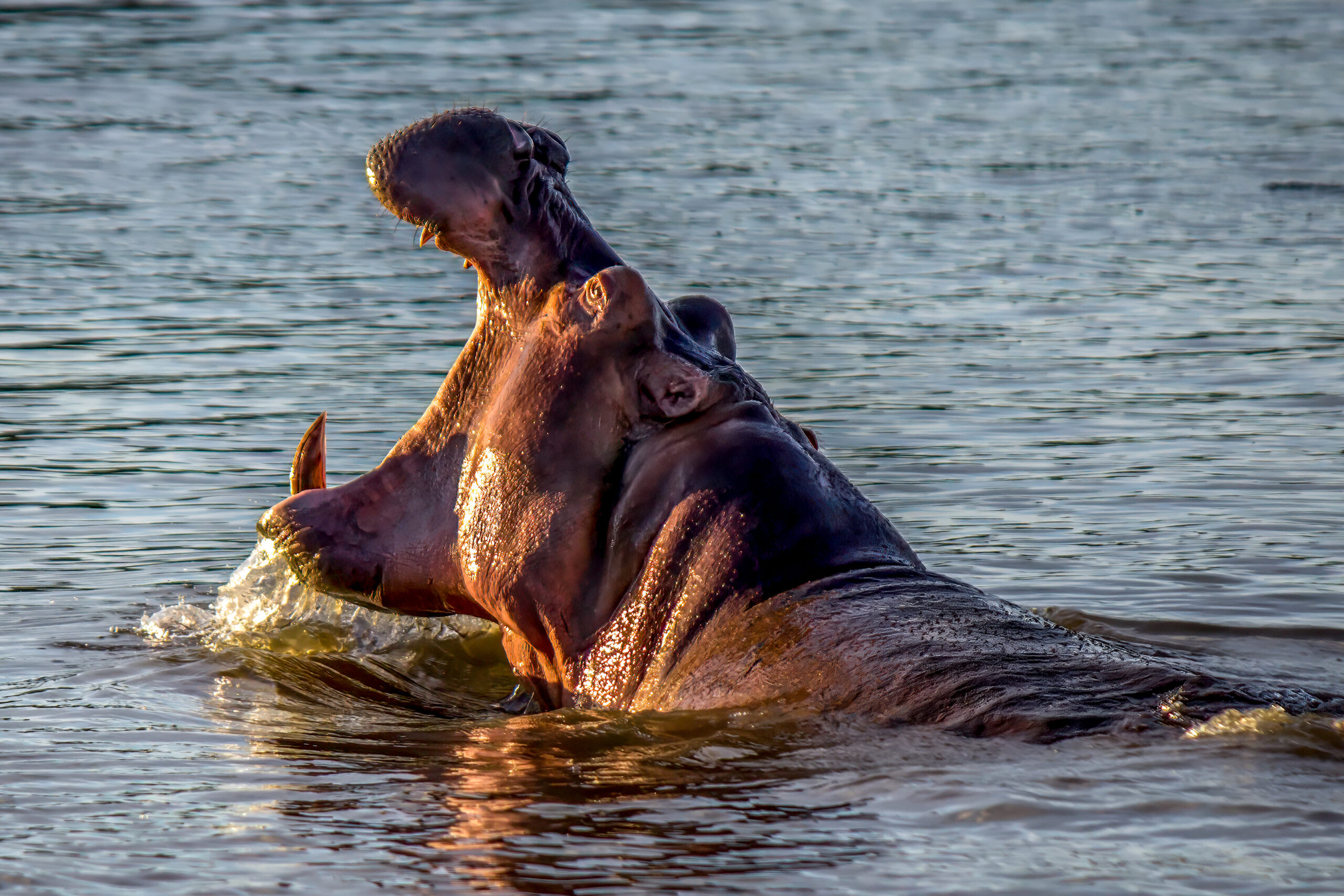 Common Hippopotamus
Hippopotamus amphibius Explore species →
Common Hippopotamus
Hippopotamus amphibius Explore species →
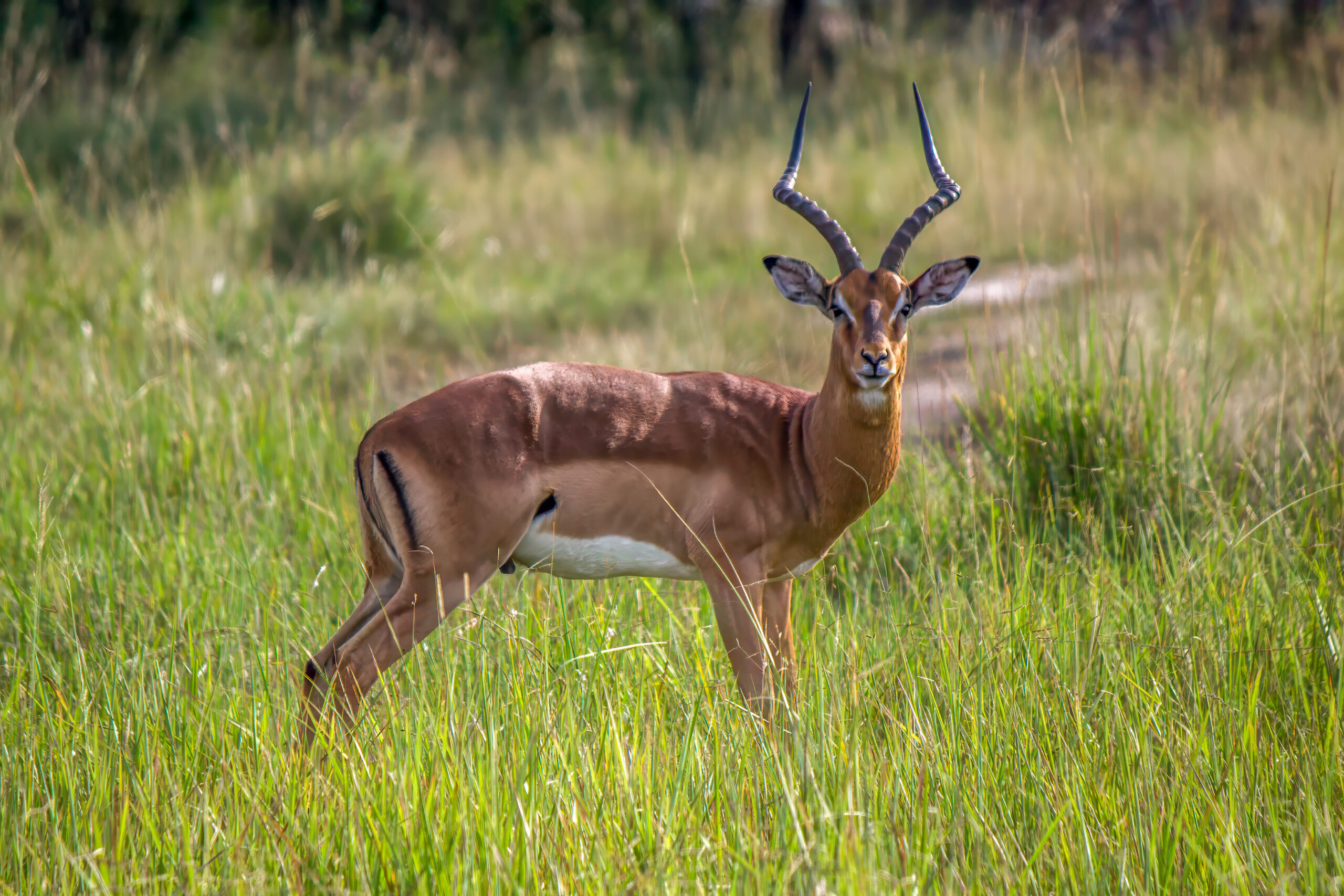 Impala
Aepyceros melampus Explore species →
Impala
Aepyceros melampus Explore species →
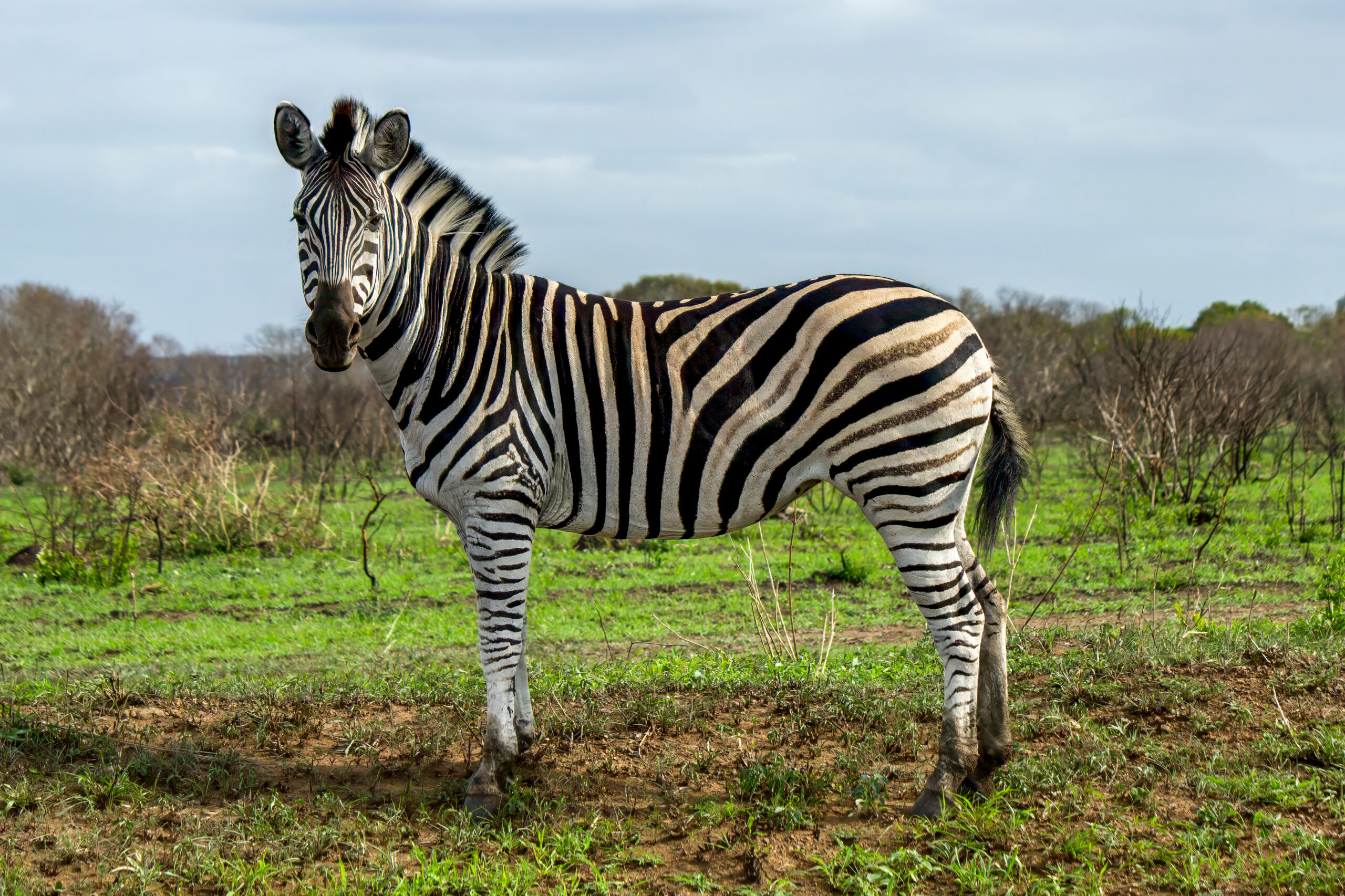 Plains Zebra
Equus quagga Explore species →
Plains Zebra
Equus quagga Explore species →
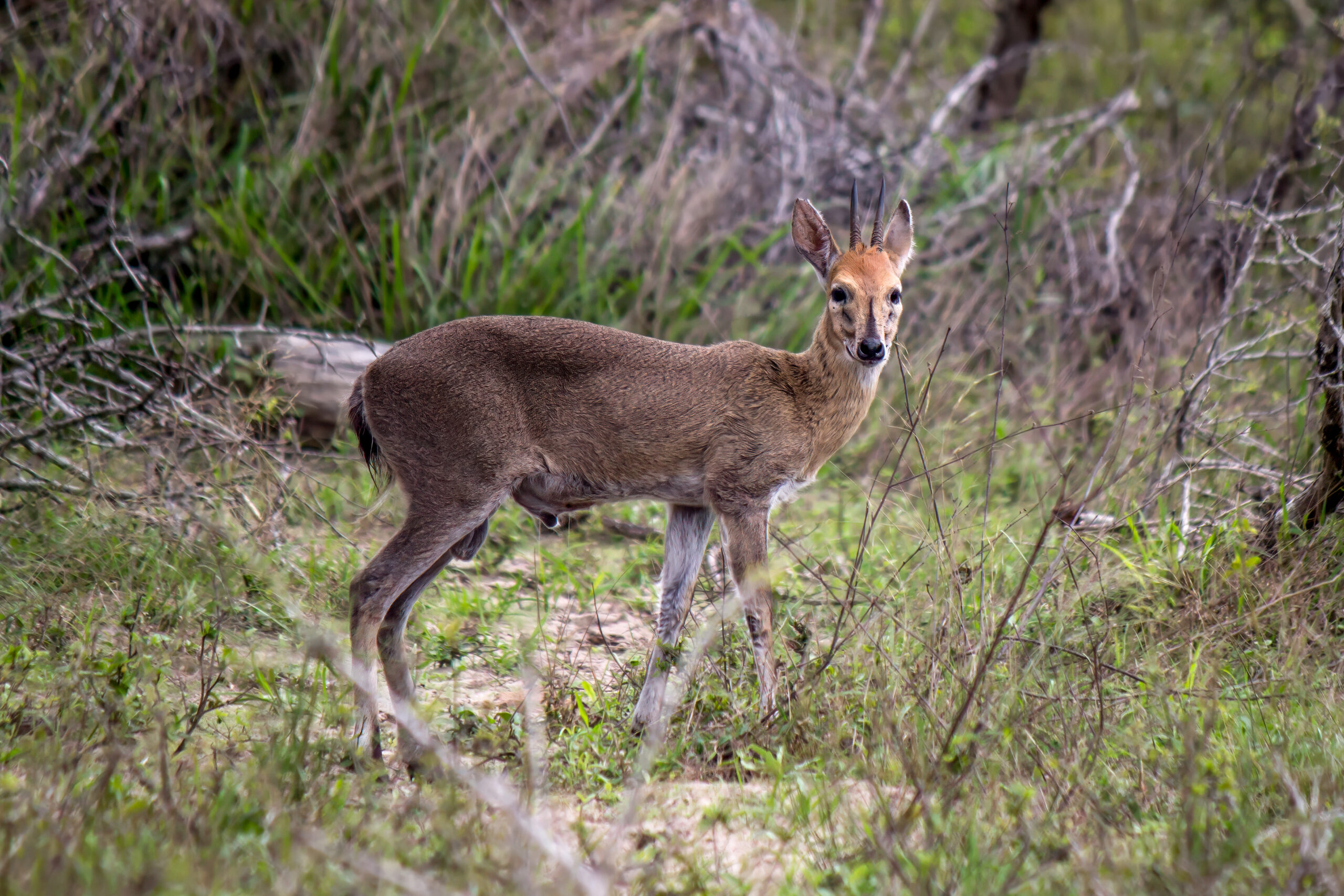 Common Duiker
Sylvicapra grimmia Explore species →
Common Duiker
Sylvicapra grimmia Explore species →
Independent research and conservation news archive
Did you find this information useful?
Wildlife Vagabond is independently built and maintained. Voluntary support helps cover source verification, hosting and continued work on research and conservation news.
Support Wildlife VagabondThe news archive will remain freely available.