
Common Moorhens See Nearly 300 Degrees Around Them Despite a Narrow Binocular Field
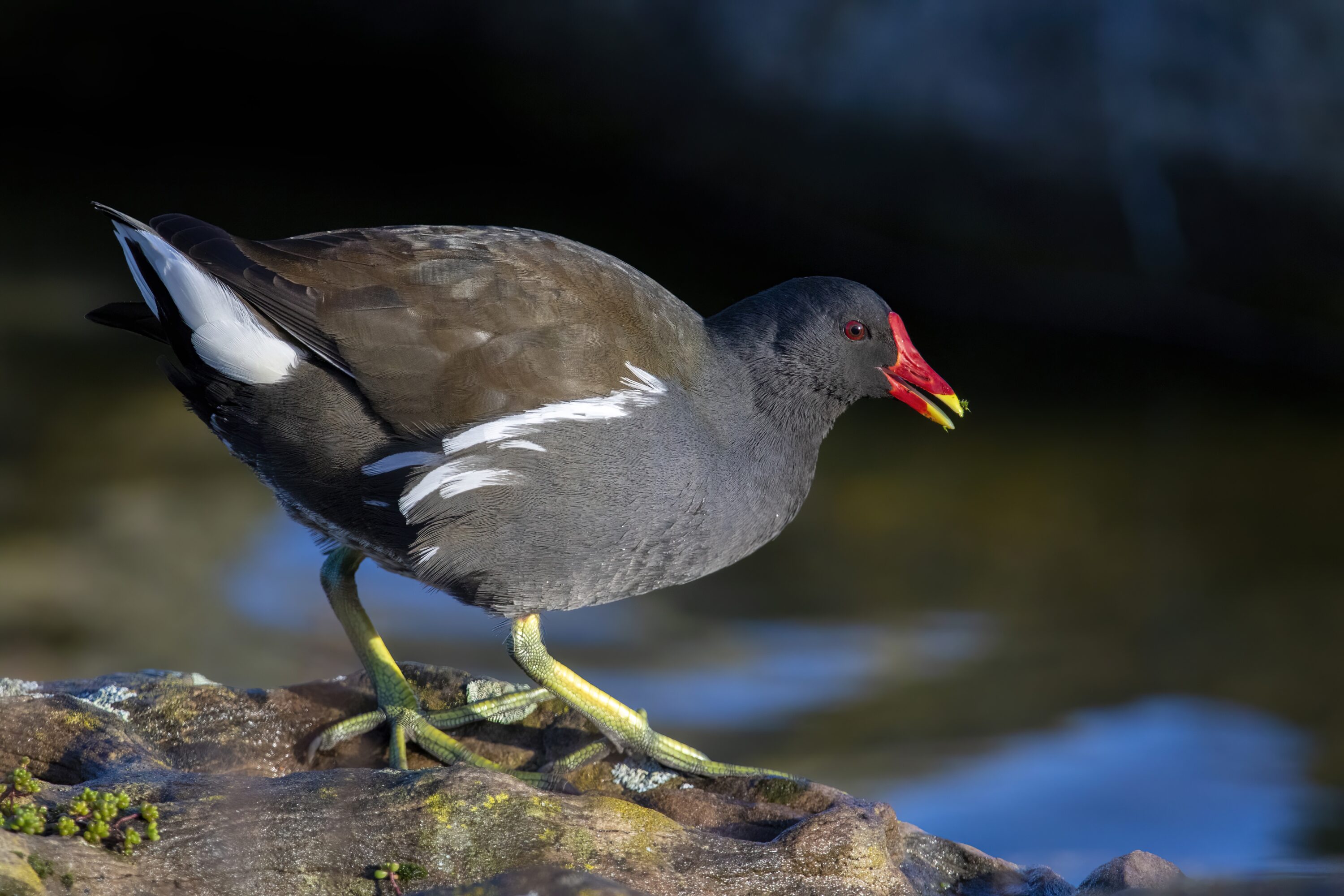
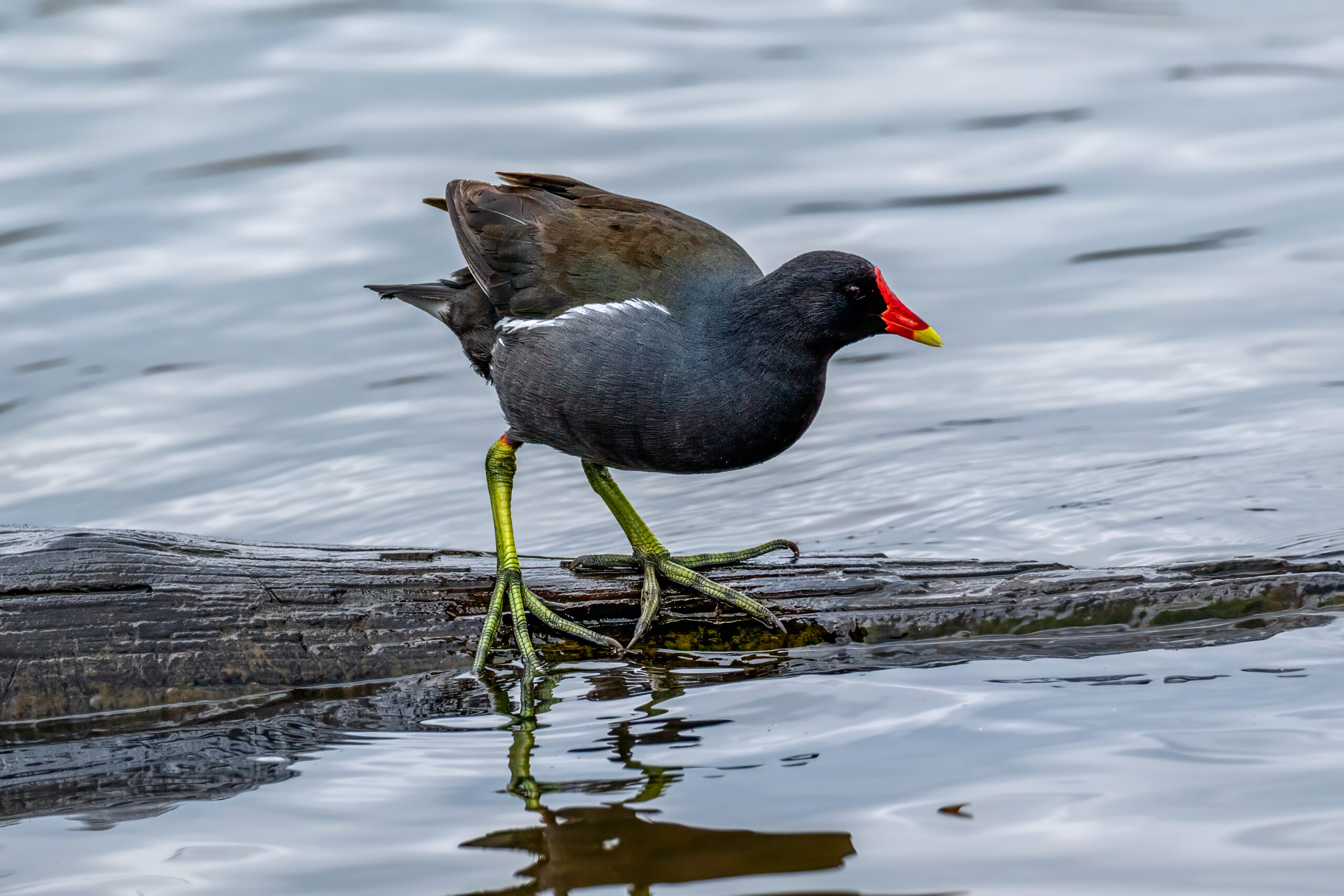
Common moorhens (Gallinula chloropus) can see almost 300 degrees around the head even though the part of the visual field seen by both eyes at once is relatively narrow. A study published on 27 August 2026 shows how this combination can support precise bill control during feeding while still leaving much of the surroundings visible.
The researchers mapped how much of the space around the head each eye could see. The binocular field—the area in which the two eyes overlap—was at most about 34 degrees wide. It was much longer vertically, extending through about 125 degrees in front of the head.
A narrow overlap can guide the bill
The authors interpret this elongated binocular field as well suited to close-range feeding. When a moorhen reaches down or forward, the overlap between the eyes can provide visual information along the direction of the bill and help guide the moment of contact with food. At the same time, the much larger monocular fields—the areas seen by only one eye—give nearly 300 degrees of combined coverage, preserving extensive vision to the sides and rear.
Head posture changes what the bird can see
What the bird can see immediately below and in front of itself also changes with head posture. Moorhens therefore pitch the head while foraging to bring the substrate into the appropriate part of the visual field. Their view of the feeding area is not fixed; the bird actively changes its visual access as it moves and feeds.
The visual field differed substantially from that of blue cranes (Grus paradisea), despite both species belonging to the same bird order, Gruiformes. The authors argue that this supports a broader pattern in which feeding ecology and habitat demands can shape avian visual fields more strongly than close evolutionary relationship alone. The study also provides the first detailed visual-field baseline for Rallidae, the rail family.
Physiology
Related news
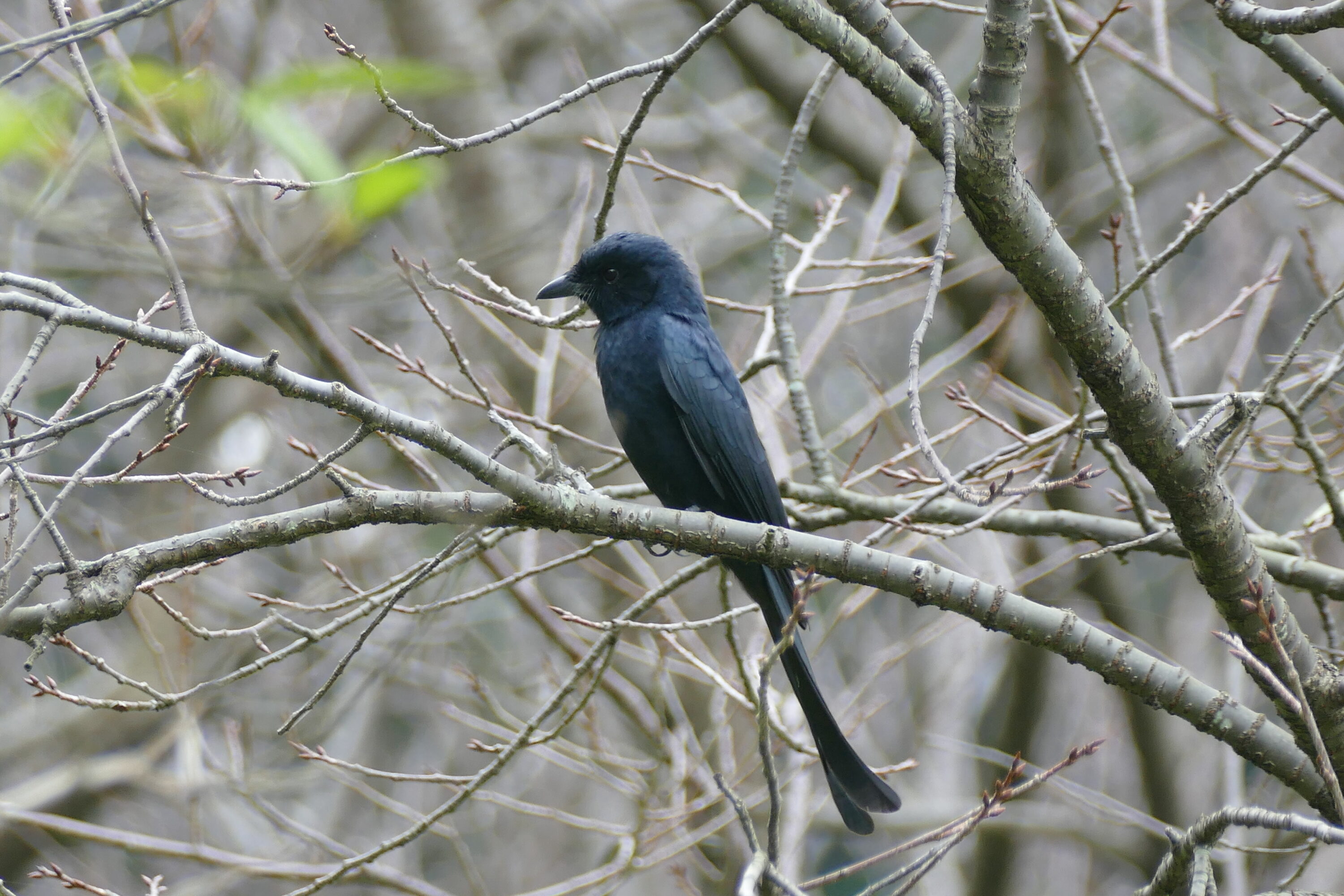
114,357 ha of Taiwan Farmland Was Modelled as Suitable for Four Bird Species
Suitable habitat for black drongo, common moorhen, zitting cisticola and scaly-breasted munia overlapped across 114,357 hectares of Taiwan…
Read story →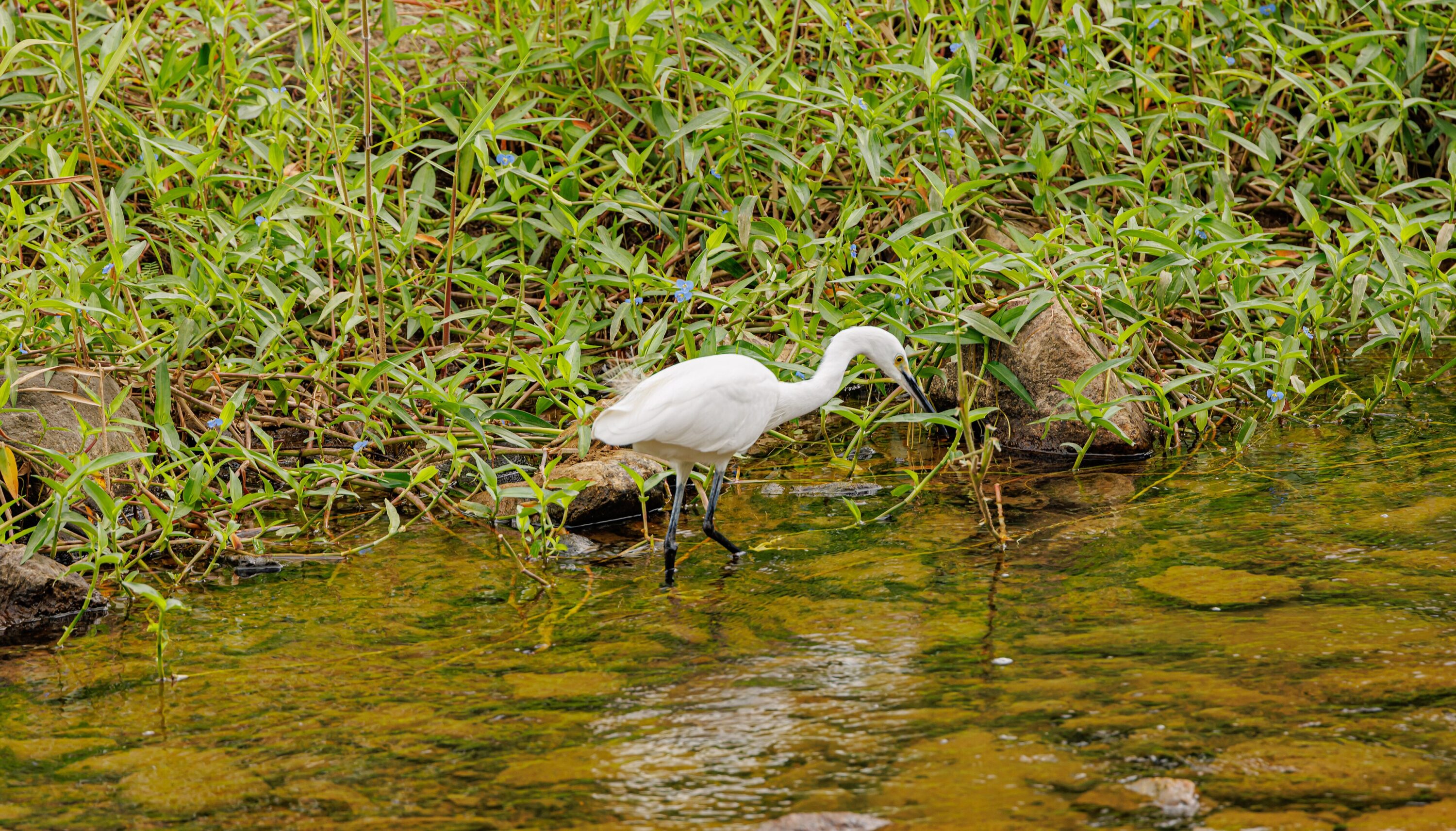
Arsenic showed the strongest bioaccumulation in little egret feathers at a Chinese plateau wetland
A 2026 study of naturally moulted feathers from 22 little egrets and two other waterbird species in China's…
Read story →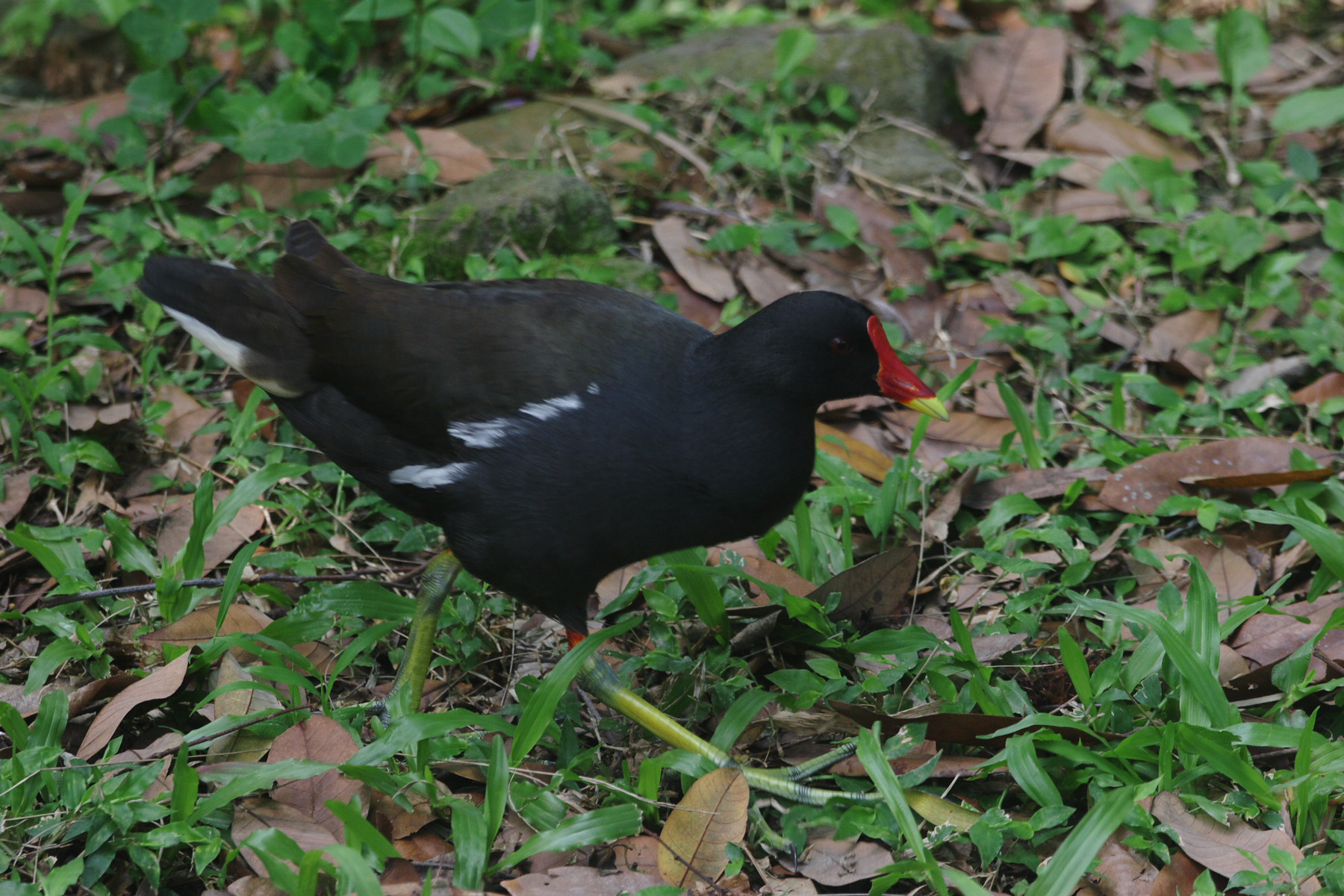
Common Moorhen Feathers Had the Highest PFAS Concentrations Among Three Waterbird Species
Among 141 feather samples from three waterbird species in a protected wetland in southwestern China, common moorhens had…
Read story →SPECIES IN THIS STORY
Species in this story
Independent research and conservation news archive
Did you find this information useful?
Wildlife Vagabond is independently built and maintained. Voluntary support helps cover source verification, hosting and continued work on research and conservation news.
Support Wildlife VagabondThe news archive will remain freely available.