
Arsenic showed the strongest bioaccumulation in little egret feathers at a Chinese plateau wetland
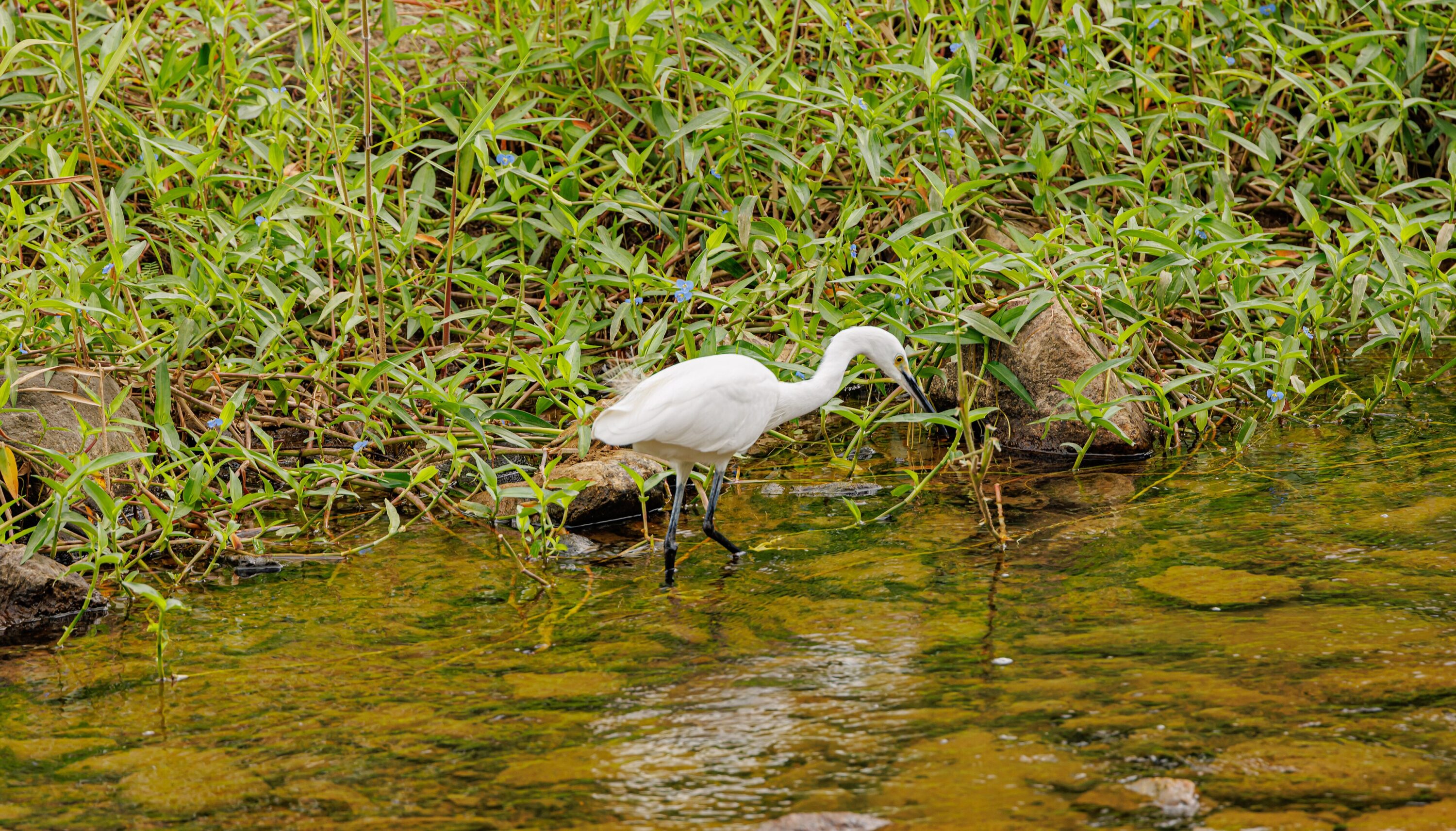
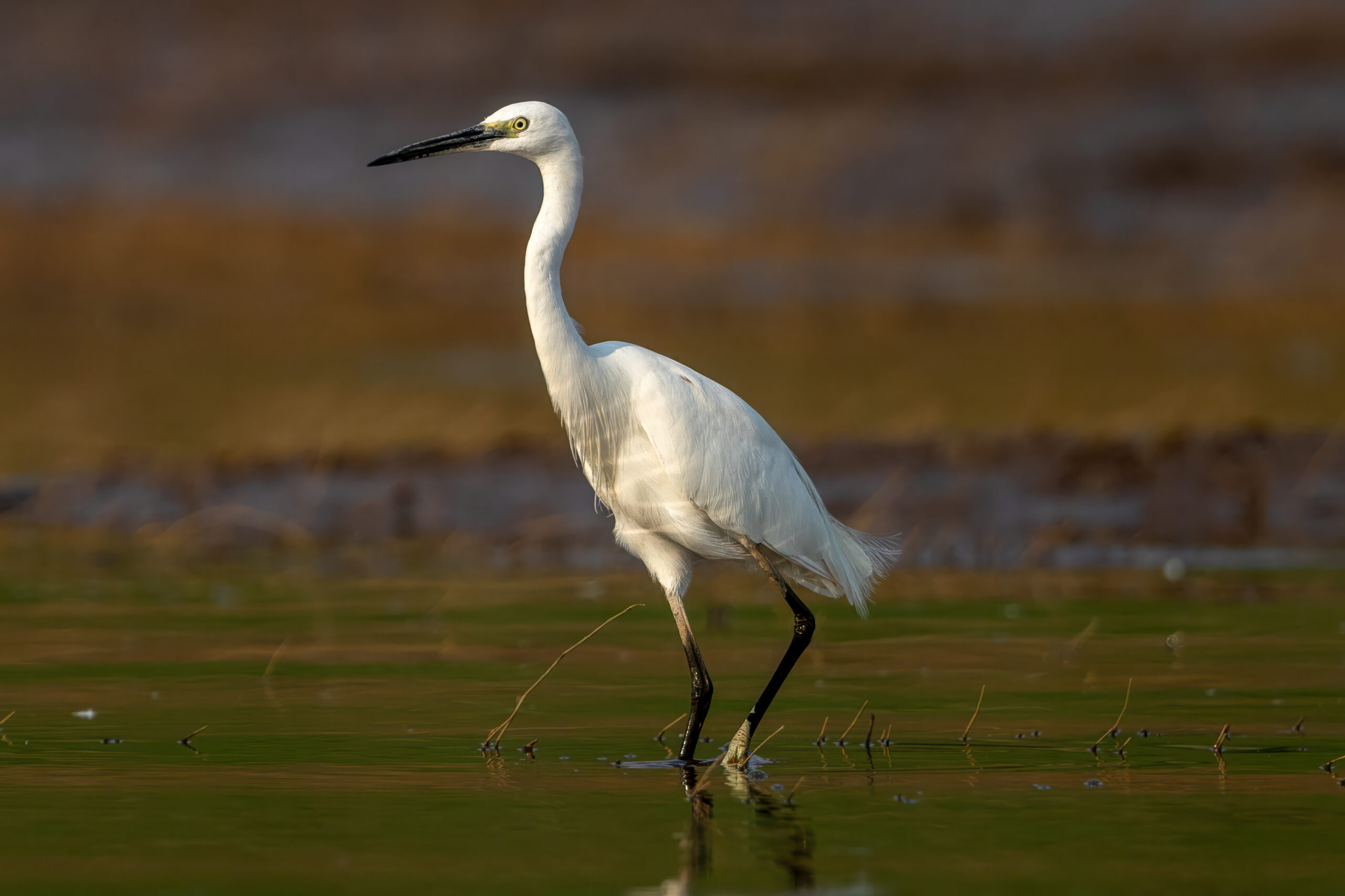
A study of naturally moulted feathers from little egrets (Egretta garzetta) and two other waterbird species at a Ramsar wetland on China’s Yunnan–Guizhou Plateau found trace elements in all three species. Arsenic showed the strongest bioaccumulation — the greatest enrichment in feathers relative to its concentration in the surrounding sediment. The article was first available online on 5 May 2026 in Environmental Pollution.
Researchers collected 141 flight-feather samples in February 2025 from the Huize wetland system. The sample included 22 little egret feathers, 25 from common moorhens (Gallinula chloropus) and 94 from ruddy shelducks (Tadorna ferruginea), together with 30 sediment samples. The feathers were naturally moulted and collected from widely separated points around the wetlands.
The study measured arsenic, lead, cadmium, copper and zinc. Across all three species, concentrations in feathers followed the overall order zinc > copper > arsenic > lead > cadmium. For arsenic, lead, cadmium and copper, mean concentrations were highest in common moorhens, intermediate in ruddy shelducks and lowest in little egrets. Zinc followed a different pattern: ruddy shelducks had the highest concentrations, while common moorhens and little egrets did not differ clearly from one another.
Arsenic stood out despite low sediment levels
For little egrets, the calculated bioaccumulation factors were 3.44 for arsenic, 0.89 for zinc, 0.31 for cadmium, 0.07 for copper and 0.03 for lead. This factor compares the concentration in feathers with the concentration in sediment, so a value above 1 indicates proportionally greater accumulation in the feathers. Arsenic therefore stood out despite its comparatively low concentration in the surrounding sediment. Arsenic concentrations did not clearly differ among the three bird species.
Sediment chemistry and body size influenced feather burdens
The researchers also examined how sediment concentrations and biological traits related to metal burdens in feathers. Sediment zinc and copper were the strongest environmental predictors of the corresponding feather concentrations, while arsenic showed a more species-specific pattern. Across the three-species dataset, heavier birds showed clearly higher feather concentrations of zinc, lead and cadmium. The relationships with copper and arsenic were not clear.
Moulted feathers can provide non-invasive pollution monitoring
Overall concentrations were described as low to moderate, but arsenic, lead and cadmium were present in the waterbird feathers. The authors highlight naturally moulted feathers as a non-invasive way to monitor contaminant exposure in important wetland stopover and wintering areas.
The study provides species-specific exposure data for little egrets, common moorhens and ruddy shelducks, while placing all three within the wider contaminant profile of the Huize wetland system along major Asian migratory flyways.
Other research
Related news
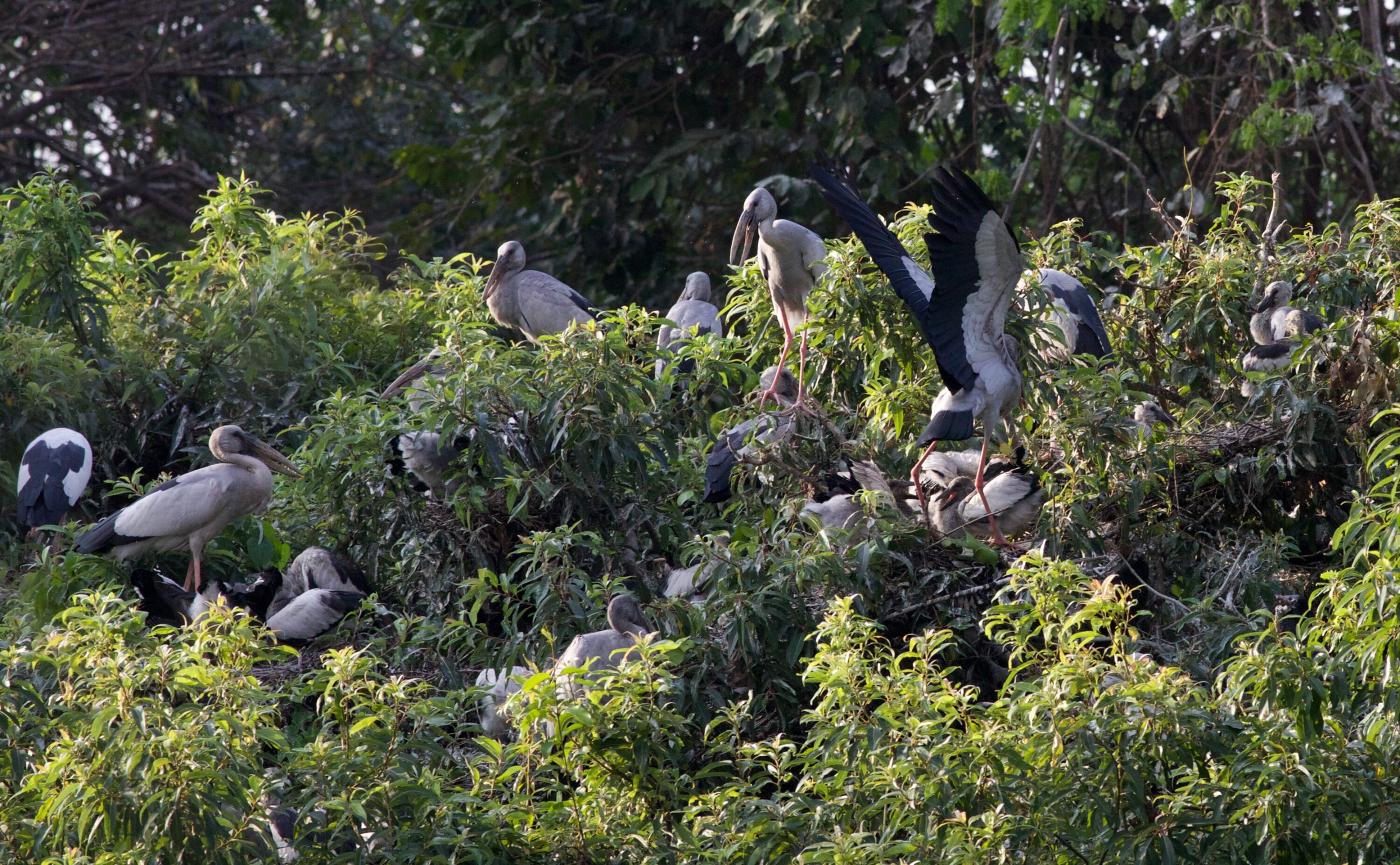
Waterbird Nest Counts Nearly Halved at an Indian Wetland, but Bird Numbers Showed No Clear Decline
At Vettangudi Bird Sanctuary in India, recorded waterbird nests fell from 396 to 190 across eight sampled breeding…
Read story →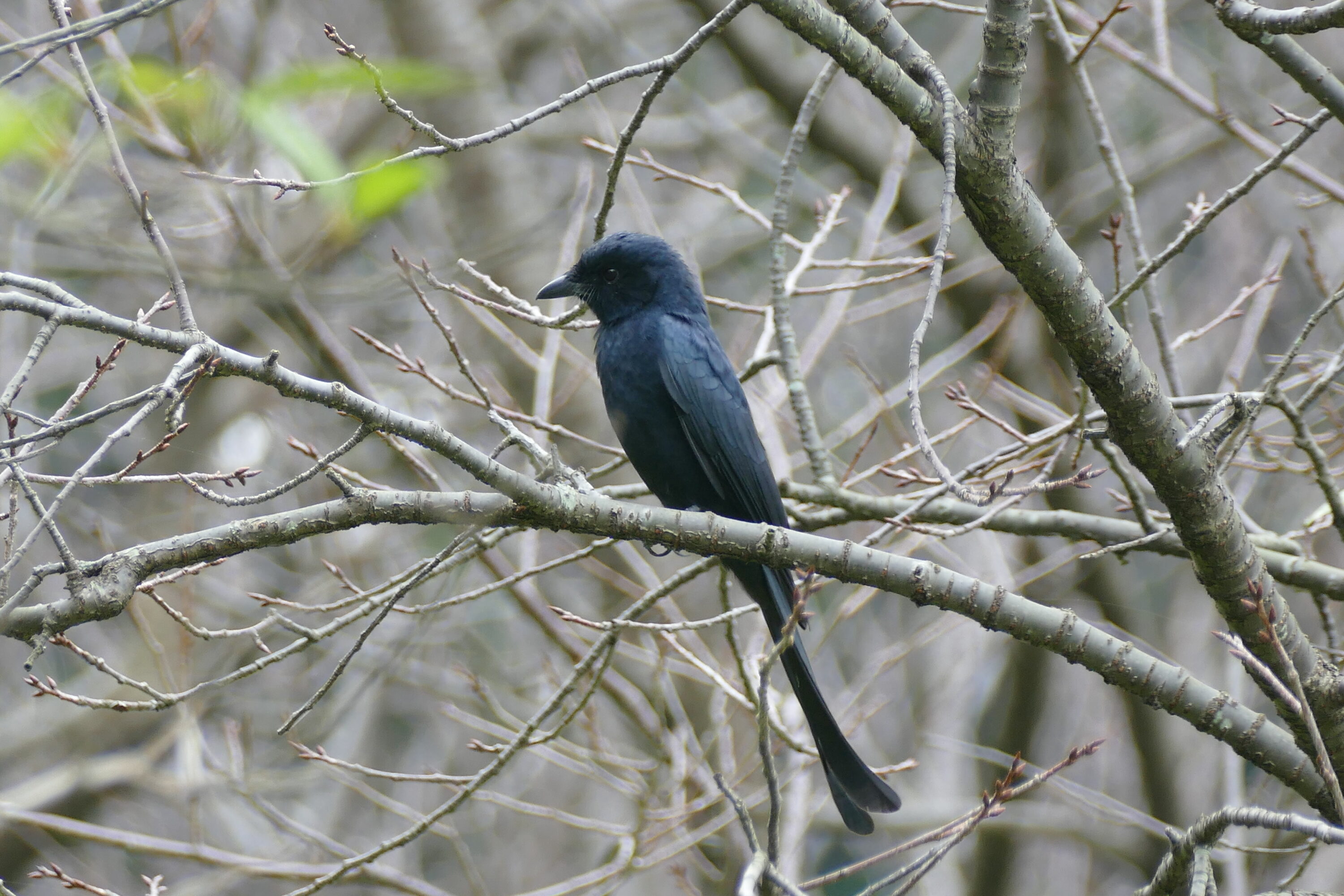
114,357 ha of Taiwan Farmland Was Modelled as Suitable for Four Bird Species
Suitable habitat for black drongo, common moorhen, zitting cisticola and scaly-breasted munia overlapped across 114,357 hectares of Taiwan…
Read story →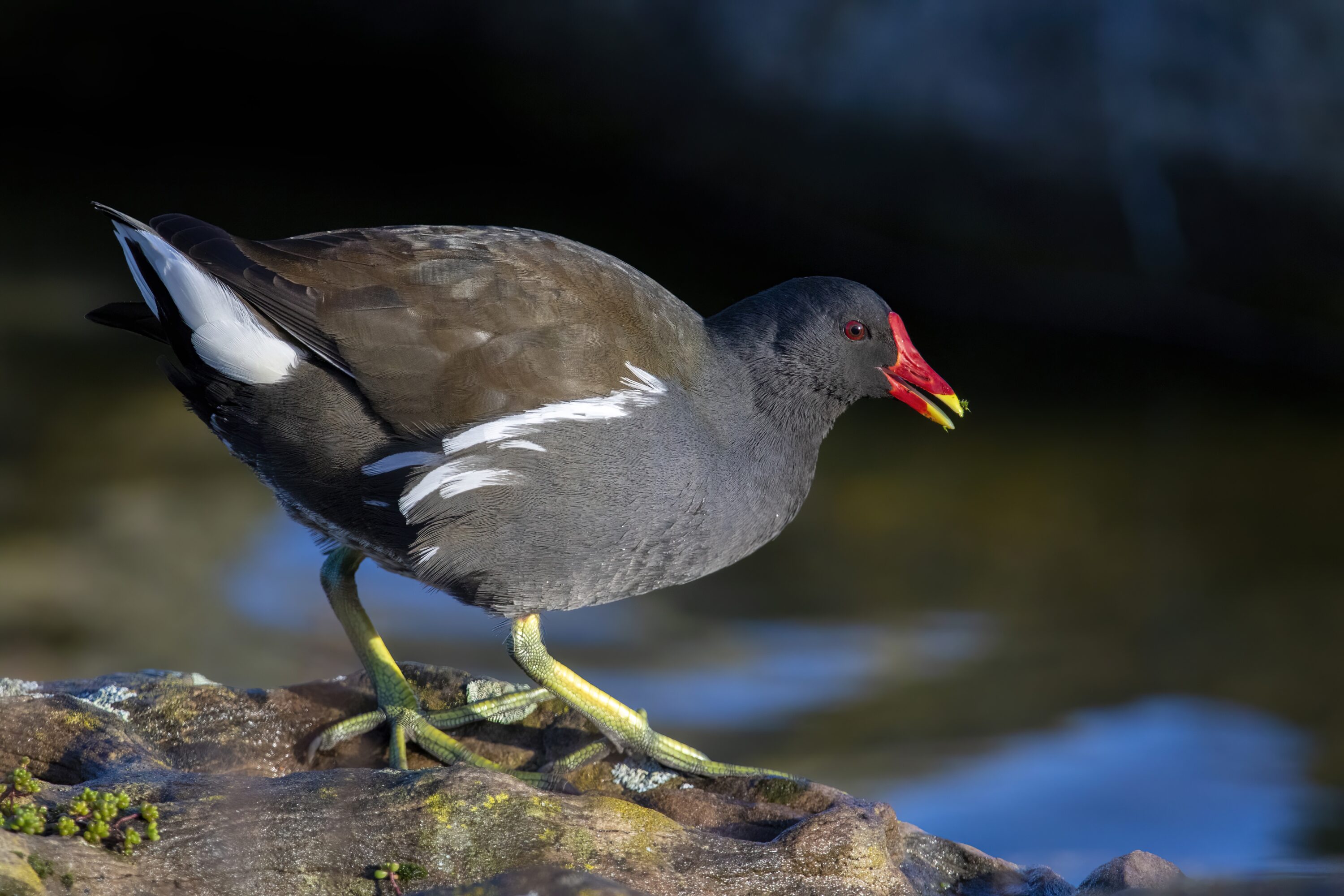
Common Moorhens See Nearly 300 Degrees Around Them Despite a Narrow Binocular Field
Common moorhens have a binocular field only about 34° wide at its maximum, but nearly 300° of combined…
Read story →SPECIES IN THIS STORY
Species in this story

Independent research and conservation news archive
Did you find this information useful?
Wildlife Vagabond is independently built and maintained. Voluntary support helps cover source verification, hosting and continued work on research and conservation news.
Support Wildlife VagabondThe news archive will remain freely available.