
Rhesus Macaques Used Working Memory to Remember the Order of Images
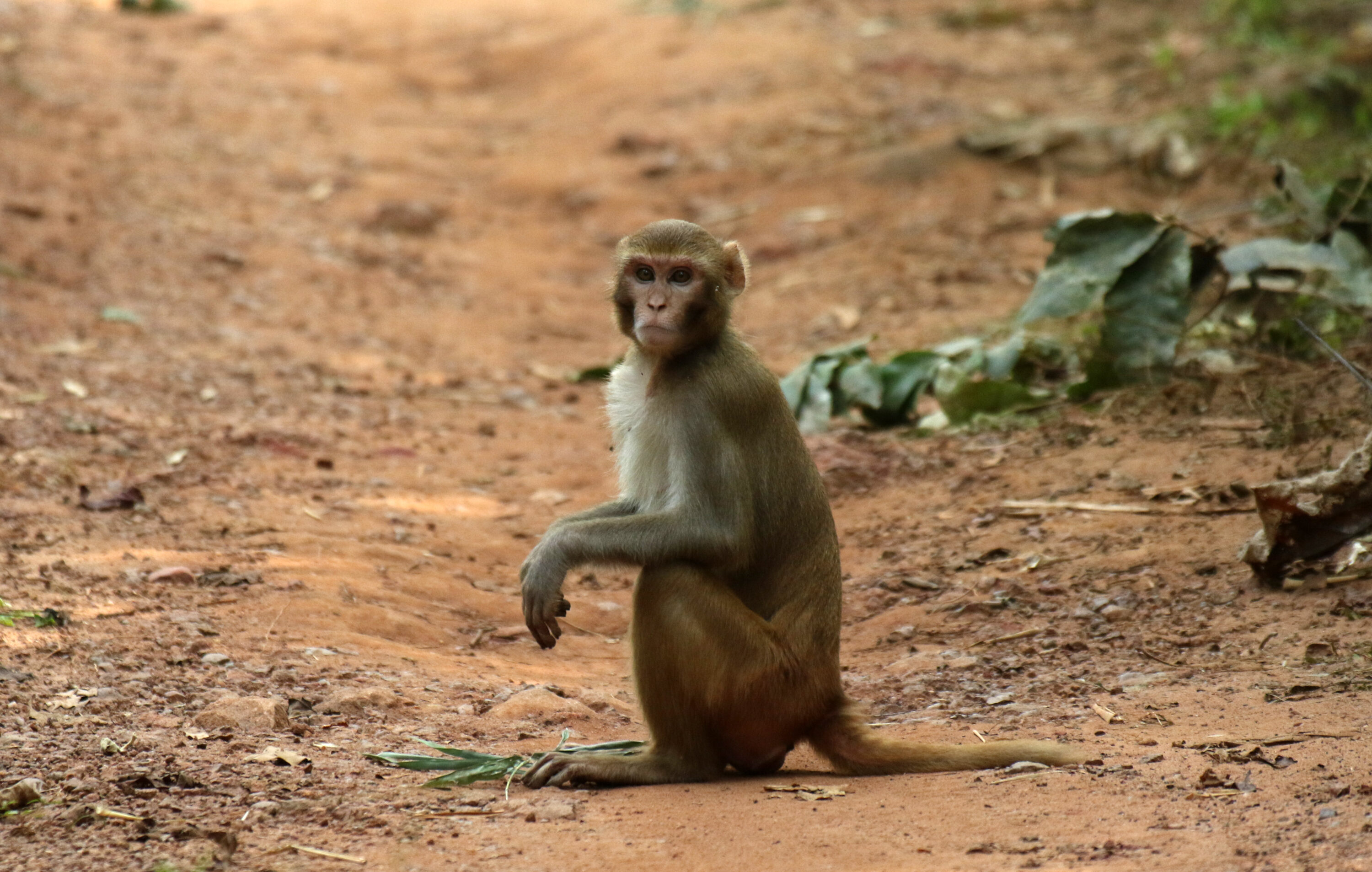
Six eight-year-old male rhesus macaques (Macaca mulatta) were tested on whether they used working memory to remember the order of images in a short sequence. Working memory is a limited-capacity system that actively keeps information available for a short period. When the monkeys had to perform another mental task during the memory interval, their memory for image order deteriorated far more than their ability to recognise images.
The monkeys first saw five images one after another on a touchscreen. At test, they were shown two of those images and had to choose which had appeared earlier. The task had been developed to study the “when” component of episodic-like memory — memory for elements of a particular past event, including what happened and in what order. Earlier work had found that hippocampal damage did not impair monkeys on this task in the way it impaired comparable order memory in rodents, raising the possibility that the monkeys were relying on short-term working memory instead.
A competing task tested the role of working memory
To test that idea, the researchers inserted a perceptual classification task during the delay between the image sequence and the memory test. This competing task occupied cognitive resources that would otherwise be available for actively maintaining the sequence. The researchers also ran recognition tests in which the monkeys judged whether an image had appeared in the studied list. Recognition can often be solved through familiarity — the sense that an image has been seen before — and is much less dependent on actively keeping the full sequence in working memory.
Order memory depended more on working memory than recognition did
The competing cognitive load strongly reduced accuracy in the order task, while recognition performance was much less affected. The authors therefore conclude that the macaques relied on working memory to solve this particular image-order task. That makes the task a poor model of long-term episodic memory, while also showing that memory for order and familiarity-based recognition can rely on different memory processes.
Behaviour
Related news
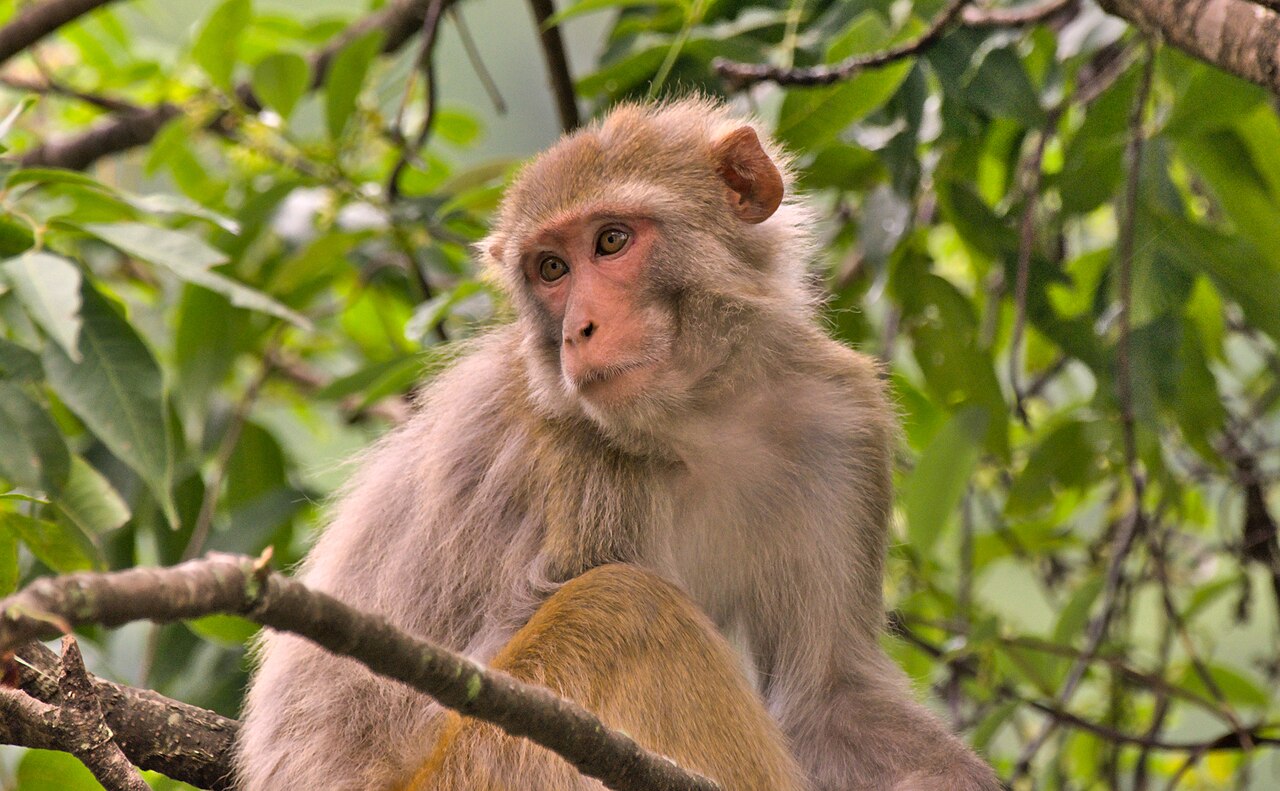
Female Rhesus Macaques That Watched Unfamiliar Female Faces Longer Were More Likely to Have Offspring the Following Year
At a semi-free-ranging population in Puerto Rico, females that spent longer looking at an unfamiliar female’s neutral face…
Read story →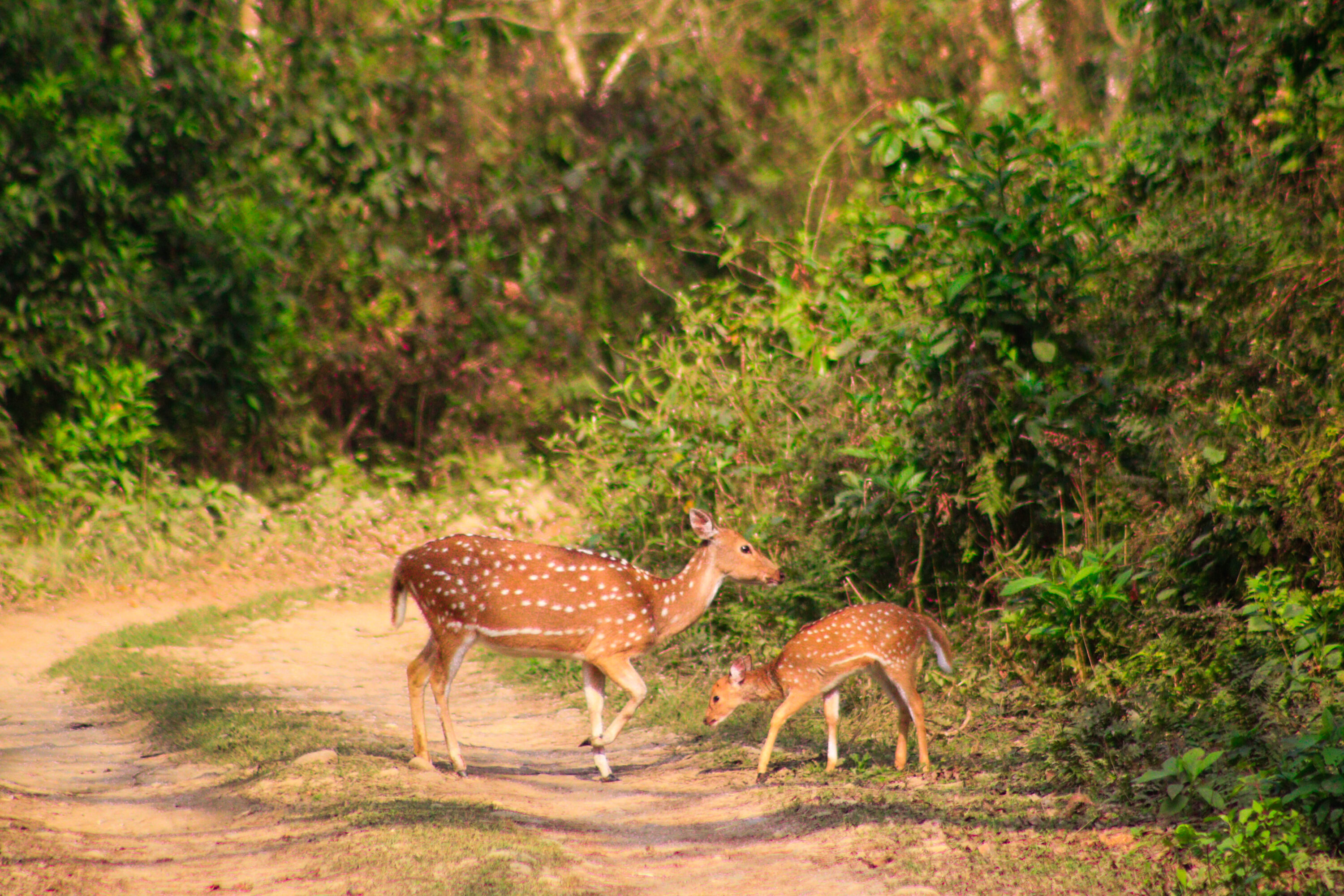
Human Activity and Large Wildlife Overlapped Most in Chitwan’s Buffer Zone
Camera traps across Chitwan National Park and surrounding forests showed the greatest overlap of human activity with large…
Read story →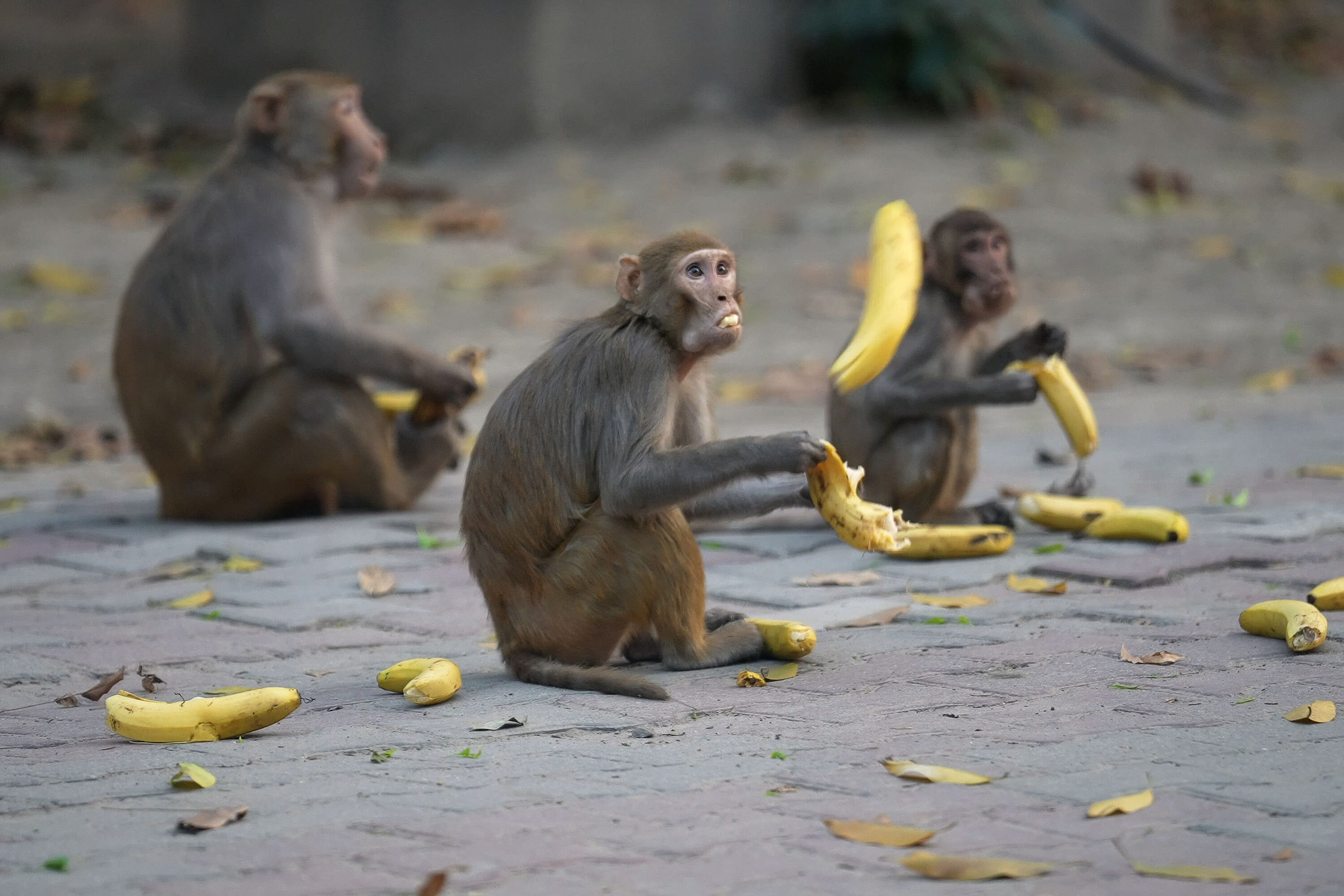
Aging rhesus macaques show broader protein changes in blood than in brain fluid
A study of 66 rhesus macaques found age-related differences in many more measured proteins in plasma than in…
Read story →SPECIES IN THIS STORY
Species in this story
Independent research and conservation news archive
Did you find this information useful?
Wildlife Vagabond is independently built and maintained. Voluntary support helps cover source verification, hosting and continued work on research and conservation news.
Support Wildlife VagabondThe news archive will remain freely available.