
Oxytocin’s effect on macaques’ brain responses to sound depended on visual context
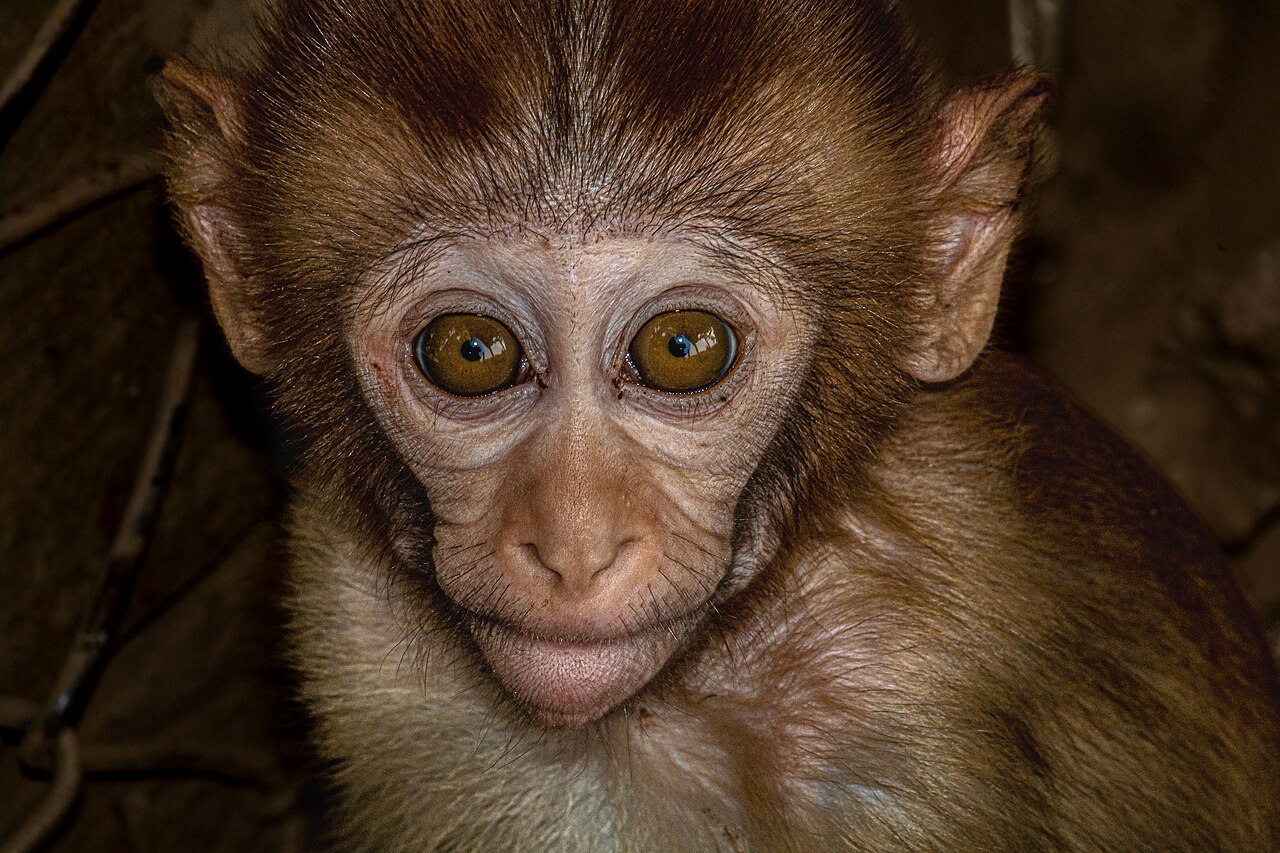
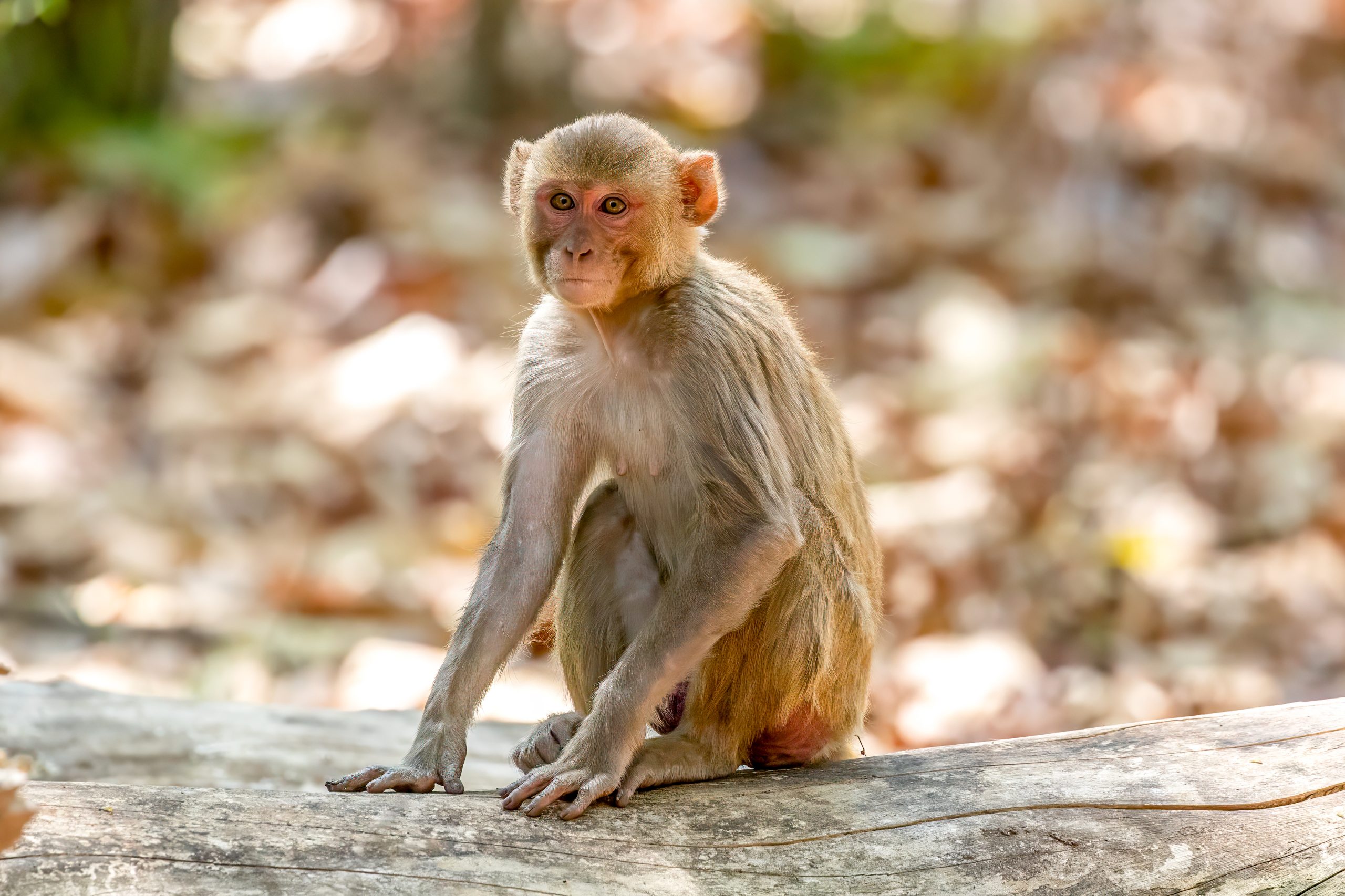
Oxytocin is studied for its role in social perception, but its effects on the brain vary across experiments. To test whether sensory context helps explain that variation, researchers compared brain activity in two awake rhesus macaques (Macaca mulatta) after giving them oxytocin or saline. In a bioRxiv preprint, they report using functional magnetic resonance imaging (fMRI), a method for mapping brain activity, to measure responses while the animals encountered sounds alone or vocalisations alongside visual input.
Sound alone and audiovisual input produced different effects
When the macaques heard sounds without visual input, oxytocin was associated with weaker sound-evoked responses across auditory core, belt and associative regions. The core and surrounding belt are parts of the auditory cortex; associative regions are involved in more integrated processing. The pattern occurred for both vocal and non-vocal sounds. Brain-signal patterns still contained information that allowed researchers to distinguish sound categories: the responses were reduced, not erased.
The effect differed when the same vocalisations were presented in an audiovisual task. The reduction in auditory responses was no longer present; instead, responses increased in a more limited set of auditory core and belt regions. Oxytocin therefore did not simply amplify vocal sounds. Its measured effect depended on whether the macaques heard sounds alone or encountered vocalisations in a visual context.
Oxytocin was also associated with changes in resting-state coupling—the coordination of activity—among auditory, visual and prefrontal brain systems. Together, the results point to effects on both responses to particular sounds and coordination between brain regions.
The study suggests that oxytocin’s effects on auditory processing depend on sensory context rather than acting as a general amplifier of sound or vocal
Physiology
Related news
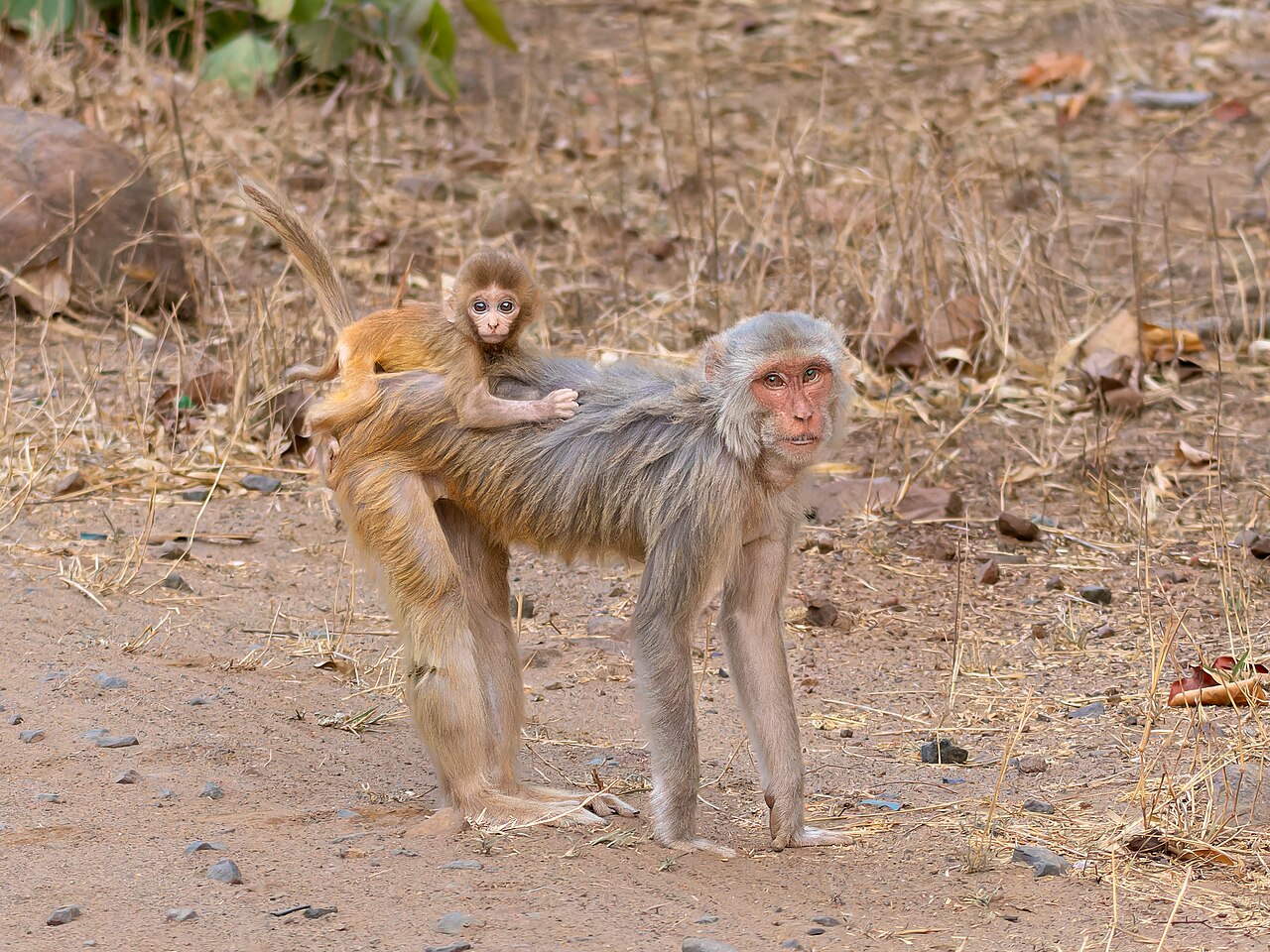
Older rhesus macaques show hundreds of gene-expression differences in blood
In a study at a research facility in Sochi, Russia, 741 genes differed in expression between young and…
Read story →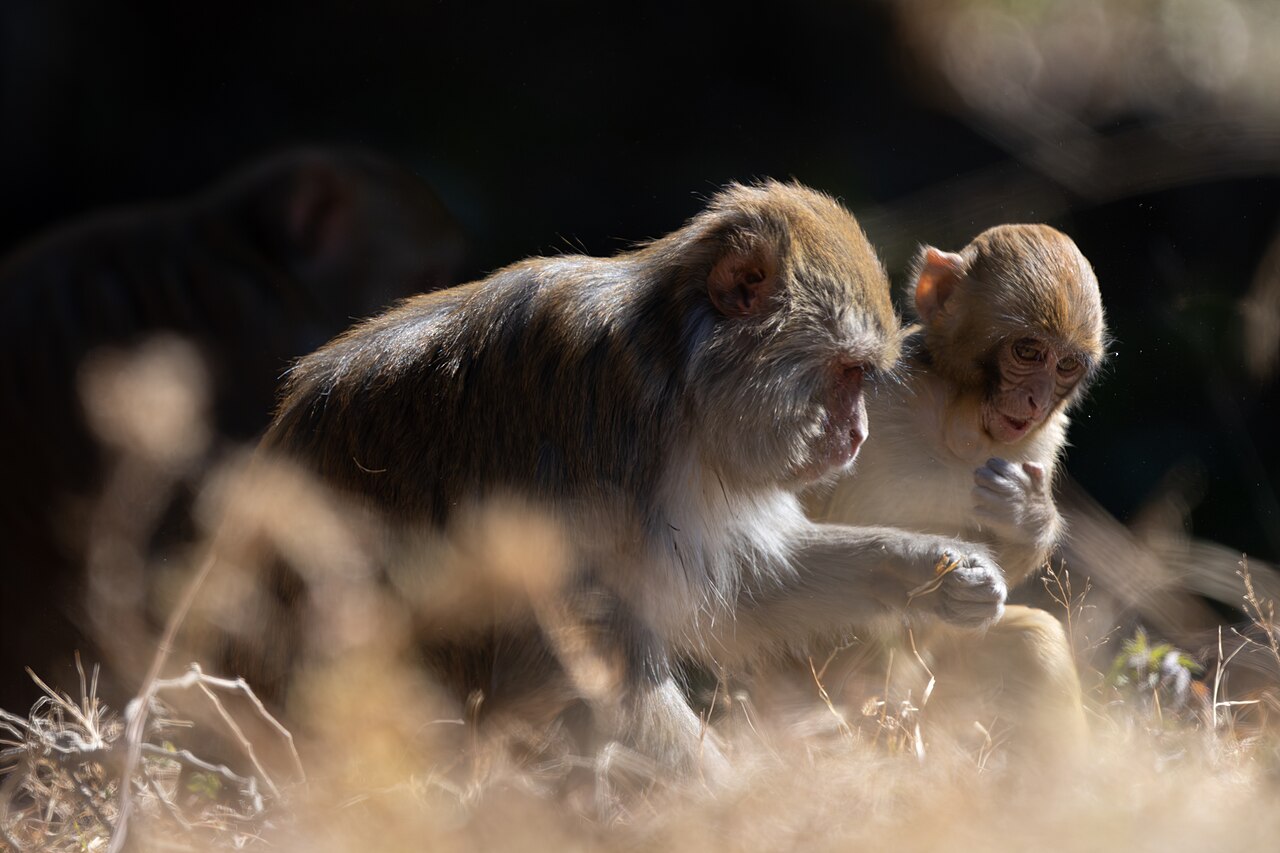
Some rhesus macaques kept SIV in check after antibody treatment and ART interruption
Eight of 21 macaques given SIV-targeting antibodies met the study’s definition of post-treatment control. Their CD4+ T cells…
Read story →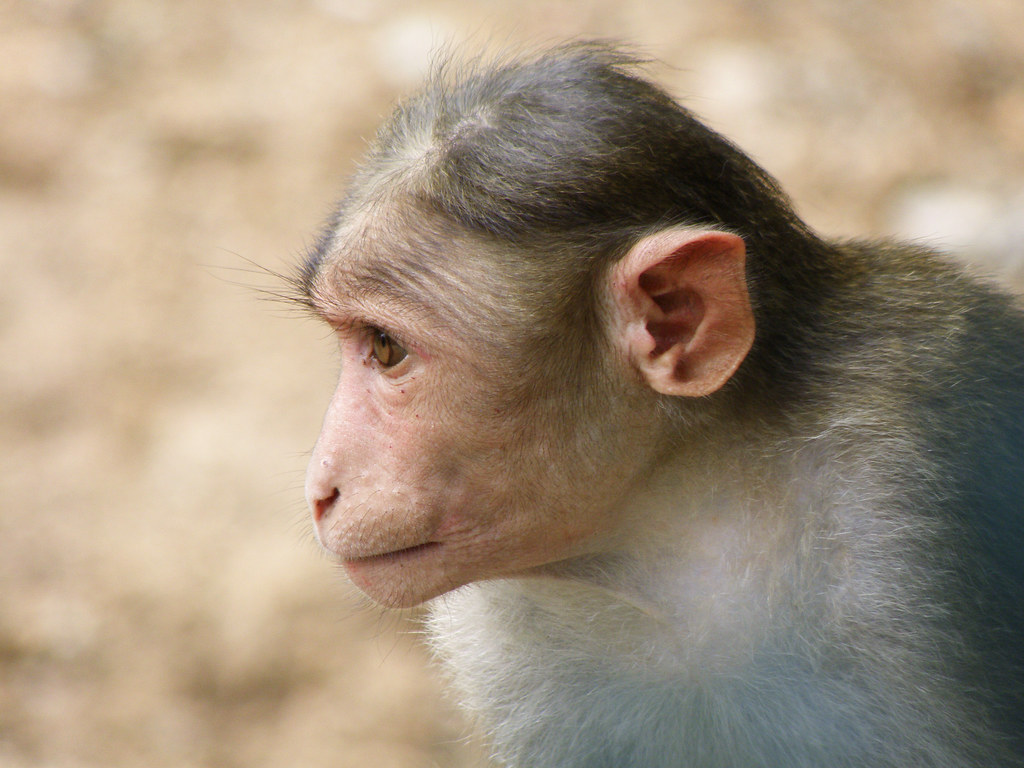
Rhesus macaque vaginal microbiomes changed little across menstrual cycles
Across three cycles in six rhesus macaques, most circulating immune-cell populations and the vaginal microbiome changed little. The…
Read story →SPECIES IN THIS STORY
Species in this story
Independent research and conservation news archive
Did you find this information useful?
Wildlife Vagabond is independently built and maintained. Voluntary support helps cover source verification, hosting and continued work on research and conservation news.
Support Wildlife VagabondThe news archive will remain freely available.