
Some rhesus macaques kept SIV in check after antibody treatment and ART interruption
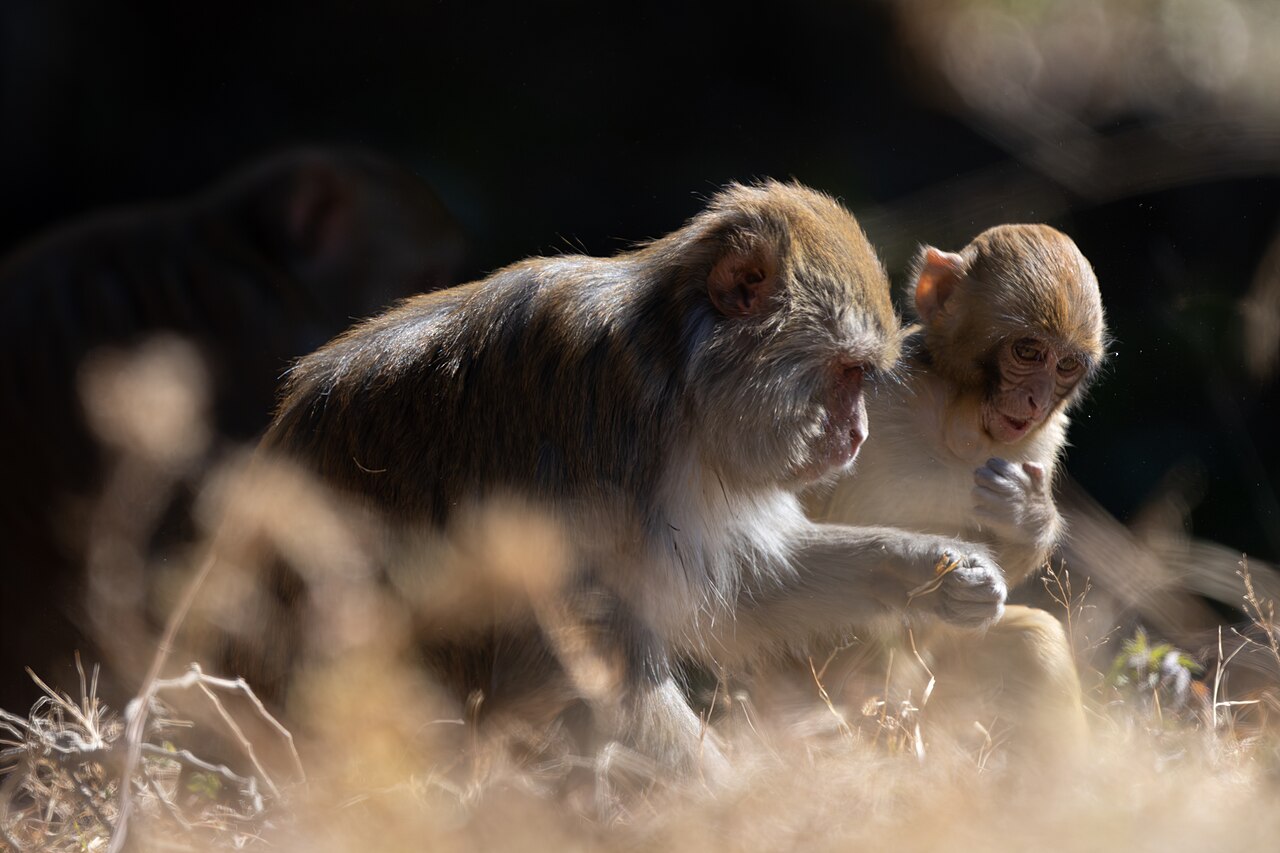
Antiretroviral therapy (ART) can suppress simian immunodeficiency virus (SIV), but the virus usually rebounds when treatment stops. In a study of rhesus macaques, some animals had lower virus levels after receiving antibodies against SIV during ART. Before treatment was interrupted, their CD4+ T cells already showed a distinctive pattern of antiviral gene activity.
The researchers infected 28 male rhesus macaques (Macaca mulatta) with SIVmac239 and began three-drug ART eight weeks later. After 90 weeks on ART, seven animals continued on ART alone, seven received ART plus four neutralizing monoclonal antibodies targeting different regions of Env, the protein on the virus’s surface, and 14 received the antibodies along with a CD8α-depleting antibody and N-803. N-803 is an IL-15 superagonist used to stimulate immune cells and reactivate latent virus. The antibodies had cleared from the animals before ART was stopped, so they were no longer circulating when the virus rebounded.
Some antibody-treated macaques controlled the rebound
Eight of the 21 macaques that received SIV-specific antibodies met the study’s definition of post-treatment control: they had at least three consecutive measurements below 1,000 viral copies per millilitre, or maintained a plateau below 5,000 copies per millilitre for more than 10 weeks after the virus first rebounded. This included four of seven macaques given antibodies alone and four of 14 given antibodies with CD8α depletion and N-803. The authors interpreted this difference as suggesting that CD8α depletion and N-803 may have diminished the post-treatment-control effect associated with the antibodies. The group counts suggest that possibility, but do not establish a treatment difference. One animal in the ART-only group met a more permissive version of the definition.
Control did not mean the virus was eradicated. Viral levels rebounded in every group, and the groups did not differ significantly in how long it took for rebound to begin. But the eight antibody-treated controllers had lower rebound levels than the other animals. Compared with their levels before ART, the antibody groups also showed a greater reduction in viral levels at the post-treatment set point.
The combination of antibodies, CD8α depletion and N-803 produced the strongest reactivation of virus while the macaques were still receiving ART. But it did not significantly reduce the viral reservoir more than the other treatments. The reservoir consists of infected cells that retain viral genetic material and can restart virus production. Before ART was interrupted, animals that later controlled the virus had similar levels of intact viral DNA in their CD4+ T cells to those that did not. Thus, control was not simply explained by a clearly smaller reservoir before treatment stopped.
Before ART began, controllers had lower viral loads than non-controllers in the antibody-treated groups, although the ranges overlapped. This baseline difference is relevant to the later control pattern, but the overlapping values mean that viral load before treatment did not neatly separate the animals that would later control the virus.
Antiviral gene activity marked the controllers
Before ART interruption, the researchers analysed gene activity in the macaques’ CD4+ T cells. Animals that later met the control definition had stronger expression of interferon-response genes and weaker expression of genes involved in TGF-β signalling. Their CD4+ T cells were also enriched for gene-expression patterns associated with increased translation and metabolic activity. Interferons are immune signals that help activate cellular defences against viruses; TGF-β is an immune-regulating signal, and its signalling pathway was less active in the cells of the controllers.
Among the more active interferon-related genes were MX1 and BST2, which the study identifies as antiviral effectors, and IRF7, STAT2 and IRF9, which help regulate interferon responses. Several genes linked to TGF-β signalling, including genes for receptors and SMAD-related proteins, were less active. This gene pattern was associated with post-treatment control.
The researchers also examined an existing dataset of individual CD4+ T cells from people with HIV receiving ART. In that dataset, cells with stronger interferon-related and weaker TGF-β-related gene signatures tended to contain less HIV DNA. The researchers suggest that this pattern may mark CD4+ T cells that are less able to support productive virus infection and production, helping explain the lower virus levels in macaques with post-treatment control. This is a possible interpretation of the findings, not a demonstrated cause, and the human-cell dataset was not a test of antibody treatment in people.
CD8+ T cells changed their activity over time
Before ART interruption, CD8+ T cells from macaques that later controlled the virus showed stronger gene-activity patterns linked to effector development and function, including cell-cycle, mTOR and interferon pathways, as well as metabolic programmes that support activation. About two months after interruption, the controllers’ CD8+ T cells had a more subdued gene-activity pattern, with stronger TGF-β and WNT signalling. In macaques with active viral rebound, CD8+ T cells instead showed stronger interferon, metabolic and cell-cycle activity. The researchers found no clear difference in measured SIV-specific CD8+ T-cell responses that explained which macaques controlled the virus.
Together, the macaque and human-cell results link lower virus production with a particular CD4+ T-cell state: stronger interferon-related activity and weaker TGF-β signalling, alongside gene-expression patterns associated with increased translation and metabolic activity. In the macaques, that pattern accompanied lower levels of virus after ART ended, even though virus was not eliminated.
Genetics & genomics
Related news
Older rhesus macaques show hundreds of gene-expression differences in blood
In a study at a research facility in Sochi, Russia, 741 genes differed in expression between young and…
Read story →
Oxytocin’s effect on macaques’ brain responses to sound depended on visual context
In two awake rhesus macaques, oxytocin dampened sound-evoked brain responses when sounds were presented alone. The dampening disappeared…
Read story →
Rhesus macaque vaginal microbiomes changed little across menstrual cycles
Across three cycles in six rhesus macaques, most circulating immune-cell populations and the vaginal microbiome changed little. The…
Read story →SPECIES IN THIS STORY
Species in this story
Independent research and conservation news archive
Did you find this information useful?
Wildlife Vagabond is independently built and maintained. Voluntary support helps cover source verification, hosting and continued work on research and conservation news.
Support Wildlife VagabondThe news archive will remain freely available.