
Older rhesus macaques show hundreds of gene-expression differences in blood

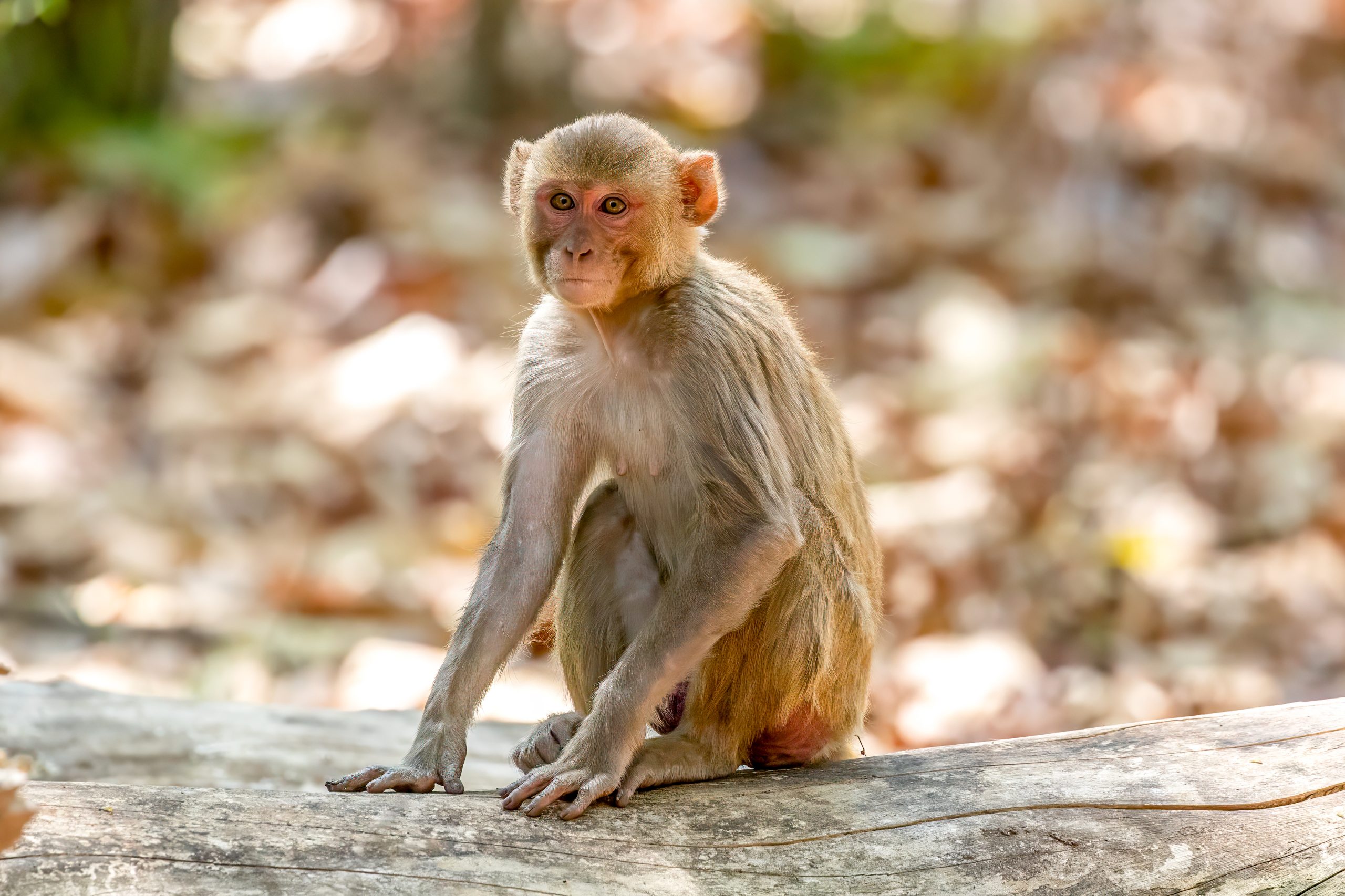
Blood from older rhesus macaques (Macaca mulatta) showed differences in the expression of hundreds of genes compared with blood from younger animals. Researchers studied clinically healthy males at a facility in Sochi, Russia. The animals averaged 5.8 years in the younger group and 28.4 years in the older group.
The researchers used RNA sequencing, which reads RNA made from active genes to compare gene expression across the blood samples. One sample from the younger group was excluded after quality checks, leaving five younger and six older macaques in the final comparison. The analysis identified 741 genes with different expression: 377 had higher expression in the older animals and 364 had lower expression.
Different gene groups pointed in different directions
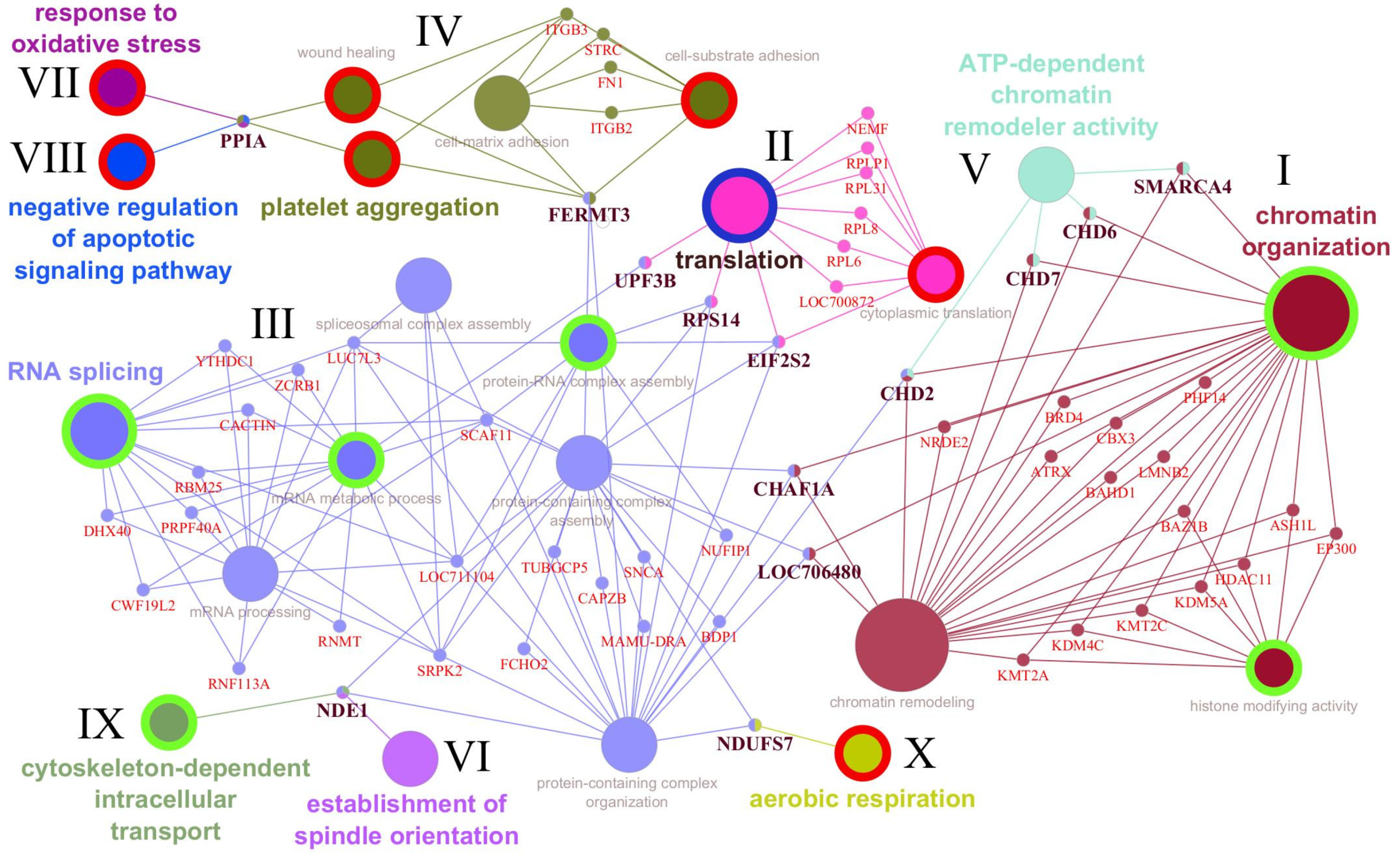
An enrichment analysis linked the 741 altered genes to 22 biological processes, which the researchers grouped into 10 broader categories. Enrichment means that genes associated with a process were overrepresented among the changed genes; it does not mean that the process itself was directly measured or necessarily became more or less active.
The direction of the gene-expression differences revealed a contrast. Genes with lower expression in older macaques were especially associated with chromatin organization and remodeling, histone modification, RNA splicing, as well as separate processes involved in transport within cells. Chromatin is DNA together with the proteins that package it; remodeling changes how that DNA is arranged and can affect which genes are accessible for use. Genes with higher expression were associated with responses to oxidative stress, aerobic respiration, cell adhesion, wound healing, and platelet aggregation. They were also associated with negative regulation of apoptotic signaling—the processes that restrain signals leading to programmed cell death. Translation, the production of proteins from RNA, was the only process category enriched among genes with both higher and lower expression.
Several individual genes connect these patterns to cellular machinery. NDUFS7 had higher expression in older animals and encodes a component of mitochondrial complex I, which transfers electrons during cellular respiration. The researchers suggest that its increase may fit an adaptive response to oxidative stress, but the study did not directly establish that role. Another gene with higher expression, PPIA, encodes cyclophilin A, a protein associated with oxidative-stress responses; the authors note that its effects can be protective or harmful in different biological contexts. FERMT3, also higher in the older group, encodes Kindlin-3. This protein helps activate integrins, which support cell adhesion; the study links that function to platelet aggregation, when platelets stick together. The gene was also associated with cell adhesion and wound healing in the enrichment results.
Among genes with lower expression were CHD2, CHD6, CHD7 and SMARCA4, which are associated with chromatin remodeling, and NAP1L1, which encodes a protein involved in assembling nucleosomes, the units around which DNA is packaged. Thirteen genes were associated with at least two of the enriched process groups, making them candidates for further study.
The researchers interpret the overall pattern as consistent with several processes associated with aging and suggest that some of the genes could be candidates for blood-based markers. The age groups also differed in the share of RNA reads that could be mapped uniquely to the macaque genome. The analysis adjusted for that difference, but the authors note that adjustment cannot eliminate its possible influence.
Genetics & genomics
Related news
Oxytocin’s effect on macaques’ brain responses to sound depended on visual context
In two awake rhesus macaques, oxytocin dampened sound-evoked brain responses when sounds were presented alone. The dampening disappeared…
Read story →
Some rhesus macaques kept SIV in check after antibody treatment and ART interruption
Eight of 21 macaques given SIV-targeting antibodies met the study’s definition of post-treatment control. Their CD4+ T cells…
Read story →
Rhesus macaque vaginal microbiomes changed little across menstrual cycles
Across three cycles in six rhesus macaques, most circulating immune-cell populations and the vaginal microbiome changed little. The…
Read story →SPECIES IN THIS STORY
Species in this story
Independent research and conservation news archive
Did you find this information useful?
Wildlife Vagabond is independently built and maintained. Voluntary support helps cover source verification, hosting and continued work on research and conservation news.
Support Wildlife VagabondThe news archive will remain freely available.