
No Stand-level Reduction in Blue Tit Breeding Performance Was Detected With Moderate Conifer Admixture
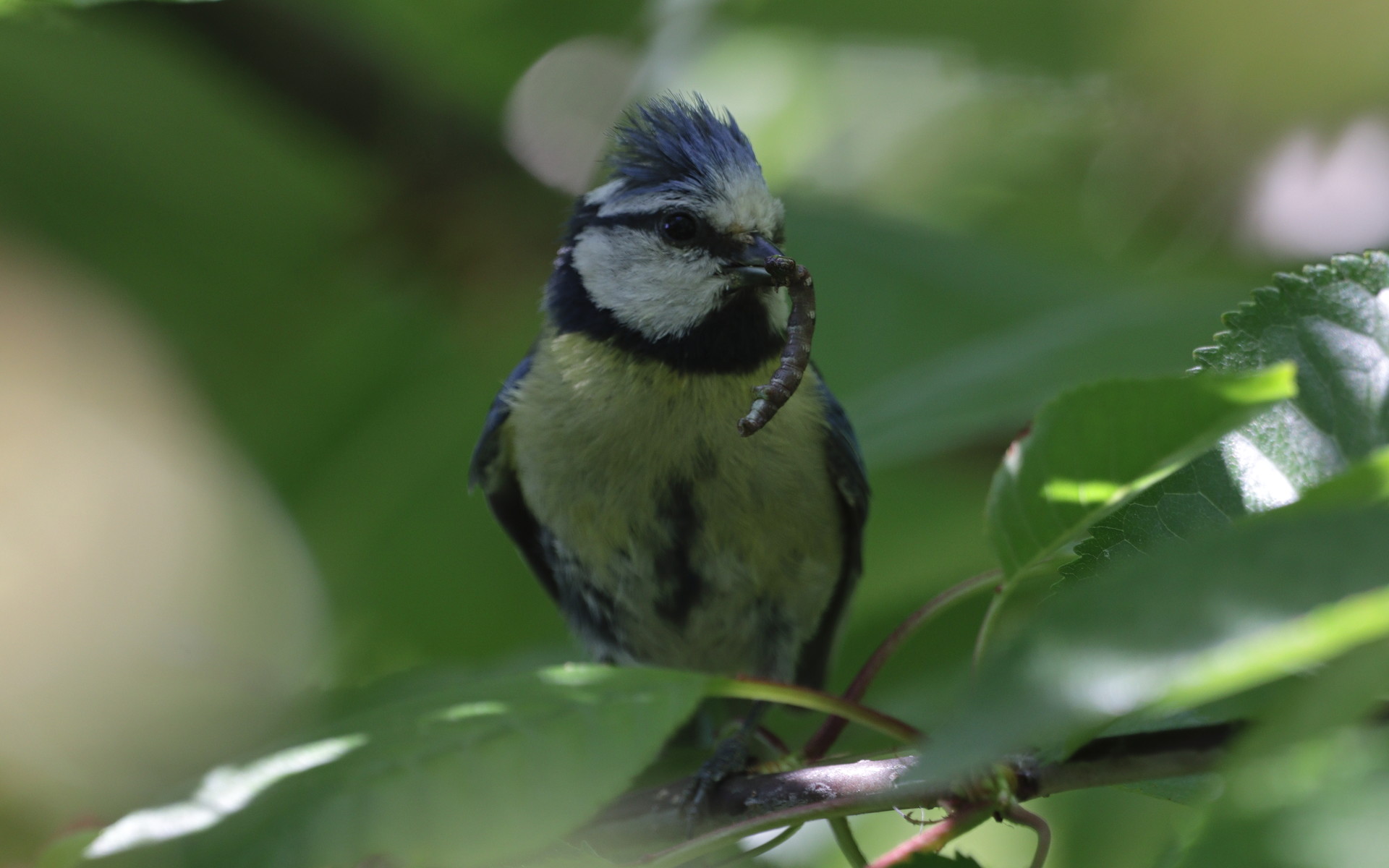
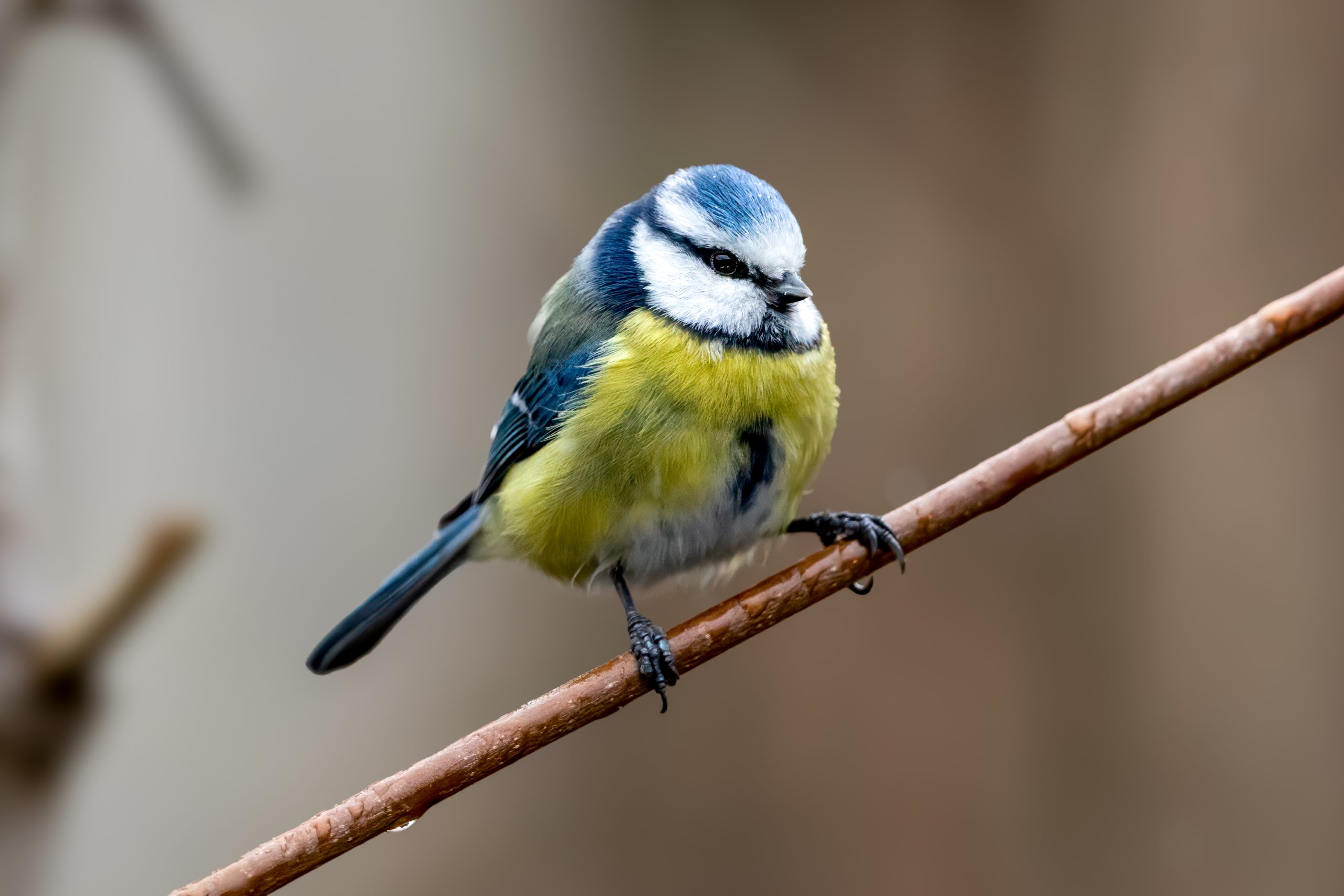
No significant reduction in breeding performance was detected with moderate admixture of Douglas-fir and silver fir into European beech forest in Eurasian blue tits (Cyanistes caeruleus) during a study in northern Bavaria, Germany. The research, first available online on 23 May 2026, monitored nest-box occupancy and reproduction across 63 forest plots.
The researchers compared pure beech stands with mixed Douglas-fir–beech and silver fir–beech stands in the Spessart region. At the stand level — meaning the composition of the whole forest plot — they found no clear differences among the three forest types in blue tit nest-box occupancy, clutch size, total brood mass or hatching success. Total brood mass was the combined weight of the chicks and any unhatched eggs during a standardised mid-May weighing period, adjusted in the analysis for brood size and chick age; it therefore described how much brood biomass had accumulated, not the weight of one average chick.
Blue tits laid earlier in boxes mounted on beech trees
Differences emerged at a finer, tree-level scale within mixed stands — the species of the individual tree holding each nest box. Blue tits nesting in boxes mounted on beech trees began laying an average of 3.4 days earlier than birds using boxes on conifer trees. For blue tits alone, 27 of 43 occupied boxes in the mixed stands were on beech trees, but this distribution did not provide clear evidence of a nest-tree preference.
The identity of the nest tree did not produce significant differences in brood mass or hatching success. The authors therefore distinguish the clear phenological difference in laying date from the broader measures of reproductive performance.
Douglas-fir and silver fir mixtures performed similarly at stand level
Of the 72 nest boxes occupied by tits, 53 were used by breeding blue tit pairs. These were distributed across pure beech, Douglas-fir–beech and silver fir–beech plots, and forest composition did not significantly affect blue tit occupancy. The authors suggest that the surrounding beech-rich landscape may have buffered potential effects of conifer admixture by allowing birds to forage beyond individual plots.
The study was conducted during a single breeding season, and the authors note that weather and food availability can vary substantially among years. They therefore call for multi-year work before assuming that the same breeding patterns will persist under different annual conditions.
European forest management is increasingly considering mixed stands as part of adaptation to drought and warming. In this study, moderate inclusion of either non-native Douglas-fir or native silver fir within beech-dominated forest was compatible with blue tit breeding performance, although nest-tree identity still influenced the timing of egg laying.
Reproduction & development
Related news
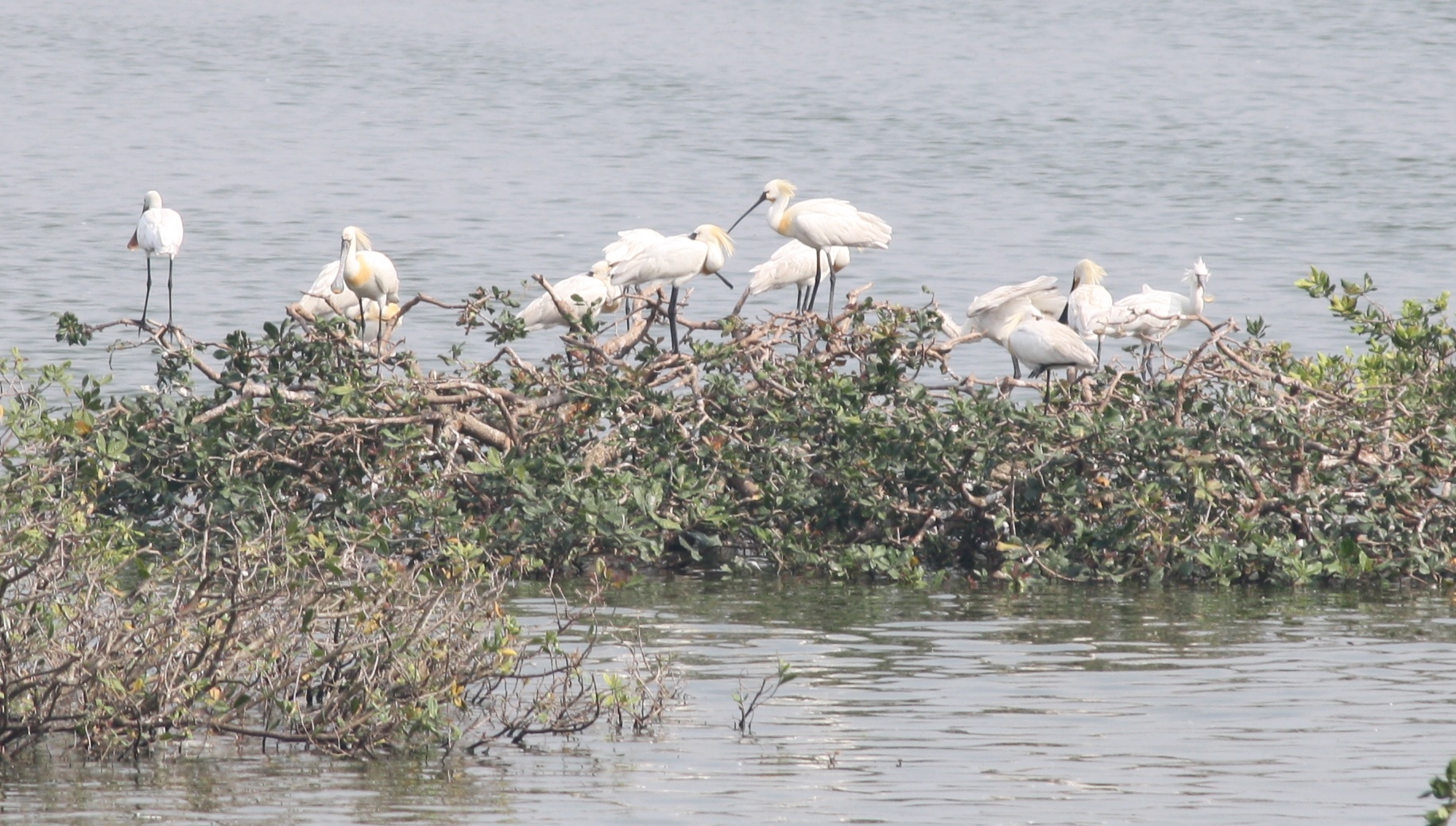
Therthangal Spoonbill Colony Returned to 12 Active Nests After Complete Breeding Failure
Six breeding seasons at Therthangal Bird Sanctuary in Tamil Nadu ranged from 12 active Eurasian Spoonbill nests in…
Read story →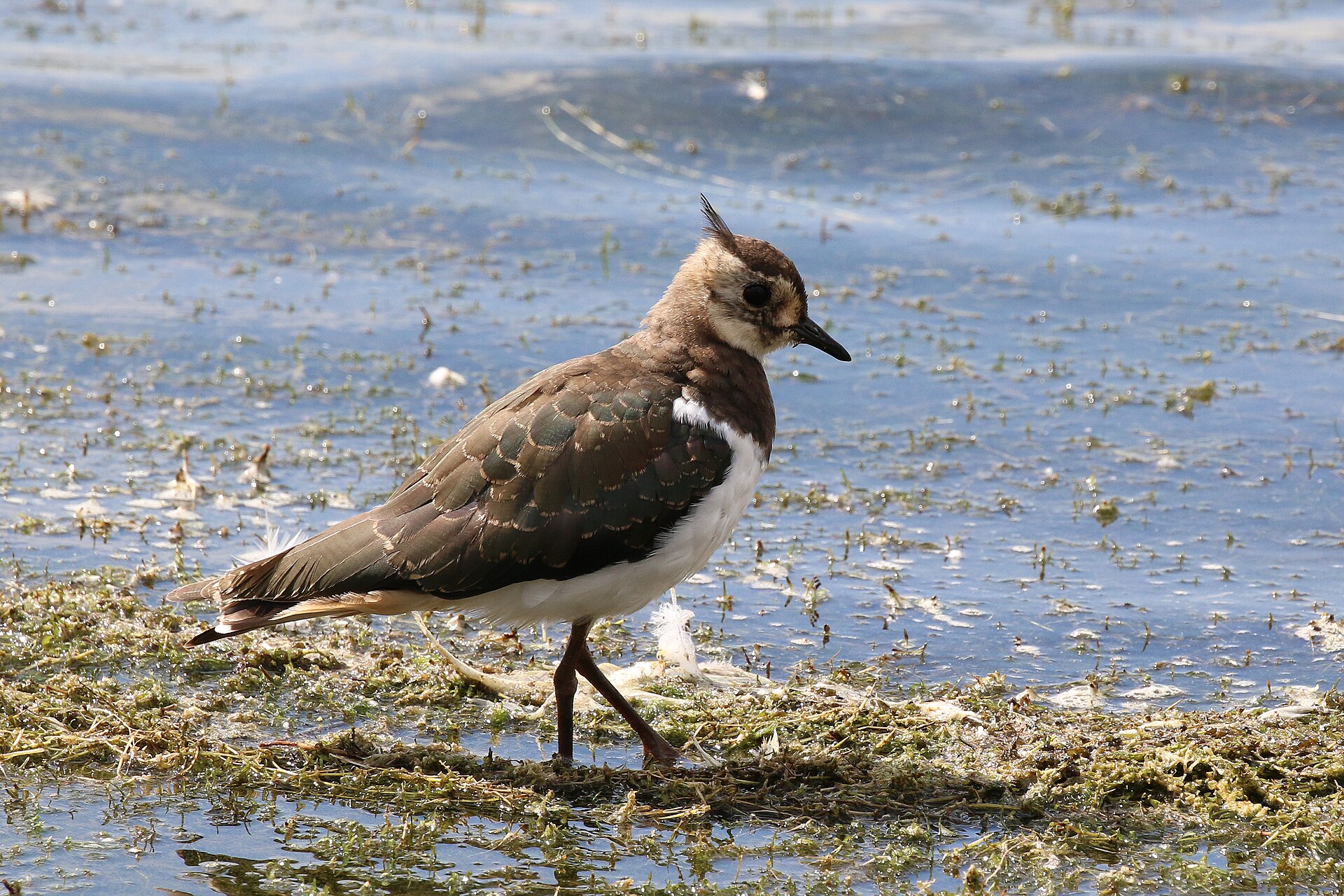
Lapwing and Oystercatcher Nesting Shifted in Opposite Directions With Latitude
Fifty years of UK nest records showed that northern lapwings nested later towards the north while Eurasian oystercatchers…
Read story →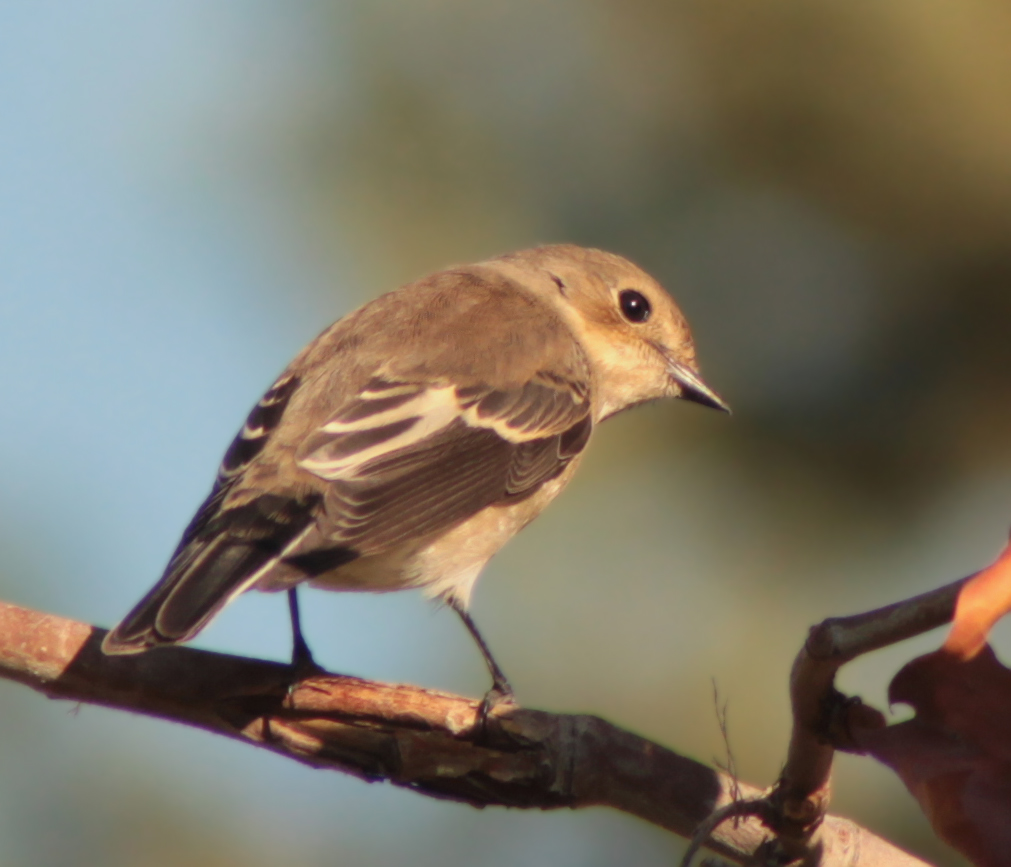
Late Spring Frost Was Linked to About 4% Smaller Pied Flycatcher Eggs
After a severe April frost damaged emerging oak foliage at Valsaín in central Spain, Pied Flycatchers laid eggs…
Read story →SPECIES IN THIS STORY
Species in this story
Independent research and conservation news archive
Did you find this information useful?
Wildlife Vagabond is independently built and maintained. Voluntary support helps cover source verification, hosting and continued work on research and conservation news.
Support Wildlife VagabondThe news archive will remain freely available.