
Copper and Zinc Accumulated Differently Across Tissues in Fish and White-throated Kingfishers from River Kalpani
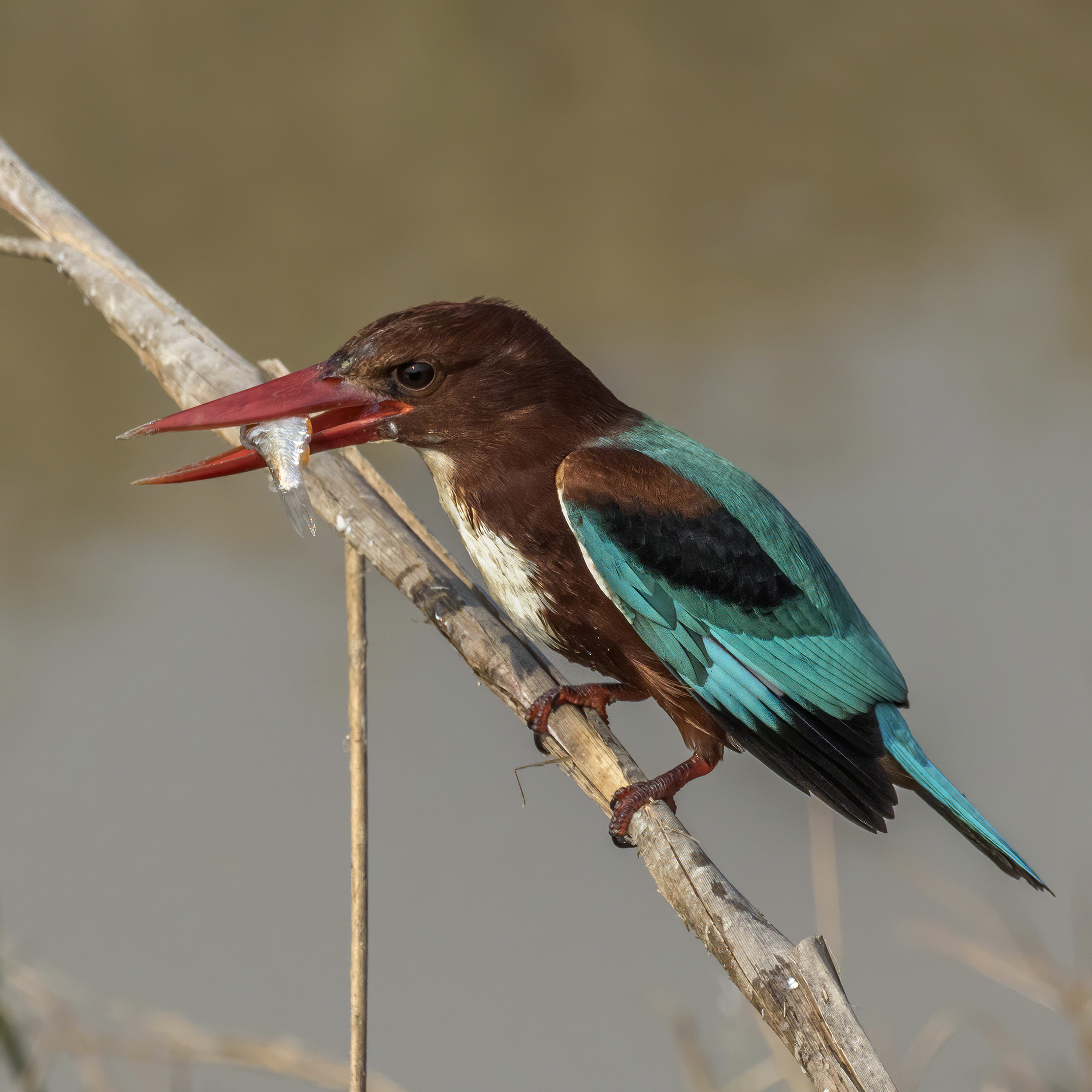
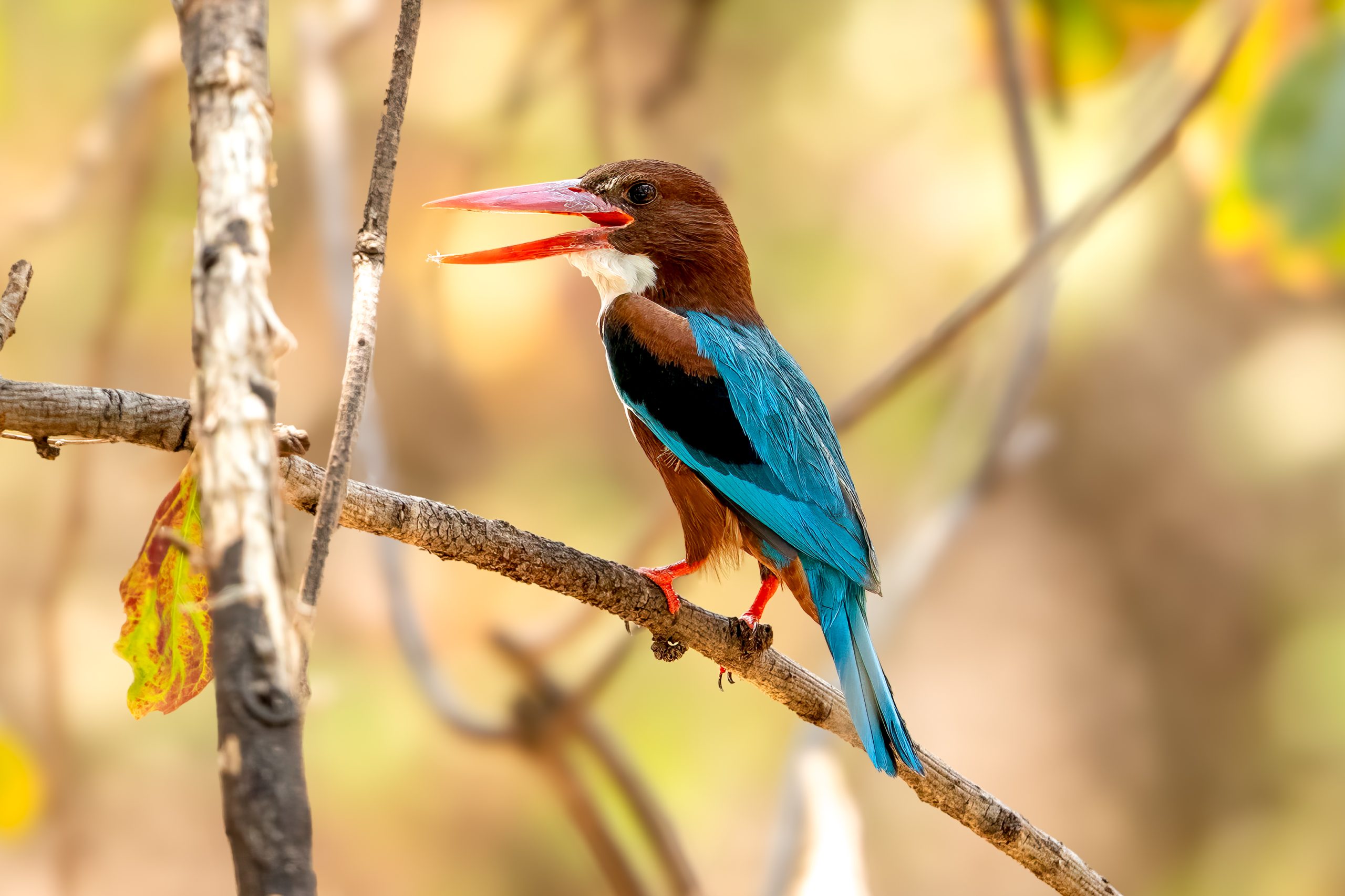
A study from River Kalpani in northern Pakistan measured copper (Cu) and zinc (Zn) in two freshwater fish species and in white-throated kingfishers (Halcyon smyrnensis). Copper and zinc are essential trace elements, but excessive accumulation can become harmful. The researchers examined how the metals were distributed among tissues and whether the pattern was consistent with transfer from aquatic prey to a fish-eating predator.
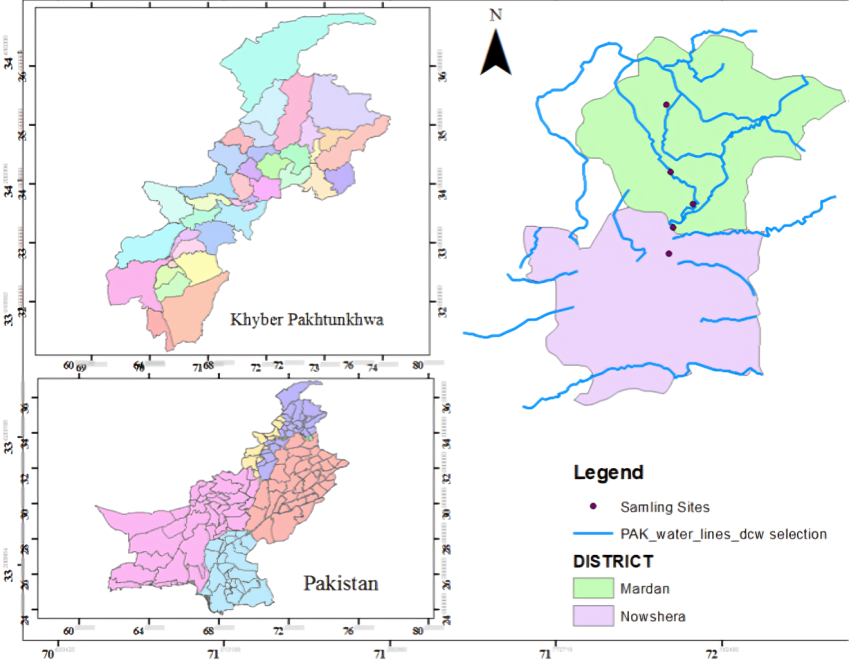
Samples came from five sites in the Mardan and Nowshera districts between December 2017 and March 2018. The material comprised 64 fish — 30 spotted snakeheads (Channa punctata) and 34 zig-zag eels (Mastacembelus armatus) — together with tissue samples from 15 white-throated kingfishers. Copper and zinc were measured separately in several tissues using flame atomic absorption spectrophotometry, which atomises the sample in a flame and measures how strongly the metal atoms absorb light.
Different tissues carried different metal loads
In both fish species, copper and zinc generally accumulated most strongly in the liver, followed by the gills, with lower concentrations in other tissues. The authors suggest that the high liver concentrations may be related to metallothioneins, proteins involved in binding and handling metals. They found no consistent increase or decrease in concentrations from upstream to downstream sites.
In the kingfishers, copper and zinc occurred in feathers, bones and internal organs. Feathers and liver were among the tissues with the highest concentrations. As in the fish, there was no continuous upstream-to-downstream pattern.
Higher bird means, but no clear overall species difference
Mean copper and zinc concentrations were generally higher in kingfisher tissues than in fish tissues. The authors interpret this pattern as consistent with trophic transfer through the food web. At the same time, the analysis did not support a clear overall separation in metal levels among the species across all sites, so the higher bird values did not form a uniform difference between trophic levels.
The concentrations measured in the kingfishers remained below the avian toxicity thresholds used by the authors, who found no indication of immediate toxic risk. They nevertheless argue that the generally higher concentrations in the birds justify continued monitoring and suggest that white-throated kingfishers could serve as bioindicators of metal contamination in freshwater ecosystems.
Ecology
Related news
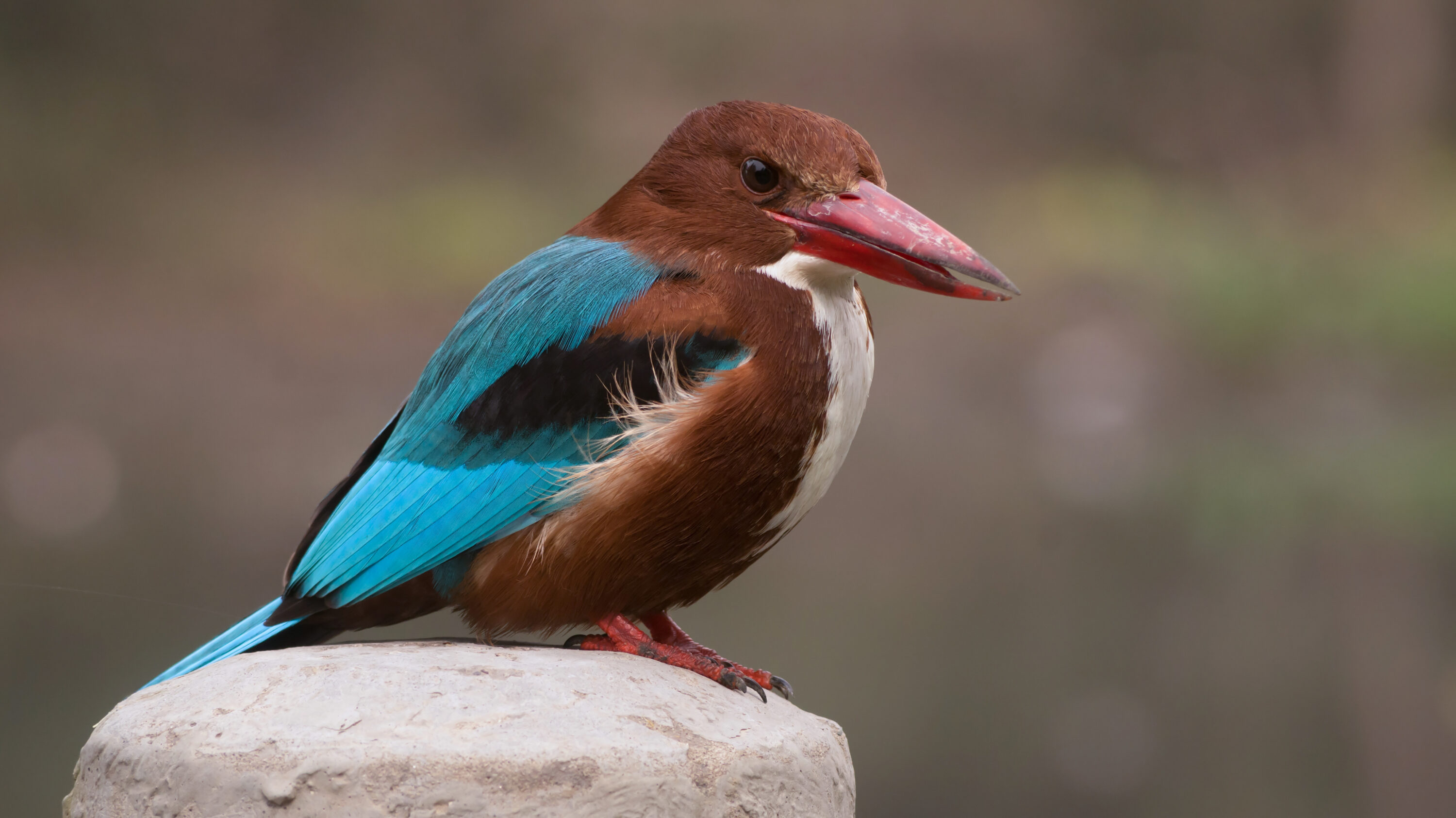
White-throated Kingfisher Index Showed Clear Increases on Both Time Scales in India
The 2025 State of India’s Birds update estimated a +65.8% long-term trend and a +1.5% current annual trend…
Read story →
First Confirmed White-throated Kingfisher in Libya Extended Documented Occurrence Westward
A single white-throated kingfisher observed near Derna in January 2025 became the first confirmed record for Libya, extending…
Read story →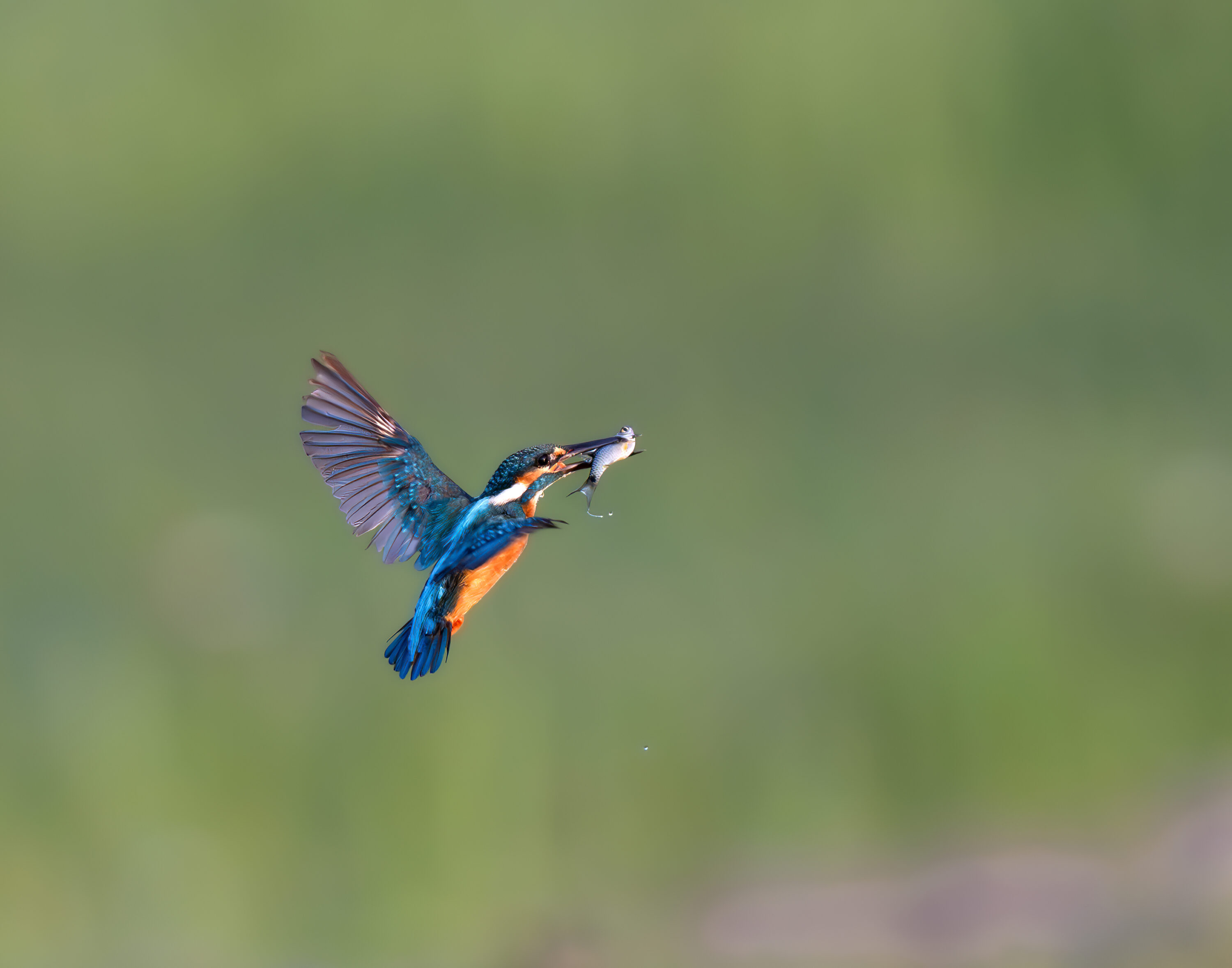
Five Kingfisher Species in Kerala Differed in Hunting Success Across Perch Heights
Across 628 observations at seven sites in northern Kerala, five kingfisher species showed different hunting-success patterns across perch…
Read story →SPECIES IN THIS STORY
Species in this story
Independent research and conservation news archive
Did you find this information useful?
Wildlife Vagabond is independently built and maintained. Voluntary support helps cover source verification, hosting and continued work on research and conservation news.
Support Wildlife VagabondThe news archive will remain freely available.