
Helminth Burdens Fell in Cormorants and Grey Herons as Czech Fishponds Became Carp-Dominated
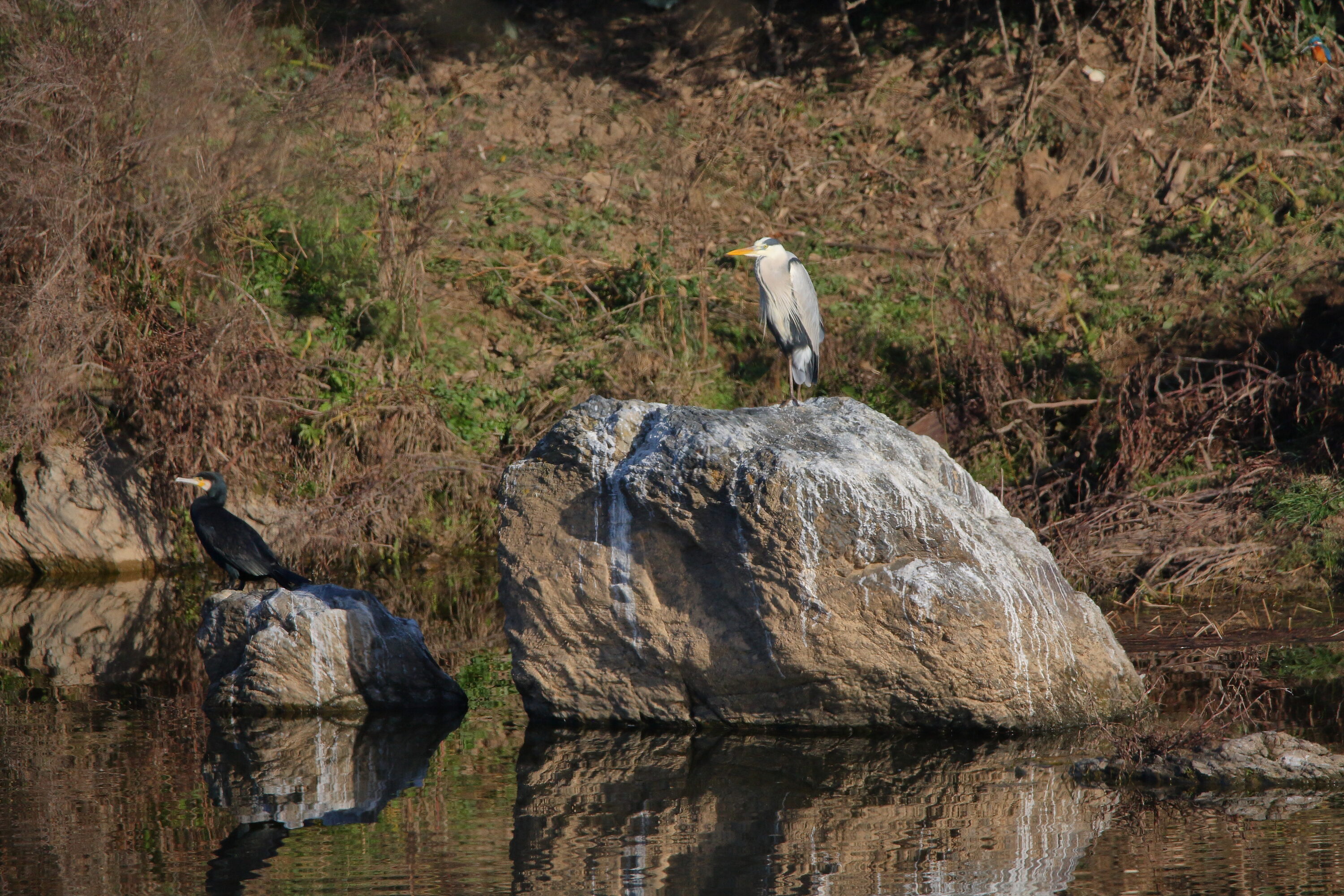
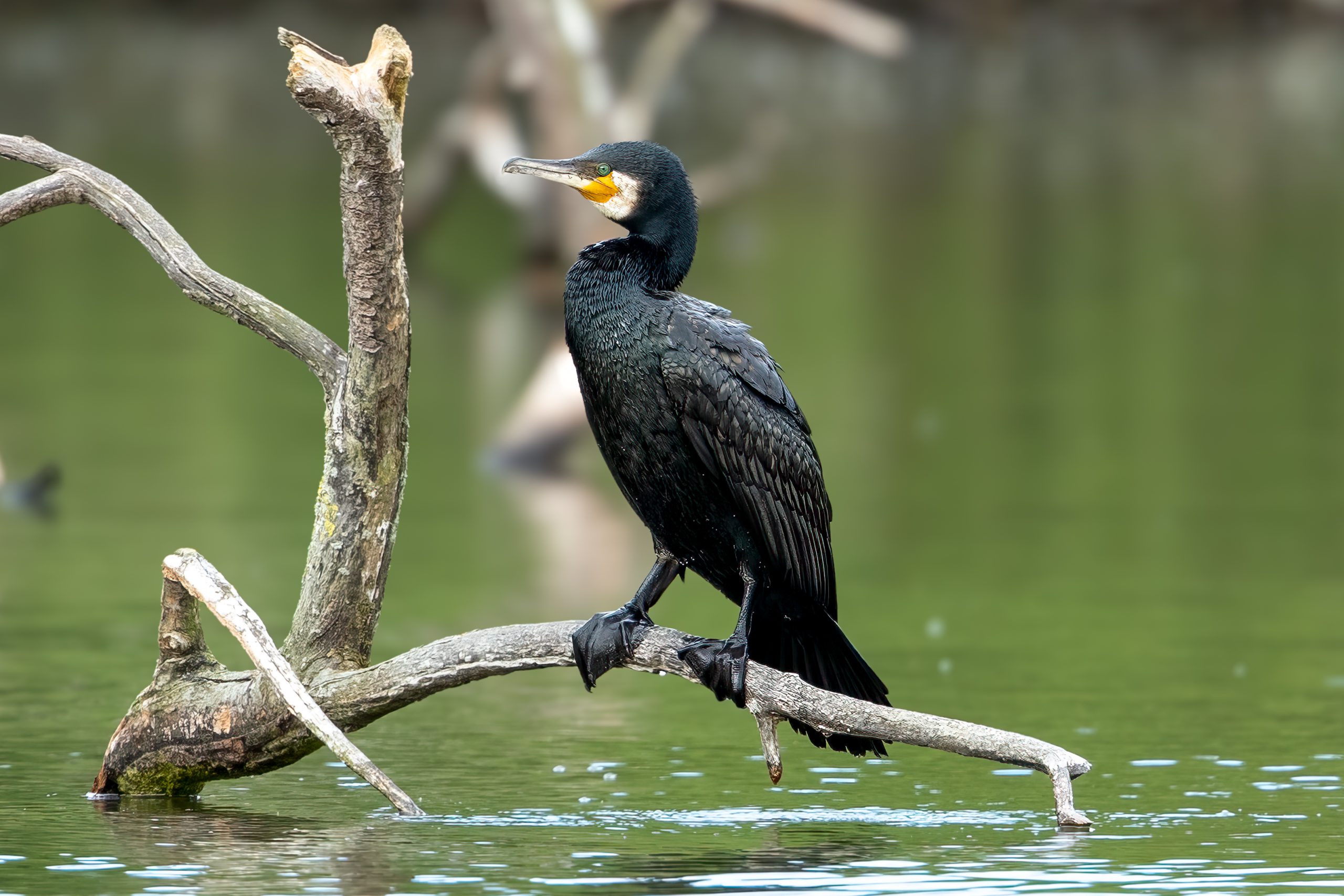
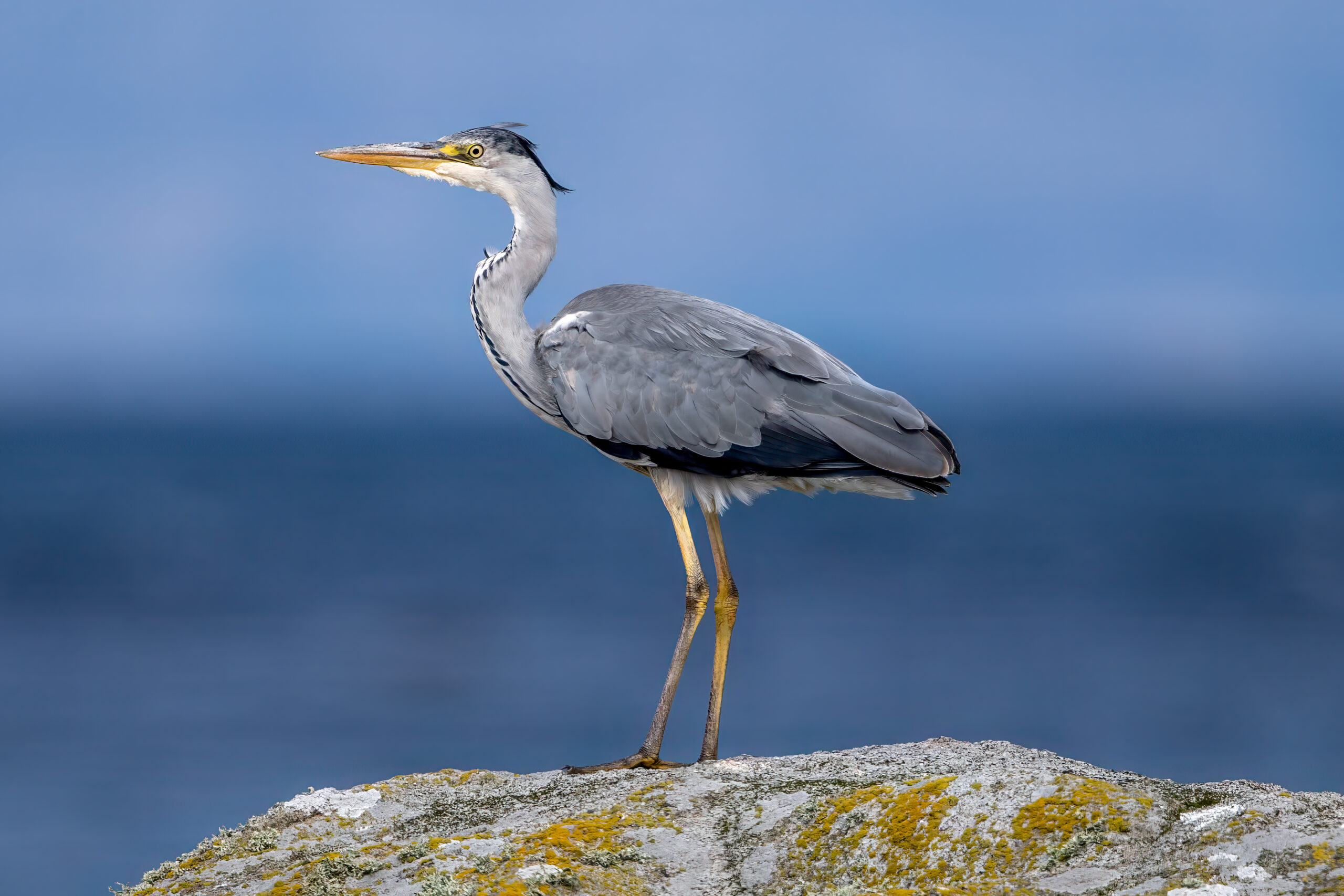
A long-term comparison of fish-eating birds in Czech fishponds found declining helminth parasite burdens in both great cormorants (Phalacrocorax carbo) and grey herons (Ardea cinerea), although the changes were much stronger in cormorants. The study was published online on 5 March 2026 in the International Journal for Parasitology.
Researchers compared helminth communities from the late 1990s with birds examined in 2022–2025. The material included 126 great cormorants and 577 grey herons. The study was designed around major changes in Central European fishponds, where aquaculture has increasingly favoured common carp (Cyprinus carpio) while diverse communities of other cyprinid and percid fishes have declined.
Carp-dominated diets coincided with sharp parasite declines in cormorants
In great cormorants, dietary data showed a clear shift. In 1997 the birds ate a mixture of so-called white fish and carp, whereas recent samples were dominated entirely by carp, including fish weighing more than 650 g. This change coincided with significant declines in the prevalence and intensity of several common helminths, including the digeneans Hysteromorpha triloba and Petasiger phalacrocoracis and the nematode Contracaecum rudolphii. Cormorants also carried fewer parasite species simultaneously.
Heron prevalence stayed steadier while infection intensity fell
Grey herons showed a different pattern. The prevalence of several major helminth taxa remained relatively stable across the decades, including Apharyngostrigea cornu, Uroproctepisthmium bursicola, Echinochasmus beleocephalus and Posthodiplostomum cuticola. Mean infection intensities nevertheless declined, and heavily infected individuals were no longer recorded in the recent material.
The authors link the contrast between the two birds to their feeding ecology. Cormorants depend more directly on fish stocks within the ponds, while grey herons use a broader range of habitats and food sources. They conclude that the simplification of fish communities caused by carp-dominated aquaculture can alter parasite transmission through the food web, with different effects on different fish-eating bird species.
Disease, parasites & microbiology
Related news
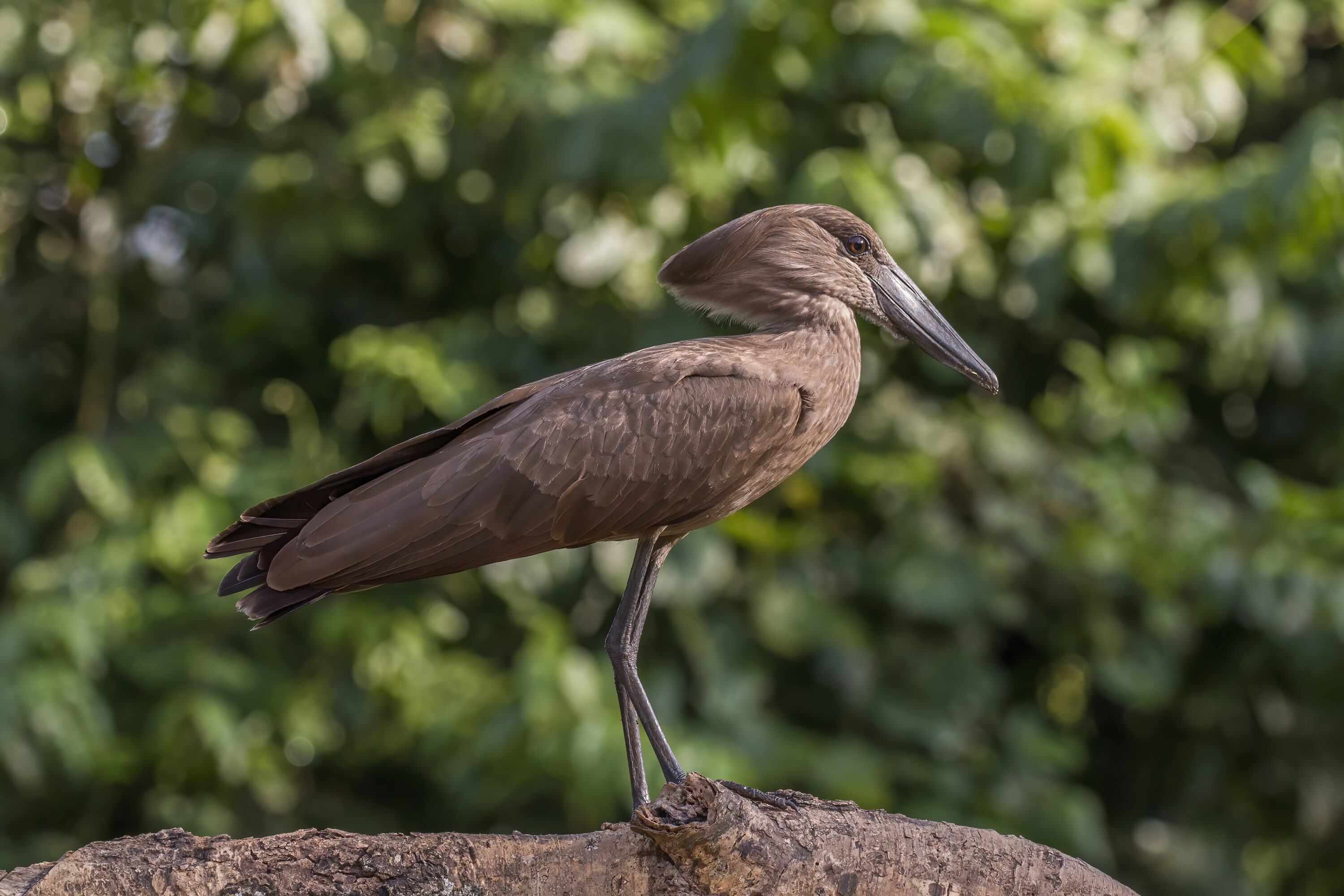
Haplorchis pumilio Was Found in Hamerkops and Great Cormorants in the Lake Victoria Basin
A 2026 Tanzanian study of intestinal trematodes in four fish-eating bird species detected Haplorchis pumilio in hamerkops and…
Read story →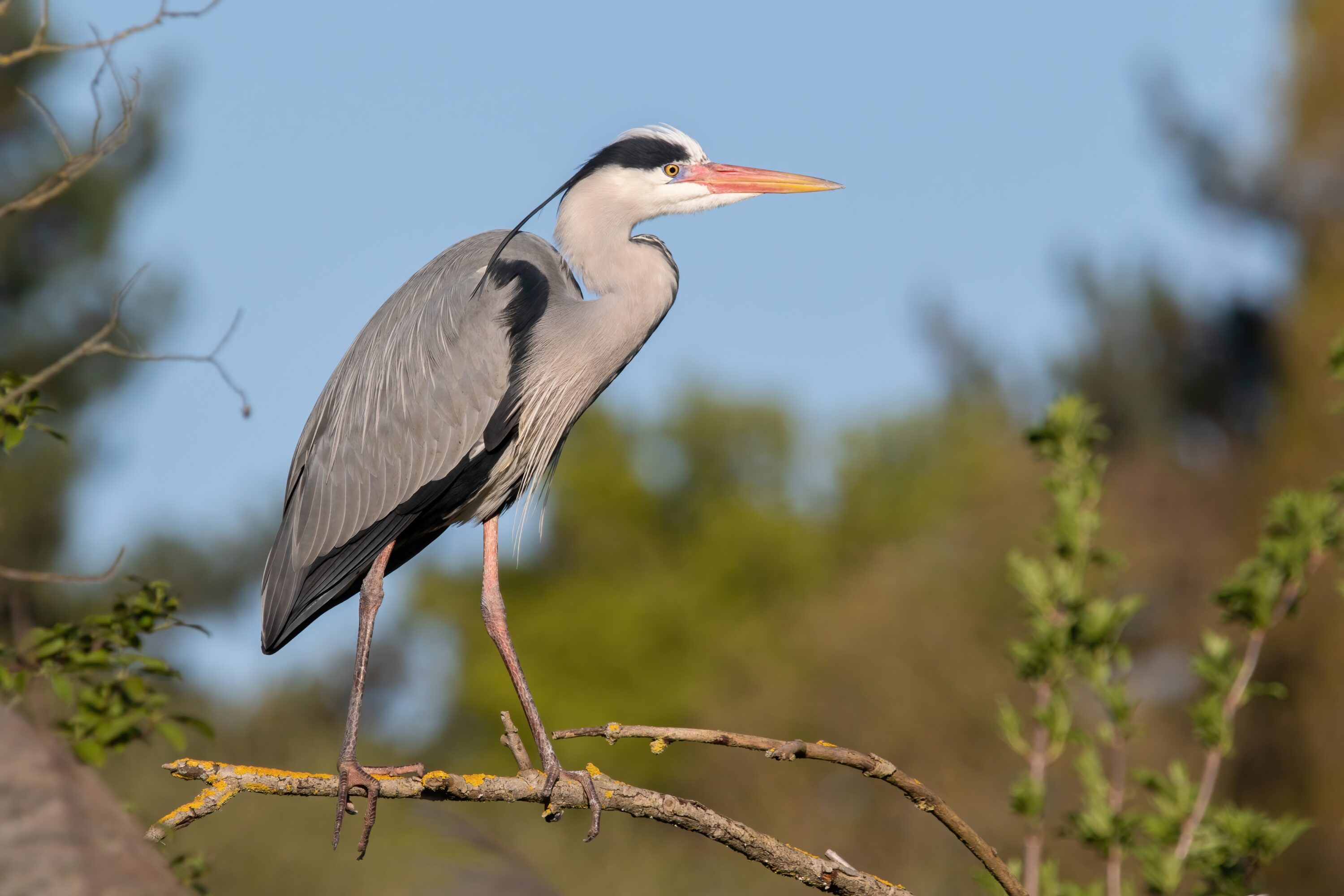
Three GPS-tracked Grey Herons Migrated Very Differently but Returned to the Same Breeding Grounds
GPS tracking of three adult grey herons breeding in Poland and Germany showed migration distances from 175 to…
Read story →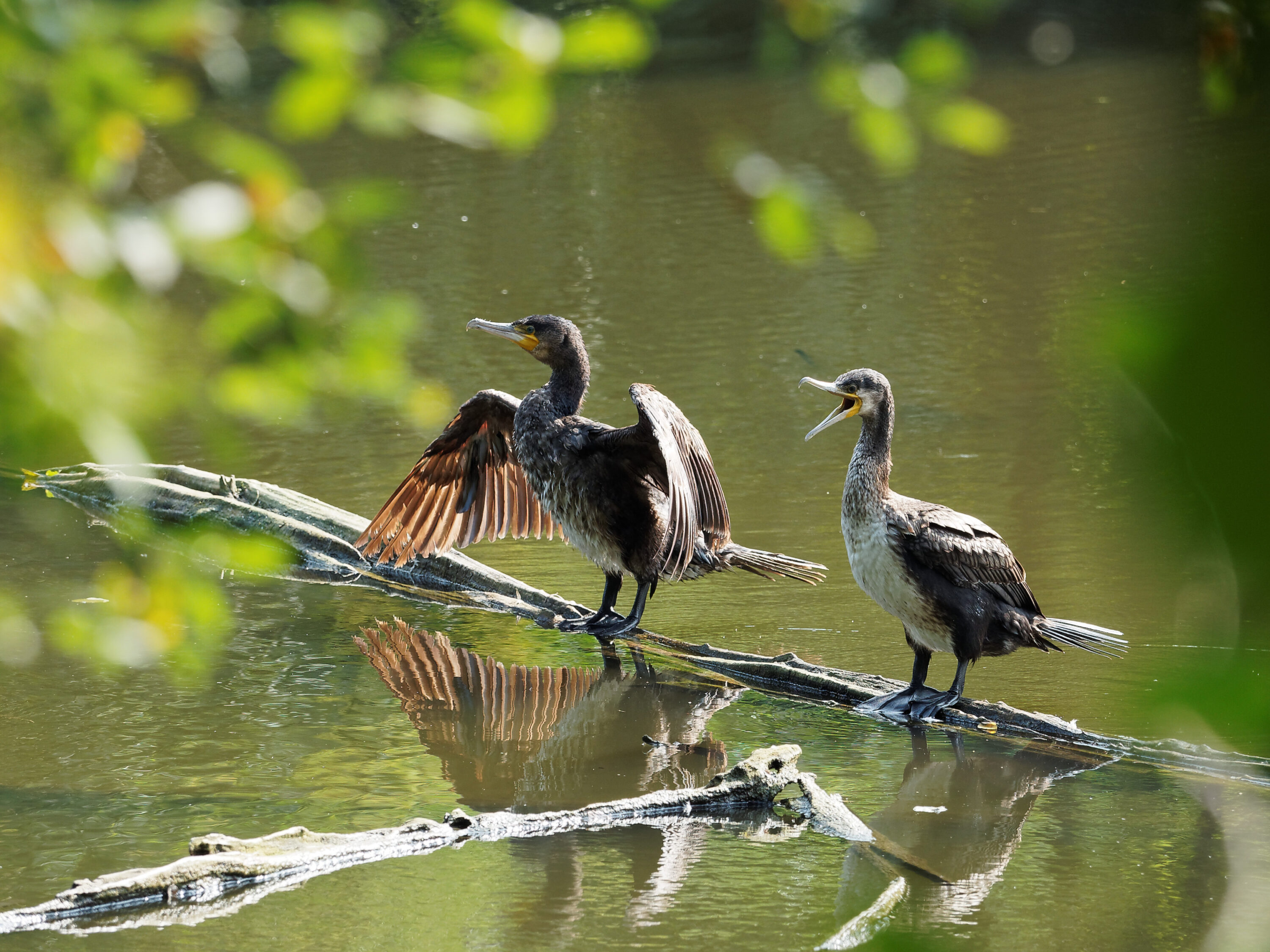
Great Cormorants Increased as Southern Baltic Diving Seabirds Stayed 40% Below Early-1990s Levels
A 35-year analysis of Polish Baltic winter surveys found strong growth in great cormorants, while the wider diving-seabird…
Read story →SPECIES IN THIS STORY
Species in this story
Independent research and conservation news archive
Did you find this information useful?
Wildlife Vagabond is independently built and maintained. Voluntary support helps cover source verification, hosting and continued work on research and conservation news.
Support Wildlife VagabondThe news archive will remain freely available.