
Corticosterone Was Elevated as Red Crossbills Prepared for Spring Migration
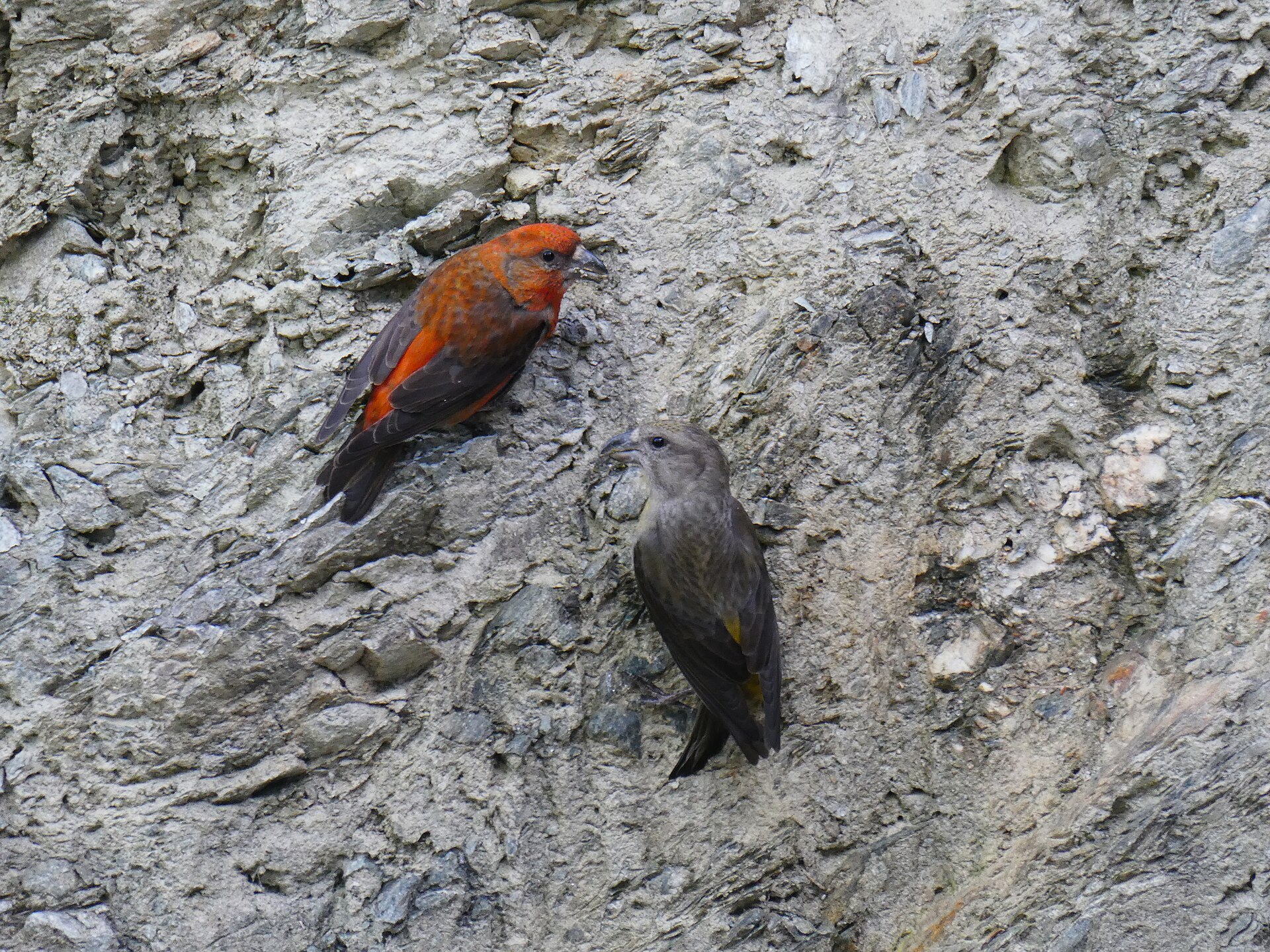
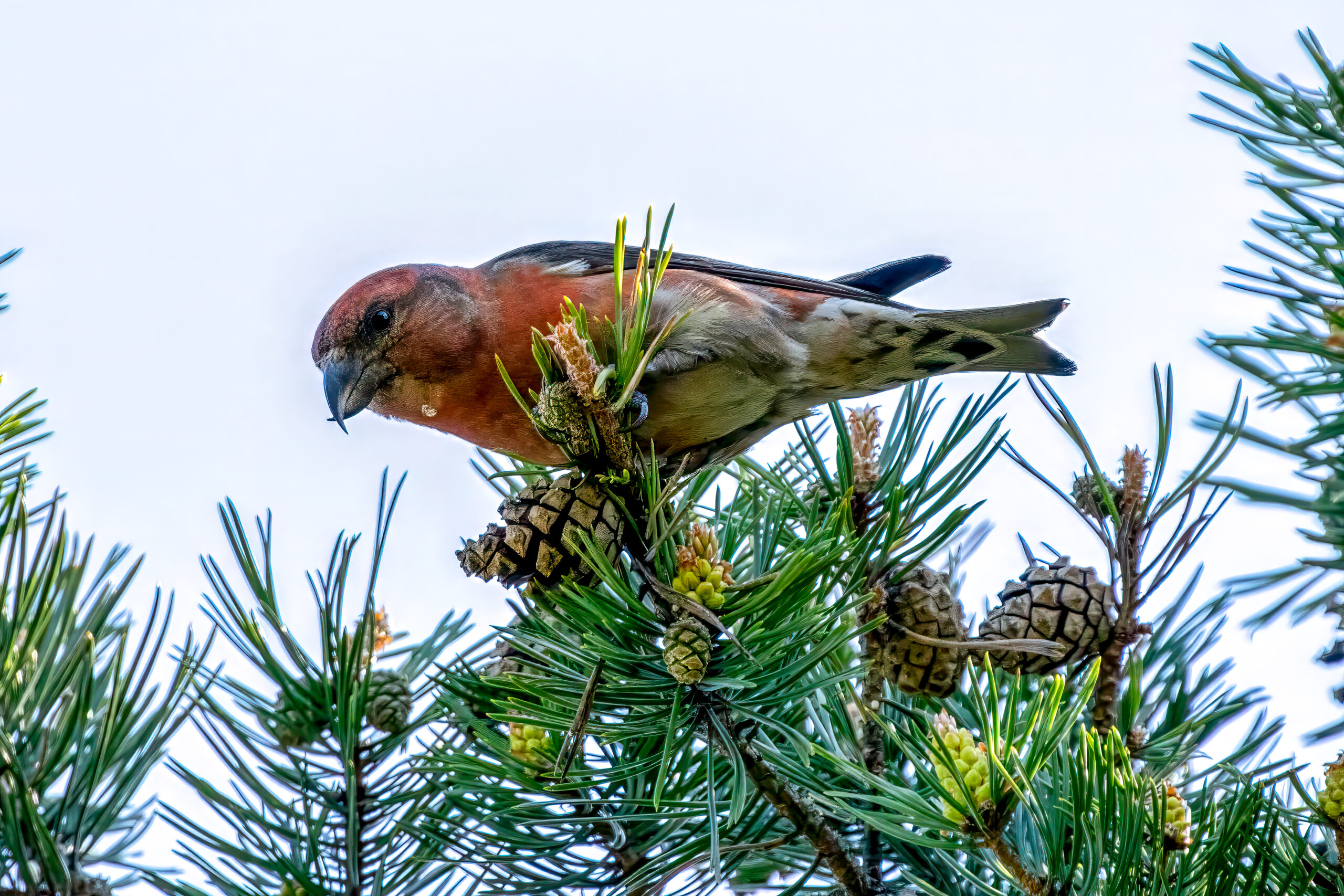
Red crossbills (Loxia curvirostra) are nomadic migrants that can breed at different times of year. Their flexible schedules make the transition between migration and breeding less predictable than in species with more regular annual cycles. Researchers examined whether two hormones previously implicated in migration, corticosterone and testosterone, changed alongside spring migration preparations in this flexible species.
They sampled wild-caught birds housed in outdoor aviaries in late April, early June and late June. The researchers measured body mass, fat depots under the skin and the profile of the pectoral muscles, which power flight. These are signs of the body’s preparation for migration; the study measured physiological readiness, not the birds’ actual departure. Body mass, fat and pectoral-muscle measures were higher in early June than in April and remained high in late June.
Plasma corticosterone was elevated alongside these preparations, consistent with the authors’ proposed role for the hormone in supporting or stimulating migration. Reproductive condition did not differ among sampling periods, and testosterone levels remained very low throughout. The results therefore point to corticosterone, rather than testosterone, as a possible part of the hormonal transition to spring migration in this seasonally flexible migrant.
Physiology
Related news
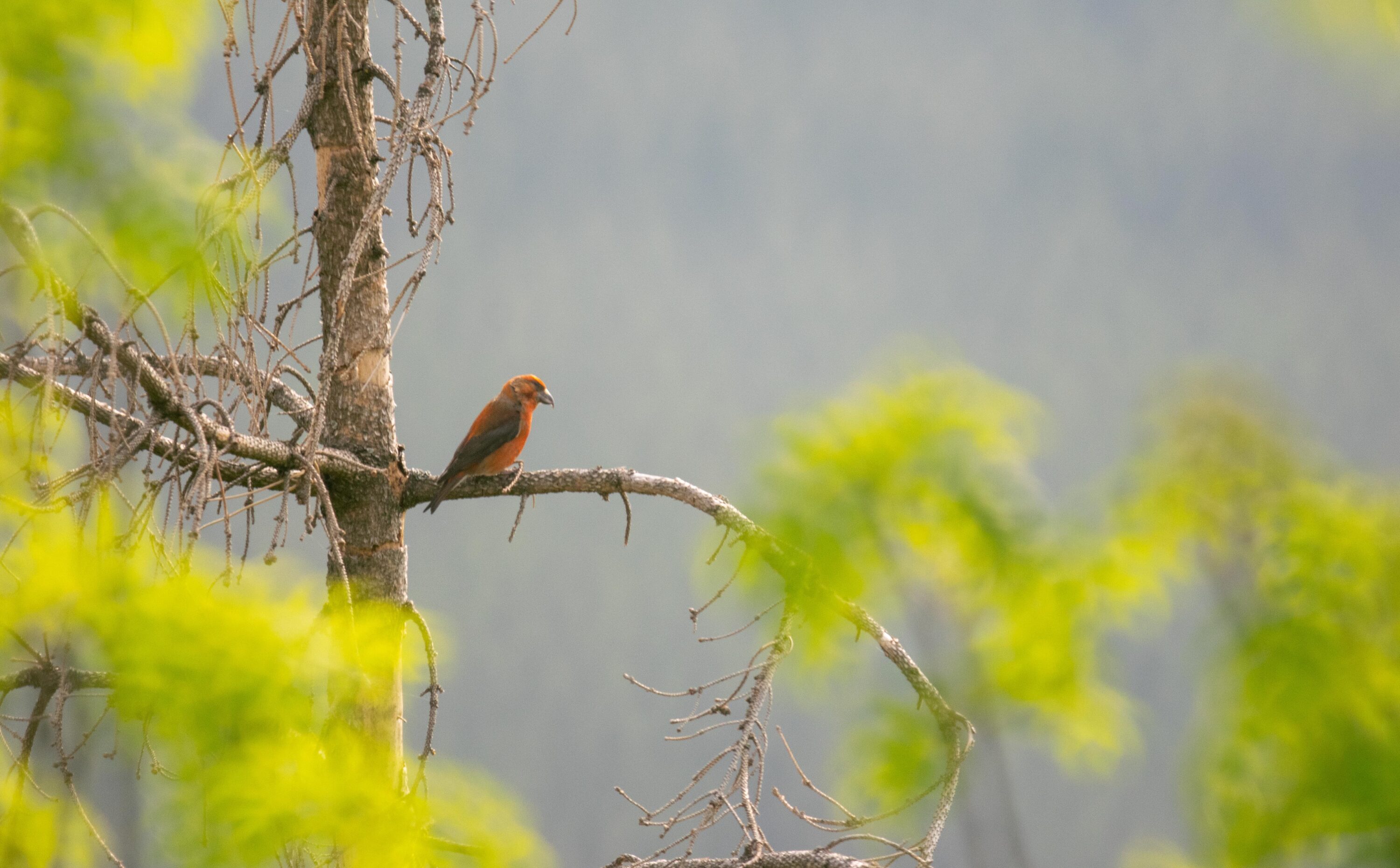
Red Crossbills Rapidly Increase Their Capacity to Produce Heat in the Cold
In a captive experiment, two Red Crossbill ecotypes increased their heat-producing capacity within days of cold exposure. The…
Read story →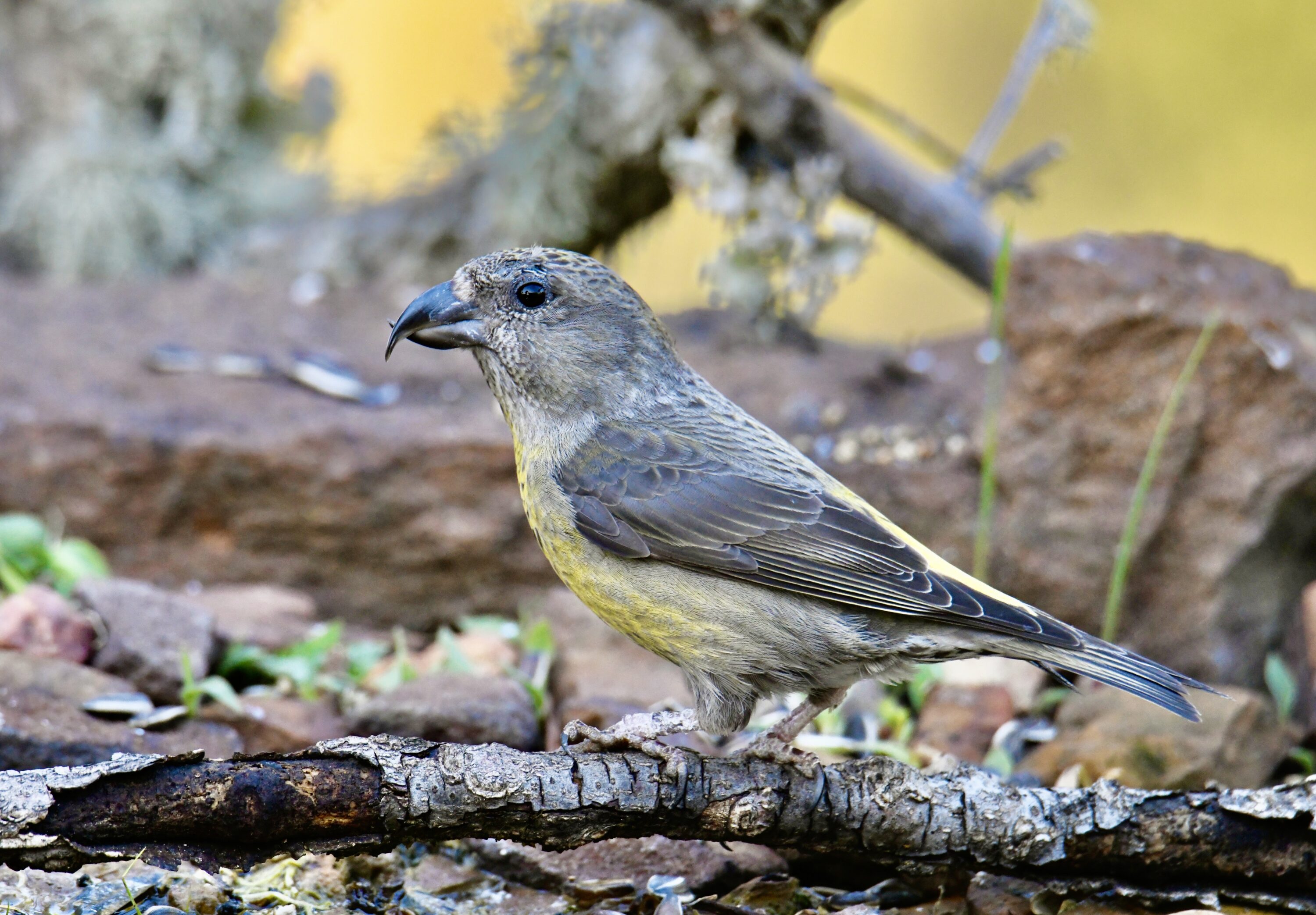
Red Crossbills Preferred Small Black Pine Cones, but Seed Predation Was Lower Where More Seeds Were Empty
Across nine sites on the Iberian Peninsula, red crossbills preferred black pines with many small, thin-scaled cones. Among…
Read story →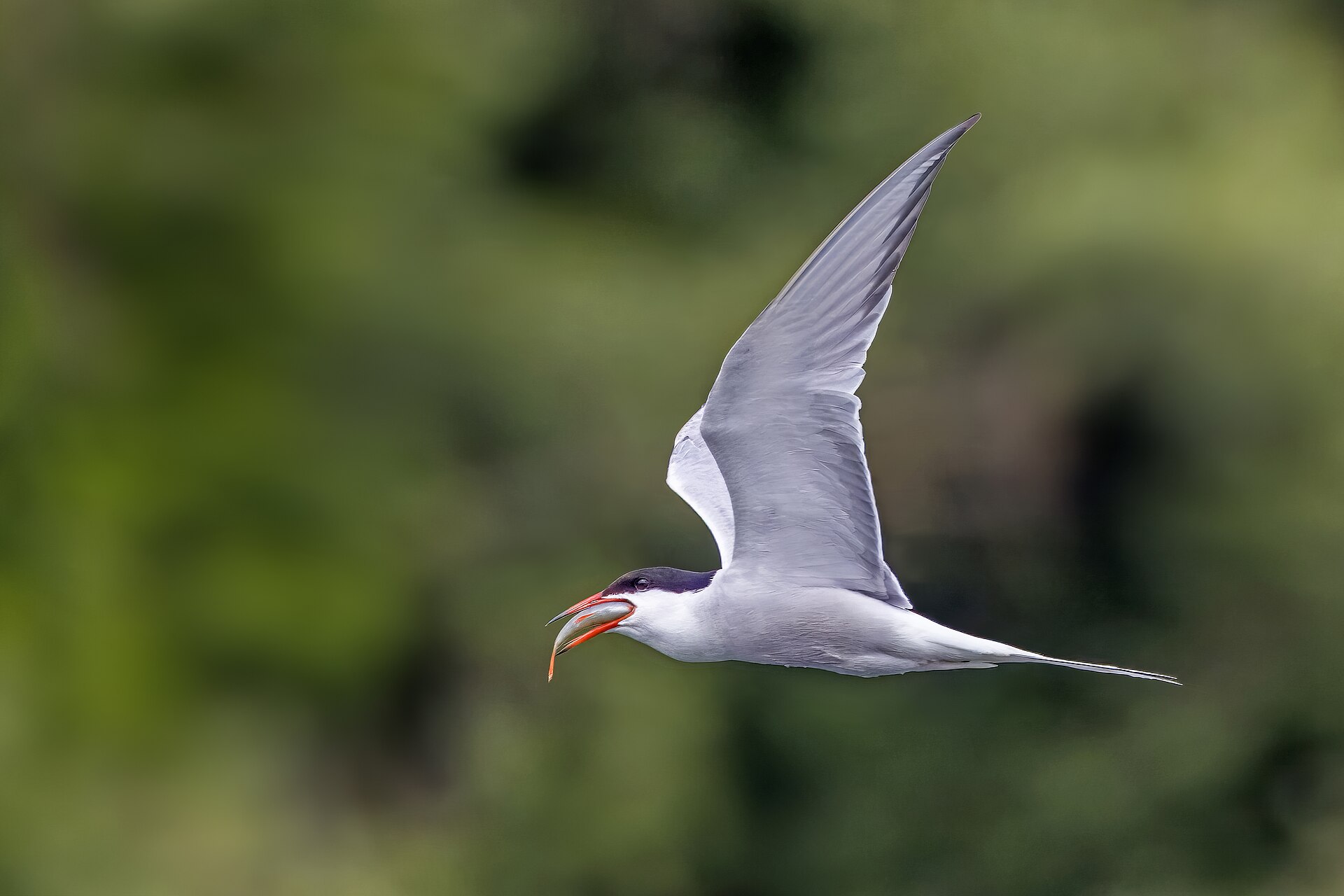
Mercury in common terns’ blood rose through the non-breeding season
At Punta Rasa, Argentina, blood mercury in common terns rose from December to April. Feeding-related isotope patterns also…
Read story →SPECIES IN THIS STORY
Species in this story
Independent research and conservation news archive
Did you find this information useful?
Wildlife Vagabond is independently built and maintained. Voluntary support helps cover source verification, hosting and continued work on research and conservation news.
Support Wildlife VagabondThe news archive will remain freely available.