
Huzhou Conservation Account Documented Five Years of Cotton Pygmy-Goose Breeding and Protection

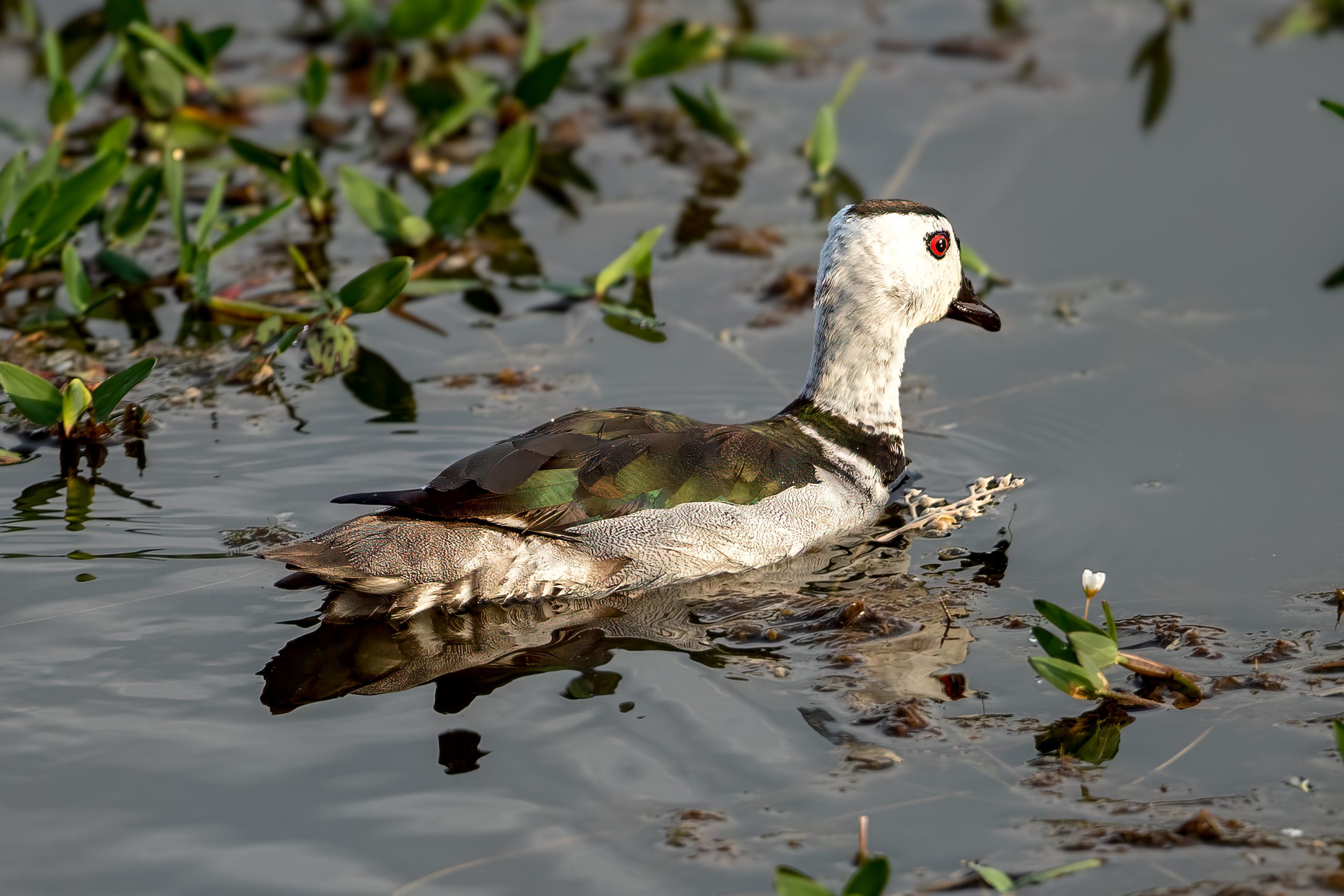
A local conservation account from Huzhou, Zhejiang, described five years of Cotton Pygmy-Goose (Nettapus coromandelianus) breeding and protection at a lotus-pond site undergoing redevelopment. On 29 June 2026, the group reported that chicks from the current breeding season had begun leaving the nest.
The same account says photographers first discovered the species at the site in 2021 and have since built up several hundred useful photographs and detailed notes covering courtship, nesting, egg laying, incubation and chick rearing. Because the source itself describes this as a five-year story despite the 2021–2026 calendar span, the record is best treated as the local group’s documented five-year monitoring and protection history rather than independently reconstructed as an exact sequence of breeding seasons.
Protection focused on a small breeding core
The Huzhou participants describe their approach as a “small-scale friendly zone”. Instead of closing a large area, they identify the most sensitive breeding core, retain vegetation, reduce avoidable disturbance and coordinate activity around the birds.
The site lies within an area of demolition and redevelopment, so protection depends heavily on cooperation with people using the surroundings. Local photographers, residents, construction workers, police and volunteer conservation patrols share observations and report disturbance, predators or other problems through an ecological co-governance group.
Local monitoring documented substantial losses before fledging
The 29 June account reports that more than 50 eggs were recorded during the previous breeding season, but only about one fifth ultimately hatched and produced young that continued to grow. Snakes and weasels were among the predators reported around the site.
These are observations from the local monitoring group, not results from a formal demographic study. They therefore describe one breeding site and should not be used as a general estimate of reproductive success for Cotton Pygmy-Geese.
Later observations confirmed several broods in 2026
A local follow-up published on 3 July reported photographs taken the previous day of a female with seven or eight chicks among the lotus leaves. On 8 July, ECNS reported several broods at the Huzhou site; one photographer said he had recorded one brood of eight chicks and eight newly observed chicks that day.
Those observations confirm successful breeding at the site in 2026. They do not demonstrate that the wider population is increasing, even though local observers interpreted the repeated breeding positively.
The strongest conclusion is therefore local: the Huzhou accounts document a multi-year breeding and monitoring history at the same small wetland, alongside a community-based system designed to reduce avoidable disturbance during breeding while allowing ordinary activity to continue outside the sensitive core.
Management
Related news
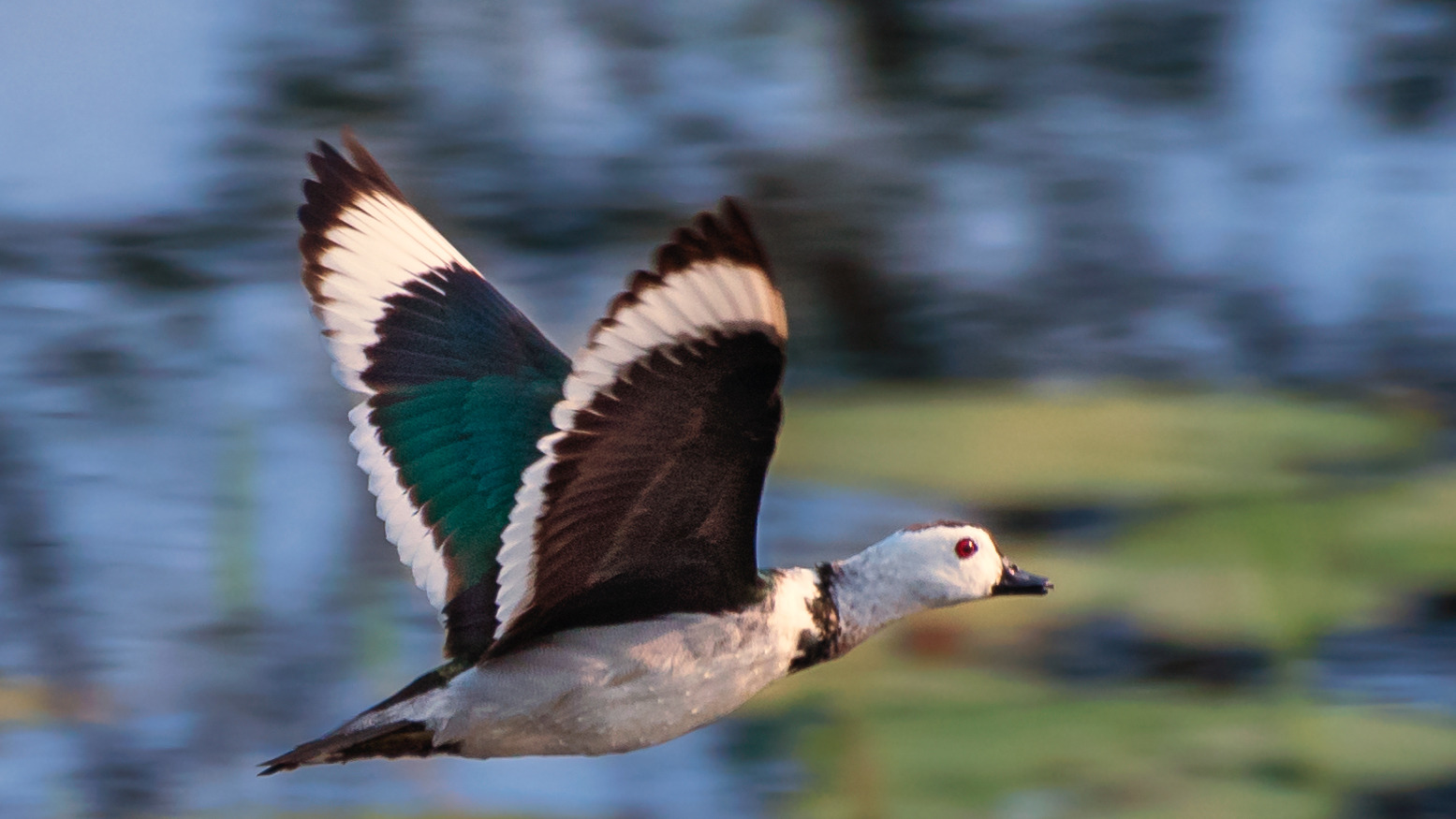
Updated India Index Estimated a 54.6% Long-term Decline for Cotton Pygmy-Goose
The 2025 State of India’s Birds interim update estimated a −54.6% long-term trend and a current annual trend…
Read story →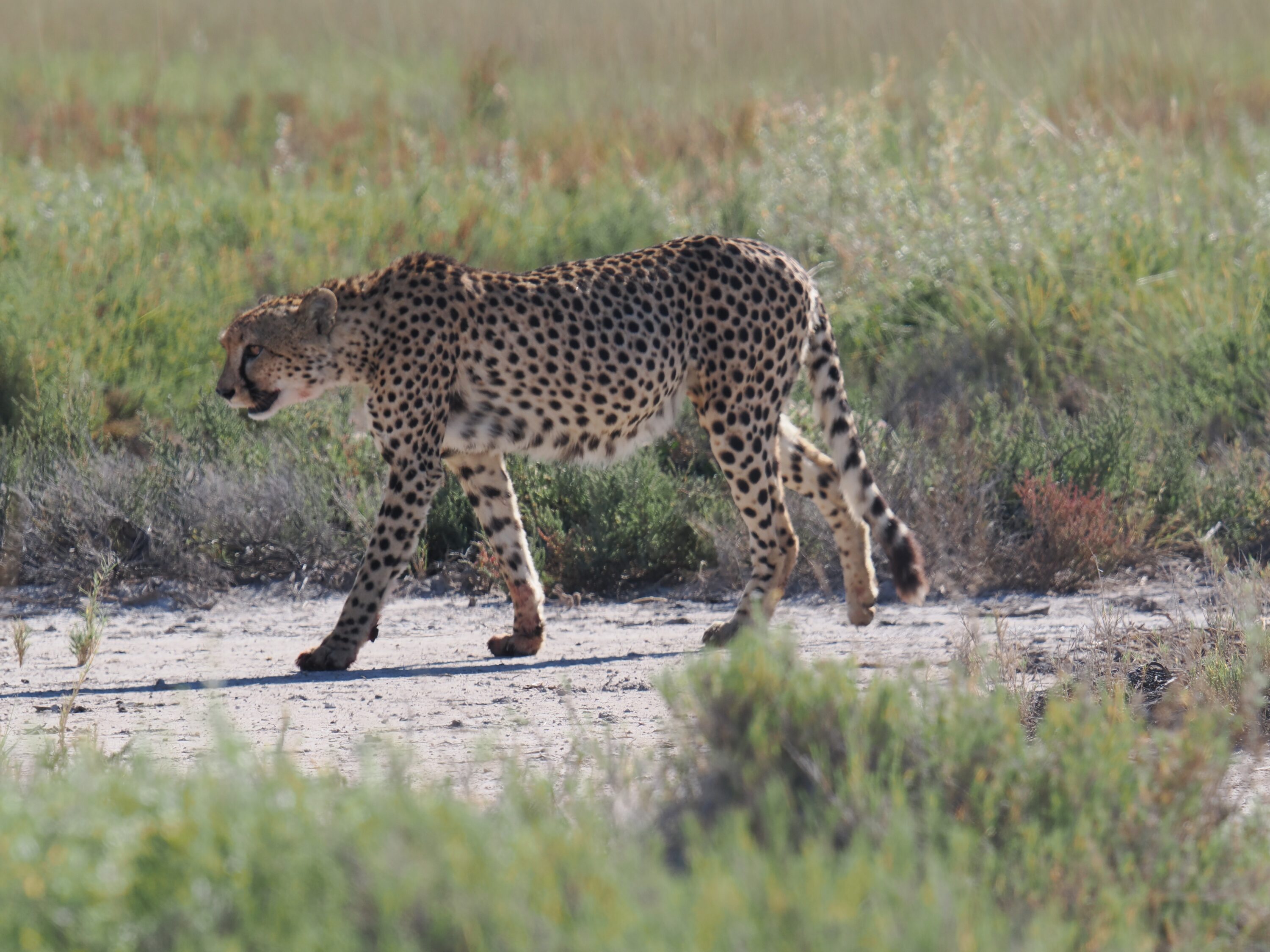
India’s Cheetah Project Sparked Debate Over Deaths, Transparency and Whose Expertise Counted
A review of 28 documents about Project Cheetah in India found sharply different accounts of its conservation goals,…
Read story →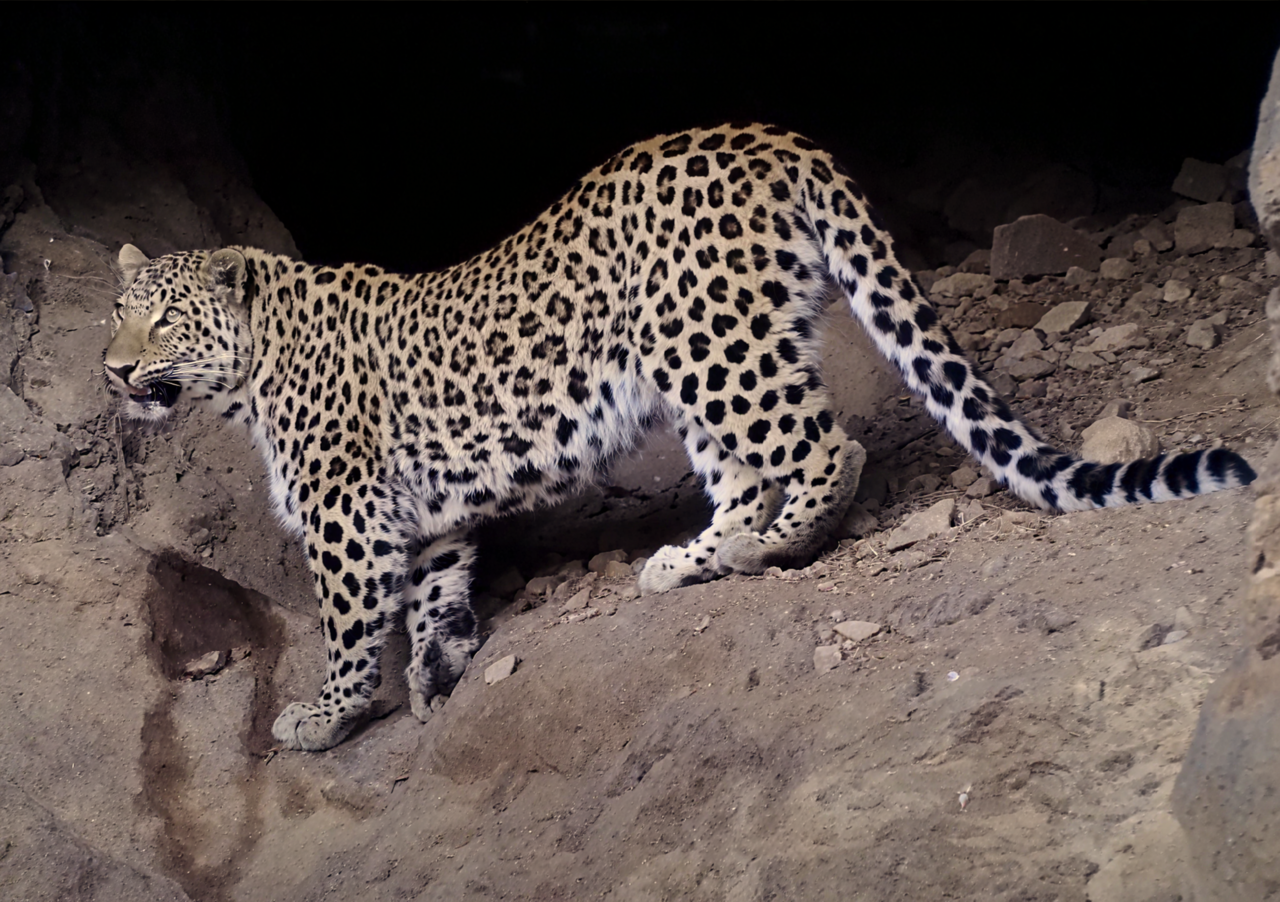
Living With Carnivores Is About More Than Livestock Losses
Near Iran’s Golestan National Park, researchers explored what was associated with people’s willingness to accept leopards, wolves and…
Read story →SPECIES IN THIS STORY
Species in this story
Independent research and conservation news archive
Did you find this information useful?
Wildlife Vagabond is independently built and maintained. Voluntary support helps cover source verification, hosting and continued work on research and conservation news.
Support Wildlife VagabondThe news archive will remain freely available.