
Ring Ouzel nests let heat through more readily than blackbird and song thrush nests
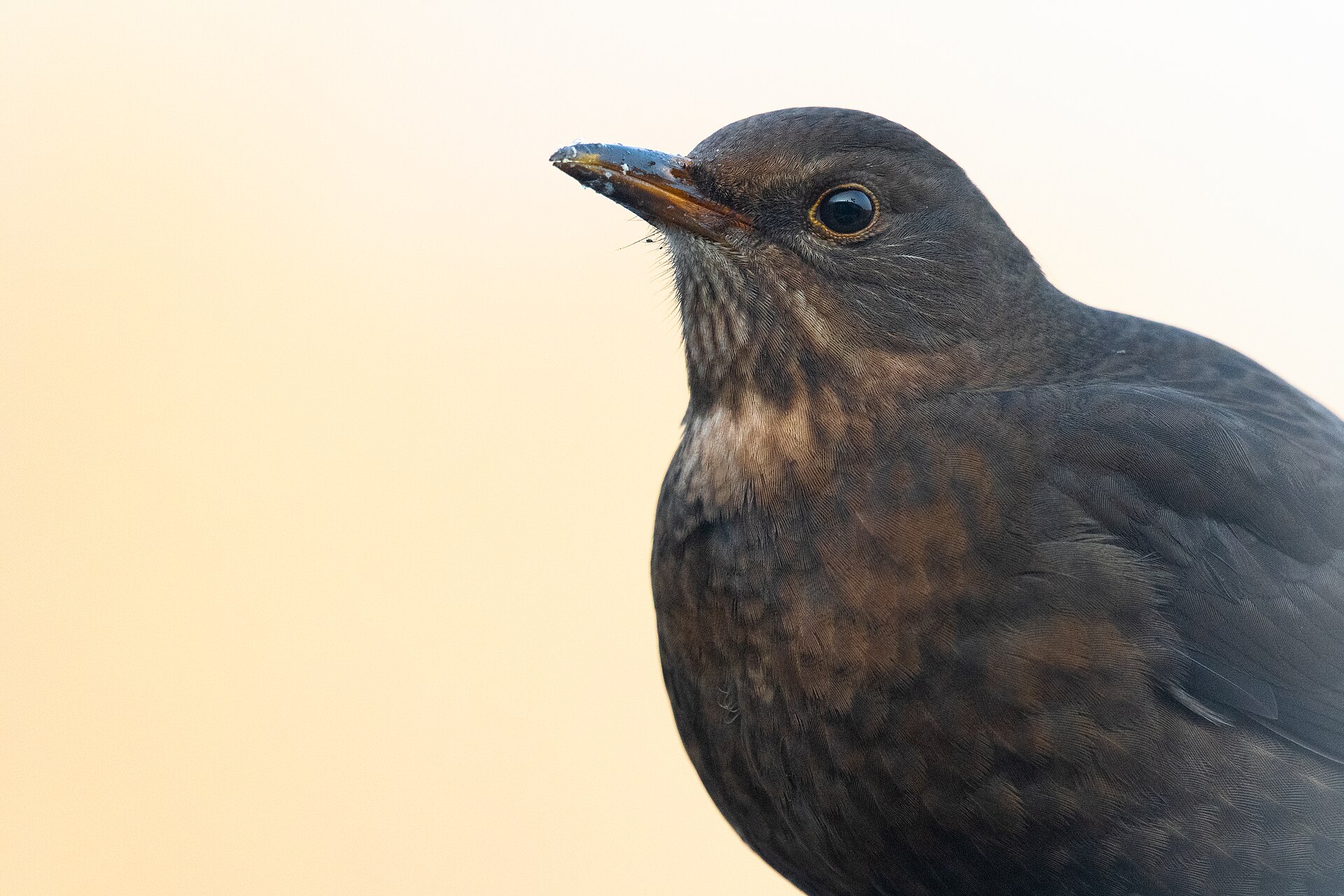
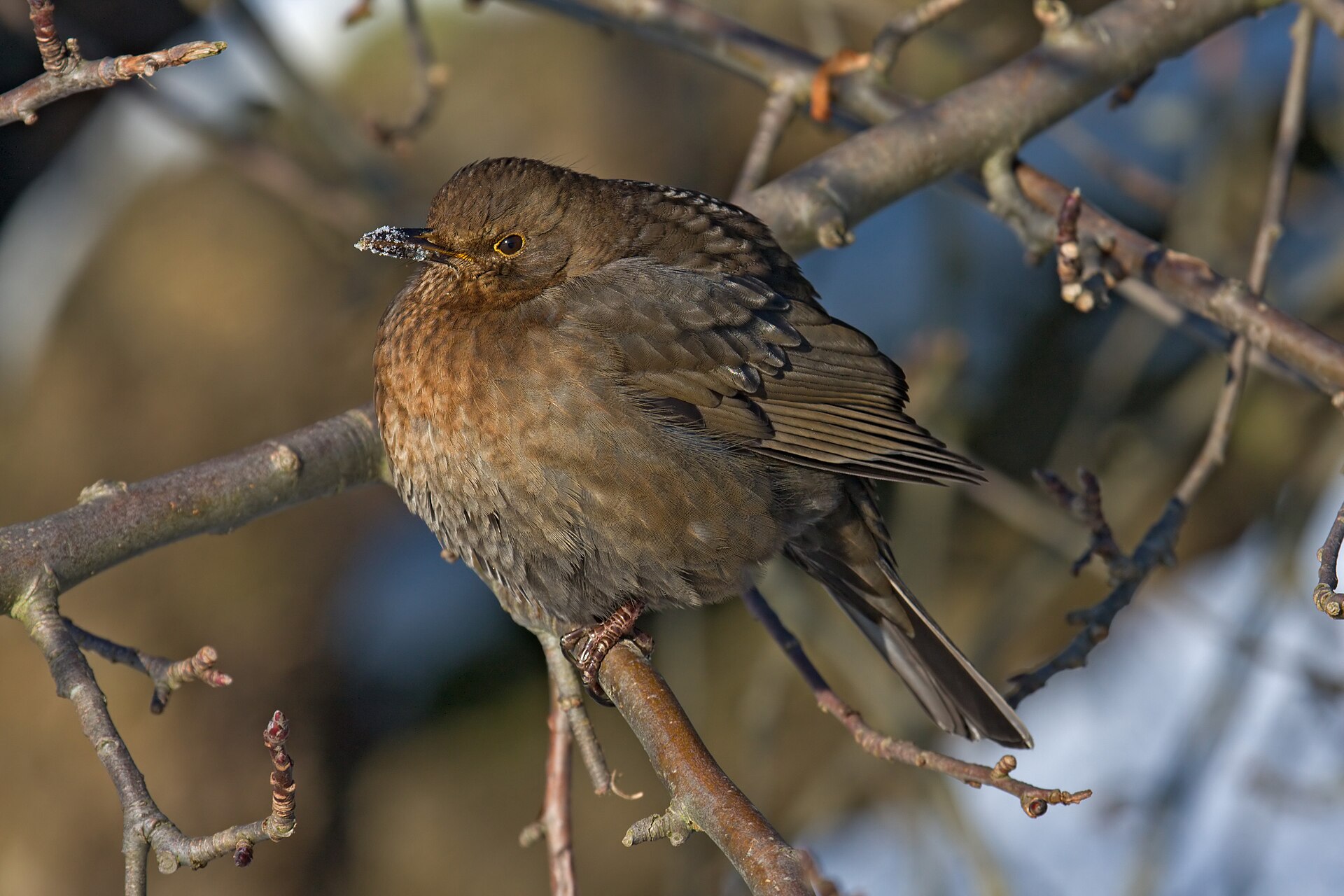
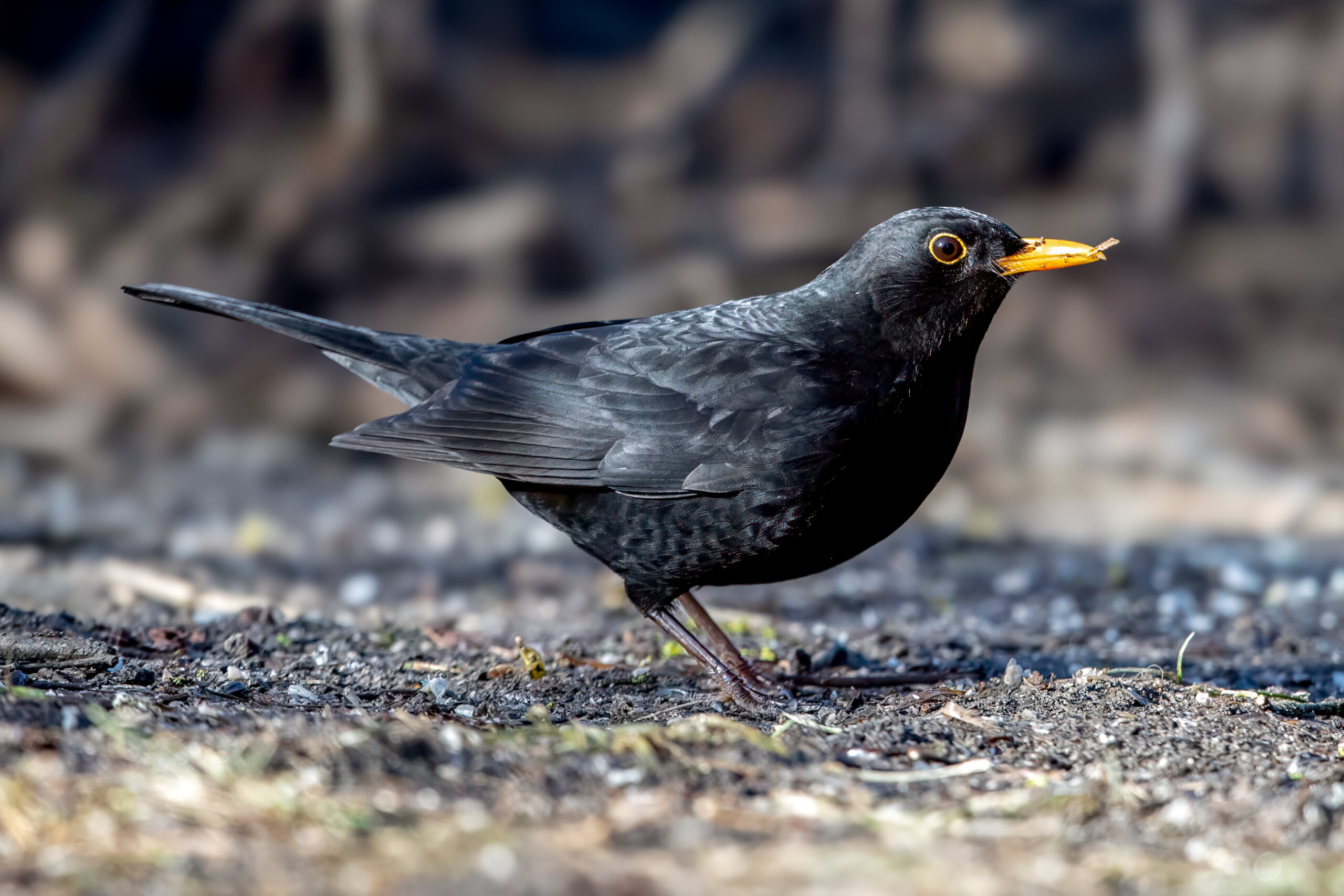
Nest walls do more than hold a cup together: their structure affects how readily heat passes through. A study published on 18 November 2026 compared the walls of nests built by Ring Ouzels (Turdus torquatus), Eurasian Blackbirds (Turdus merula) and Song Thrushes (Turdus philomelos). Researchers tested 12 Ring Ouzel nests collected after the breeding season in Great Britain and compared their measurements with previously published results for the other two species.
Ring Ouzel nests conducted more heat
To measure heat transfer, researchers placed a 3-watt bulb inside each collected nest and warmed the cup in a wind tunnel, where air movement was minimized. They measured temperatures at four positions across the wall. From the temperature difference between the inside and outside, they calculated thermal conductance: how readily heat passes through a structure. Higher conductance means heat flows through more easily.
Ring Ouzel nests had significantly higher thermal conductance than either Eurasian Blackbird or Song Thrush nests. The blackbird and Song Thrush values did not differ significantly from each other. Those comparisons used measurements from earlier studies, which had tested the other species with the same apparatus and method.
Heat did not pass evenly through a Ring Ouzel nest wall. The largest temperature drop occurred across the inner mud cup—about three and a half times the drop across the grass lining and five times the drop across the outer wall. The temperature profile through the Ring Ouzel wall was statistically indistinguishable from the blackbird’s, but differed from the Song Thrush’s.
The nest structures help put that contrast in context. Ring Ouzels and blackbirds build a grass-lined cup with an inner mud wall, while a Song Thrush uses a cup made of wood pulp and has no separate lining. The different temperature profiles therefore correspond to different arrangements of nest-wall layers.
Wall thickness mattered across species, but not among Ring Ouzel nests
Across the three species, thicker nest walls were associated with lower thermal conductance. Wall thickness did not explain the species differences on its own, however: species still affected conductance in the comparison that accounted for wall thickness. Within the 12 Ring Ouzel nests, conductance was not significantly related to the measured nest dimensions, and it did not differ significantly between the two collection sites. Nest mass also did not explain the differences across species.
Nest insulation can help maintain a suitable microclimate for eggs and chicks. This experiment isolated heat transfer through collected nest walls under controlled conditions; it did not measure temperatures in occupied nests or test effects on eggs, nestlings or breeding success.
Ecology
Related news
An introduced mosquito and bird malaria point to local transmission on Rangitāhua
On Rangitāhua, about 1,000 km northeast of mainland New Zealand, researchers found an introduced mosquito alongside malaria parasites…
Read story →
Fieldfare and Song Thrush Confirmed as New Intermediate Hosts of Sarcocystis turdusi
Across 72 dead thrushes from Lithuania and Russia’s Kaliningrad region, DNA confirmed fieldfare and song thrush as new…
Read story →
Habitat and Prey Traits Shaped Sparrowhawk Diet Around 62 Czech Nests
A 2026 Czech study of 1,107 prey items from 62 Eurasian sparrowhawk nests found that diet composition varied…
Read story →SPECIES IN THIS STORY
Species in this story

Independent research and conservation news archive
Did you find this information useful?
Wildlife Vagabond is independently built and maintained. Voluntary support helps cover source verification, hosting and continued work on research and conservation news.
Support Wildlife VagabondThe news archive will remain freely available.