
Camera Traps Found No Population-level Pattern of Coordinated Hunting Between Coyotes and Badgers
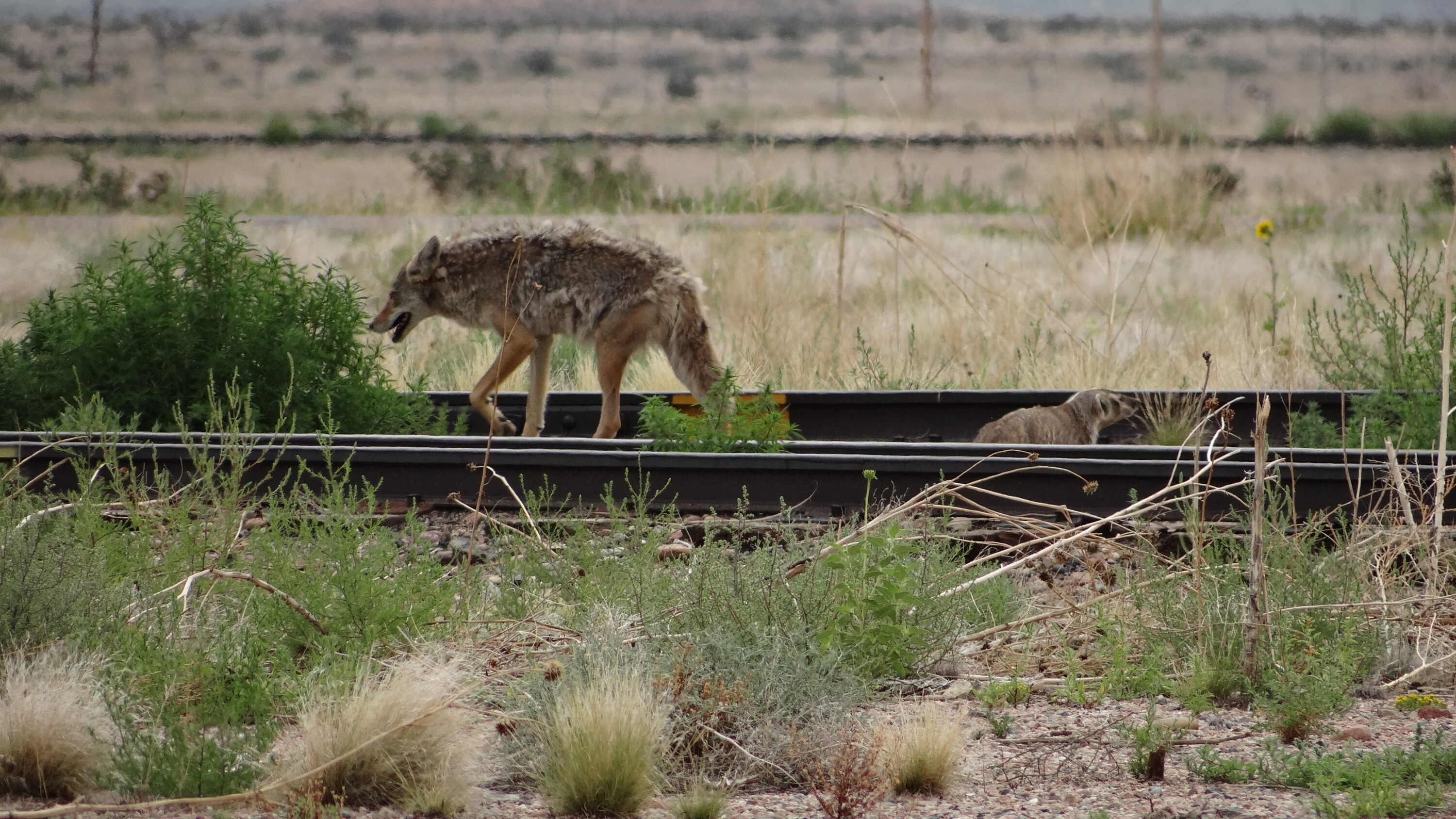
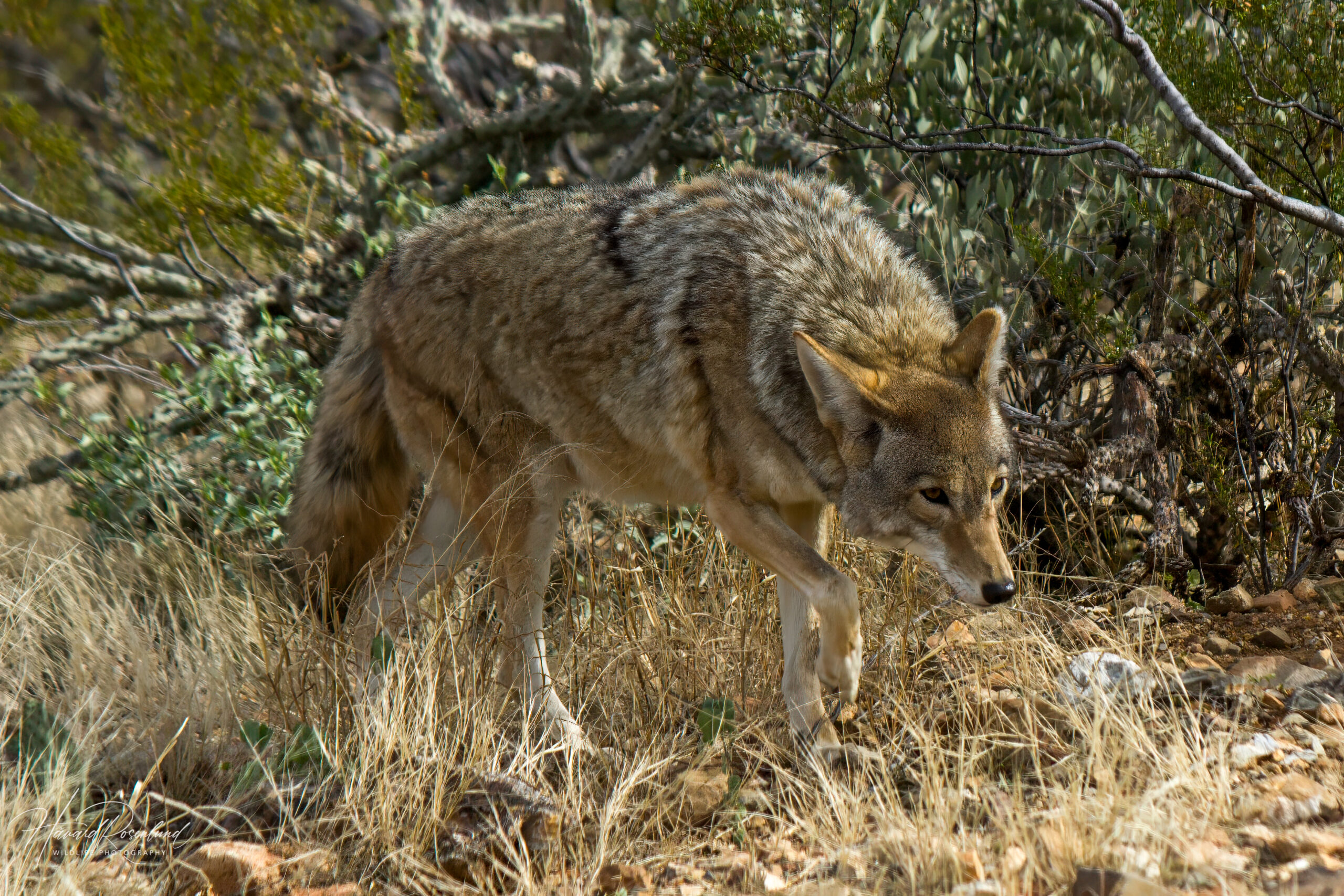
Coyotes (Canis latrans) and American badgers (Taxidea taxus) are famous for occasionally hunting burrowing prey together, but a broad camera-trap study in western Kansas, USA found no population-level pattern consistent with frequent coordinated hunting. The study was first published on 30 March 2026 in Wildlife Letters.
The researchers analysed a three-year dataset from 381 camera stations across western Kansas. Rather than trying to prove individual cooperative hunts from photographs, they asked whether cooperation was common enough to leave a detectable pattern in where and when the two species appeared.
Same-day detections were far rarer than expected
Among 3,258 site-days on which at least one of the species was detected, coyotes occurred on 72.9% and badgers on 31.7%. Both species were recorded at the same site on the same day only 4.6% of the time. That was about one-fifth of the frequency expected if their detections were independent, indicating reduced fine-scale spatiotemporal overlap rather than a positive association.
The two species nevertheless had very similar daily activity patterns. Their estimated overlap in activity time was 0.94 on a scale where 1 represents complete overlap. Similar activity periods alone therefore did not translate into frequent use of the same places at the same time.
Only 25 cross-species detections occurred within 30 minutes
Short-term sequences provided the same picture. Only 25 cross-species detections occurred within 30 minutes at the same camera site, compared with an average of about 350 in the study’s randomised null model. There was also no directional pattern showing that badgers regularly followed coyotes or coyotes regularly followed badgers.
The authors conclude that the large-scale data are more consistent with behavioural independence than with coordinated or mutually facilitative hunting at the population level. They suggest that widely known observations of the two species hunting together may represent opportunistic interactions that occur under particular ecological conditions rather than a routine association across the landscape.
The researchers explicitly note that the camera-based analysis cannot rule out rare cooperative hunts. Such events may still occur, particularly where burrowing prey are concentrated. Prairie dog colonies, a setting linked to earlier observations of coordinated hunting, occurred at only 2.6% of camera sites in this study. The study therefore shows that cooperative events were not common enough across the western Kansas camera network to produce the spatial and temporal patterns expected from widespread coordination.
Behaviour
Related news
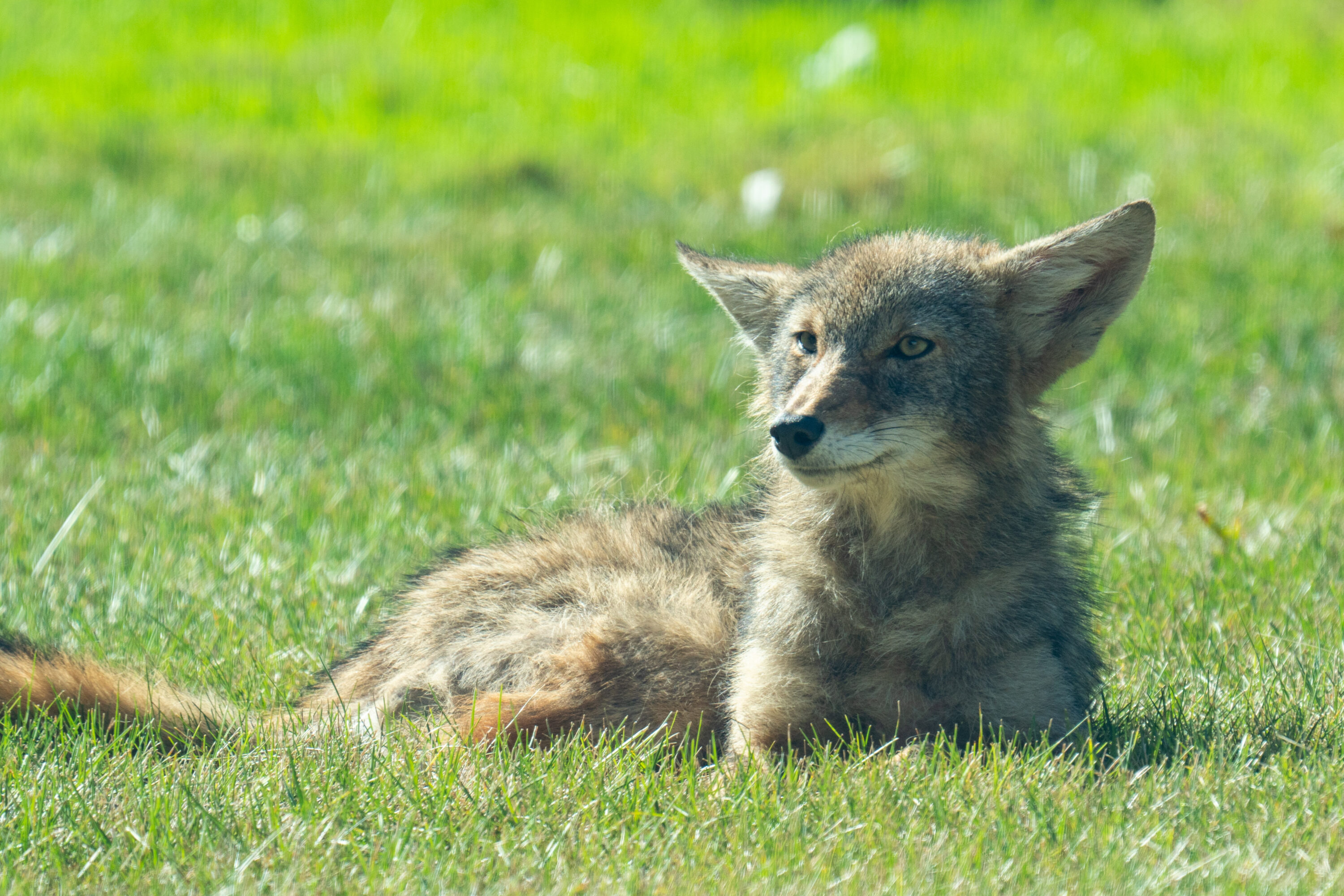
Coyotes Increased Across Illinois Over Four Decades, but County Trends Varied
Four long-running Illinois surveys together showed a statewide coyote increase from 1980–2023, while county-level populations followed more variable…
Read story →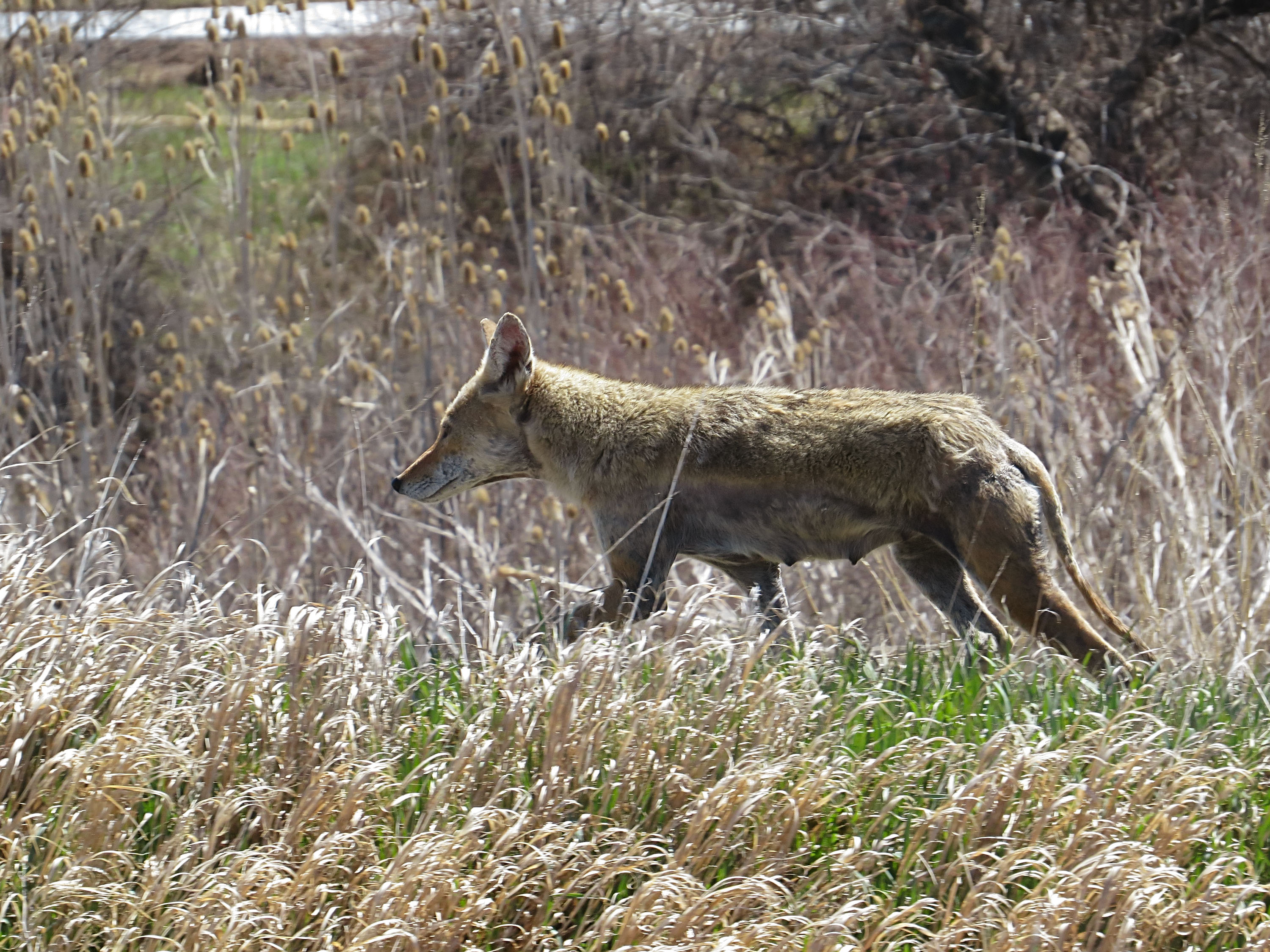
Mange in Coyotes Varied With Urban Density and Habitat Connectivity Across North American Cities
Camera-trap data linked visible mange in coyotes to urban intensity and habitat connectivity at two spatial scales, while…
Read story →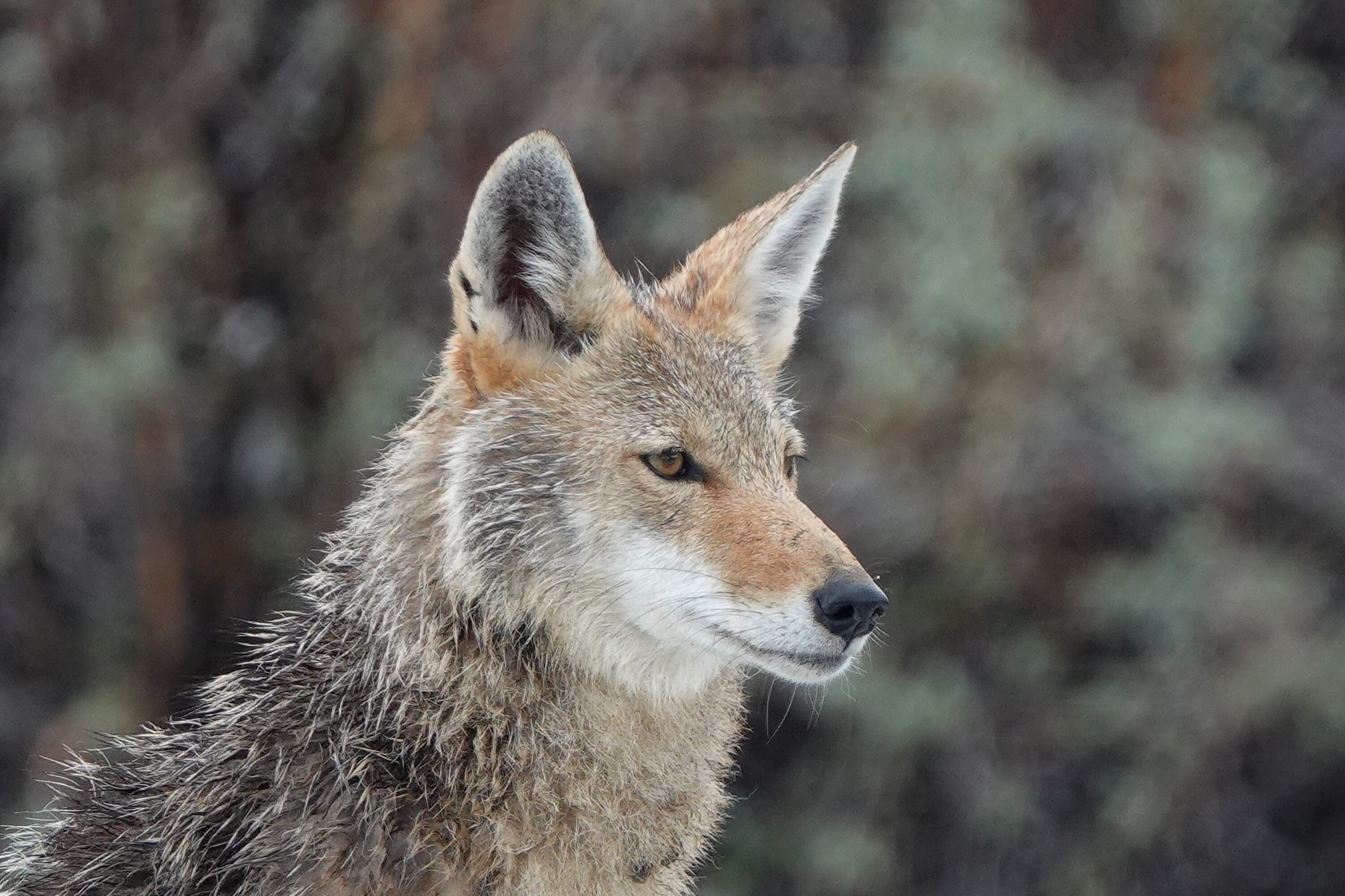
Coyotes Chose Steep Slopes and Stable Soils for Dens in Elk Island National Park
A study of 42 coyote dens in Elk Island National Park found that steep slopes, stable soils and…
Read story →SPECIES IN THIS STORY
Species in this story
Independent research and conservation news archive
Did you find this information useful?
Wildlife Vagabond is independently built and maintained. Voluntary support helps cover source verification, hosting and continued work on research and conservation news.
Support Wildlife VagabondThe news archive will remain freely available.