
Direct Coyote Encounters Were Linked to More Positive Attitudes in Cook and Los Angeles Counties
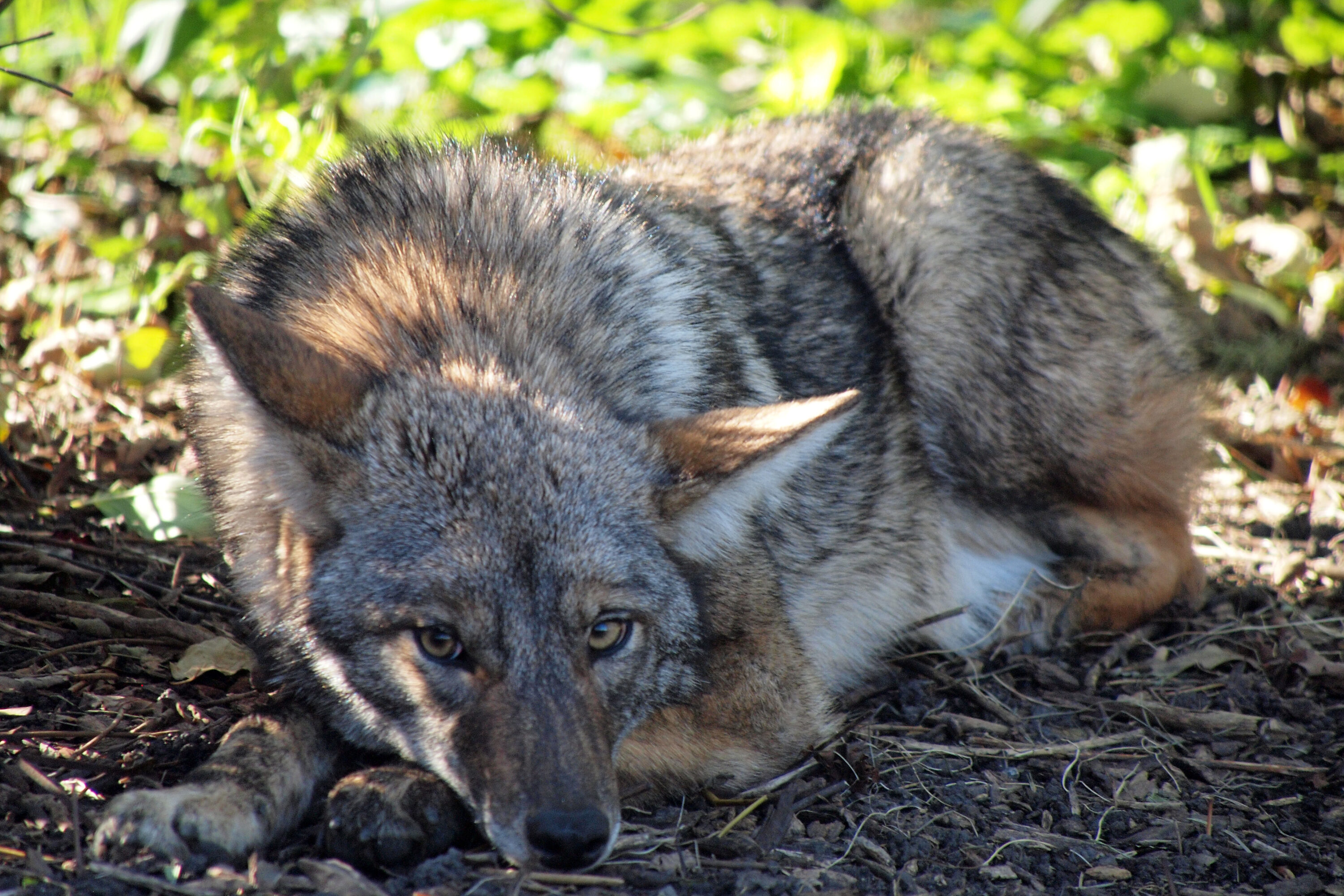
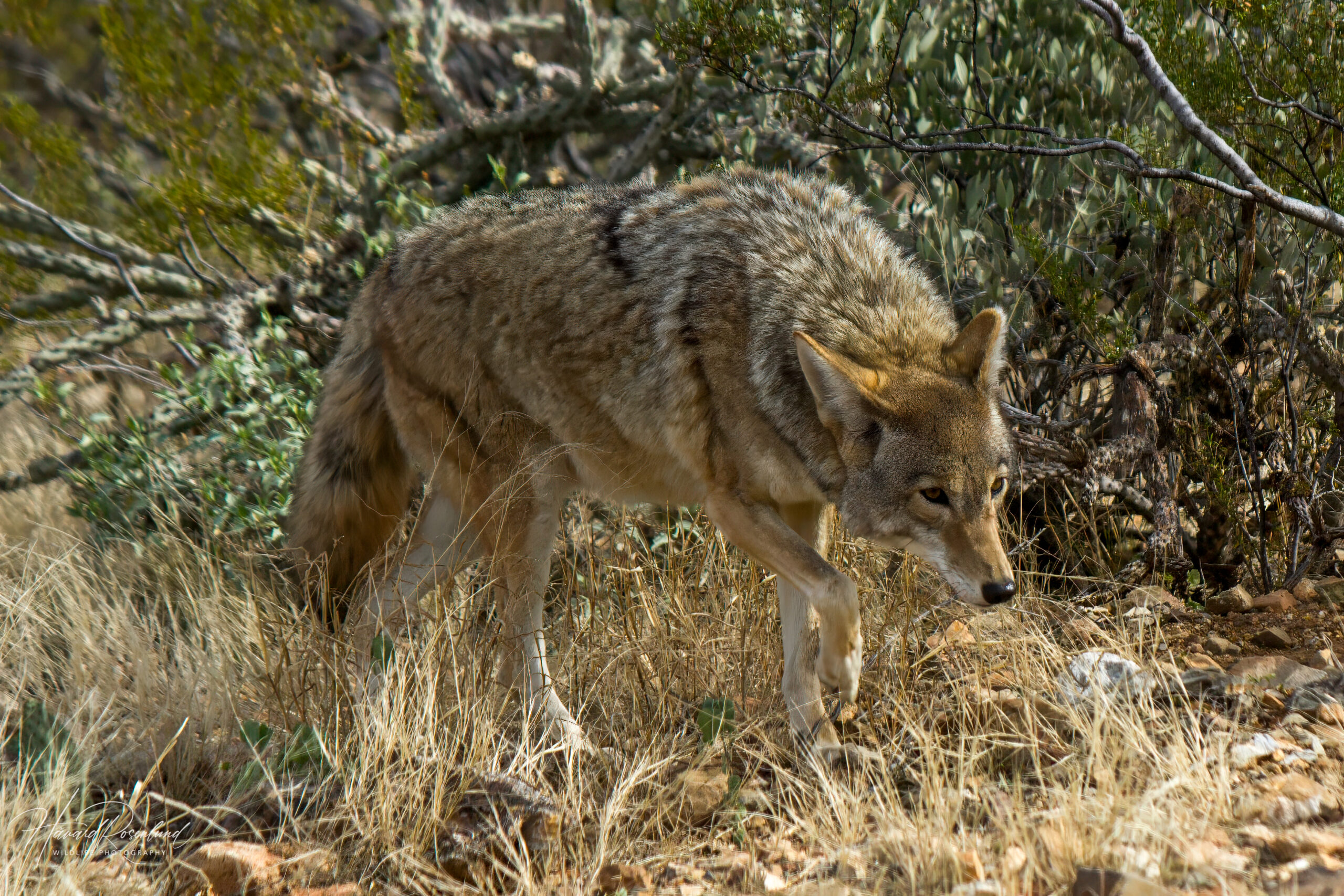
A new analysis of human–coyote relationships in two major U.S. metropolitan regions found that direct experience with coyotes (Canis latrans) was associated with how people perceived them. Respondents who saw coyotes more frequently and observed more neutral behaviour during encounters tended to report more positive attitudes, according to a study first published on 19 March 2026 in People and Nature.
The researchers analysed survey data from adult residents of Cook County, Illinois, USA, and Los Angeles County, California. The original online survey was conducted in April 2013 and included 608 participants; 577 complete responses were included in the new analysis, which tested both direct and indirect links among sociodemographic factors, outdoor activity, coyote encounters, attitudes and fear. The same survey data had previously been used for a broader study of coyote attitudes and knowledge.
Neutral encounters were linked to more positive attitudes and less fear
Direct experience emerged as an important part of these relationships. More frequent coyote sightings and encounters in which coyotes showed more neutral behaviour were associated with more positive attitudes. The nature of observed coyote behaviour, rather than sighting frequency by itself, was also a significant predictor of fear: respondents who had observed more neutral behaviour tended to be less afraid.
Regional differences were linked through outdoor activity and encounters
Regional patterns were partly connected to differences in experience. Los Angeles County respondents tended to report more positive attitudes and less fear than Cook County respondents. In the authors’ model, county of residence was not directly associated with attitudes or fear. Instead, Los Angeles respondents tended to spend more time in outdoor activities, which was associated with more frequent coyote sightings and, in turn, with the nature of those encounters and how people perceived coyotes.
The analysis also found associations with gender, income and racial identity. Female respondents and respondents with lower incomes tended to report less positive attitudes and greater fear than male and higher-income respondents. Respondents who identified as Black or African American, or as Asian or Pacific Islander, also tended to report less positive attitudes and greater fear than White respondents, while the category that included American Indian, Alaskan Native and multiracial respondents tended to report more positive attitudes. For some groups, the model linked these differences partly to lower participation in outdoor activities and/or less frequent coyote sightings.
Education was not significantly associated with the main outcome variables. The authors note, however, that people with less than a high-school education were strongly underrepresented in the survey sample, limiting what could be inferred for that group.
Direct conflict was uncommon among recent encounters
Direct conflict was uncommon among respondents who had recently encountered coyotes. Of 238 people who reported at least one coyote encounter during the previous year, 20 reported bold or aggressive behaviour such as approaching or snarling, and two reported attacks on pets.
Human–wildlife conflict
Related news
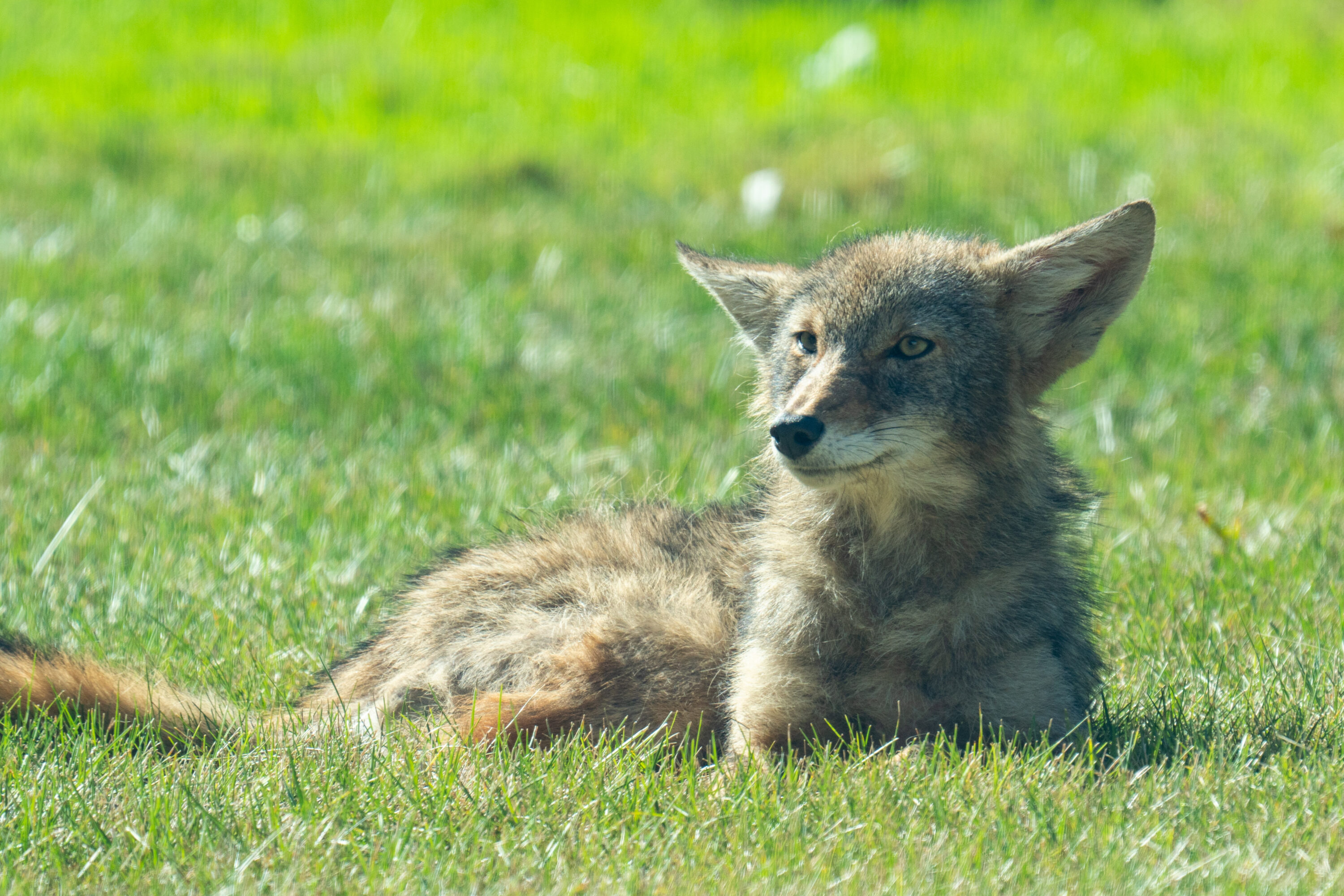
Coyotes Increased Across Illinois Over Four Decades, but County Trends Varied
Four long-running Illinois surveys together showed a statewide coyote increase from 1980–2023, while county-level populations followed more variable…
Read story →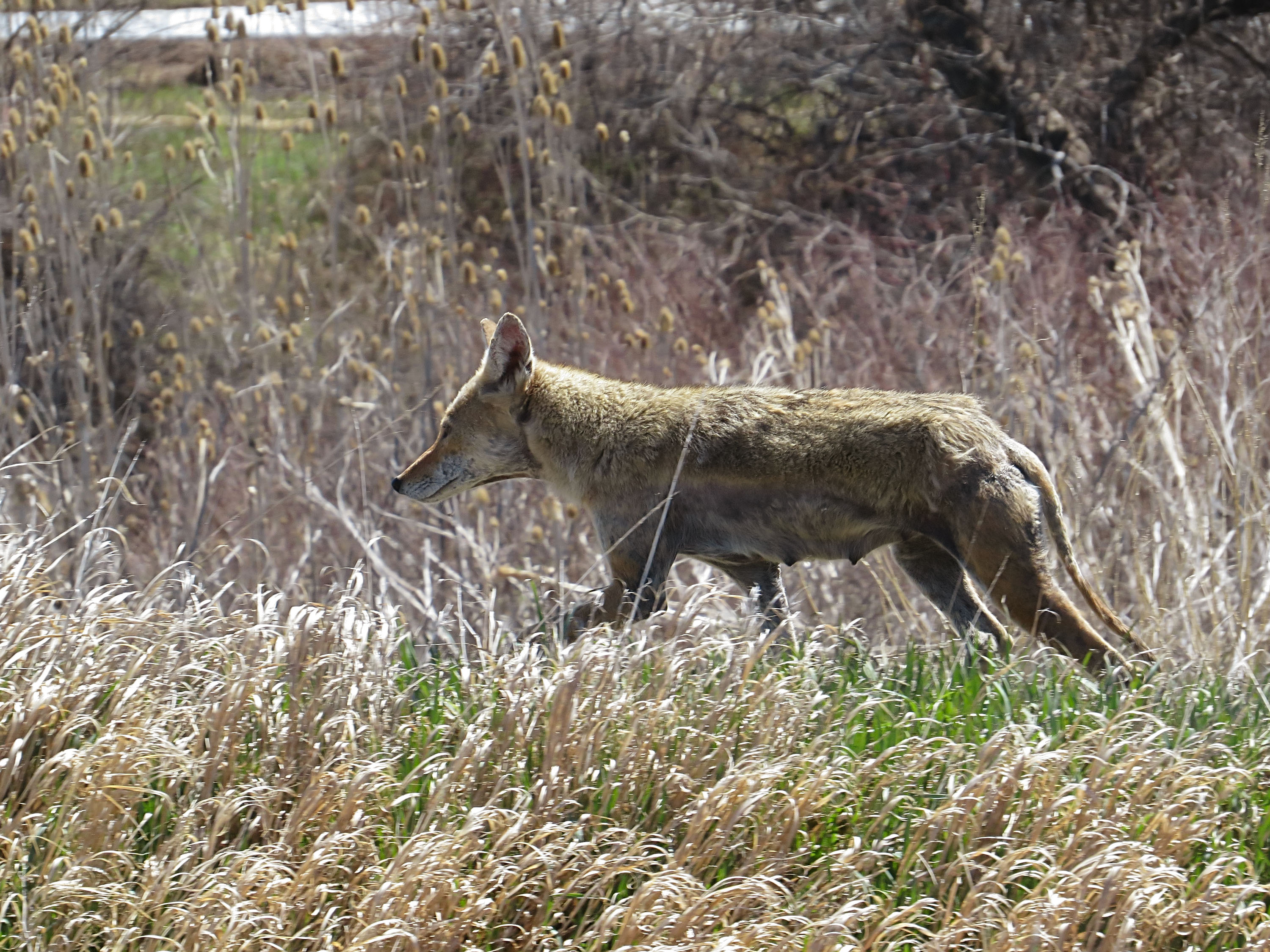
Mange in Coyotes Varied With Urban Density and Habitat Connectivity Across North American Cities
Camera-trap data linked visible mange in coyotes to urban intensity and habitat connectivity at two spatial scales, while…
Read story →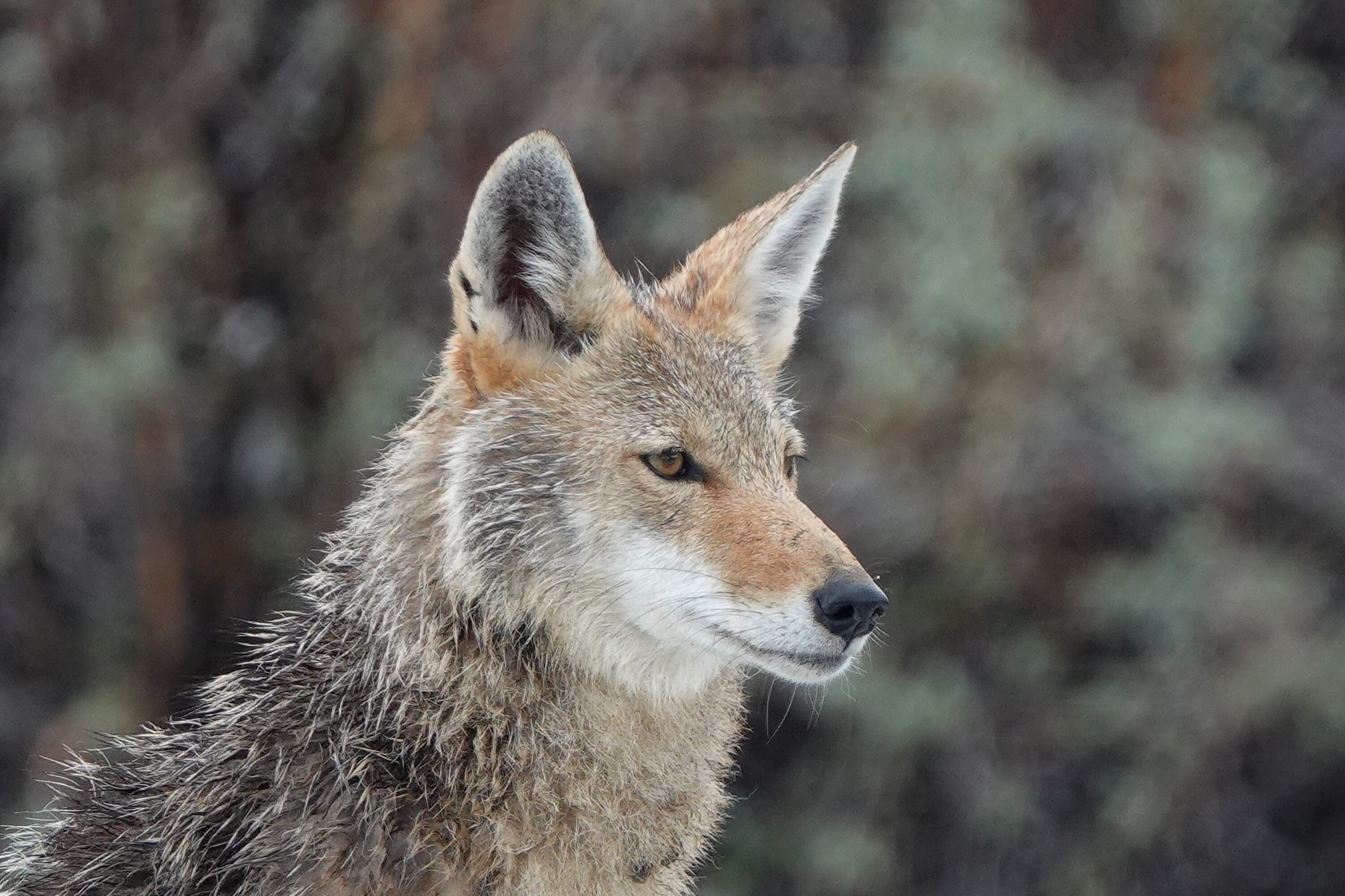
Coyotes Chose Steep Slopes and Stable Soils for Dens in Elk Island National Park
A study of 42 coyote dens in Elk Island National Park found that steep slopes, stable soils and…
Read story →SPECIES IN THIS STORY
Species in this story
Independent research and conservation news archive
Did you find this information useful?
Wildlife Vagabond is independently built and maintained. Voluntary support helps cover source verification, hosting and continued work on research and conservation news.
Support Wildlife VagabondThe news archive will remain freely available.