
Coyotes and Raccoons Solved an Urban Food Puzzle in Different Ways
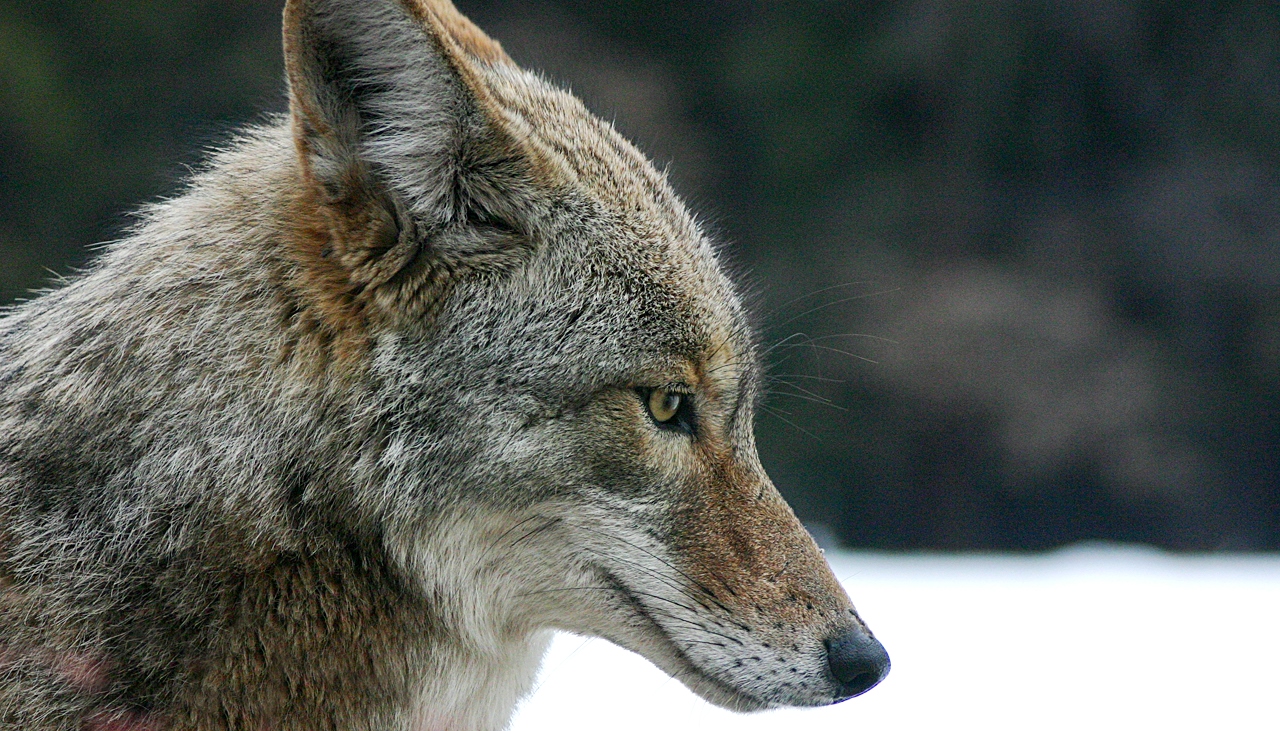
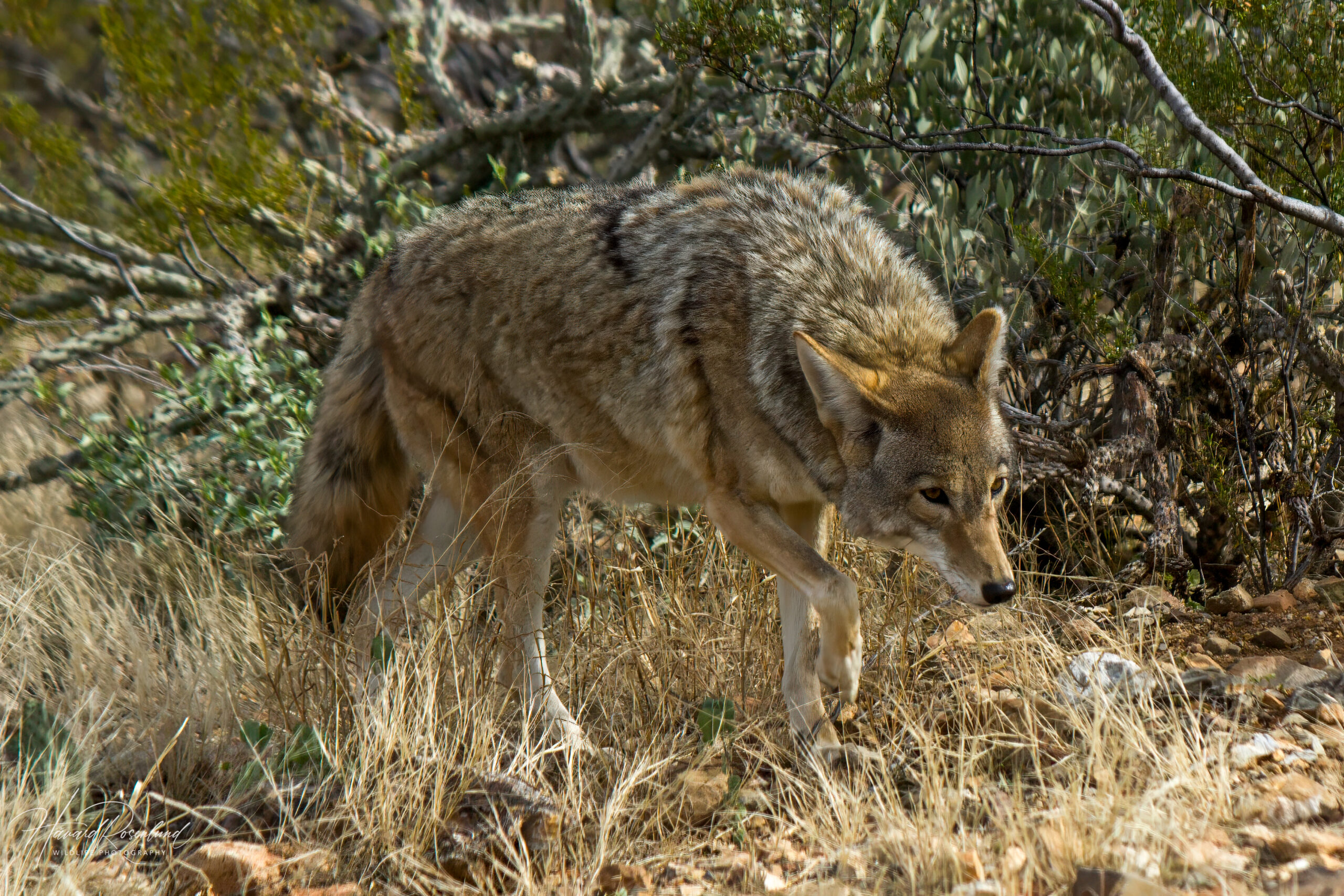
How do urban animals respond when food is hidden inside something they have to open? In California’s East Bay, researchers tested five free-ranging mesopredators—medium-sized predators—using a baited tube with a removable cap. Raccoons and coyotes (Canis latrans) had the highest observed solving rate, but they approached the task differently. The study also found that effort and exploration, rather than boldness, were linked to success.
The researchers placed the puzzle at 110 locations and recorded it with trail cameras. To reach the treat inside, an animal had to pull off or remove the cap. The team analyzed 600 observations in which animals were attentive to the puzzle, including 340 attempts to solve it. They compared how often species engaged with the puzzle and whether measures of boldness, exploration and effort were associated with solving it.
Raccoons explored; coyotes persisted
Raccoons interacted with the puzzle in 87% of their observations, and raccoon groups interacted every time they were recorded. Opossums and striped skunks also engaged often, in 74% and 72% of observations. Coyotes and domestic cats interacted less often: 44% and 33% of the time, respectively.
Among attempts to solve the puzzle, raccoons and coyotes had the highest observed success rate, at 50%. Opossums solved it in 8% of attempts, striped skunks in 6% and domestic cats in 2%. Raccoons explored the puzzle extensively. Coyotes were more vigilant and engaged less often, but persisted once they began.
Effort and exploration mattered more than boldness
Across the five species, effort was the strongest predictor of solving success. Here, effort reflected how intensely and for how long an animal engaged with the puzzle. Within each species, individuals that explored more were more likely to solve it. Boldness—the animals’ willingness to approach and engage with the unfamiliar task—did not predict success.
The contrast shows that solving the same foraging challenge can involve different behavioral strategies: frequent exploration in raccoons, and sustained effort despite greater vigilance in coyotes. A puzzle that requires animals to manipulate an unfamiliar object offers a way to study how urban predators tackle new food opportunities. The findings suggest that persistence across species and exploratory behavior among individuals can both matter, while simply being less wary is not enough to predict who succeeds.
Behaviour
Related news
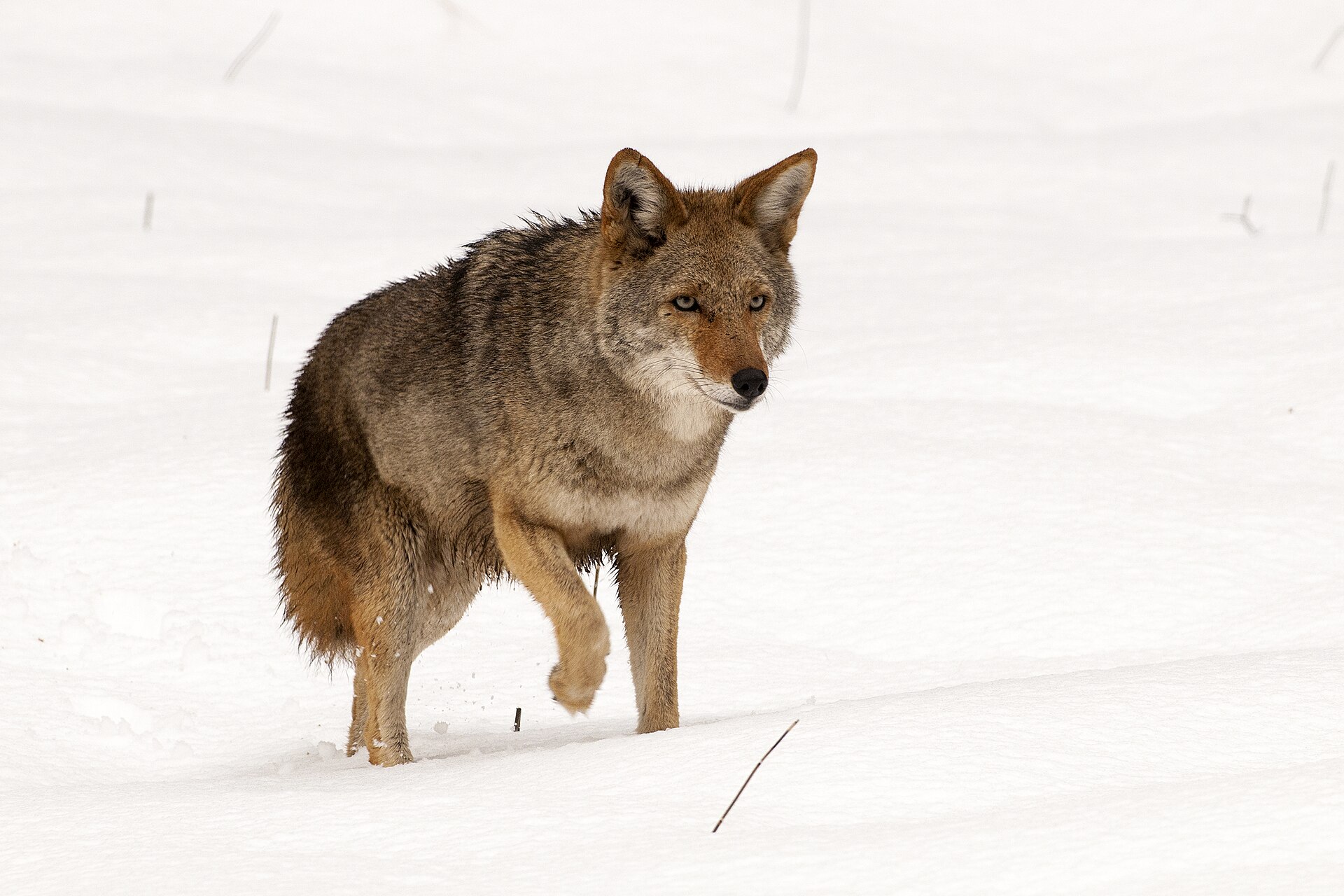
Coyote tapeworm infection is linked to farmland and managed green space near Chicago
In a study of 85 coyotes in the Chicago metropolitan area, 27.1% tested positive for Echinococcus multilocularis. Infection…
Read story →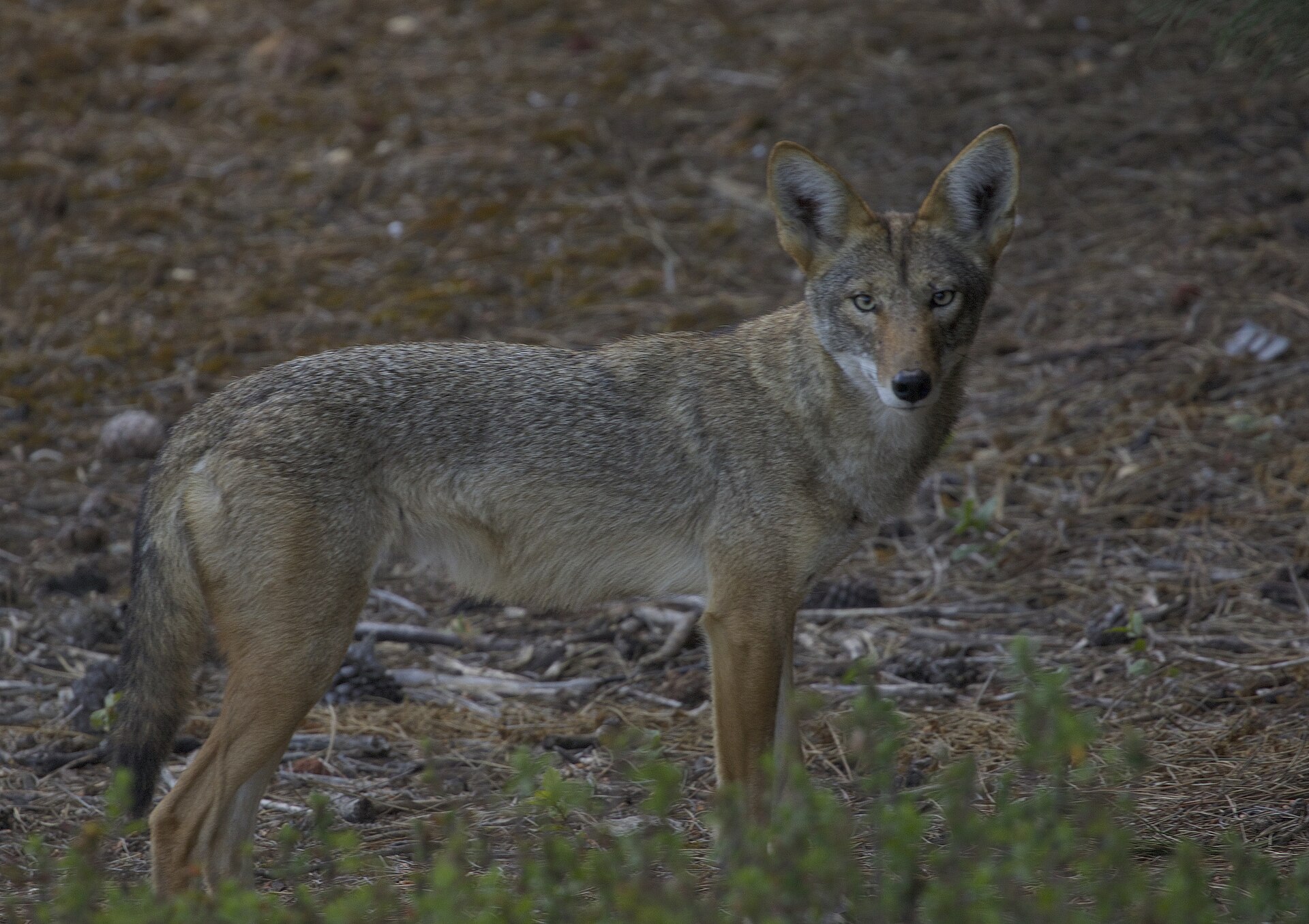
Coyotes and dogs may share a hookworm that can infect people
In Costa Rica, hookworm variants found in coyotes and dogs did not group by host or sampling area.…
Read story →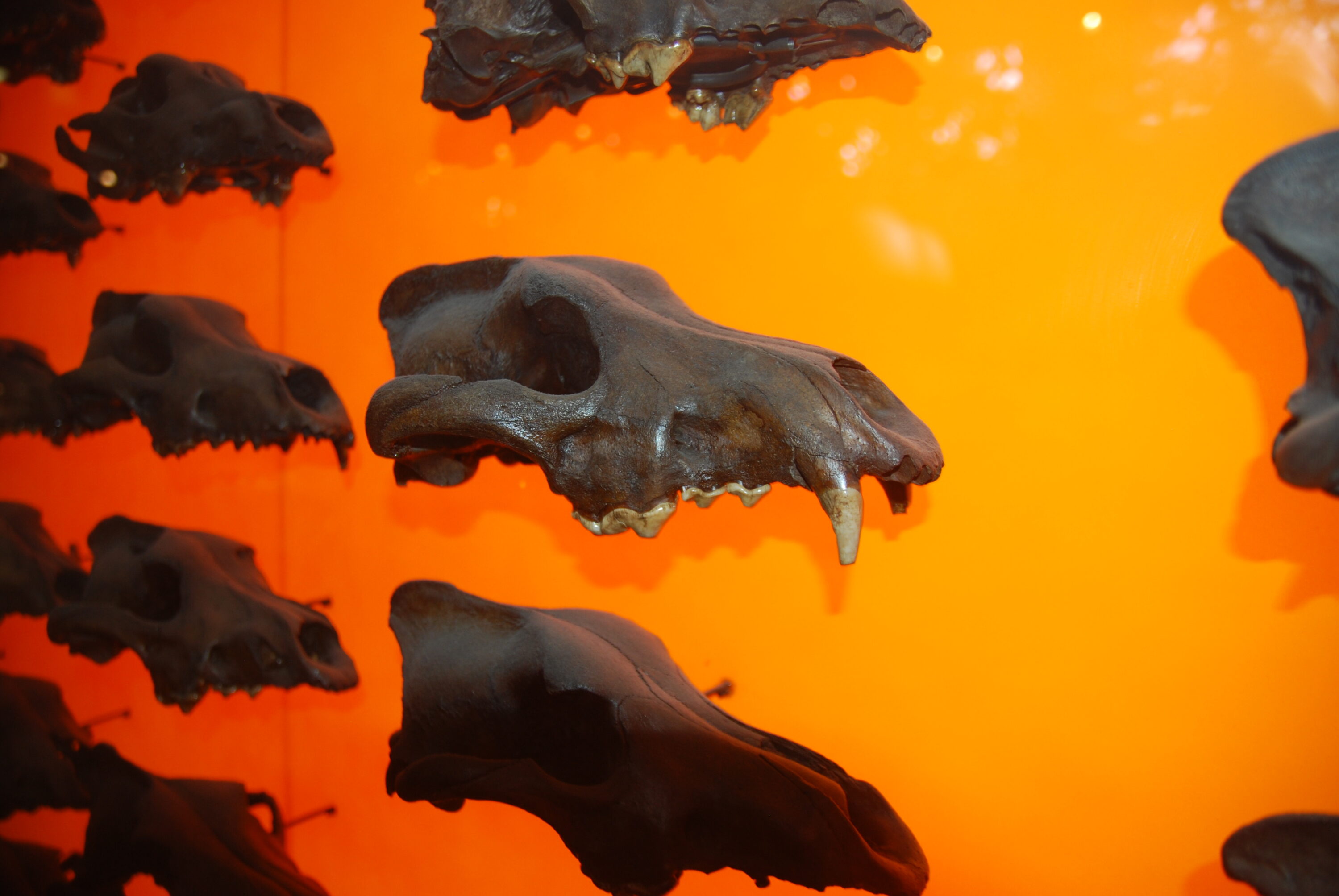
Ancient DNA recovered from dire wolf and coyote teeth at La Brea
Researchers recovered authentic ancient DNA from three of ten extracts made from dire wolf and coyote teeth at…
Read story →SPECIES IN THIS STORY
Species in this story
Independent research and conservation news archive
Did you find this information useful?
Wildlife Vagabond is independently built and maintained. Voluntary support helps cover source verification, hosting and continued work on research and conservation news.
Support Wildlife VagabondThe news archive will remain freely available.