
Cuckoo Calls Did Not Change Egg Rejection by Red-backed Shrikes
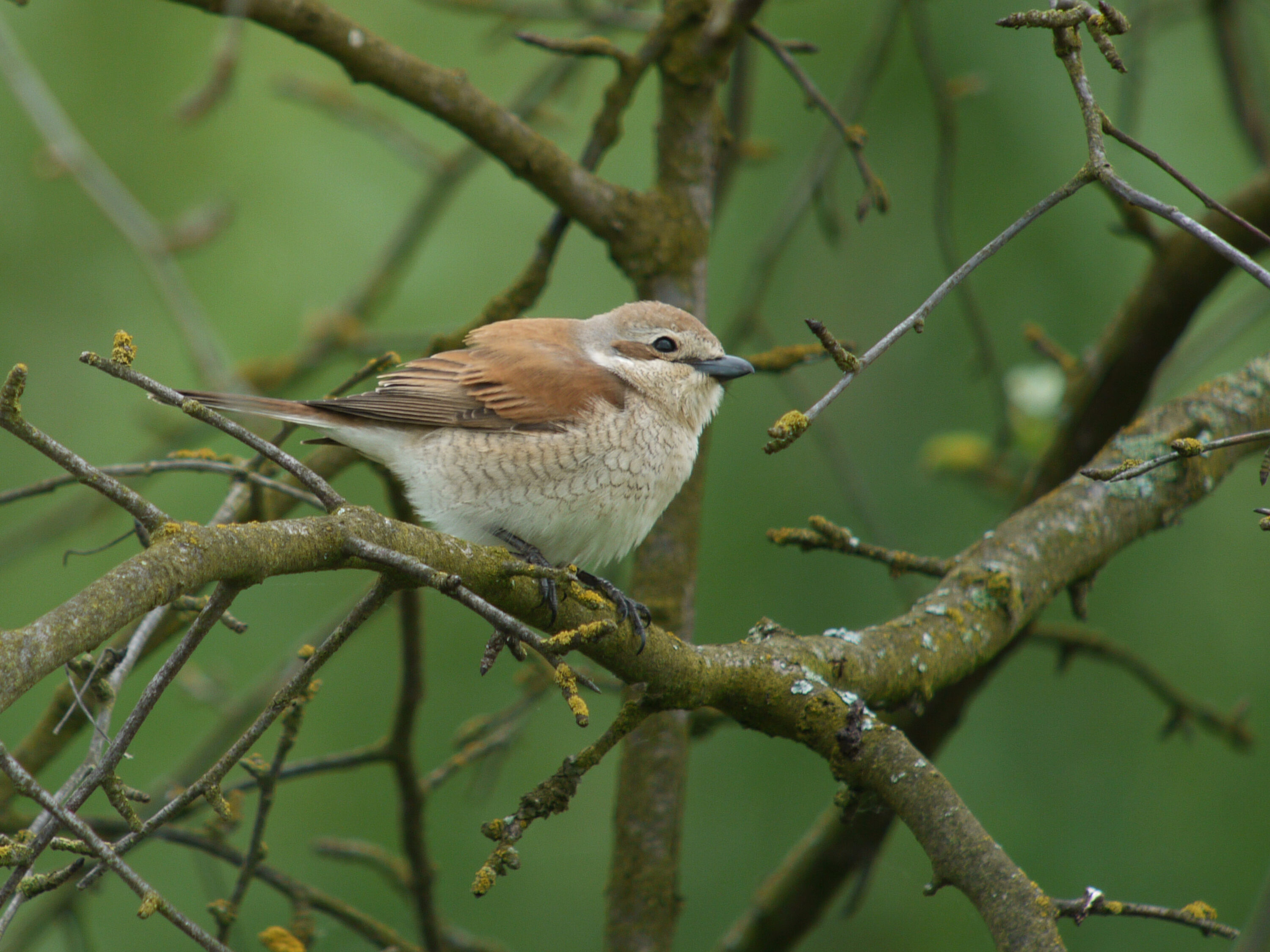
Red-backed shrikes (Lanius collurio) rejected artificial common cuckoo (Cuculus canorus) eggs at a high rate regardless of whether they heard calls from a female cuckoo, male cuckoo, sparrowhawk or a neutral control species. The playback study from eastern Poland was published on 22 January 2026 and tested 63 shrike clutches over two breeding seasons.
Researchers placed an artificial cuckoo egg in each nest and then played a three-minute recording of one of four sound types: female cuckoo, male cuckoo, Eurasian sparrowhawk (Accipiter nisus) or Eurasian collared dove (Streptopelia decaocto). The artificial eggs were modelled on museum specimens of cuckoo eggs found in red-backed shrike nests.
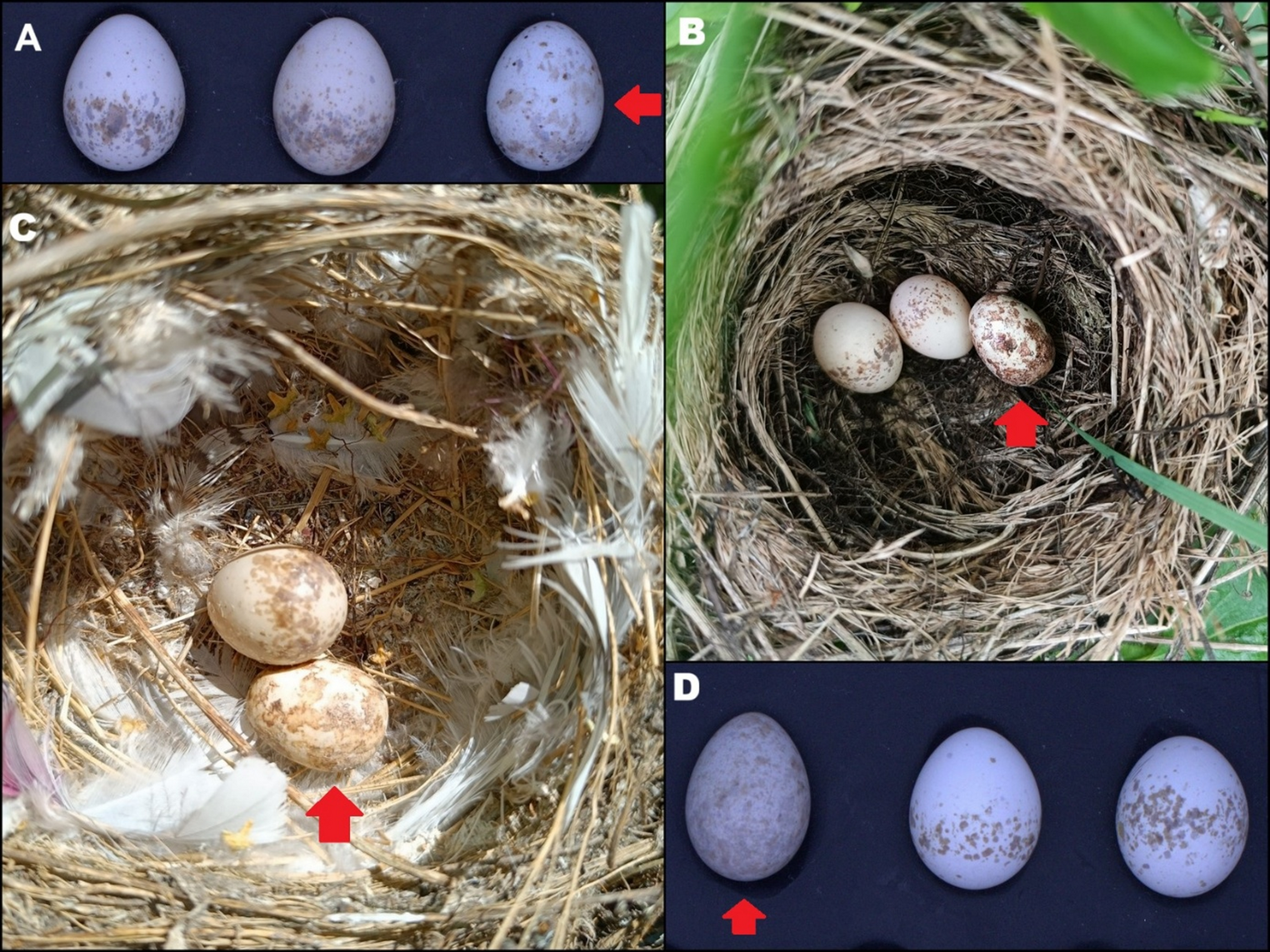
Almost nine out of ten artificial eggs were ejected
Overall, the shrikes removed the artificial egg from 88.9% of nests. Rejection exceeded 90% during egg-laying and early incubation and was lower later in incubation, but the effect of breeding stage was unclear.
The kind of sound played did not clearly change whether the artificial egg was rejected. Female and male cuckoo calls did not make rejection more likely than the other sounds, and neither the sparrowhawk playback nor time of day changed the response.
A strong defence that did not depend on short-term sound cues
The authors interpret the result in light of the red-backed shrike’s already strong egg-rejection behaviour. They suggest that a host capable of recognising and rejecting foreign eggs at such a high baseline rate may have little scope for additional auditory information to increase that response further.
No naturally cuckoo-parasitised shrike broods were found in the study areas during the research period. The authors describe the species as a former common cuckoo host whose strong rejection ability may represent a lasting legacy of earlier coevolution with the parasite.
Behaviour
Related news
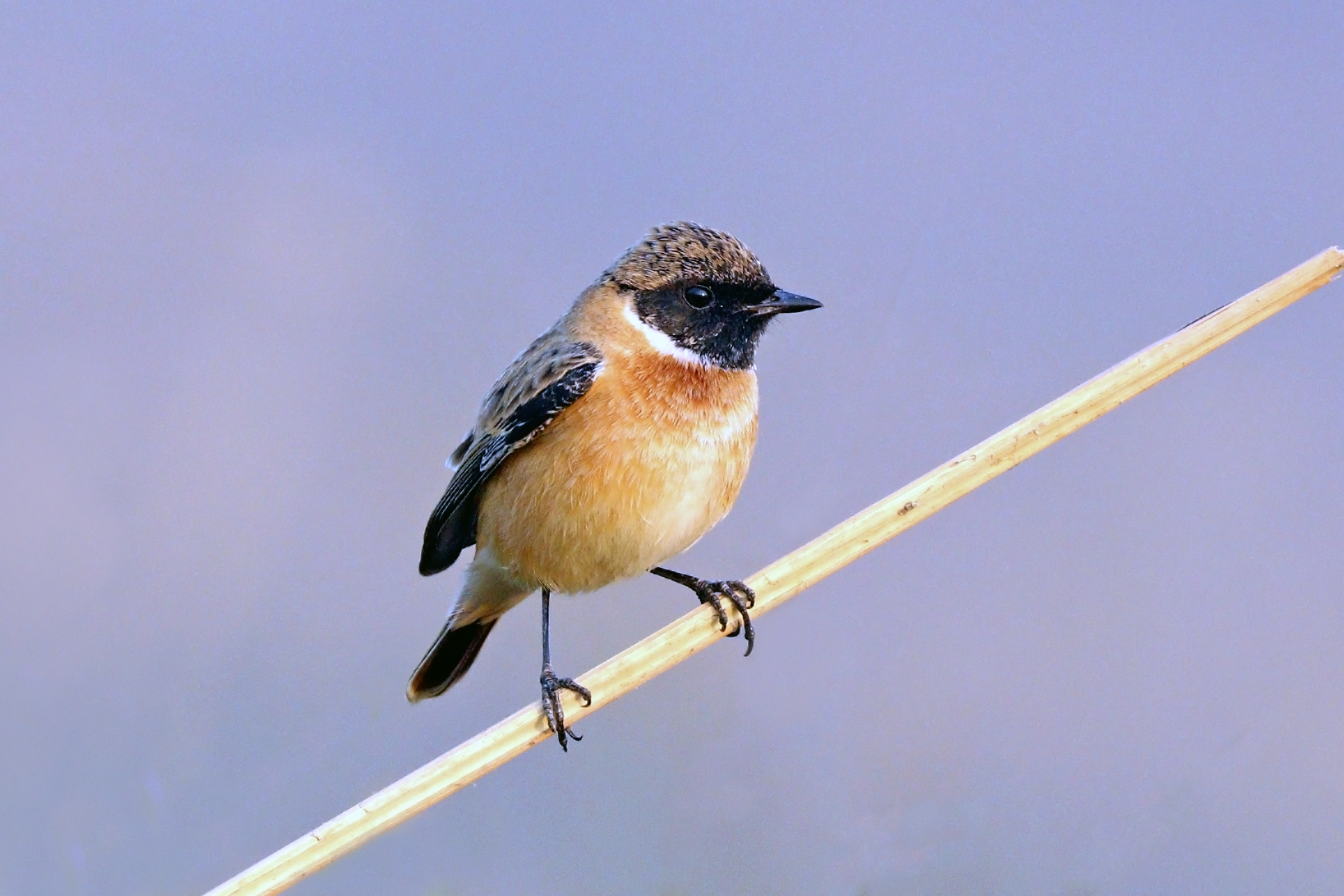
Egg Rejection Did Not Clearly Increase After Cuckoo Arrival in Two Host Species
Grey bushchats and Siberian stonechats showed no clear increase in foreign-egg rejection after common cuckoos arrived. The result…
Read story →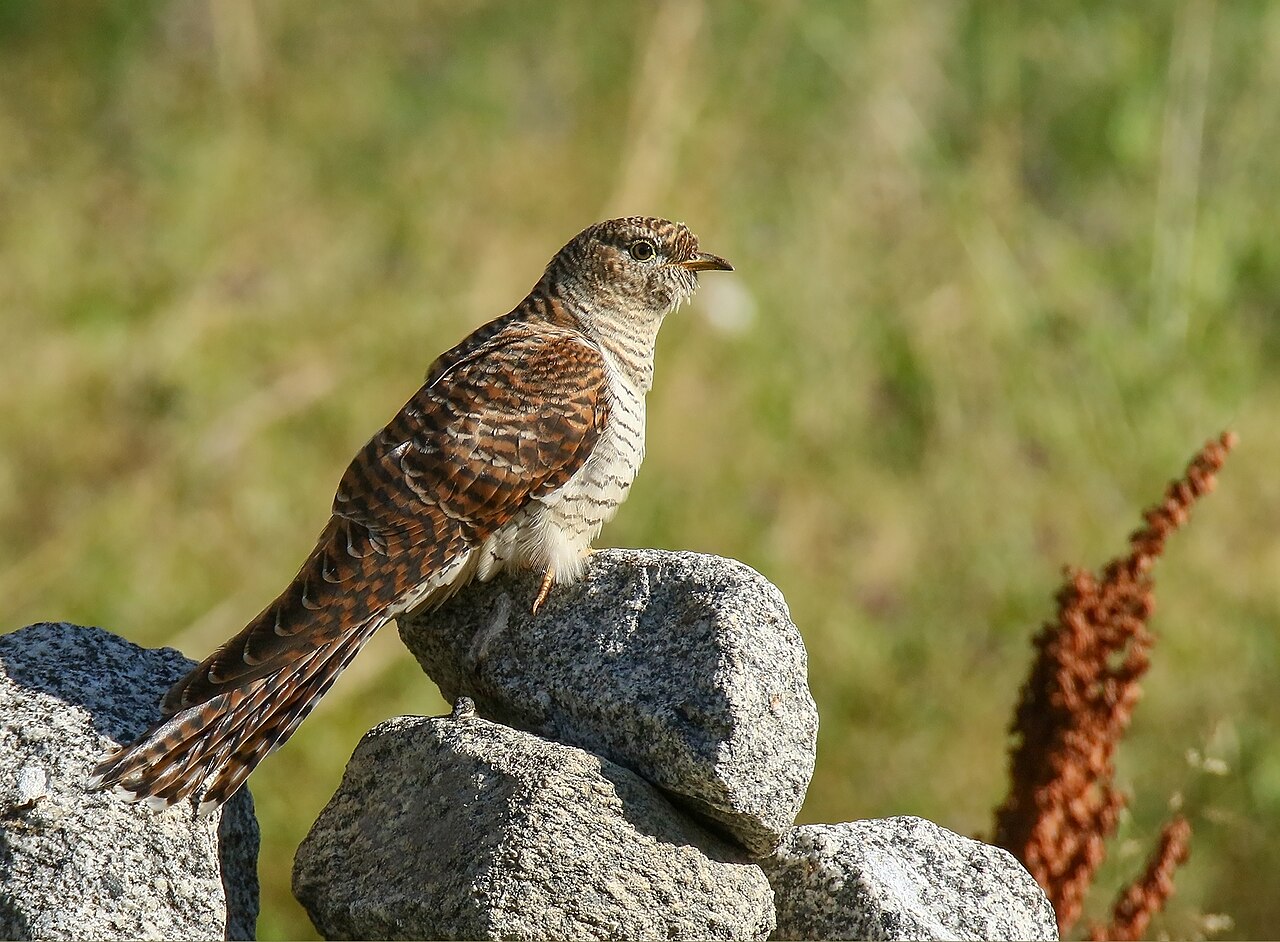
Cuckoos Use Two Different Strategies to Lay Eggs in Redstart Nests
Video from Finnish redstart nest boxes provides the first direct evidence that common cuckoos use two egg-laying strategies,…
Read story →
Models Highlighted Iberian Mountains and the Po Watershed as Key Stopover Regions for UK Common Cuckoos
Models based on satellite tracks from 88 UK-breeding male common cuckoos highlighted Iberian mountain ranges and the Po…
Read story →SPECIES IN THIS STORY
Species in this story
Independent research and conservation news archive
Did you find this information useful?
Wildlife Vagabond is independently built and maintained. Voluntary support helps cover source verification, hosting and continued work on research and conservation news.
Support Wildlife VagabondThe news archive will remain freely available.