
Skinworm Was Found in the Heart of a Golden Jackal in Northeastern Italy
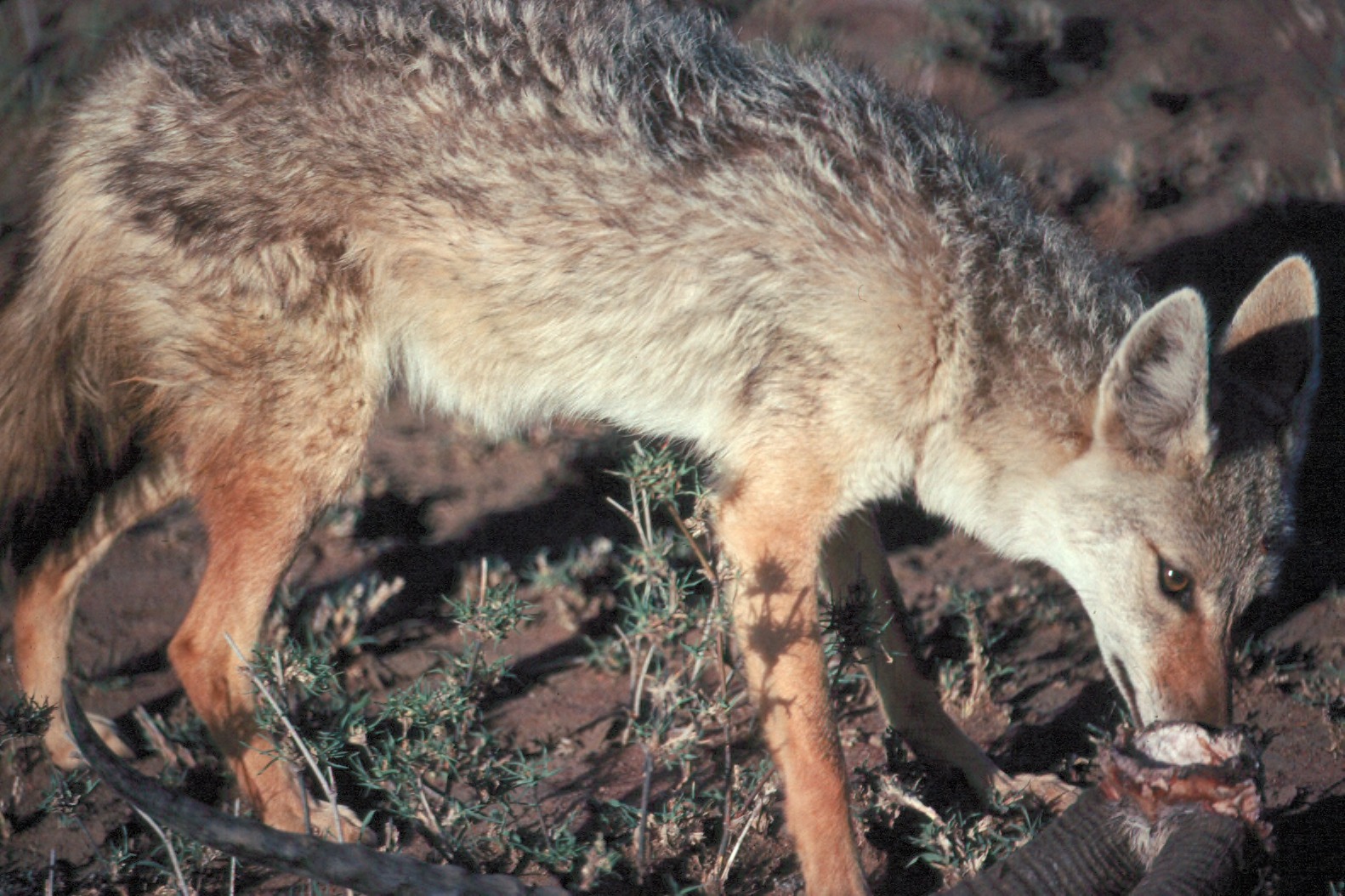
A parasitic worm recovered from the heart of a golden jackal (Canis aureus) in northeastern Italy proved to be Dirofilaria repens, not the related heartworm Dirofilaria immitis, according to a case study published online on 8 April 2026. The finding is unusual because D. repens normally inhabits subcutaneous tissues, whereas D. immitis is the species typically associated with the heart and pulmonary arteries.
The adult male jackal, recovered after a road accident in Friuli Venezia Giulia, was examined as part of regional wildlife-health surveillance. In addition to the worm in the right ventricle, researchers found a calcified subcutaneous nodule near the heel of the right hind leg containing a second filiform worm.
Anatomical location initially pointed toward a different parasite
Because a worm in the heart would usually suggest D. immitis, the researchers did not rely on its location for identification. They combined measurements of the worms’ anatomy with DNA analysis of two mitochondrial markers, COI and 12S rRNA. The resulting sequences were compared with those of related worms to confirm the species and its evolutionary placement.
These methods identified the parasite as D. repens. The cardiac male measured 5.5 cm, within the reported size range for male D. repens and considerably shorter than male D. immitis, which are typically about 13.9–17.0 cm. The mitochondrial sequences from the cardiac worm and the worm in the subcutaneous nodule were identical, which the authors say makes two independent exposures unlikely and points toward a single transmission episode followed by aberrant migration. They describe the cardiac finding as an erratic localisation of a species that more commonly lives beneath the skin.
Only the second such cardiac case reported in a wild canid
According to the authors, this is only the second documented case of aberrant cardiac localisation of D. repens in a wild canid. The earlier report involved a wolf in Kazakhstan.
The case illustrates that anatomical location alone can be misleading when closely related parasites can occur outside their usual tissues. The researchers therefore emphasise the value of combining morphology with molecular identification.
Wild canids may contribute to parasite circulation
D. repens is a mosquito-borne parasite of increasing public-health relevance in Europe. Wild canids can participate in its circulation, and golden jackals are themselves expanding across much of the continent.
The authors argue that wild canids should therefore be included in epidemiological surveillance, particularly where both the parasite and golden jackals are increasing their distributions.
Disease, parasites & microbiology
Related news

Similar Mammal Diversity, Different Activity Patterns in Grazed and Ungrazed Areas
Camera traps in four northern Israeli reserves found similar numbers of mammal species with and without livestock grazing.…
Read story →
Climate Best Explained Fine-Scale Genetic Connectivity in Expanding Golden Jackals
A Eurasian landscape-genomics study of 363 golden jackals found that geography dominated genetic structure at continental scale, while…
Read story →
Most New Golden Jackal Samples Around the Adriatic Matched the Pannonian Genetic Cluster
Microsatellite analysis of 27 new golden jackal samples from Croatia, Italy, Austria and Greece assigned most animals to…
Read story →SPECIES IN THIS STORY
Species in this story

Independent research and conservation news archive
Did you find this information useful?
Wildlife Vagabond is independently built and maintained. Voluntary support helps cover source verification, hosting and continued work on research and conservation news.
Support Wildlife VagabondThe news archive will remain freely available.