
DNA analysis identifies a tapeworm in a rescued Amur tiger
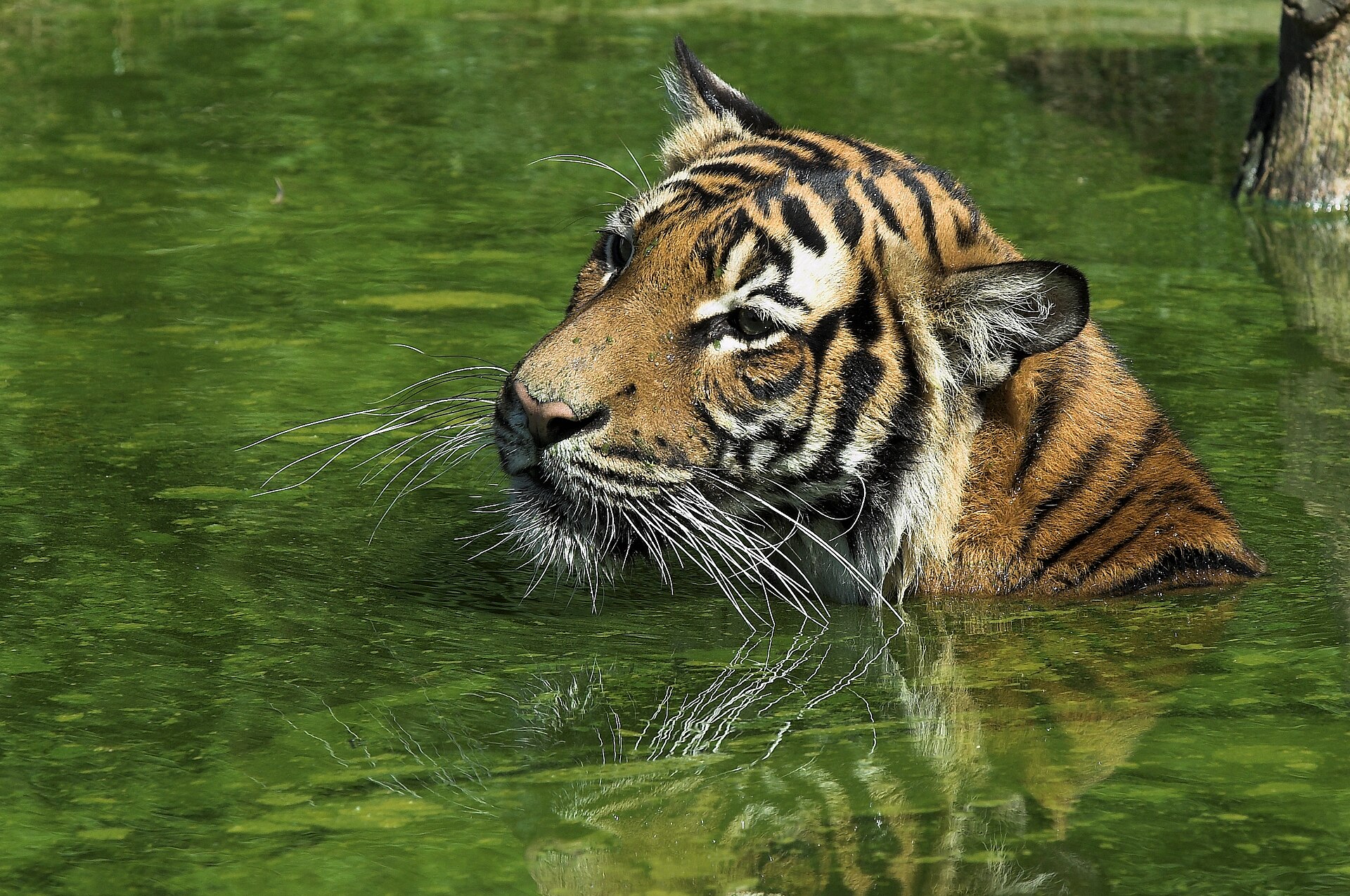
A rescued Amur tiger (Panthera tigris altaica), a subspecies of tiger (Panthera tigris), has provided the first molecular record of the tapeworm Taenia lynciscapreoli in an Amur tiger. Egg-bearing tapeworm segments were found in the tiger’s faeces after it was rescued in the Hulin Mountains of Heilongjiang Province, northeast China, on 29 December 2024. Reported in 2026, the finding adds to the limited evidence on taeniid tapeworms in Asian wildlife.
Researchers examined the parasite’s appearance and compared partial DNA sequences from two mitochondrial genes, cox1 and nad1, with reference sequences in GenBank. These markers let researchers compare the specimen with known sequences and assess its relationship to other tapeworms. Together with its morphology, they supported identification as T. lynciscapreoli. In the cox1 family tree, the tiger-derived sequence fell within the T. lynciscapreoli lineage, alongside reference sequences from lynx and roe deer.
The tiger’s partial cox1 sequence was 97.2% identical to a reference from a gray wolf in Russia, while its partial nad1 sequence was 96.4% identical to a reference from a Eurasian lynx in Finland. The authors say there are too few reference sequences to determine whether these differences reflect geographic variation or a deeper genetic divergence. The morphology and both markers support the identification, but the available comparisons do not resolve that question.
The authors propose that cervids could be intermediate hosts in the parasite’s life cycle, based on what is known about the parasite and the tiger’s prey ecology. In a Taenia life cycle, an intermediate host carries a larval stage; a predator can acquire the tapeworm by eating an infected host. If cervids play that role here, a tiger could acquire the parasite by eating an infected cervid. Local cervids were not tested, however, so the study did not establish how the tiger acquired the parasite or confirm a local transmission cycle.
Disease, parasites & microbiology
Related news

China and Russia identify 21 tigers and 27 leopards recorded in both countries
A joint assessment recorded at least 147 Amur tigers and 223 Amur leopards in protected areas along the…
Read story →
Blood tests showed different signs of muscle injury in tigers and Indian leopards
In a field study in India, LDH was significantly higher in animals classified as affected in both species.…
Read story →
Tiger Density and Mammal Diversity Vary Across Bangladesh’s Sundarbans
Camera traps at 603 locations revealed higher tiger density and mammal diversity in the less saline eastern Sundarbans.…
Read story →SPECIES IN THIS STORY
Species in this story
Independent research and conservation news archive
Did you find this information useful?
Wildlife Vagabond is independently built and maintained. Voluntary support helps cover source verification, hosting and continued work on research and conservation news.
Support Wildlife VagabondThe news archive will remain freely available.