
Tiger Density and Mammal Diversity Vary Across Bangladesh’s Sundarbans
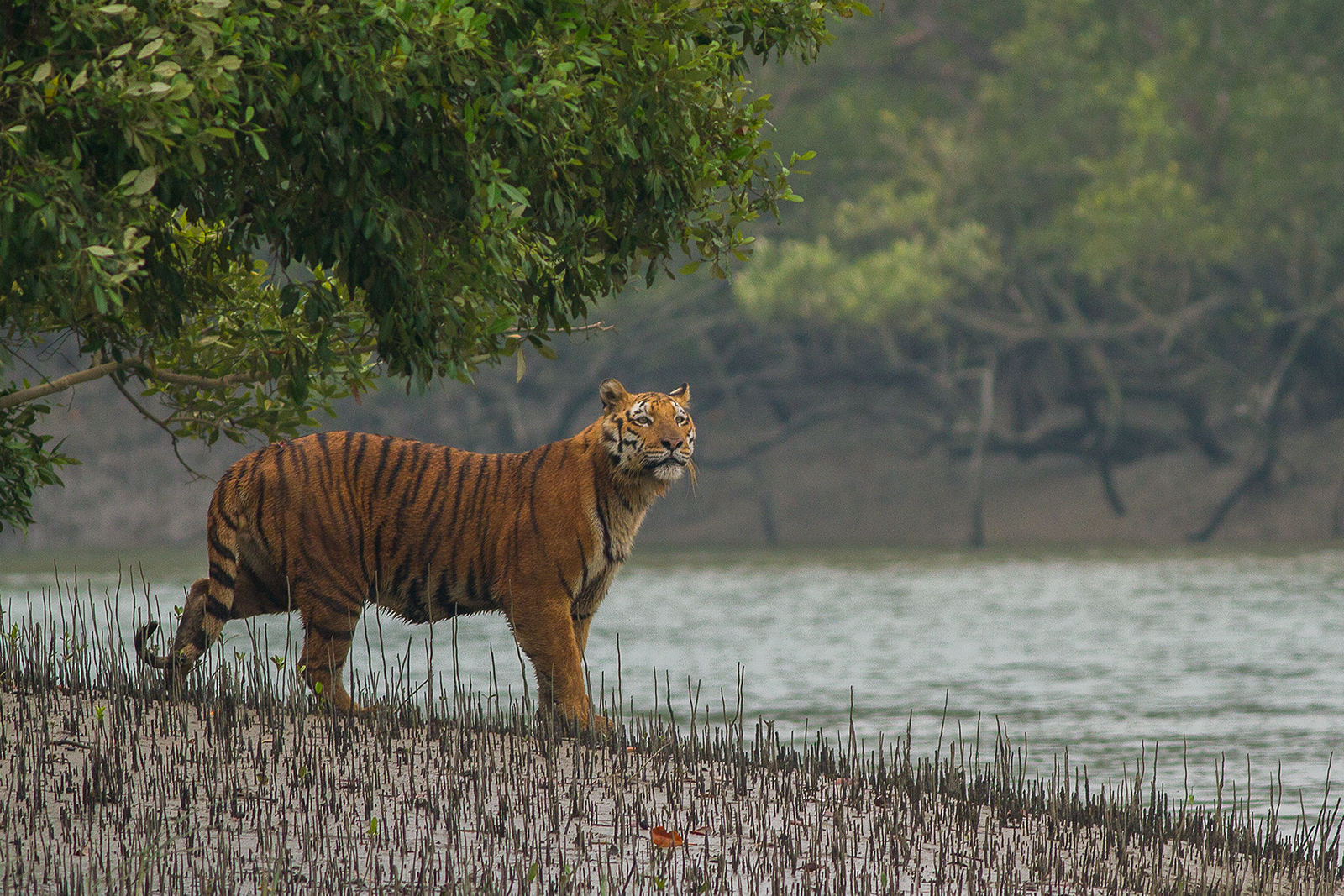
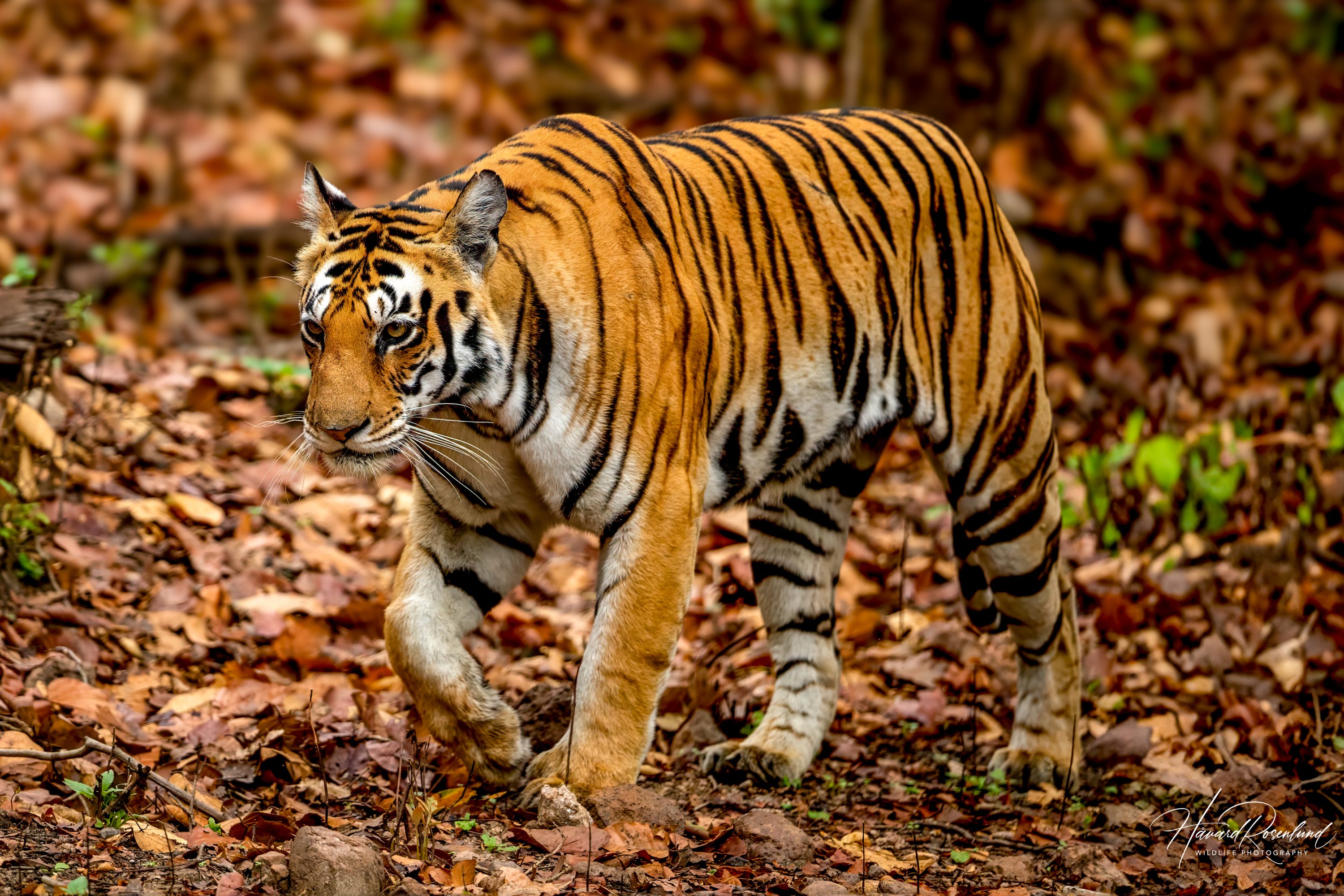
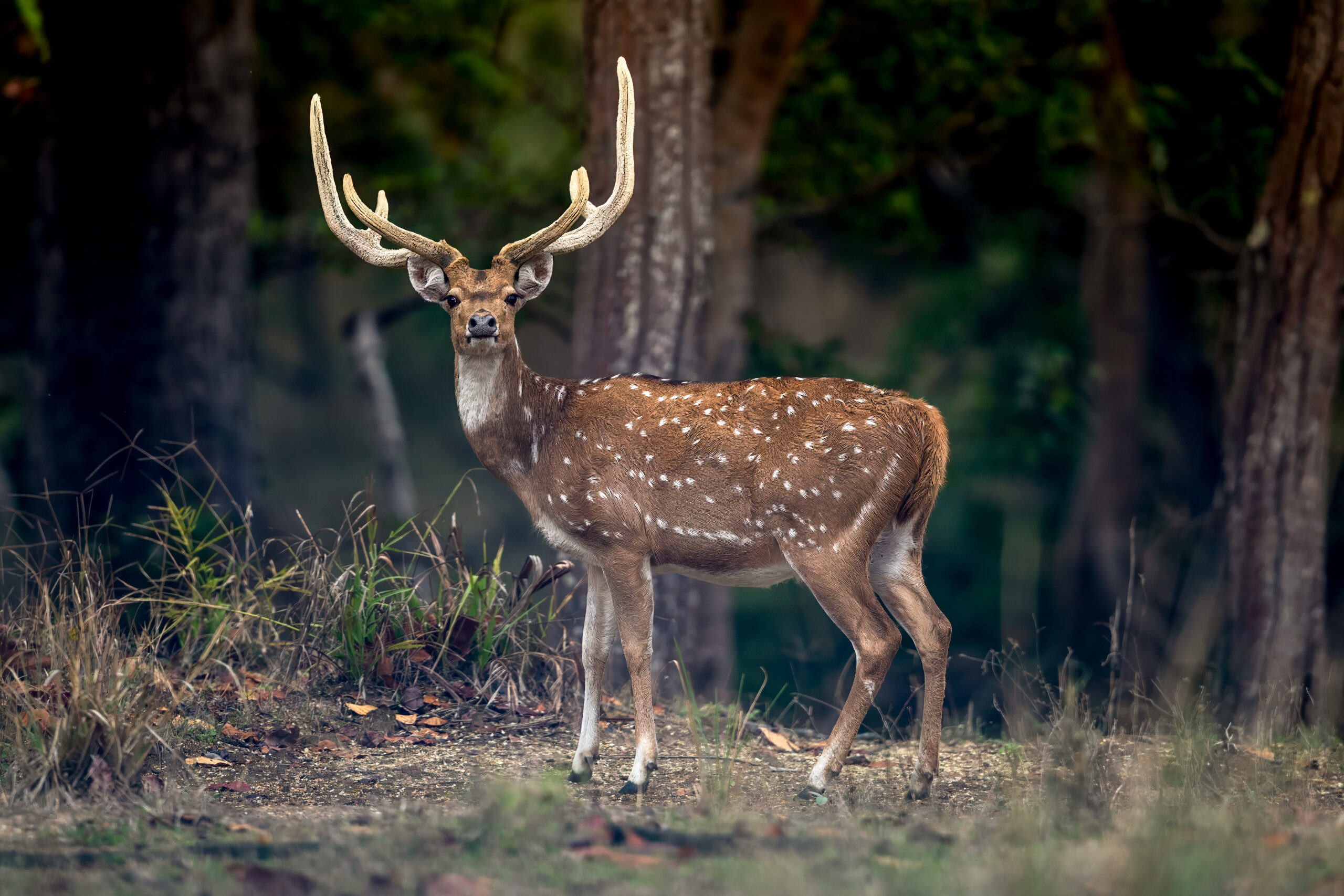
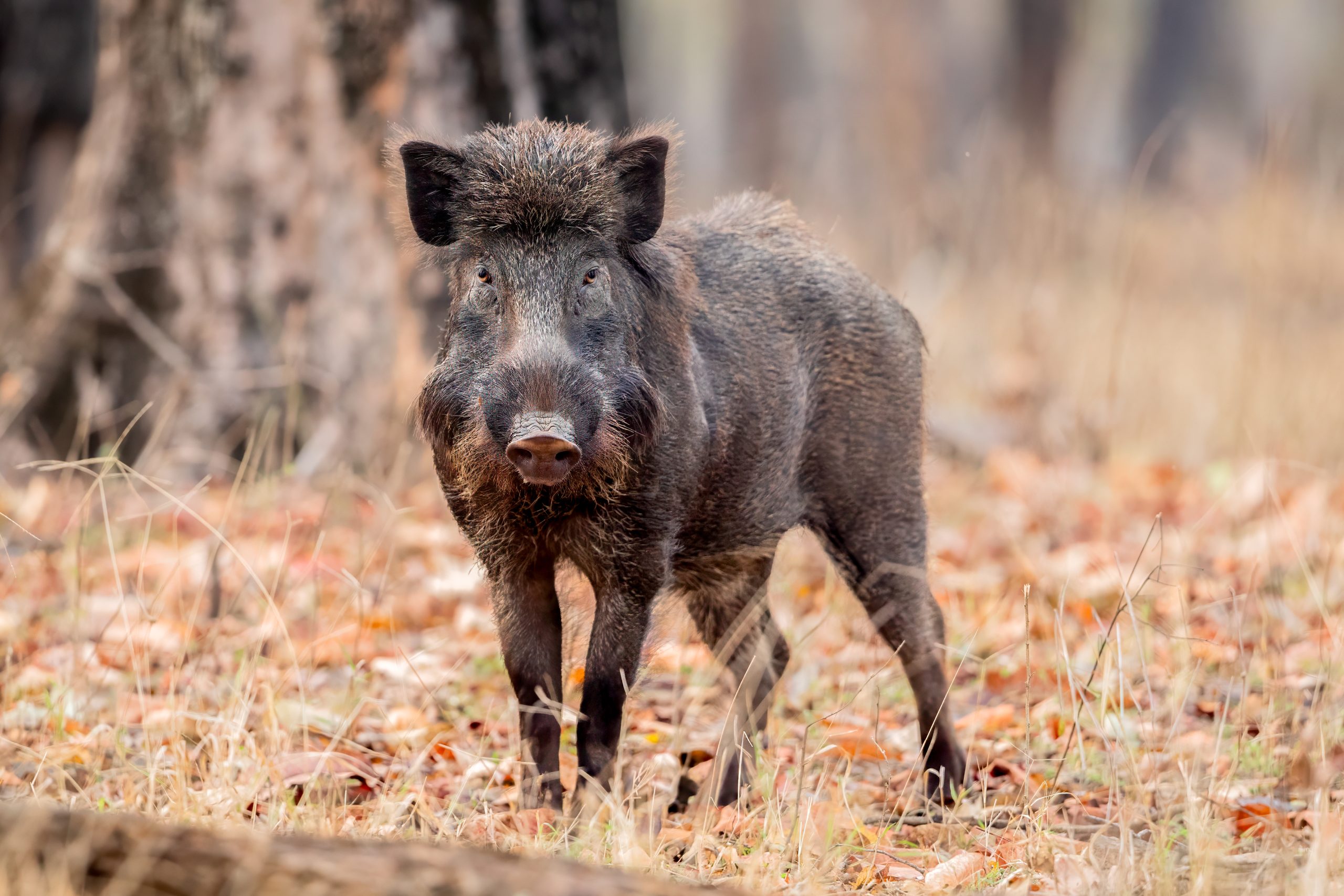
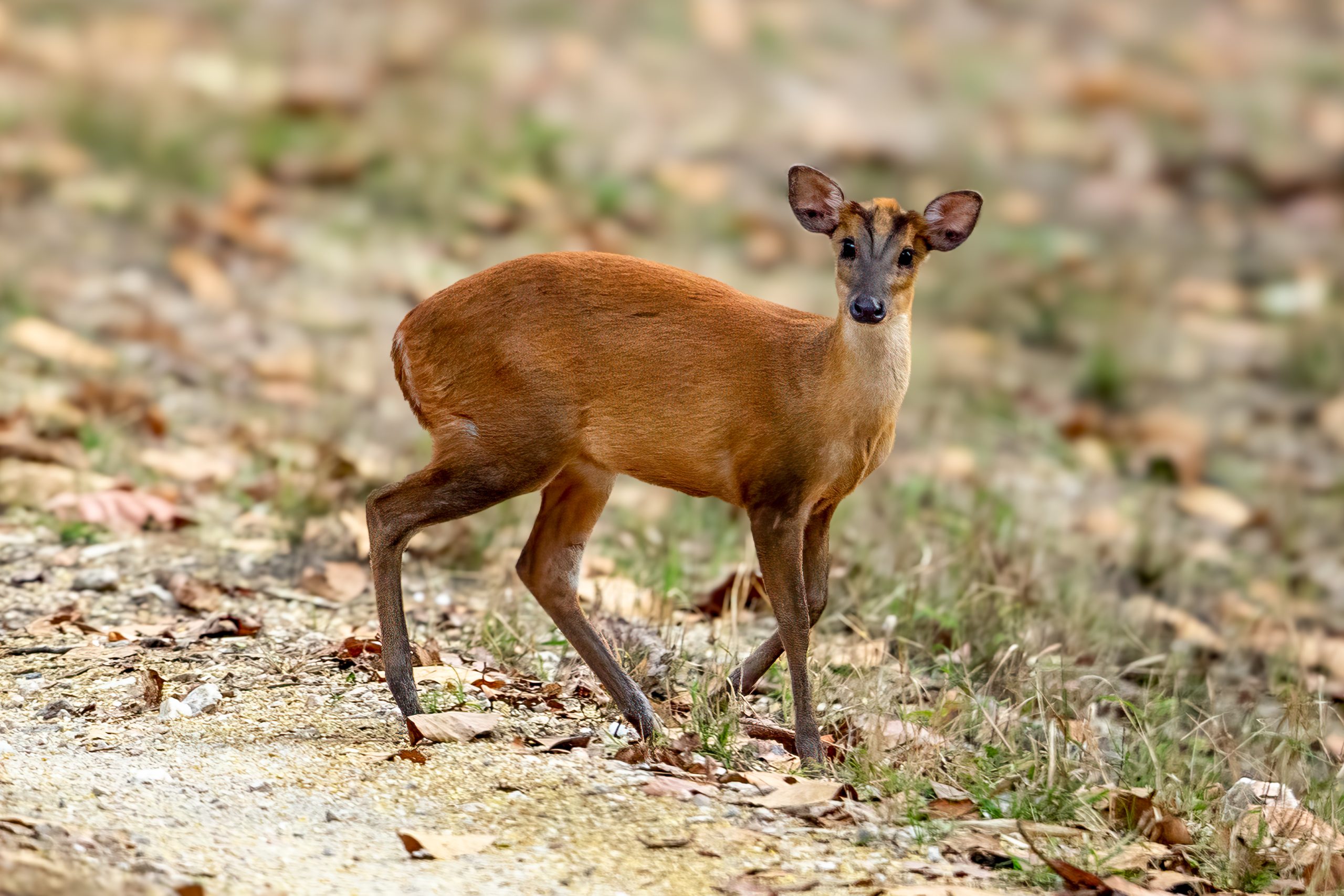
Camera traps at 603 locations across Bangladesh’s Sundarbans revealed differences in tiger density and mammal diversity across the mangrove landscape. Three hoofed mammals—chital (Axis axis), wild boar (Sus scrofa) and northern red muntjac (Muntiacus vaginalis)—make up 95% of the tigers’ diet there. Tiger (Panthera tigris) density was higher in the less saline eastern Chandpai and Sarankhola ranges than farther west.
The dissertation used camera-trap records to examine tiger density and habitat use, as well as the distribution of other mammals. The tiger analyses considered two spatial scales: areas of about 30 square kilometres, roughly the size of an average female tiger’s home range, and smaller areas around individual camera-trap locations. The broad-scale analysis found higher tiger density in the east, but no specific environmental, human-related or management variable significantly explained density at the home-range scale. At the finer scale, tiger habitat use was associated with the relative abundance of chital and muntjac, and less strongly with wild boar. The author suggests that the presence of all three prey species may matter more than the abundance of any one species alone.
Mammal communities followed the salinity gradient
The cameras recorded 14 large mammal species weighing more than one kilogram. A community model suggested that as many as 17 such species could occur in the study area. It also estimated greater mammal diversity in the eastern Chandpai and Sarankhola ranges than in Khulna and Satkhira in the west.
Salinity was associated with the distributions of several mammals: nine of the 14 recorded species tended to avoid more saline areas, while two tended to prefer them. This points to changes in which mammals occur across the landscape, not simply a uniform change in animal numbers. At the finer scale, tiger habitat use tracked the relative abundance of two of its prey species, chital and muntjac, with a weaker association with wild boar. The analysis also found that tiger habitat use was not associated with protection status or human activity.
Vegetation projections affect muntjac and tigers differently
Rising salinity can alter the distribution of mangrove vegetation. The study’s future scenario was based on projected vegetation changes linked to salinity intrusion; these include a decline in Sundari (Heritiera fomes), a salt-intolerant mangrove tree. Northern red muntjac depends on Sundari vegetation. Under the scenario, the estimated area of suitable muntjac habitat fell by 82% by 2050.
The same scenario projected a 13.2% decline in tiger occupancy—the likelihood that tigers use an area. But this projection was inconclusive: the credible intervals for current and future occupancy overlapped, so the analysis could not distinguish the estimated decline clearly from little or no change. The author notes that this uncertain projection is consistent with evidence from the Indian Sundarbans, where tiger density is relatively high despite the near absence of Sundari.
The projections therefore differ in how clearly they point to a change: the estimated habitat loss for muntjac was substantial, while the future shift in tiger habitat use remains uncertain. Alongside the observed links between tiger habitat use, prey and salinity-related differences in mammal communities, the results show how vegetation change may reshape the wider community on which tigers depend.
Ecology
Related news
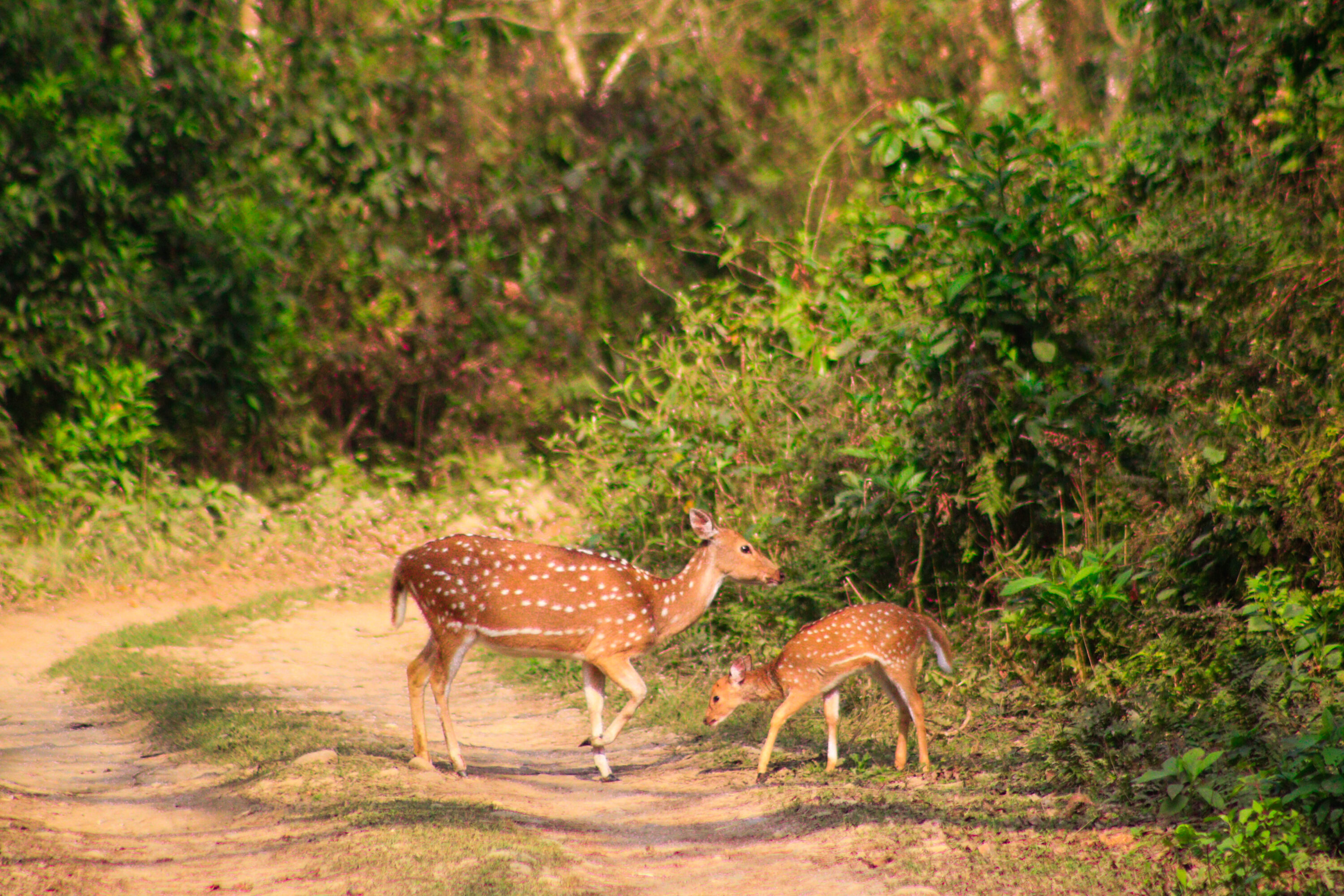
Human Activity and Large Wildlife Overlapped Most in Chitwan’s Buffer Zone
Camera traps across Chitwan National Park and surrounding forests showed the greatest overlap of human activity with large…
Read story →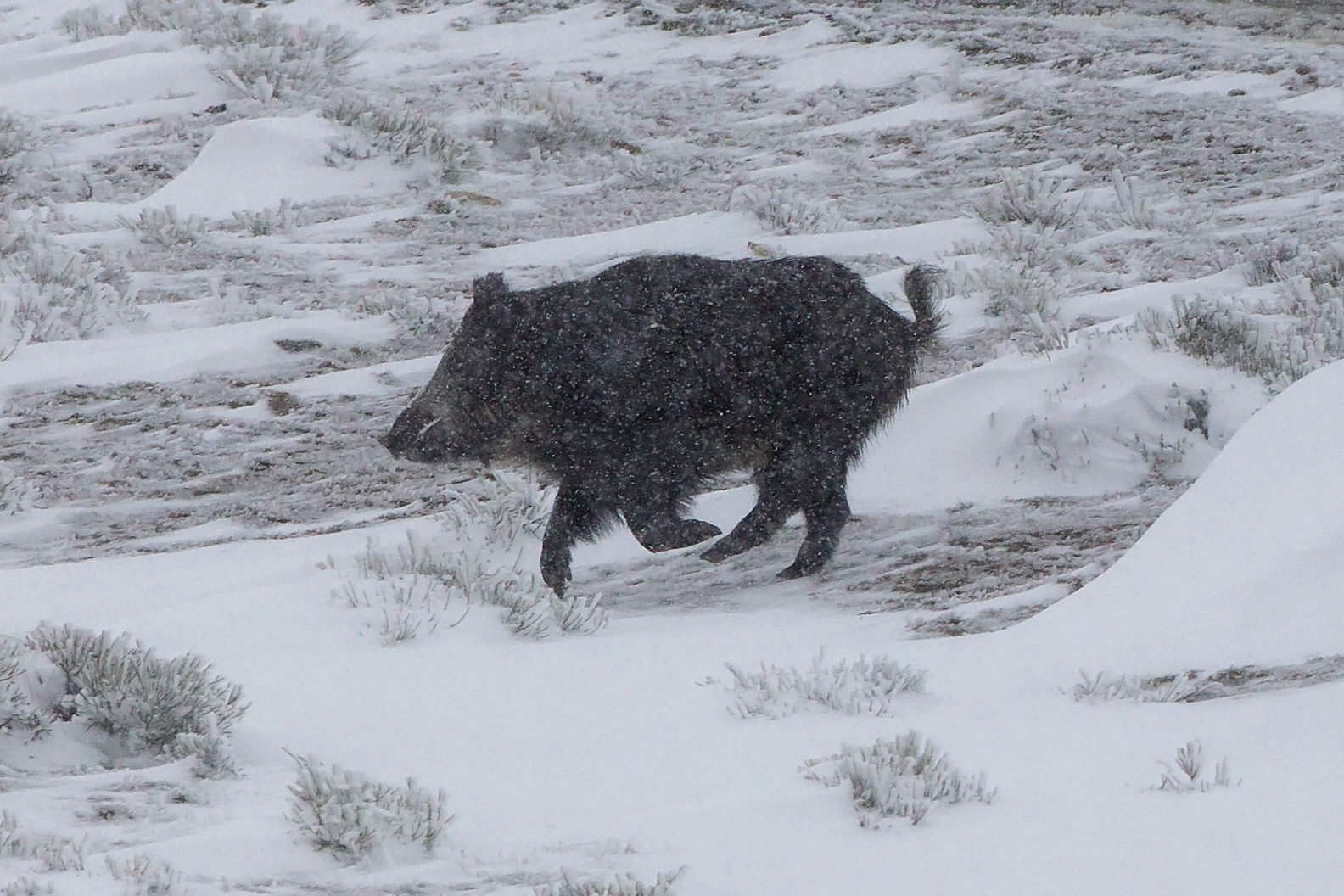
Could wild boar help maintain a tick-borne bacterium in Sweden?
Researchers tested spleen samples from 87 wild boar in southern and central Sweden for Neoehrlichia mikurensis. None contained…
Read story →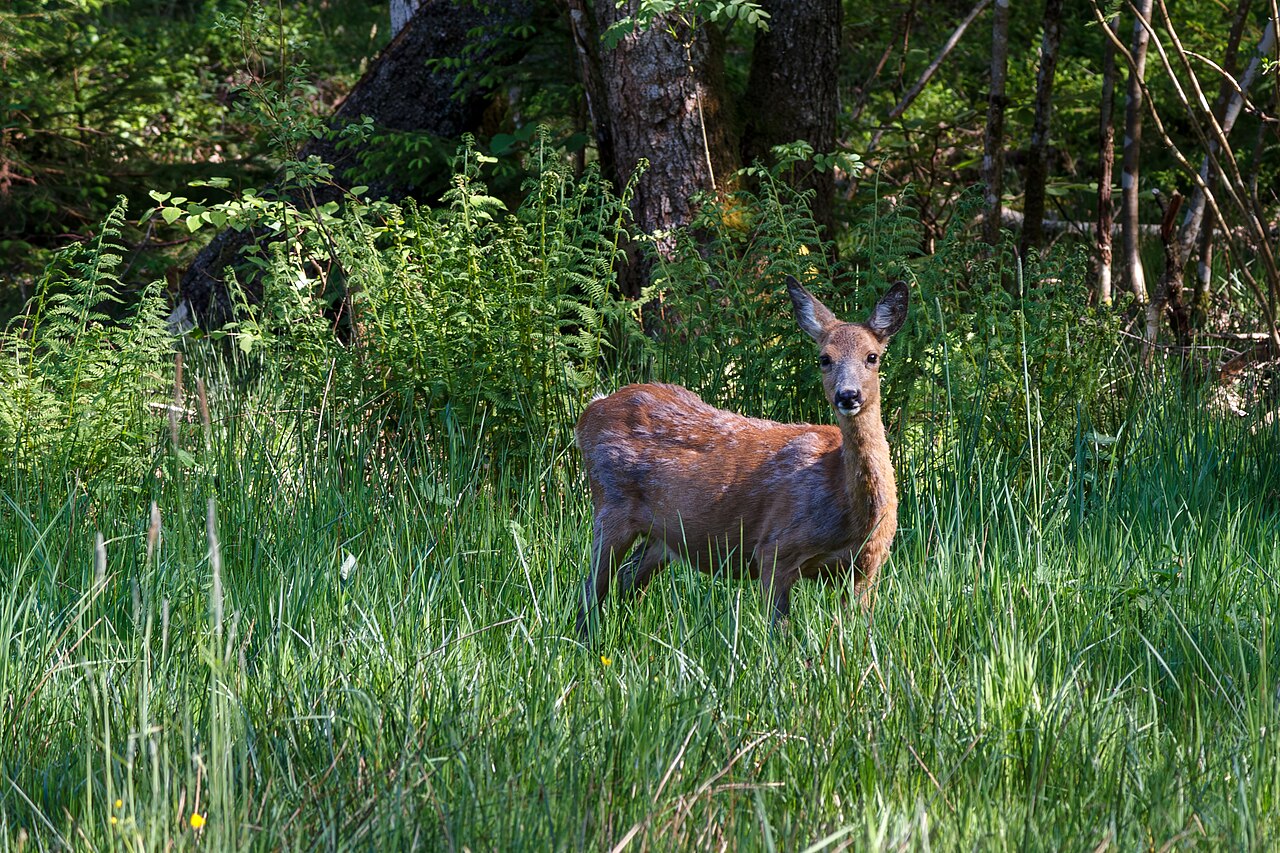
Roe deer crossed through existing railway structures, but wild boar rarely did
Cameras at 40 existing railway structures in northwestern France recorded roe deer crossing at nine and wild boar…
Read story →SPECIES IN THIS STORY
Species in this story
Independent research and conservation news archive
Did you find this information useful?
Wildlife Vagabond is independently built and maintained. Voluntary support helps cover source verification, hosting and continued work on research and conservation news.
Support Wildlife VagabondThe news archive will remain freely available.