
Drought Sent Breeding Black-headed Gulls up to 54 km for Temporary Wetlands
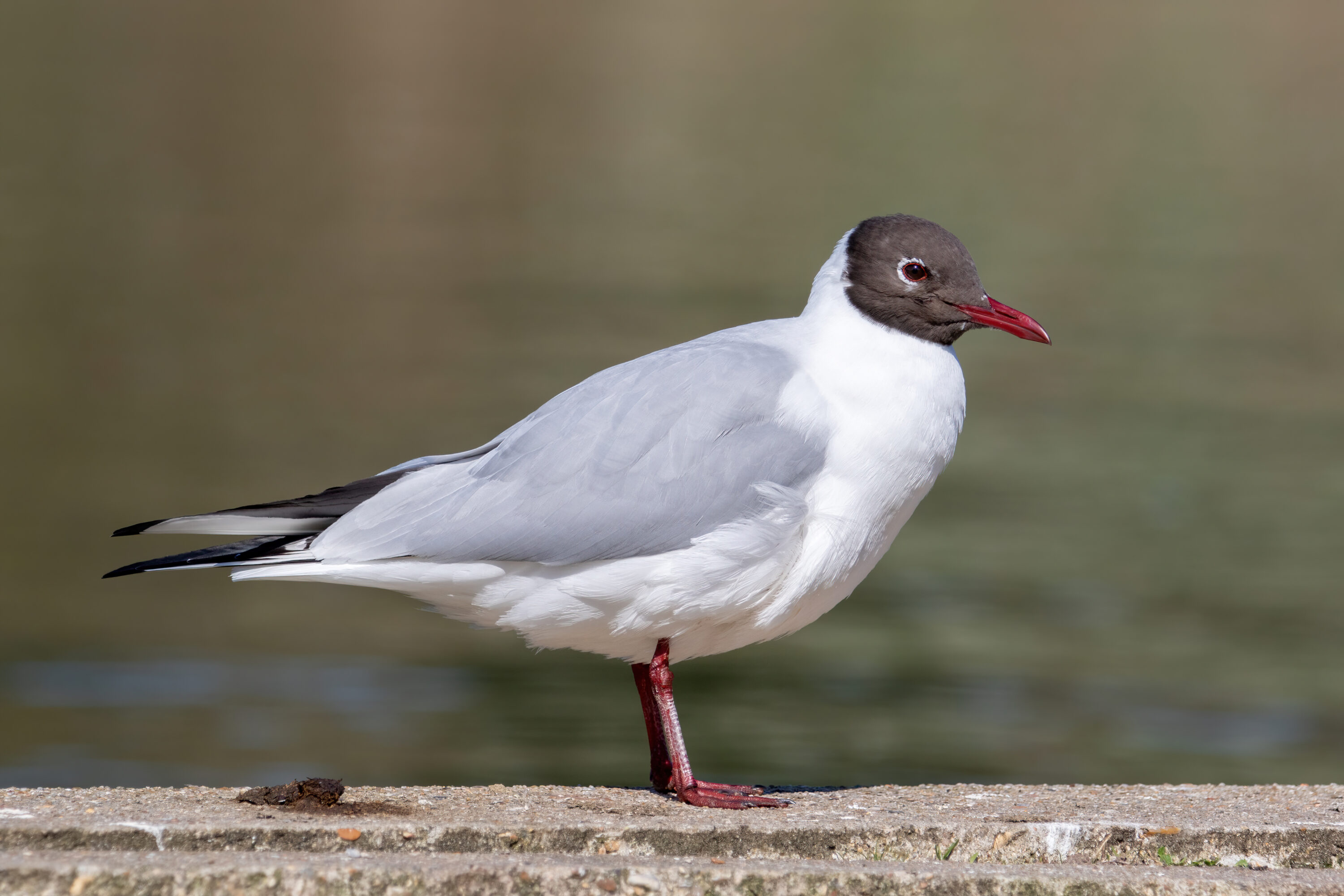
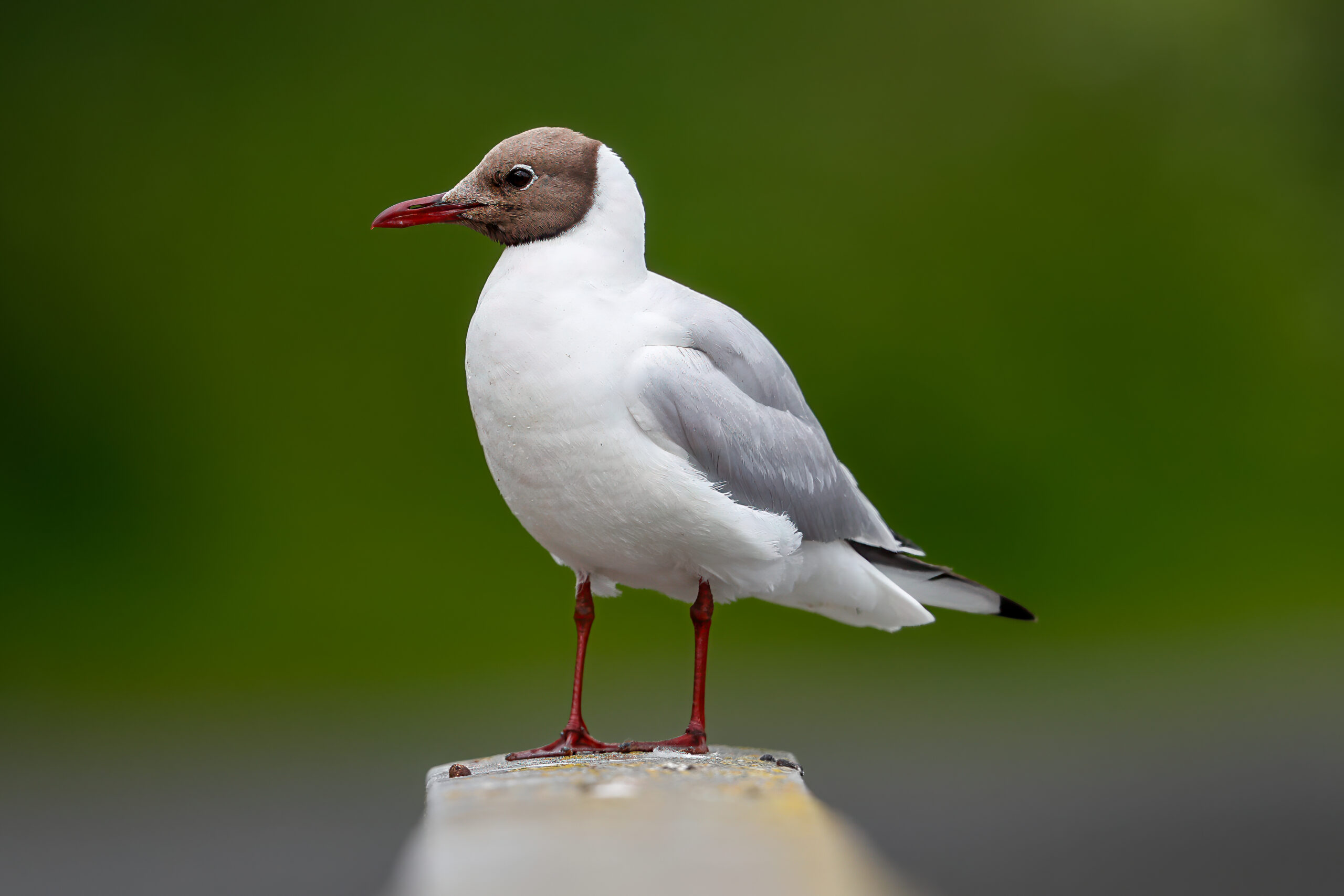
Breeding black-headed gulls (Chroicocephalus ridibundus) in Doñana, Spain, flew as far as 54 kilometres from their nests during the second year of severe drought, when freshwater habitats were especially scarce. GPS tracking across three dry breeding seasons showed that permanent fish ponds were important, but could not replace the natural marshes that became available in wetter conditions.
The study, published in the Journal of Applied Ecology on 19 March 2026, examined how drought changed the use of natural and artificial wetlands in one of Europe’s most important wetland complexes. Researchers tagged 65 adult gulls and obtained 30 nesting seasons of usable data from 24 individuals between 2022 and 2024. GPS positions were combined with satellite information on flooding and detailed land-use maps.
Fish ponds dominated during the driest years
All three study years received less rain than the long-term average. In 2022 and 2023, when most natural marshes were dry, the gulls strongly selected the permanent fish ponds at Veta la Palma. Although these ponds made up only about 0.6% of the available habitat, nesting gulls spent 80.1% of their time there in 2022 and 71.9% in 2023.
The pattern changed in wetter 2024. Natural marshes flooded over a much larger area, some gulls nested there, and use of wet vegetated marshes rose to 35%. At the population level, flooded natural marshes then ranked above fish ponds in habitat preference. Ricefields, despite their importance to black-headed gulls in winter, were used very little during nesting.
The second drought year produced the longest movements
The smallest home ranges occurred in the driest year, 2022. Conditions became different in 2023: rainfall was slightly higher, but groundwater levels and water levels in several other waterbodies had fallen further after successive drought years. The gulls expanded their movements and reached temporary flooded agricultural habitats up to 54 kilometres from their nests, with some of the longest journeys coinciding with rainfall events.
The researchers suggest that the birds probably had to travel farther to find freshwater. Drought can also raise salinity in the fish ponds, which may reduce food availability and increase the need for freshwater for drinking and bathing.
More rain was linked to better breeding
Annual rainfall was positively associated with the number of breeding pairs, breeding success per pair and the proportion of tracked gulls that attempted to nest. The authors conclude that natural marshes were central to breeding success even though many birds nested on islands in artificial fish ponds.
The fish ponds provided relatively stable water levels and protected nesting islands, but the gulls increasingly used natural marshes for feeding when those marshes flooded. The study therefore shows why high counts in artificial wetlands can overstate their ability to replace natural ones: the birds using fish ponds may still depend strongly on nearby natural habitat.
Protecting Doñana’s natural marshes remains essential
The authors identify groundwater extraction for agriculture and urban use, together with climate change, as major pressures on Doñana’s natural marshes. They argue that reducing the effects of groundwater extraction is important if the breeding population of black-headed gulls is to remain self-sustaining.
They also point to restoration opportunities at Veta la Palma after commercial aquaculture ended. Some former fish ponds could be restored towards habitats that resemble natural marshes, while the 2022–2024 tracking data provide a baseline for measuring how future changes affect breeding and foraging.
Ecology
Related news
GPS-Based Models Highlighted the Lower Sumida as a Key Black-headed Gull Corridor in Tokyo
GPS tracking showed that black-headed gulls followed different river features at different movement scales in Tokyo, while GPS-based…
Read story →
Black-headed Gull Sample Yielded the Longest Known Calicivirus Genome
A Hungarian black-headed gull faecal sample yielded an 8,845-nucleotide avian calicivirus genome with unusual RNA structures and enough…
Read story →
New Papillomavirus Genome Identified in Black-headed Gull Faeces in China
Researchers identified the 7,794-base-pair CrPV1 genome in faecal samples from black-headed gulls in Sichuan and found it genetically…
Read story →SPECIES IN THIS STORY
Species in this story
Independent research and conservation news archive
Did you find this information useful?
Wildlife Vagabond is independently built and maintained. Voluntary support helps cover source verification, hosting and continued work on research and conservation news.
Support Wildlife VagabondThe news archive will remain freely available.