
Durban Surveys Found Only One Active House Crow Roost at a Time From 2019 to 2026
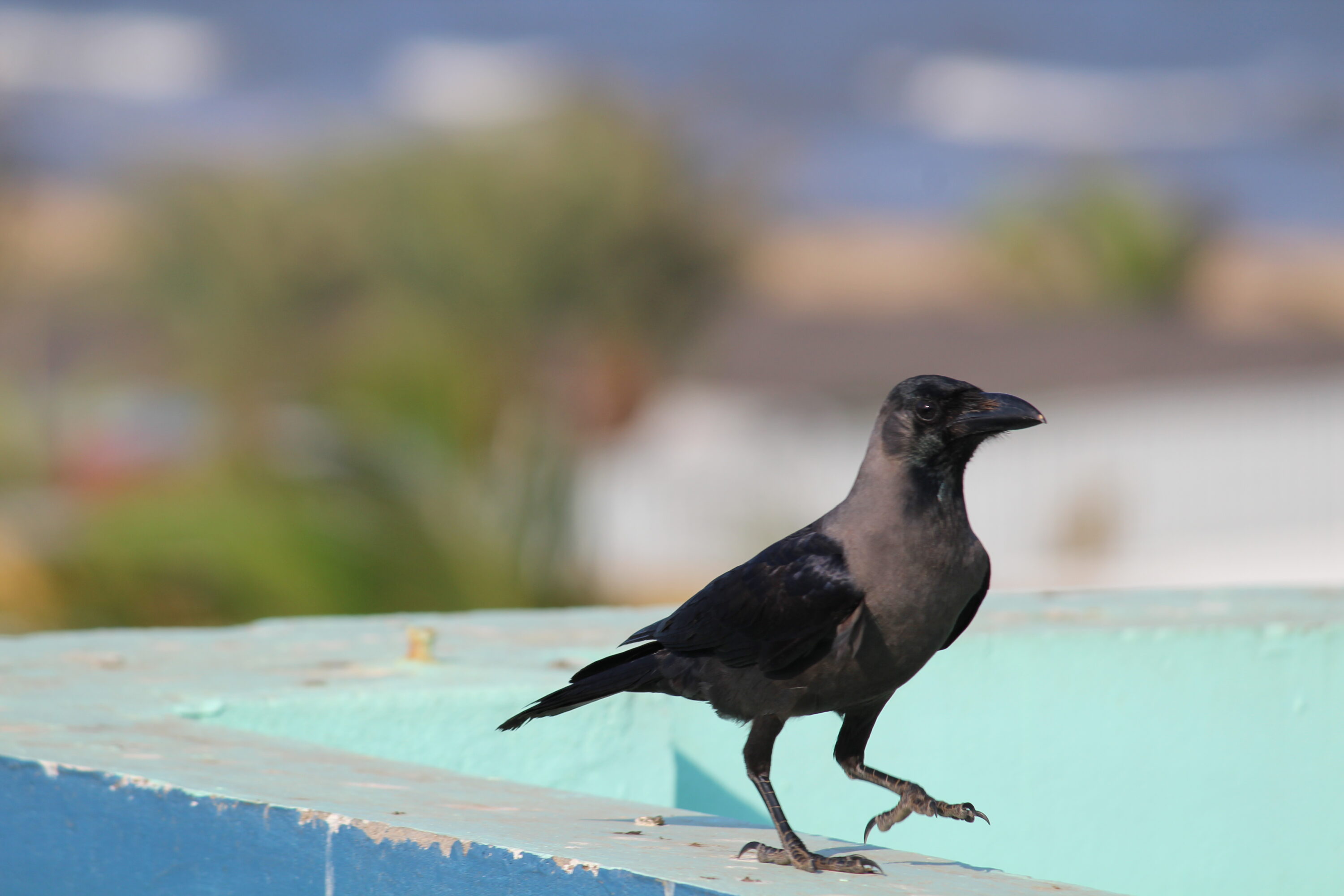
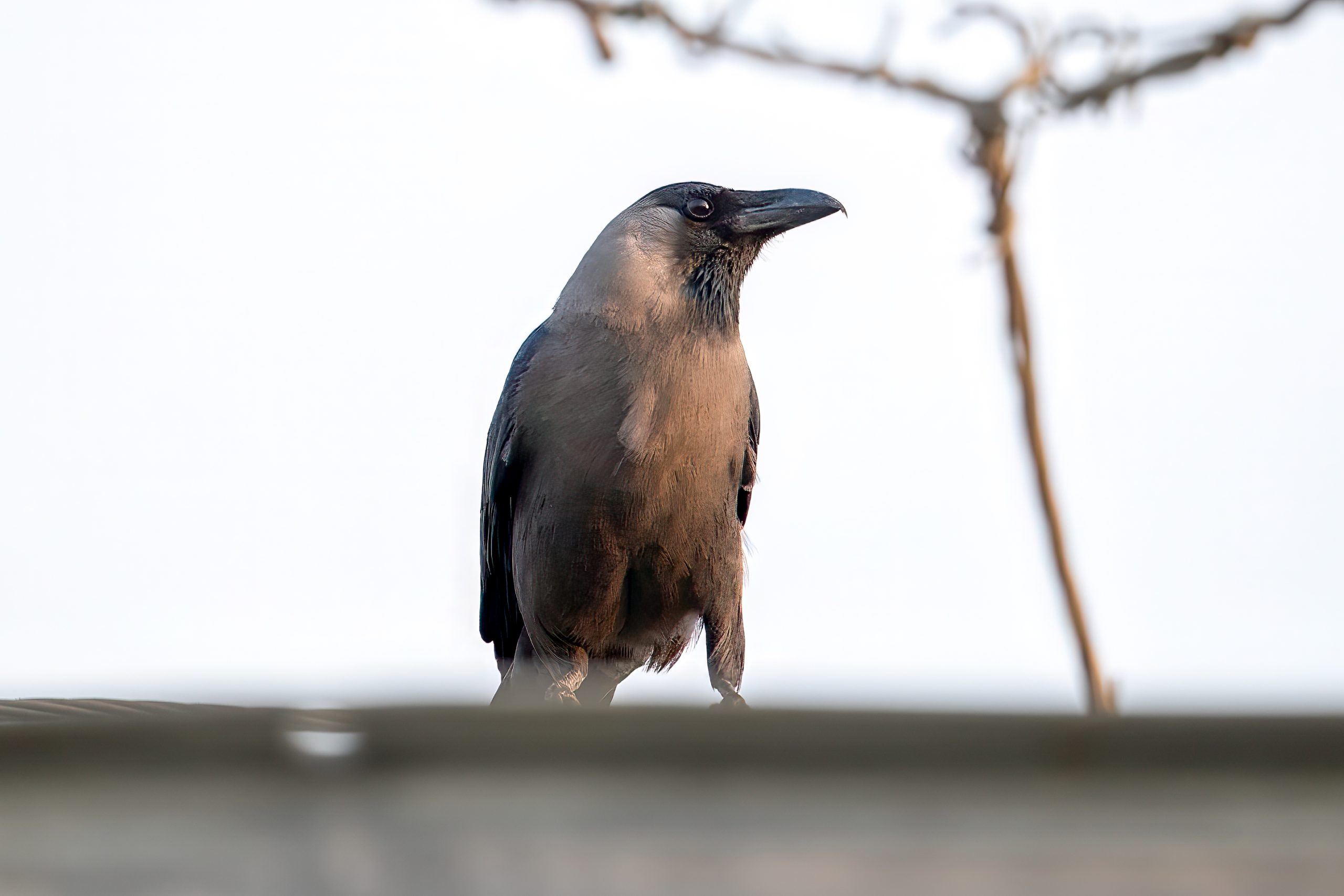
Long-running surveys in eThekwini Municipality, South Africa, found only one active communal roost used by invasive house crows (Corvus splendens) at any given time between 2019 and 2026, even though the actual roost location changed.
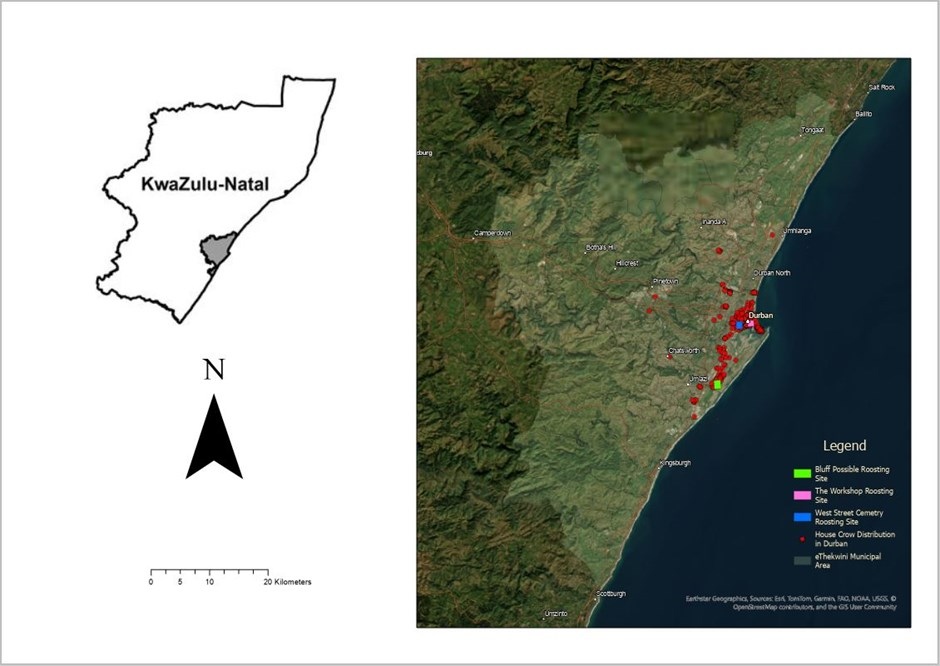
Monthly surveys by municipal staff and collaborators initially identified West Street Cemetery in central Durban as the only known roost. During that period, counts at the site suggested a population of roughly 400–600 house crows.
In 2023 the birds abandoned West Street Cemetery and shifted about 2 km to The Workshop in Durban Central. The authors suspect that shooting carried out after the birds had settled at the former roost may have contributed to the move. Searches in other parts of the municipality, including a reported possible site in the Bluff, did not reveal another roost.
The Workshop was still active when checked on 3 April 2025, with crows using three closely spaced fever trees (Vachellia xanthophloea) that formed a single canopy. If the city truly has only one communal roost, the researchers estimate that some birds may commute about 15–18 km between feeding areas and the roost each day.
Behaviour
Related news
More House Crows Were Counted on Hotter Days in Jaipur
At five urban sites in Jaipur, daily totals ranged from 17 to 81 house crows, and about 22%…
Read story →
Two House Crows Began Anting After Watching a Large-billed Crow in Coonoor
In Coonoor, India, a Large-billed Crow rubbed yellow crazy ants through its plumage. Three House Crows arrived; one…
Read story →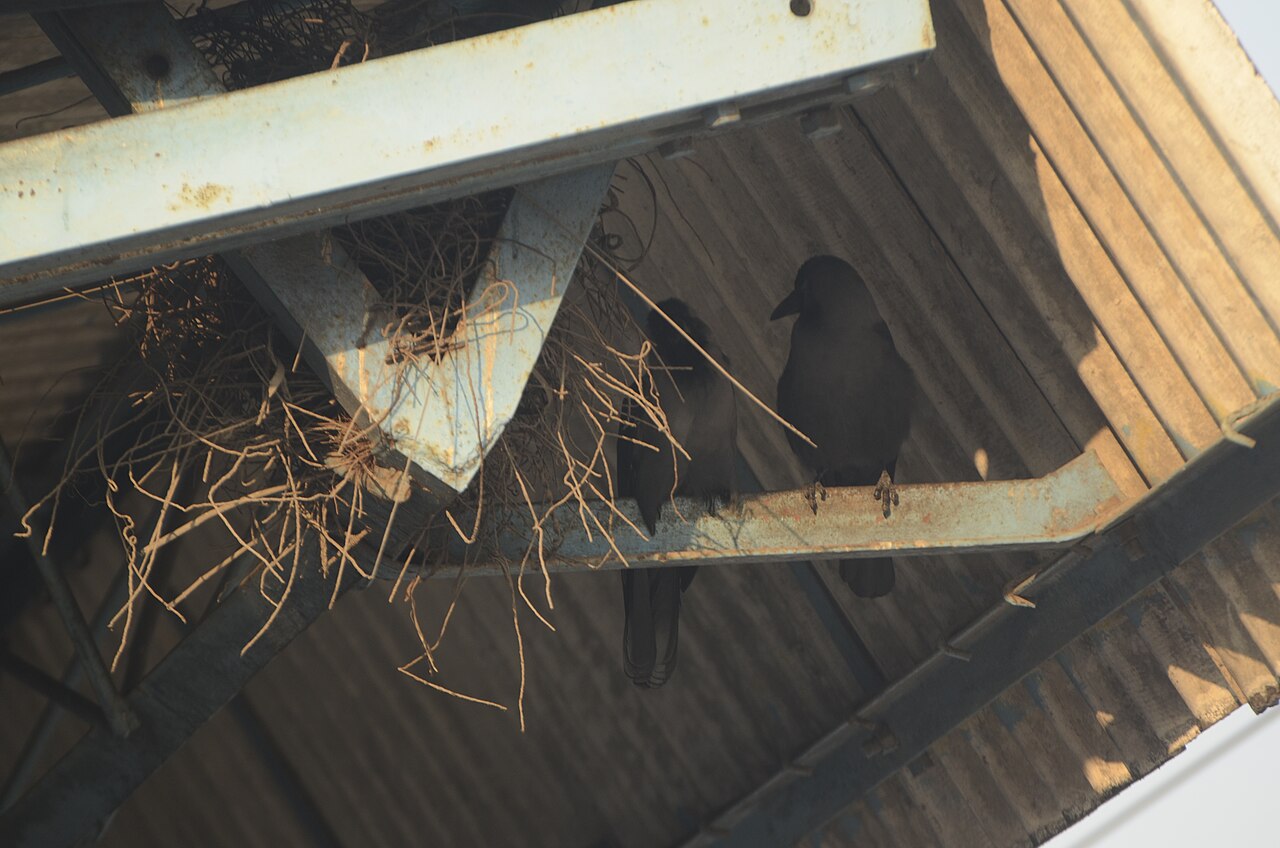
Singapore House Crows Kept Preferred Tree Species but Shifted Other Nest-site Choices
A 2026 comparison with a 2001 Singapore survey found that house crows still favoured the same main tree…
Read story →SPECIES IN THIS STORY
Species in this story
Independent research and conservation news archive
Did you find this information useful?
Wildlife Vagabond is independently built and maintained. Voluntary support helps cover source verification, hosting and continued work on research and conservation news.
Support Wildlife VagabondThe news archive will remain freely available.