
Elephant Rumble Choruses Carried Context and Sometimes Converged During Coordination
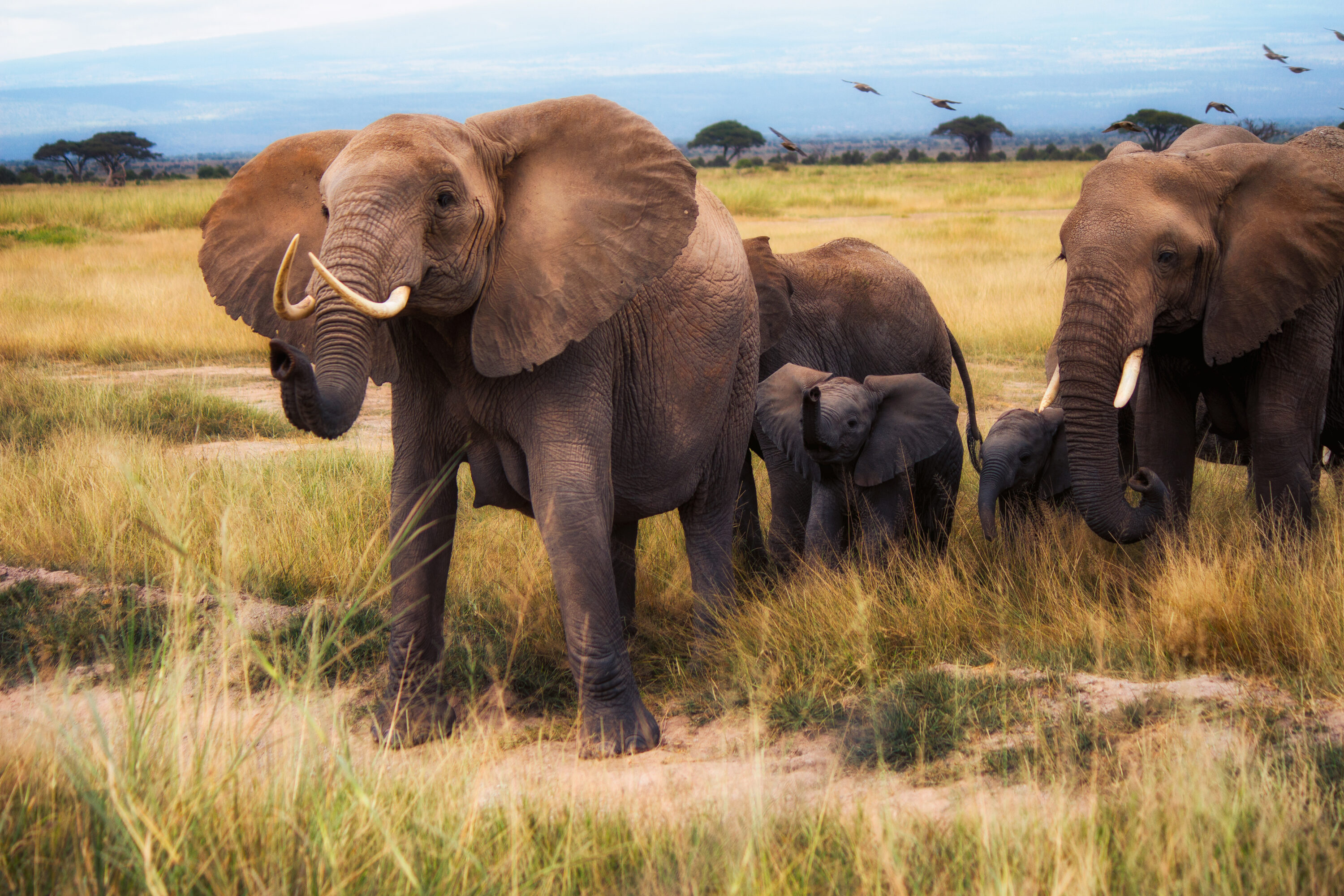
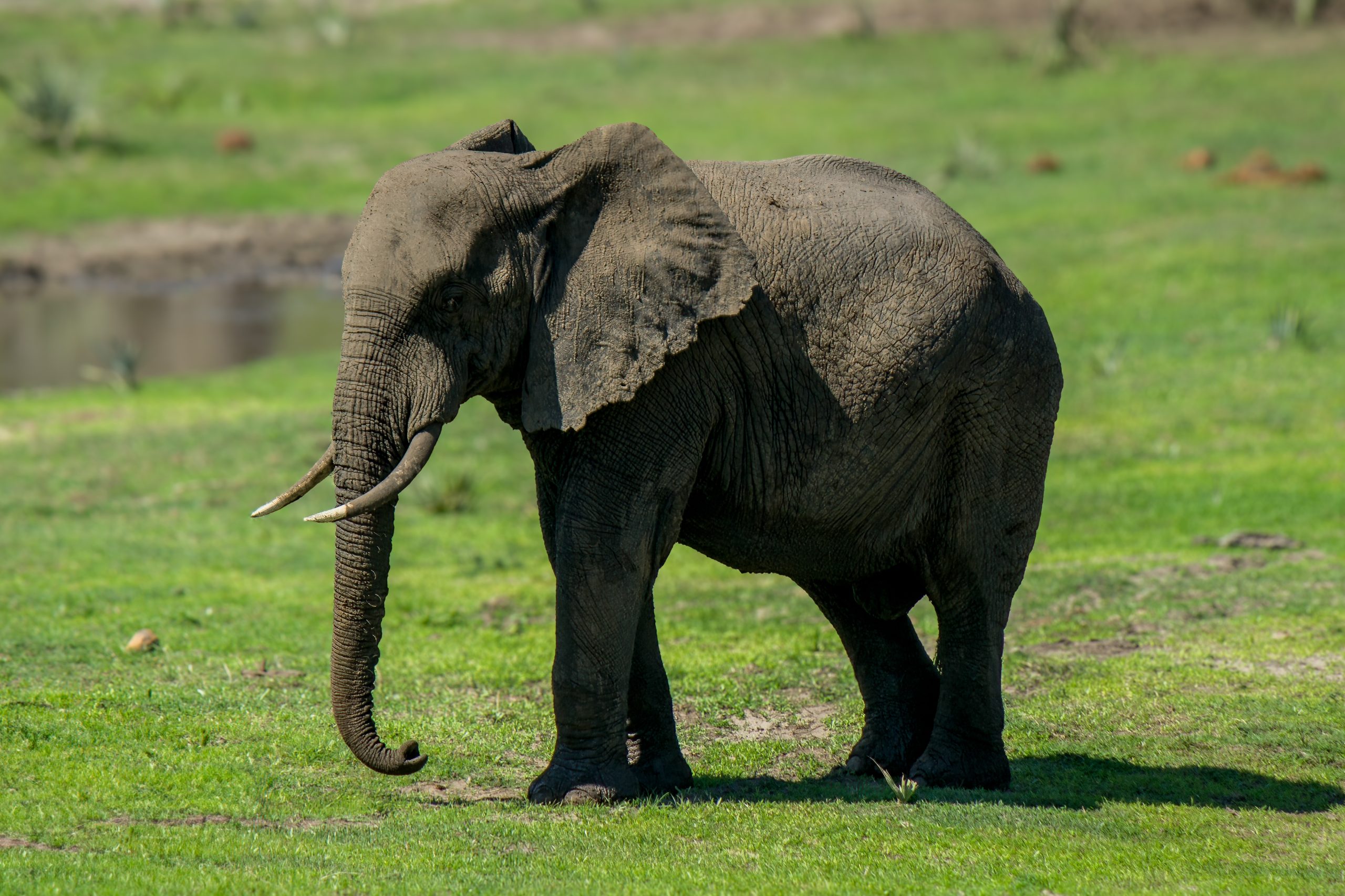
Wild African bush elephants (Loxodonta africana) can encode information about what is happening around them not only in individual rumbles, but also when several animals call at once. An analysis of recordings from the long-studied Amboseli elephant population found that behavioural context could be predicted from both single rumbles and overlapping vocal choruses, and that callers sometimes converged acoustically during coordinated group interactions.
Elephant rumbles are low-frequency calls used in many social situations. They can occur one at a time, as alternating calls between individuals, or as choruses in which several elephants rumble simultaneously. The new study focused on these overlapping calls, which are harder to analyse than isolated vocalizations.
Choruses retained information about behavioural context
The researchers compared acoustic features of single rumbles and chorused rumbles produced in several well-defined behavioural contexts. Statistical classifiers identified the context of both call types better than chance, showing that overlapping vocalizations still contain structured information about the situation in which they were produced.
Individual rumbles inside a chorus also resembled single rumbles from the same behavioural context. A chorus was therefore not simply an acoustically chaotic pile-up of calls: its component rumbles retained context-specific structure.
Some choruses became more acoustically similar
The team then tested whether calls from different elephants became more similar to one another within a chorus. Evidence for acoustic convergence appeared in three of six contexts: Cadenced rumbles, Contact rumbles and Greeting rumbles.
Cadenced and Contact rumbles are associated with logistical coordination and often occur in longer exchanges involving several callers. Greeting rumbles are linked to social reunion and bonding. In contrast, the study found no evidence of convergence in Let’s-Go, Coo or Little-Greeting rumbles, although small sample sizes mean that absence of convergence in some contexts should be interpreted cautiously.
Convergence may help elephants coordinate
The strongest convergence occurred in contexts where several animals were coordinating a shared course of action. The authors therefore suggest that rapid vocal convergence may often help logistical coordination within elephant groups. The study does not establish that convergence itself causes coordination, but it shows that acoustic matching is context-dependent rather than universal across rumble choruses.
The researchers also found systematic differences among individuals and family groups. Variation between individual callers may therefore contribute to the family-level acoustic differences observed in elephant communication.
A group signal built from individual voices
The results extend earlier evidence that elephant rumbles carry information about both caller identity and behavioural context. In a chorus, multiple voices overlap, but they do not lose those signals entirely. Instead, the chorus combines context-matched calls from several individuals, and in some situations those calls become more acoustically alike.
This makes elephant chorusing a form of multi-caller communication in which group-level structure emerges from individual vocal signals — particularly during interactions that require several elephants to coordinate what happens next.
Behaviour
Related news
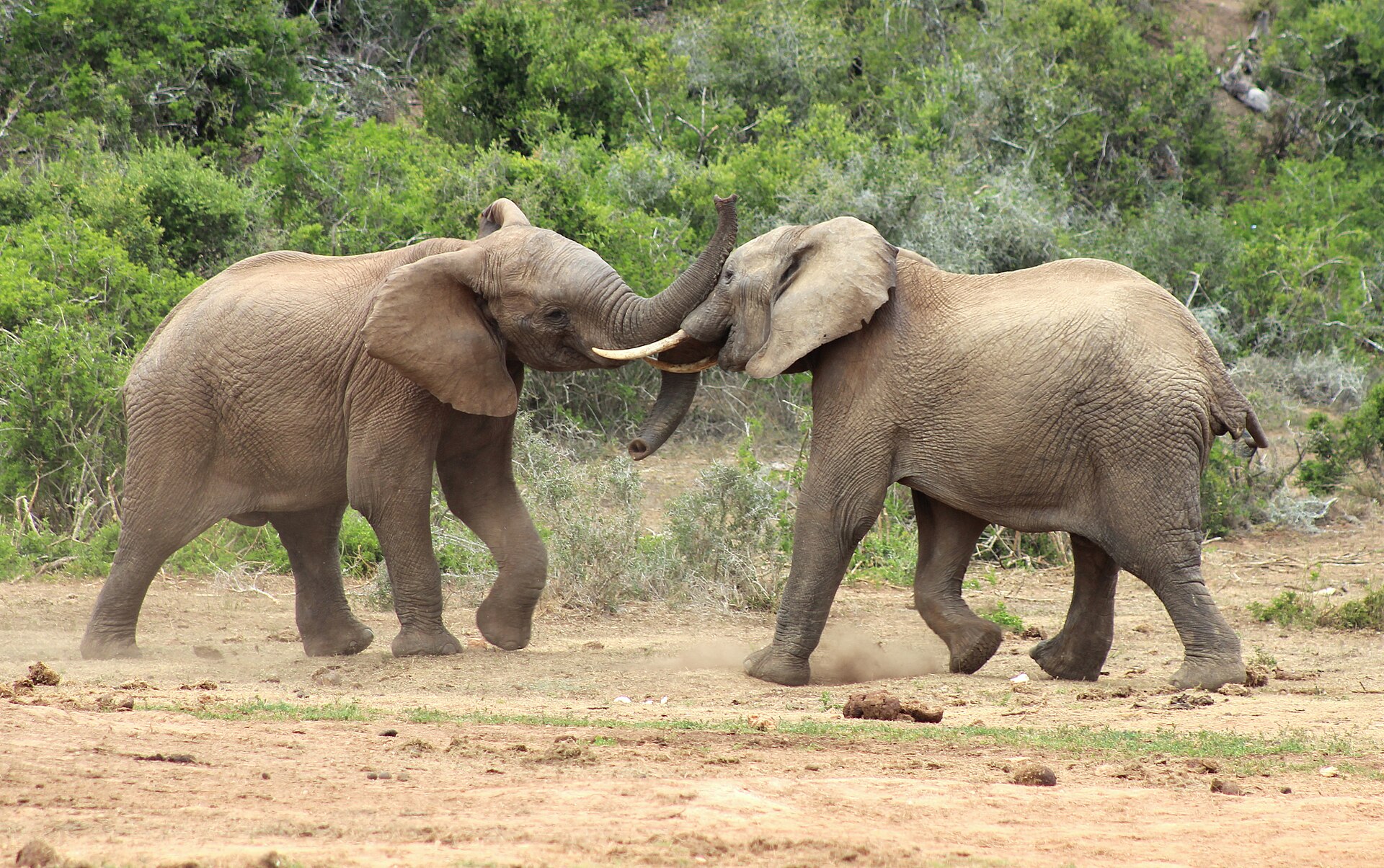
Wild Elephants Used 41 Gesture Types to Make Others Move Away or Stop
Wild African bush elephants in Addo and Marakele used 41 gesture types during conflicts, mainly to make another…
Read story →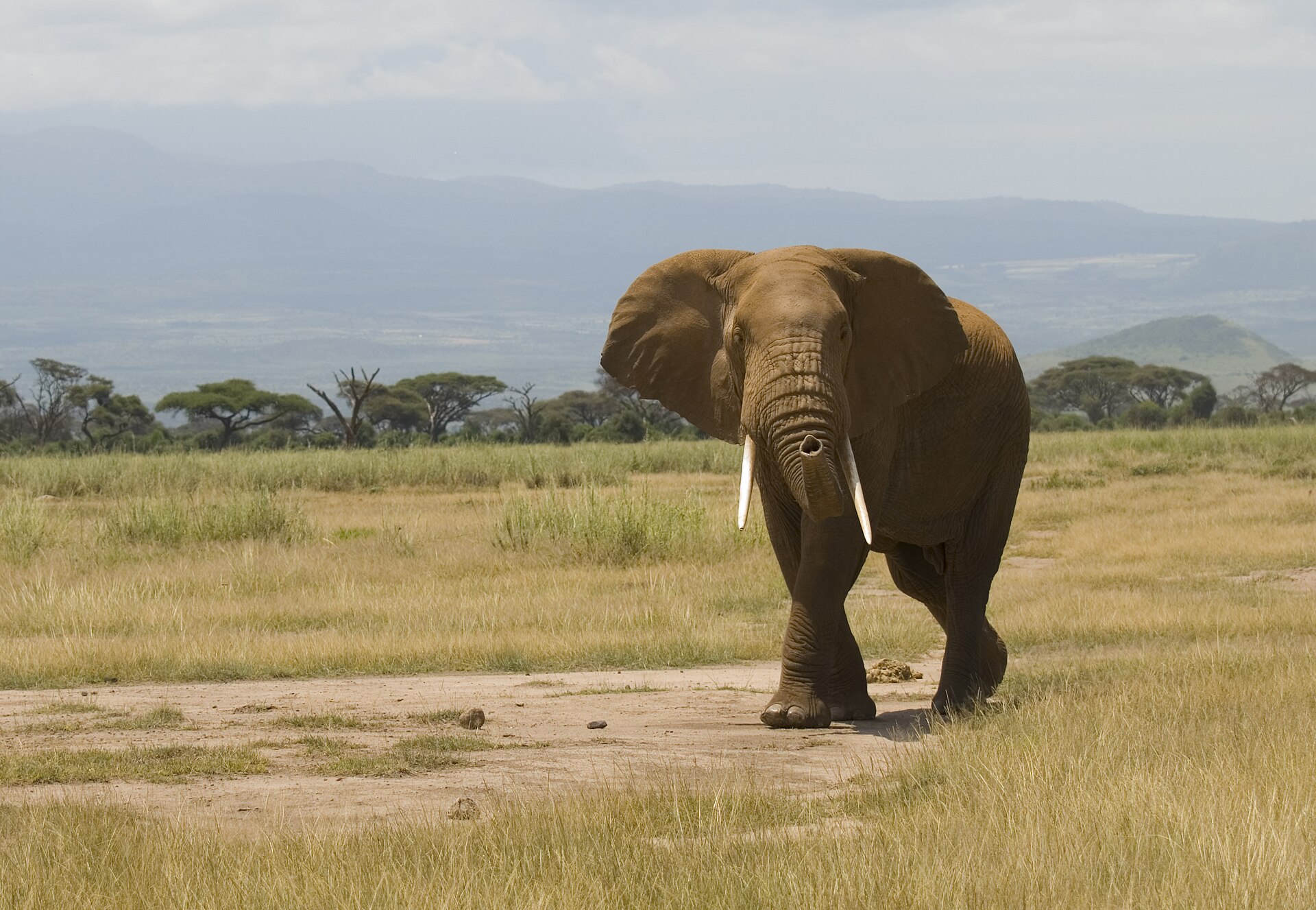
Mount Elgon Elephants May Seek Medicinal Plants When Sick or Caring for Calves
Eight experienced Sabaot observers in Kenya described 35 plants and four mineral or soil resources used by Mount…
Read story →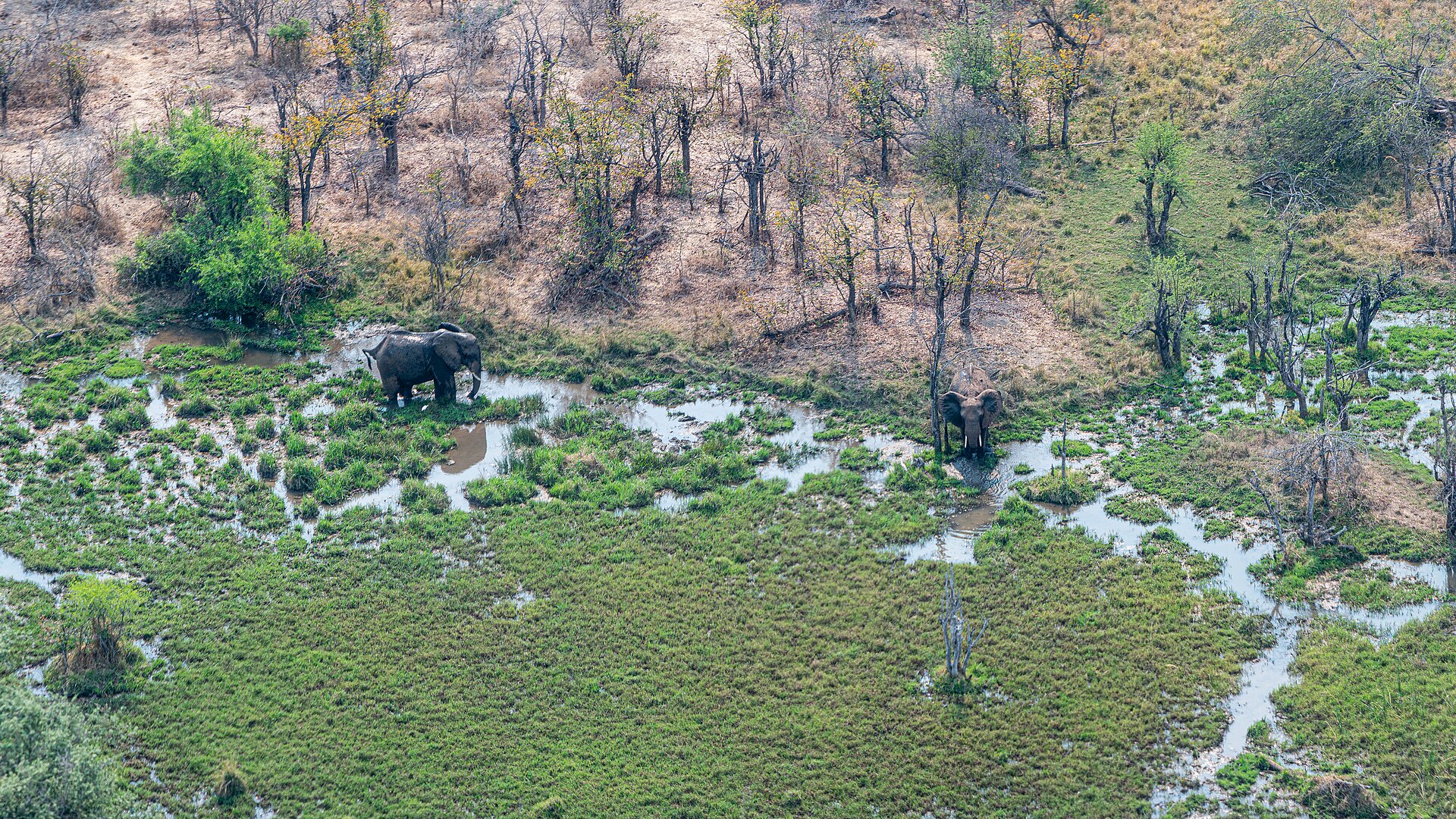
Translocated Elephant Herds Learned New Landscapes Independently, With Movements Stabilising After About Two Years
Satellite tracking followed 201 elephants in 25 whole herds moved from Save Valley to Zimbabwe's Zambezi Valley. The…
Read story →SPECIES IN THIS STORY
Species in this story
Independent research and conservation news archive
Did you find this information useful?
Wildlife Vagabond is independently built and maintained. Voluntary support helps cover source verification, hosting and continued work on research and conservation news.
Support Wildlife VagabondThe news archive will remain freely available.