
Parasite DNA Was Found in 7% of Eurasian Magpie Brain Samples in Hungary
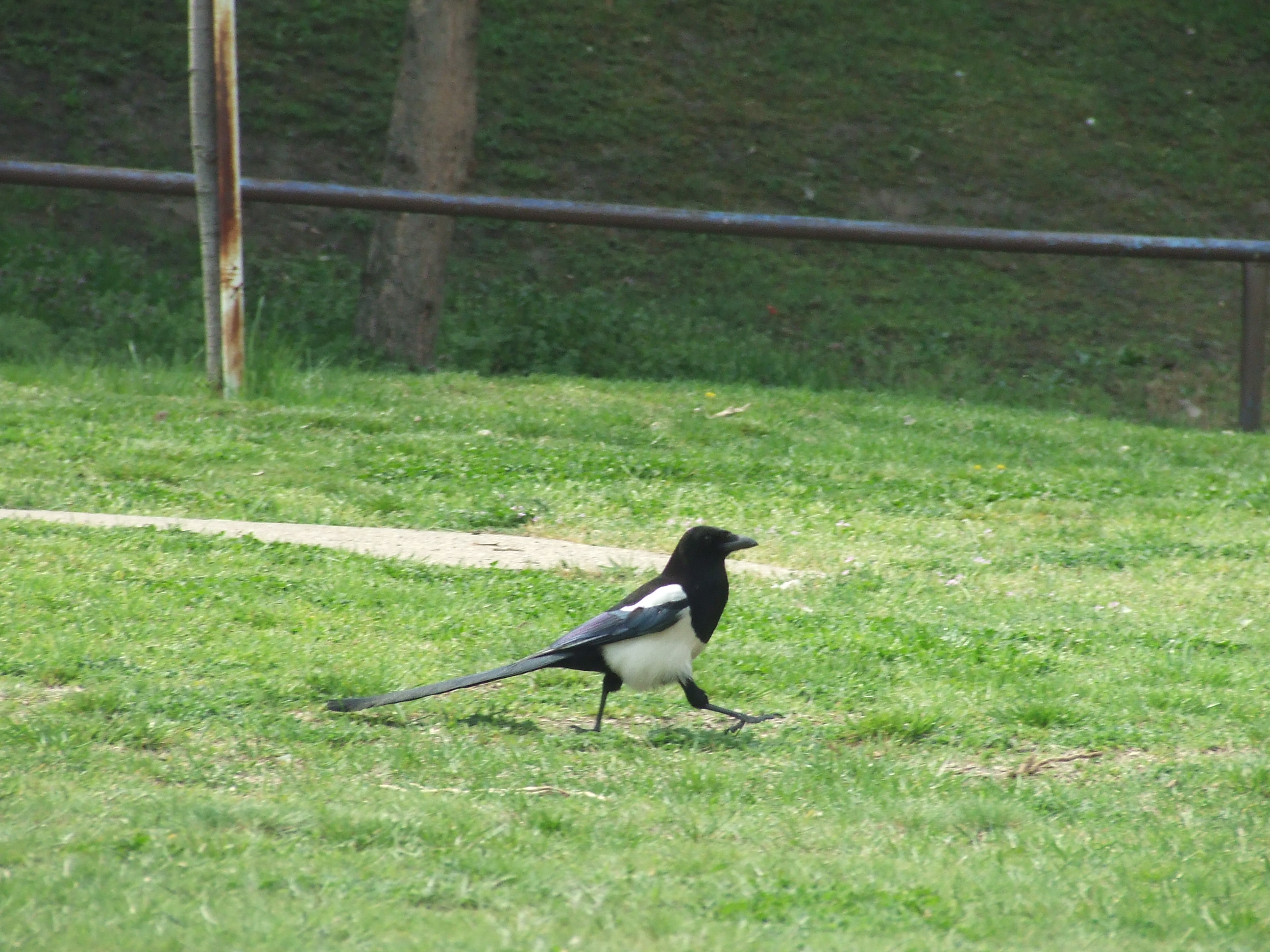
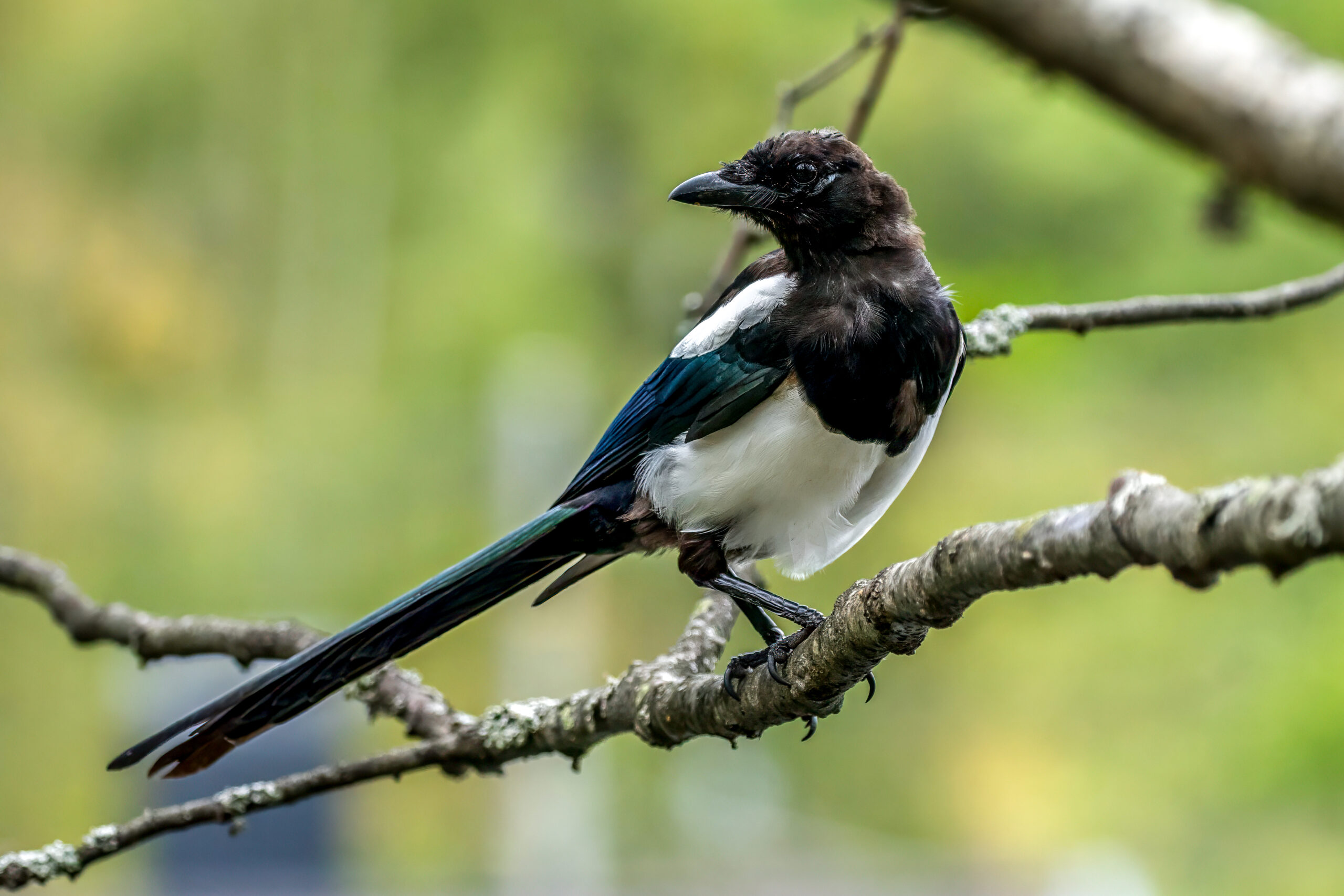
Brain samples from Eurasian magpies (Pica pica) at two peri-urban sites in Hungary contained DNA from apicomplexan parasites in 19 of 273 birds, or 7%. Apicomplexa is a group of single-celled parasites that includes Toxoplasma, Lankesterella and Isospora. The researchers targeted brain tissue because several of the parasites they screened for are neurotropic, meaning they can occur in nervous tissue. The study was published on 22 July 2026 in Current Research in Parasitology & Vector-Borne Diseases.
Toxoplasma and Lankesterella accounted for most detections
Toxoplasma gondii DNA was found in 10 magpies, or 3.7% of those examined. The authors report this as the first detection of T. gondii in Eurasian magpies in Hungary and Central Europe. DNA from a Lankesterella species was found in 11 birds, or 4%, representing the first molecular evidence of this parasite genus in any corvid. Three magpies carried DNA from both parasites.
All 11 Lankesterella-positive magpies from the two sampling sites carried the same genetic variant, which differed from previously reported Lankesterella sequences. The authors suggest that it may represent a genetic type associated with this host. One additional magpie contained DNA from an Isospora species whose closest known genetic matches came from parasites previously reported in Australian birds. Because the identification relied on a single DNA region that cannot always separate closely related parasite types, its exact taxonomic status remains unresolved.
DNA detection did not demonstrate disease
The wider sample contained 279 corvids, but only six were not Eurasian magpies: four Eurasian jays and two hooded crows. The authors therefore list the strongly uneven sampling among species as a limitation. They also examined only brain tissue, did not use histopathology — microscopic examination of tissue damage — or measure how much parasite material was present. Detecting parasite DNA therefore does not necessarily demonstrate active infection. The study therefore documents parasite DNA in magpie brain samples, not disease or onward transmission. The authors nevertheless identify corvids as a relevant focus for One Health studies of parasite circulation in peri-urban environments, where human, animal and environmental health are considered together.
Disease, parasites & microbiology
Related news
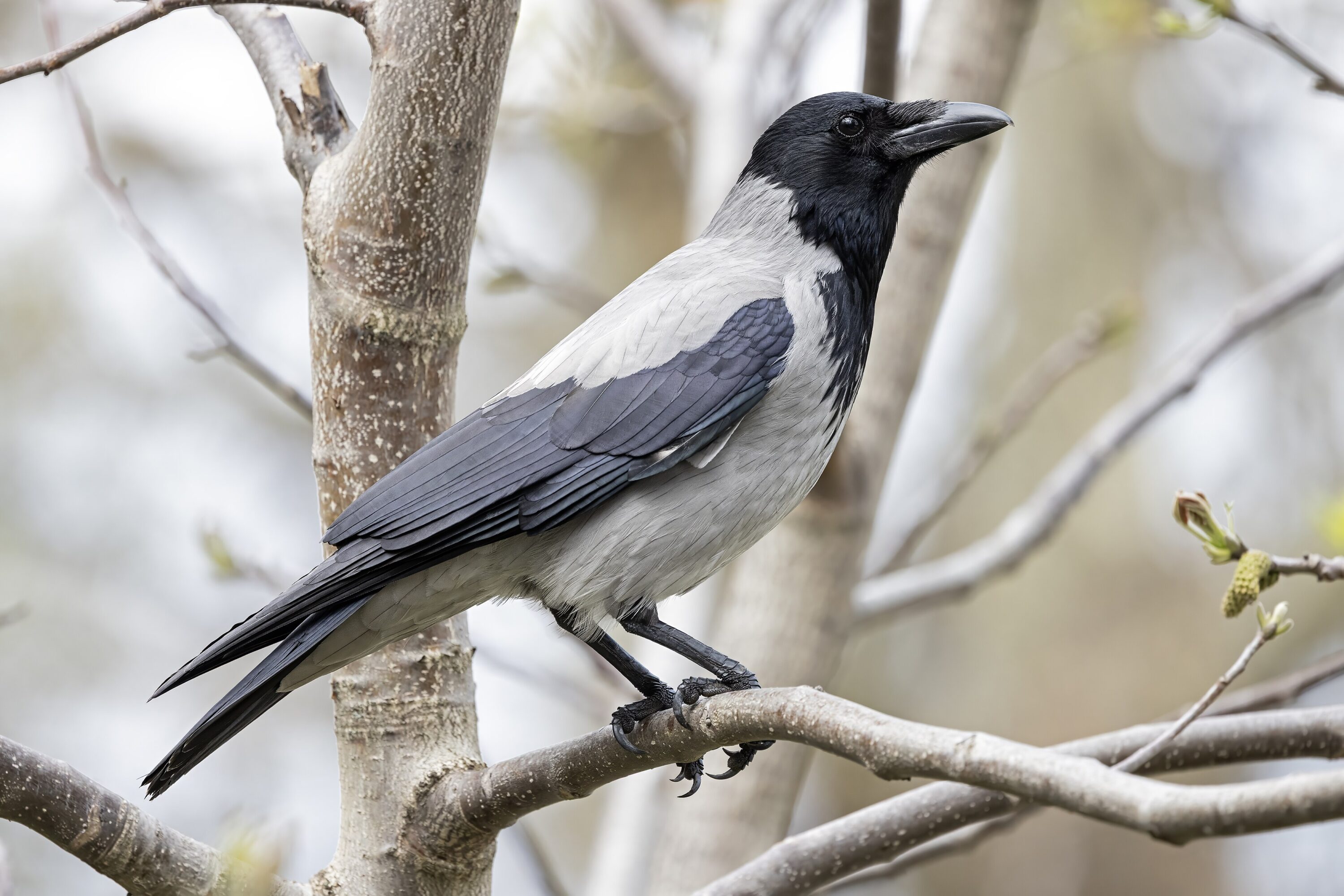
Hooded Crows Were Linked to 87 Reported West Nile Virus Bird Outbreaks in Europe
The September ECDC–EFSA report linked hooded crows to 87 reported West Nile virus bird outbreaks, Eurasian magpies to…
Read story →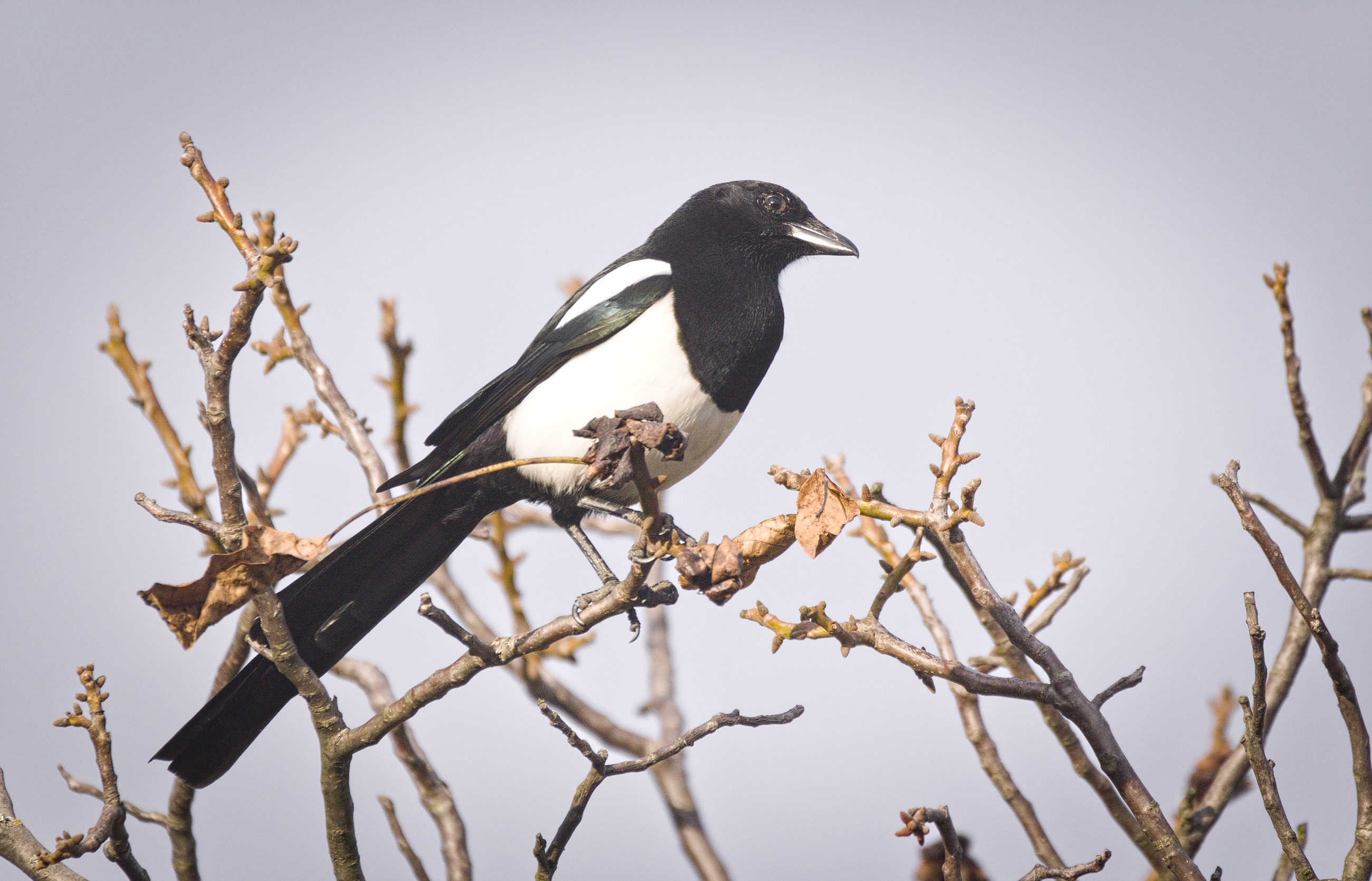
Magpies Dominated Predation on Artificial Pheasant Nests in Polish Urban Sites, Red Foxes in Farmland
Eurasian magpies were the main predator at destroyed artificial pheasant nests in Polish urban sites, while red foxes…
Read story →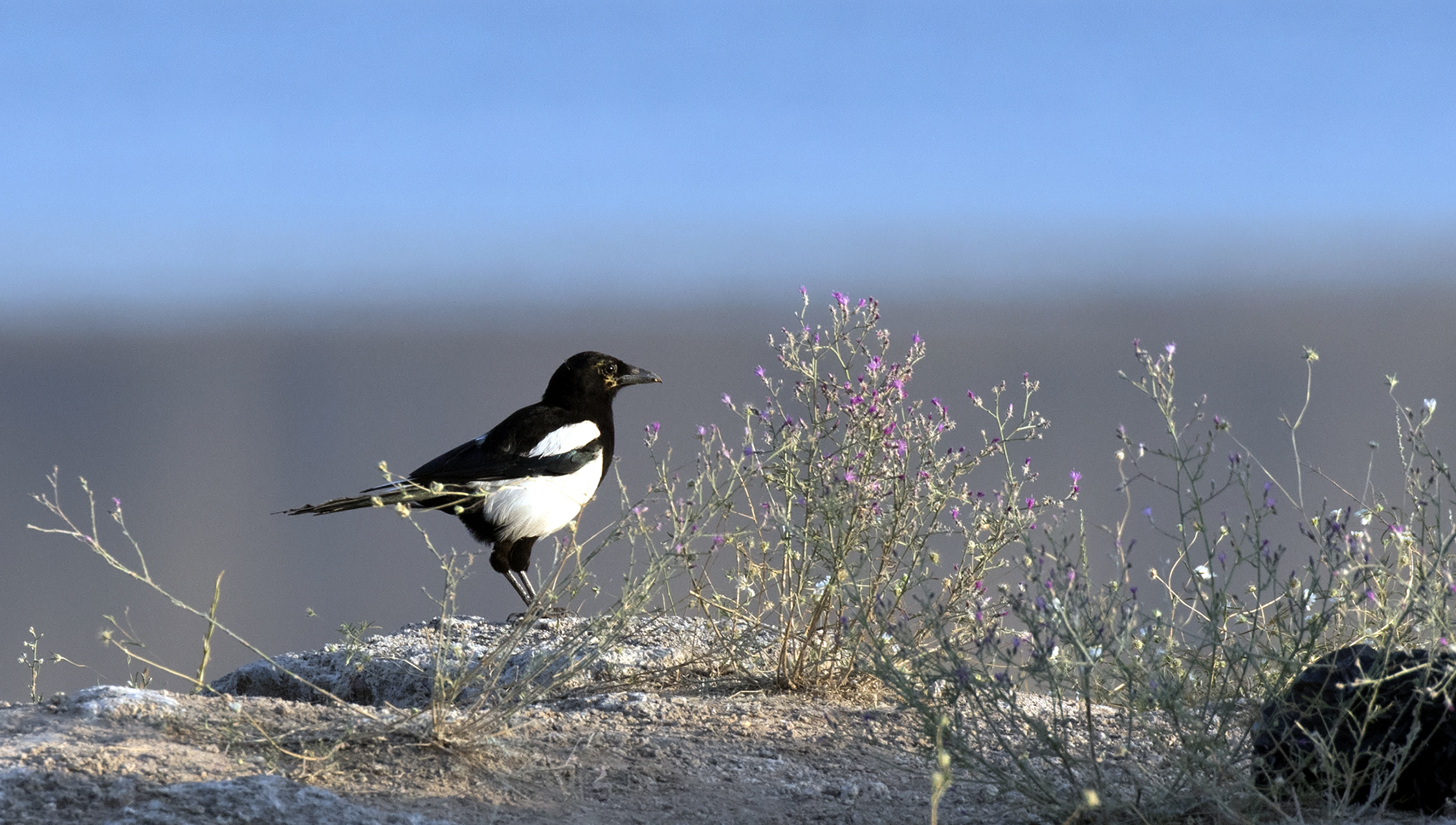
Four Parasitic Worm Species Were Reported From Eurasian Magpies for the First Time
Among 53 Eurasian magpies from Bursa Province, 40 carried helminths and ten parasite species were identified; four had…
Read story →SPECIES IN THIS STORY
Species in this story
Independent research and conservation news archive
Did you find this information useful?
Wildlife Vagabond is independently built and maintained. Voluntary support helps cover source verification, hosting and continued work on research and conservation news.
Support Wildlife VagabondThe news archive will remain freely available.